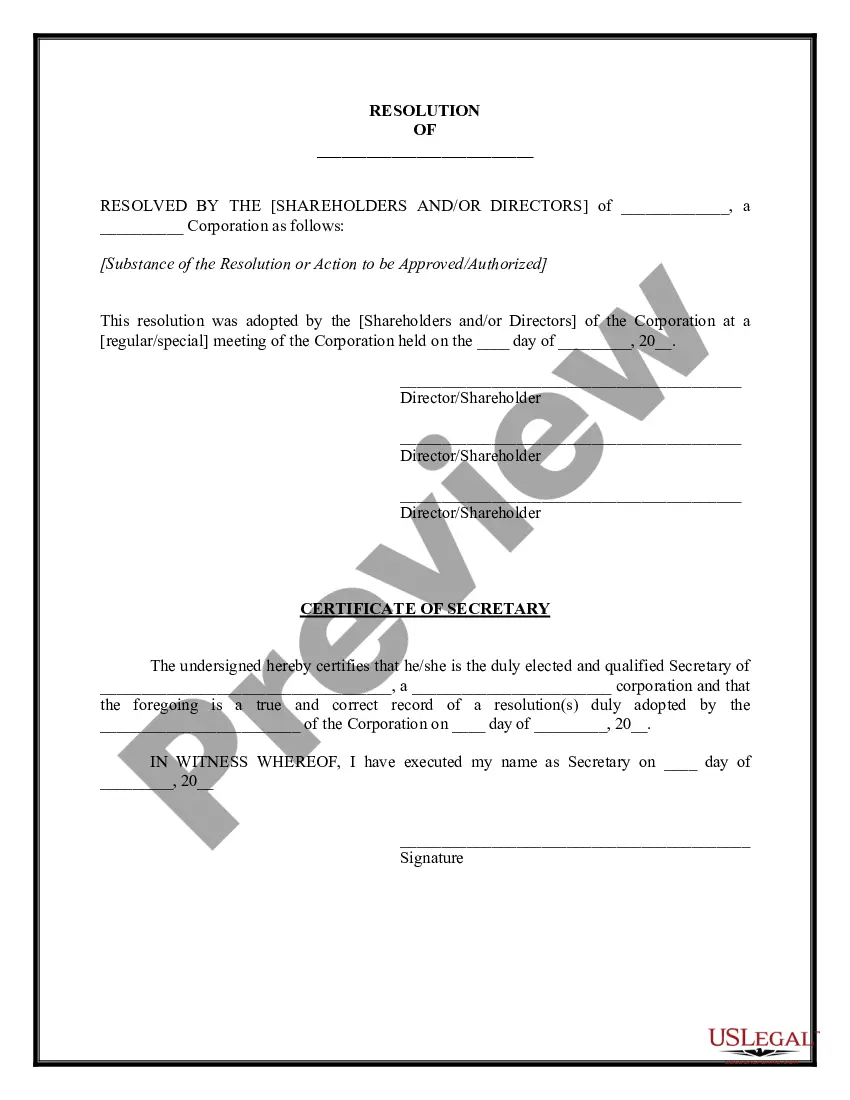
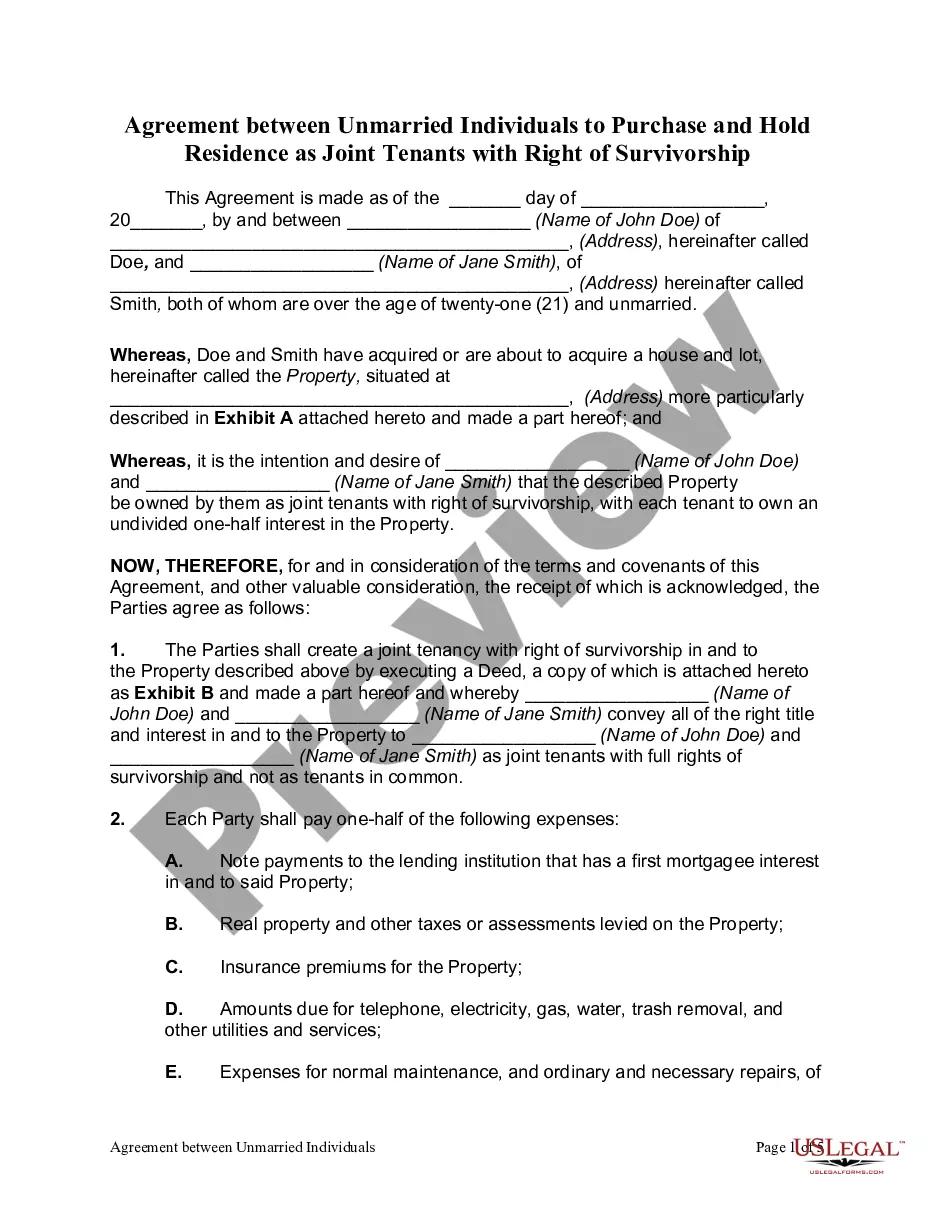
Agreement Unmarried With Child Filing Taxes In Wake
Description

Get your form ready online
Our built-in tools help you complete, sign, share, and store your documents in one place.
Make edits, fill in missing information, and update formatting in US Legal Forms—just like you would in MS Word.
Download a copy, print it, send it by email, or mail it via USPS—whatever works best for your next step.
Sign and collect signatures with our SignNow integration. Send to multiple recipients, set reminders, and more. Go Premium to unlock E-Sign.
If this form requires notarization, complete it online through a secure video call—no need to meet a notary in person or wait for an appointment.
We protect your documents and personal data by following strict security and privacy standards.

Make edits, fill in missing information, and update formatting in US Legal Forms—just like you would in MS Word.

Download a copy, print it, send it by email, or mail it via USPS—whatever works best for your next step.

Sign and collect signatures with our SignNow integration. Send to multiple recipients, set reminders, and more. Go Premium to unlock E-Sign.

If this form requires notarization, complete it online through a secure video call—no need to meet a notary in person or wait for an appointment.

We protect your documents and personal data by following strict security and privacy standards.
Looking for another form?



Form popularity
FAQ
Income Tax When an unmarried couple cohabitates, both partners will need to file an individual tax return at the end of the year. Unmarried couples may not file a joint tax return.
Married filing separately with kids When filing separately, only one parent can claim a qualifying child and the tax breaks that follow. Generally, the parent who provides the child's housing for most of the tax year gets to claim the child and the tax breaks.
If you're legally married as of December 31 of the tax year, the IRS considers you to be married for the full year. Usually, your only options are to file as either Married Filing Jointly or Married Filing Separately. Using the married filing separately status rarely works to lower a couple's tax bill.
If the child lived with each parent for an equal number of nights, as is often the case of ex-spouses with joint custody, the custodial parent is the parent with the higher Adjusted Gross Income (AGI). Parents can also release their dependent claim to the other parent by completing Form 8332.
Married filing separately with kids When filing separately, only one parent can claim a qualifying child and the tax breaks that follow. Generally, the parent who provides the child's housing for most of the tax year gets to claim the child and the tax breaks.