Tenants In Common Vs Joint Tenancy With Right Of Survivorship In Broward
Description

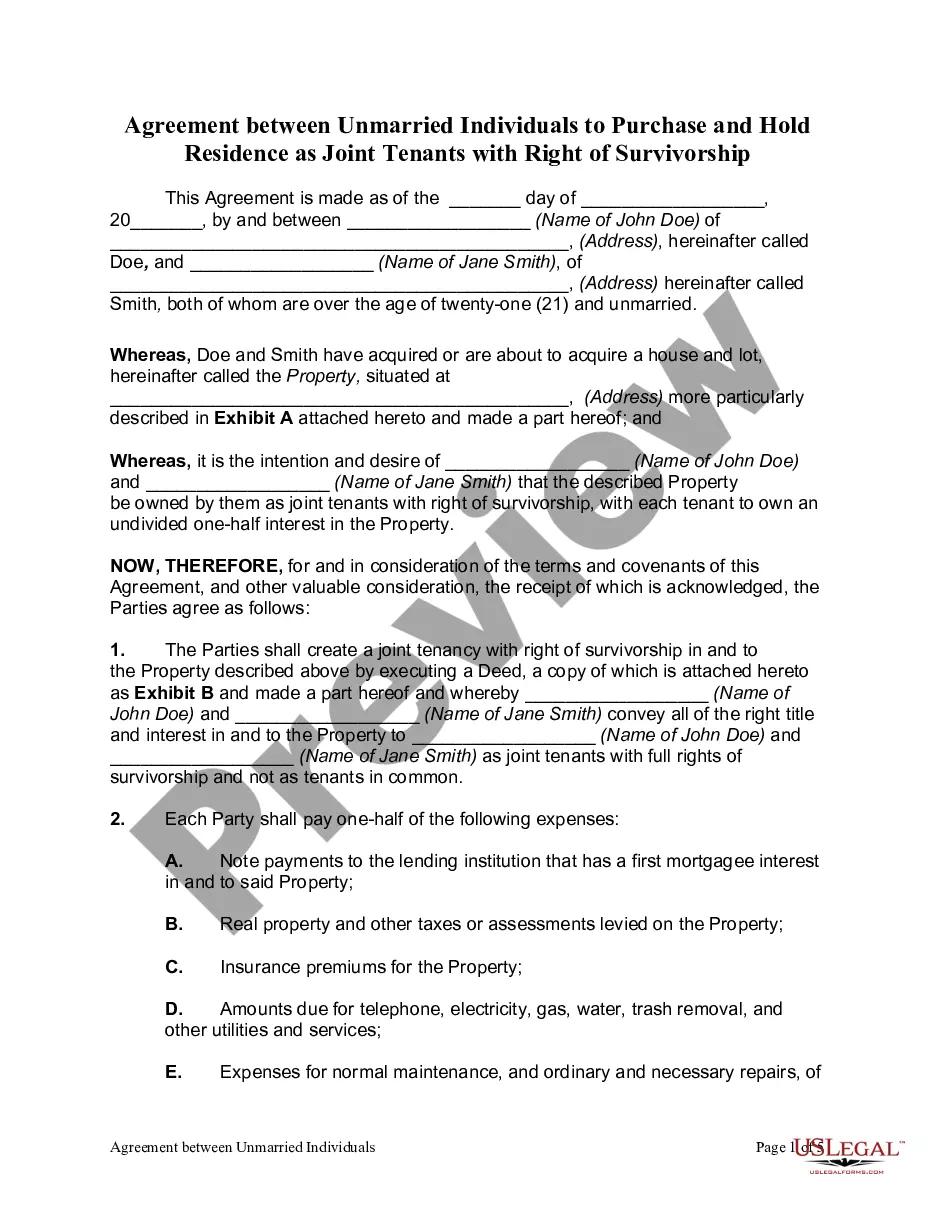
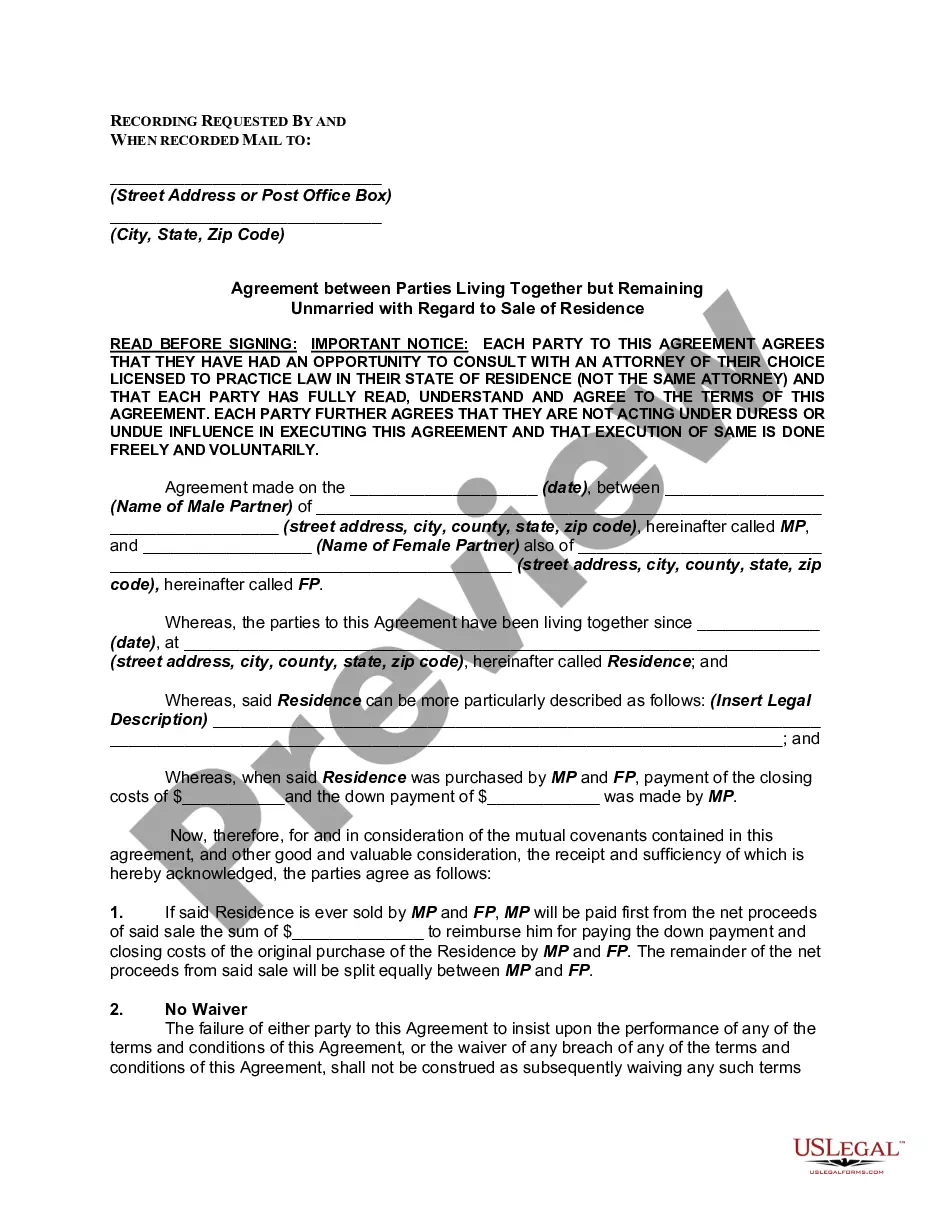
Get your form ready online
Our built-in tools help you complete, sign, share, and store your documents in one place.
Make edits, fill in missing information, and update formatting in US Legal Forms—just like you would in MS Word.
Download a copy, print it, send it by email, or mail it via USPS—whatever works best for your next step.
Sign and collect signatures with our SignNow integration. Send to multiple recipients, set reminders, and more. Go Premium to unlock E-Sign.
If this form requires notarization, complete it online through a secure video call—no need to meet a notary in person or wait for an appointment.
We protect your documents and personal data by following strict security and privacy standards.

Make edits, fill in missing information, and update formatting in US Legal Forms—just like you would in MS Word.

Download a copy, print it, send it by email, or mail it via USPS—whatever works best for your next step.

Sign and collect signatures with our SignNow integration. Send to multiple recipients, set reminders, and more. Go Premium to unlock E-Sign.

If this form requires notarization, complete it online through a secure video call—no need to meet a notary in person or wait for an appointment.

We protect your documents and personal data by following strict security and privacy standards.
Looking for another form?

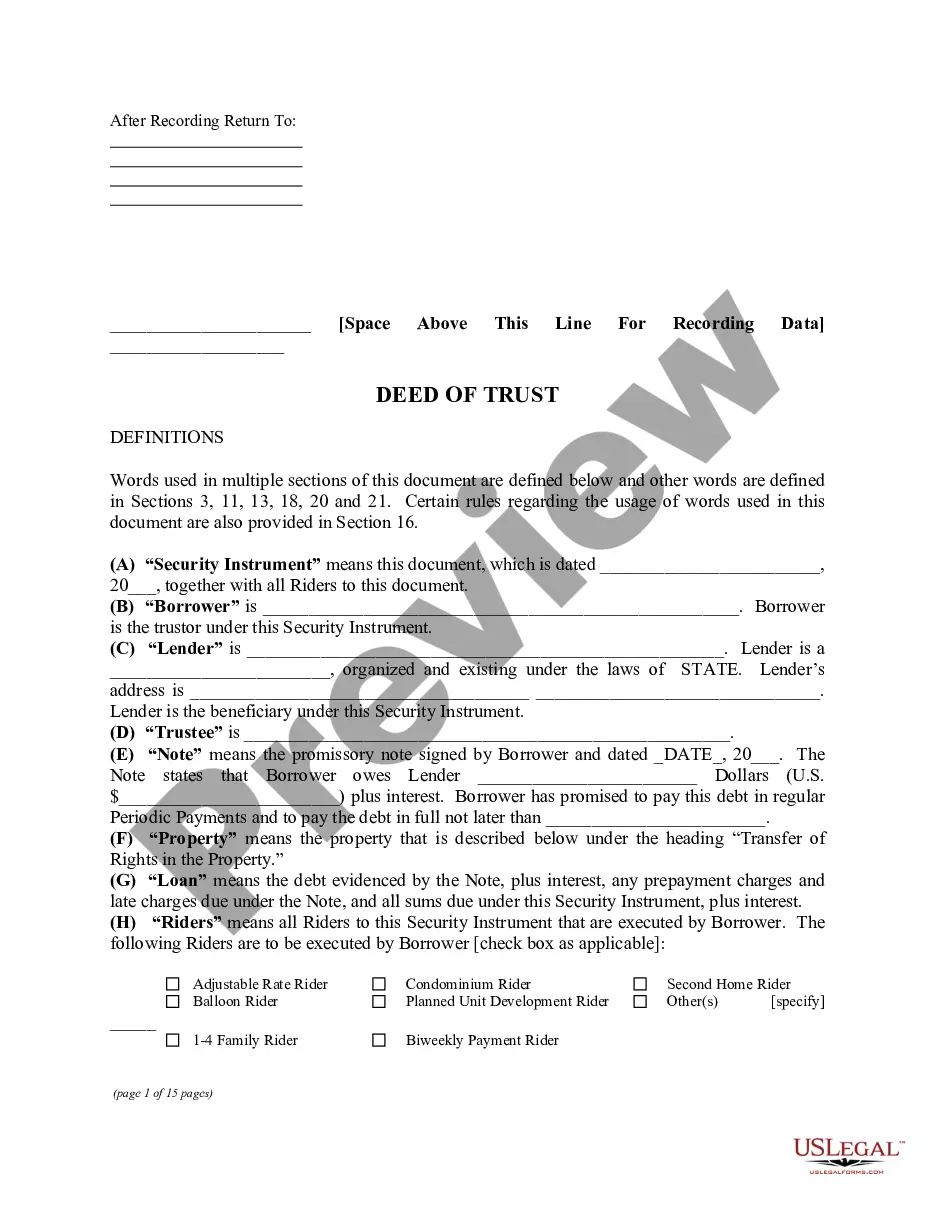




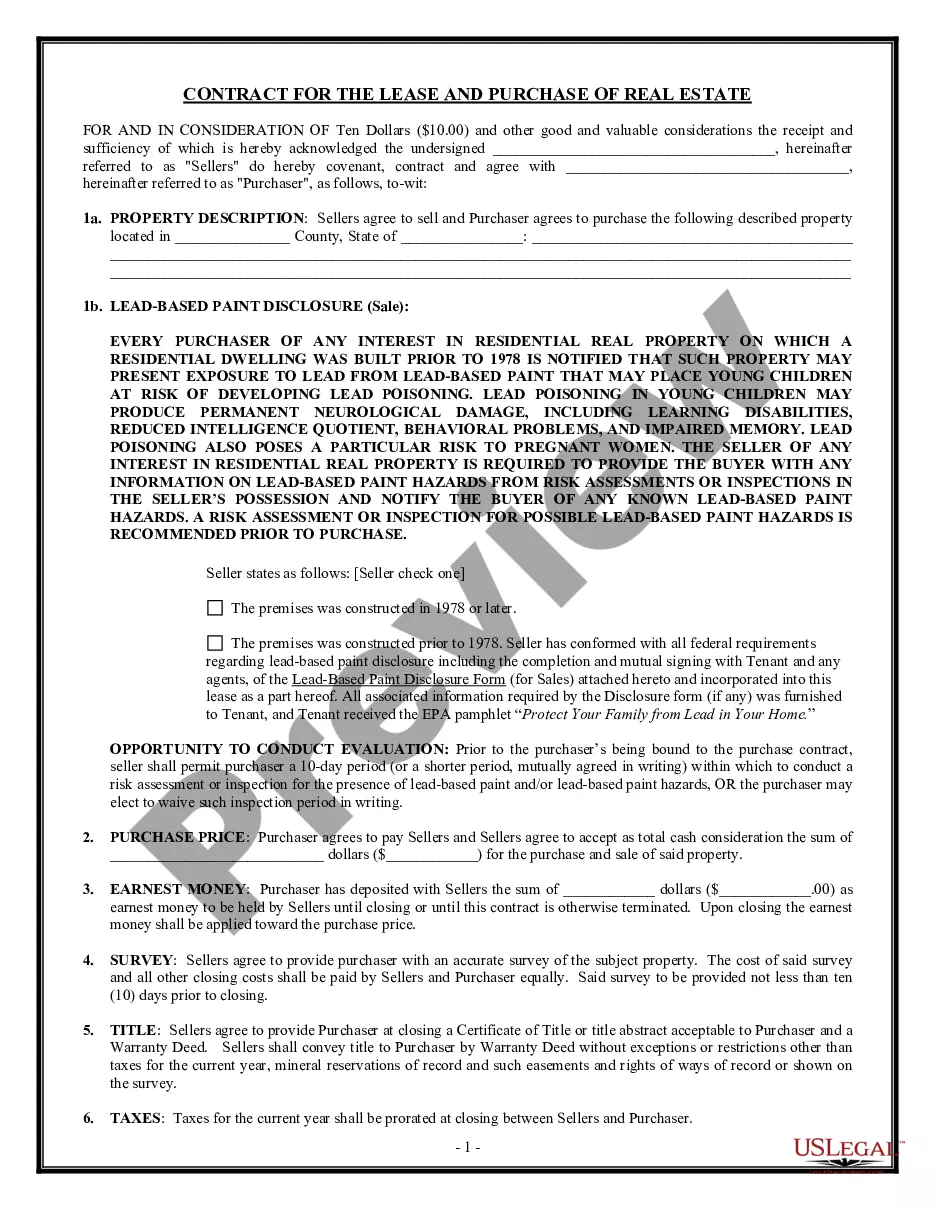


Form popularity
FAQ
To sum up: Joint tenants must receive their property interest simultaneously and from the same source with an equal share and equal rights to possess the entire property. By contrast, tenants in common can receive their interest at different times and from disparate legal sources and don't have to possess equal shares.
Joint assets held as tenants in common do not avoid probate under Florida law when one of the joint owners dies. Assets subject to Florida law that are held jointly but not with full rights of survivorship and not as tenants by the entirety may be considered held as tenants in common.
A joint tenancy in Florida has all the features of the tenancy in common except that all the joint tenants must have the same equal percentage of interest in the real property. The joint tenancy also does not avoid Florida probate.
Because joint tenancy provides the right of survivorship, it is sometimes referred to as “joint tenancy with right of survivorship” and abbreviated JTWROS. By contrast, there is no right of survivorship in a tenancy in common, which means property ownership doesn't automatically pass to the surviving owners.
Like joint tenancy property, each spouse's interest in community property is equal during their marriage. Unlike joint tenancy, however, each spouse's one-half community property interest is subject to disposition by the deceased spouse's will.
Unity of ownership-- Whereas tenants in common hold separate title to their individual interests, joint tenants together hold a single title to the property.
In a joint tenancy, a right of survivorship exists. This means that if one of the joint tenants dies, the property will automatically pass to the surviving joint tenant. On the other hand, tenants in common mean that two or more people co-own a property in defined shares that they can dispose of as they wish.
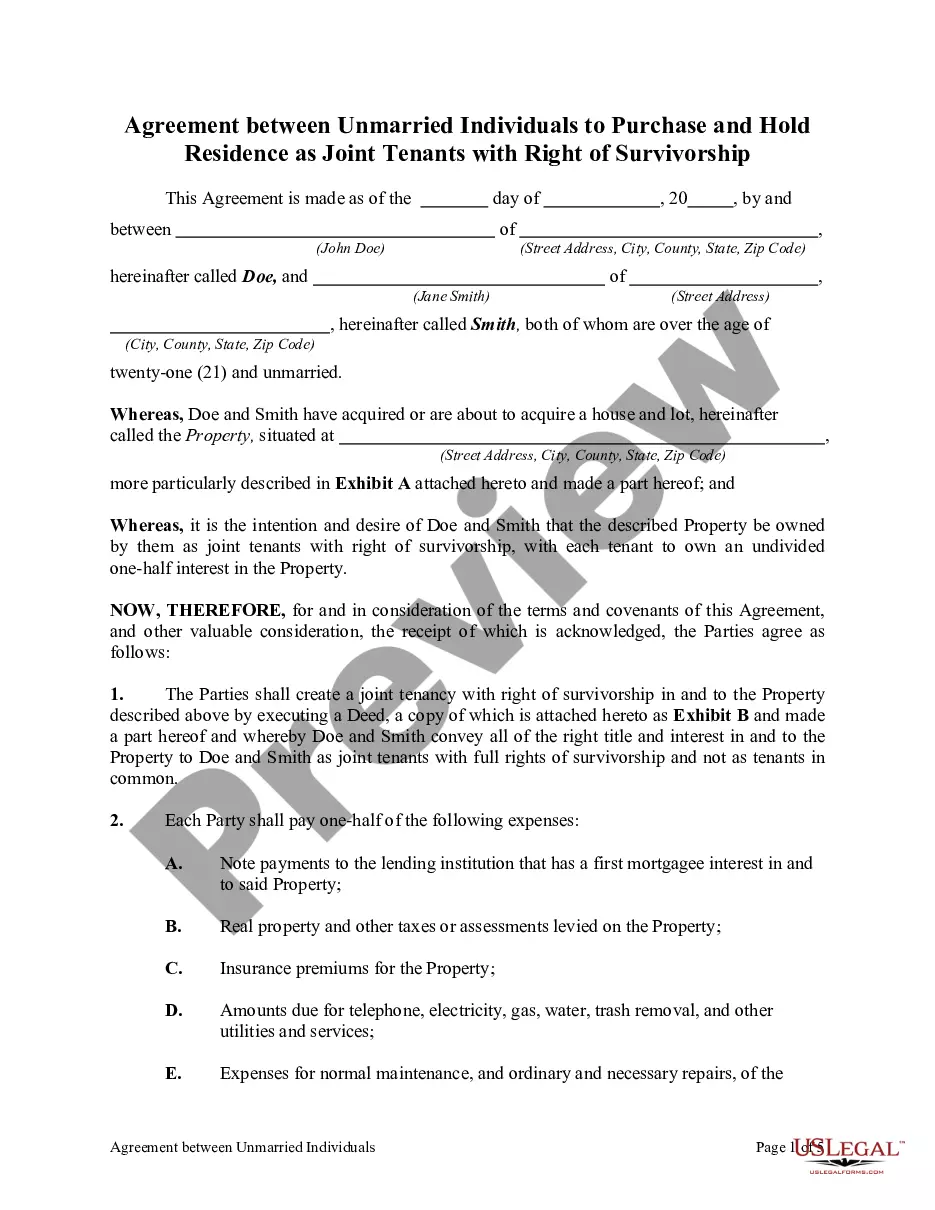
To legally create JTWRS in the state of Florida, the right of survivorship must be expressly stated in the instrument creating the joint tenancy (typically a deed). In ance with § 689.15, Fla.
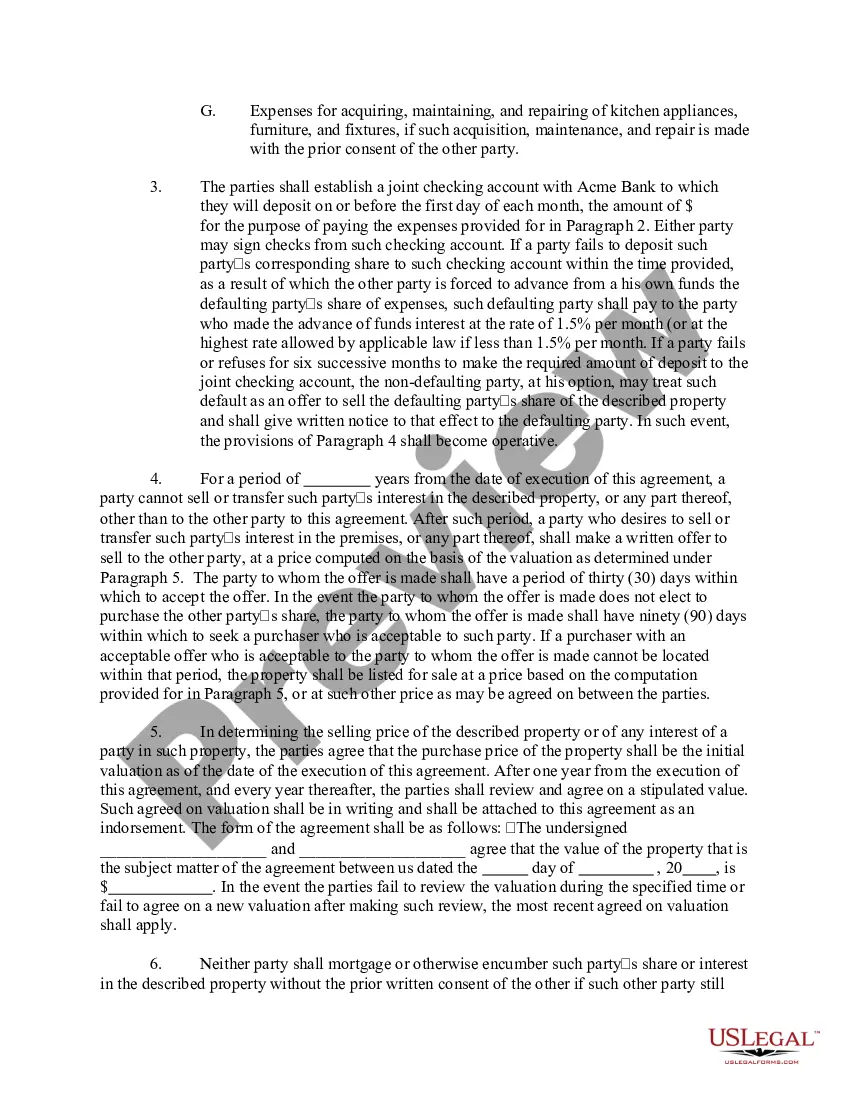
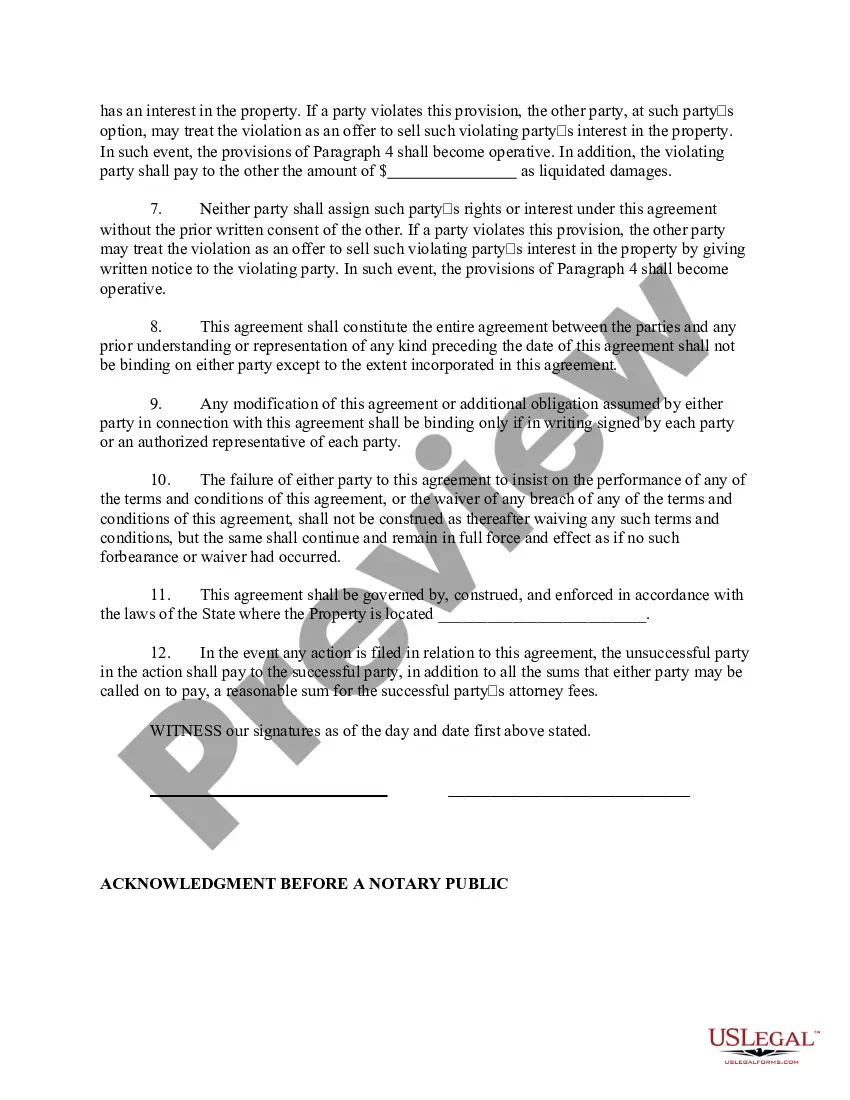
In most cases, you'll enter what's called a joint tenants with right of survivorship agreement. Known by its acronym, JTWROS, this agreement spells out the legal rights of all owners of a property and outlines what happens if one of the owners dies or wants to sell the home.
(1) “TEN COM” means tenants in common. (2) “TEN ENT” means tenants by the entireties. (3) “JT TEN” or “JT” means joint tenants with the right of survivorship and not as tenants in common.