Joint Tenants Force Sale In Allegheny
Description

Get your form ready online
Our built-in tools help you complete, sign, share, and store your documents in one place.
Make edits, fill in missing information, and update formatting in US Legal Forms—just like you would in MS Word.
Download a copy, print it, send it by email, or mail it via USPS—whatever works best for your next step.
Sign and collect signatures with our SignNow integration. Send to multiple recipients, set reminders, and more. Go Premium to unlock E-Sign.
If this form requires notarization, complete it online through a secure video call—no need to meet a notary in person or wait for an appointment.
We protect your documents and personal data by following strict security and privacy standards.

Make edits, fill in missing information, and update formatting in US Legal Forms—just like you would in MS Word.

Download a copy, print it, send it by email, or mail it via USPS—whatever works best for your next step.

Sign and collect signatures with our SignNow integration. Send to multiple recipients, set reminders, and more. Go Premium to unlock E-Sign.

If this form requires notarization, complete it online through a secure video call—no need to meet a notary in person or wait for an appointment.

We protect your documents and personal data by following strict security and privacy standards.
Looking for another form?



Form popularity
FAQ
In the case of joint owners, each owner generally has the right to lease out property that is jointly owned. This means that one owner can enter into a lease agreement with a tenant without the permission of the other co-owner(s).
Can One Owner Sell a Jointly Owned Property? Generally, one co-owner cannot sell the entire property without the consent of the others. However, in a tenancy in common, a party may sell their interest without seeking consent from the others.
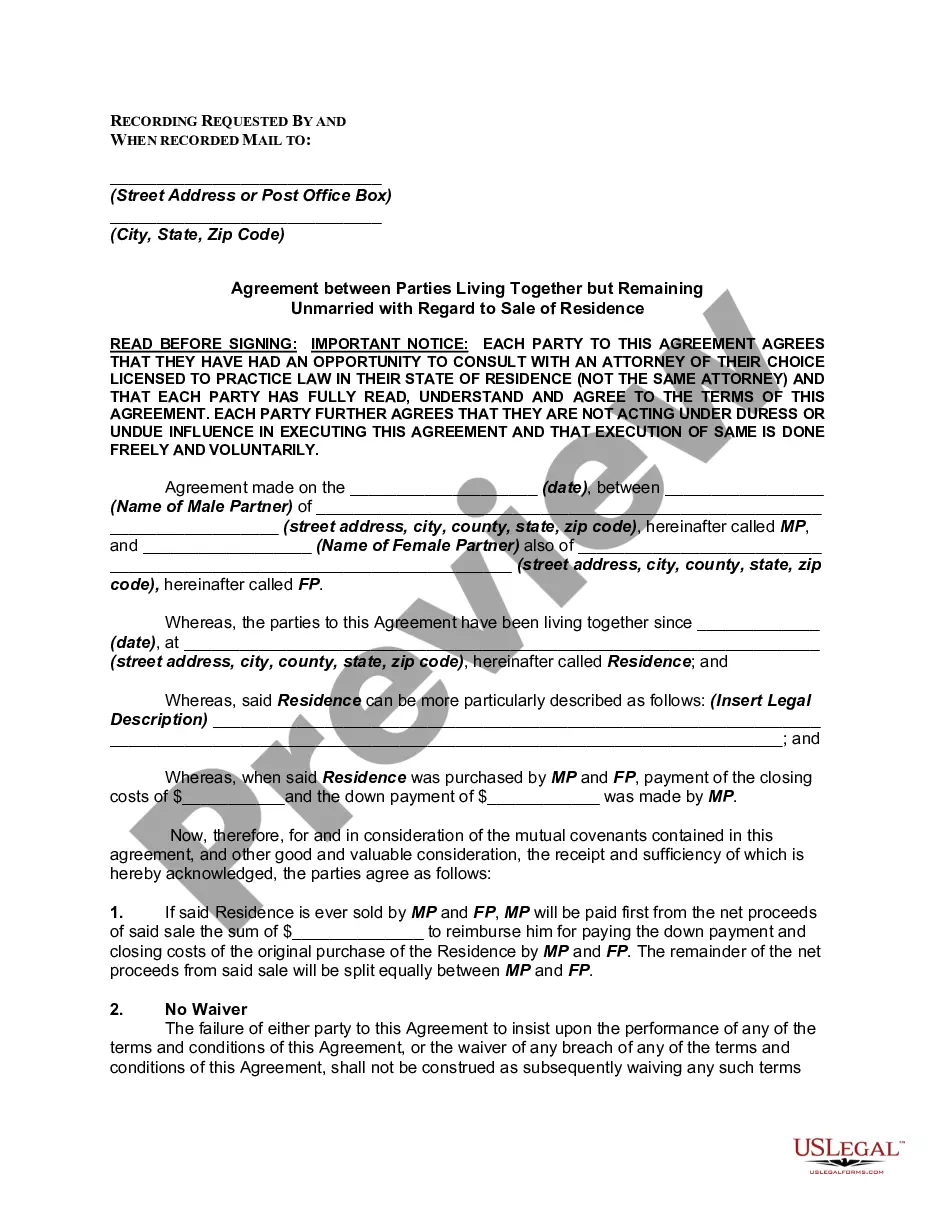
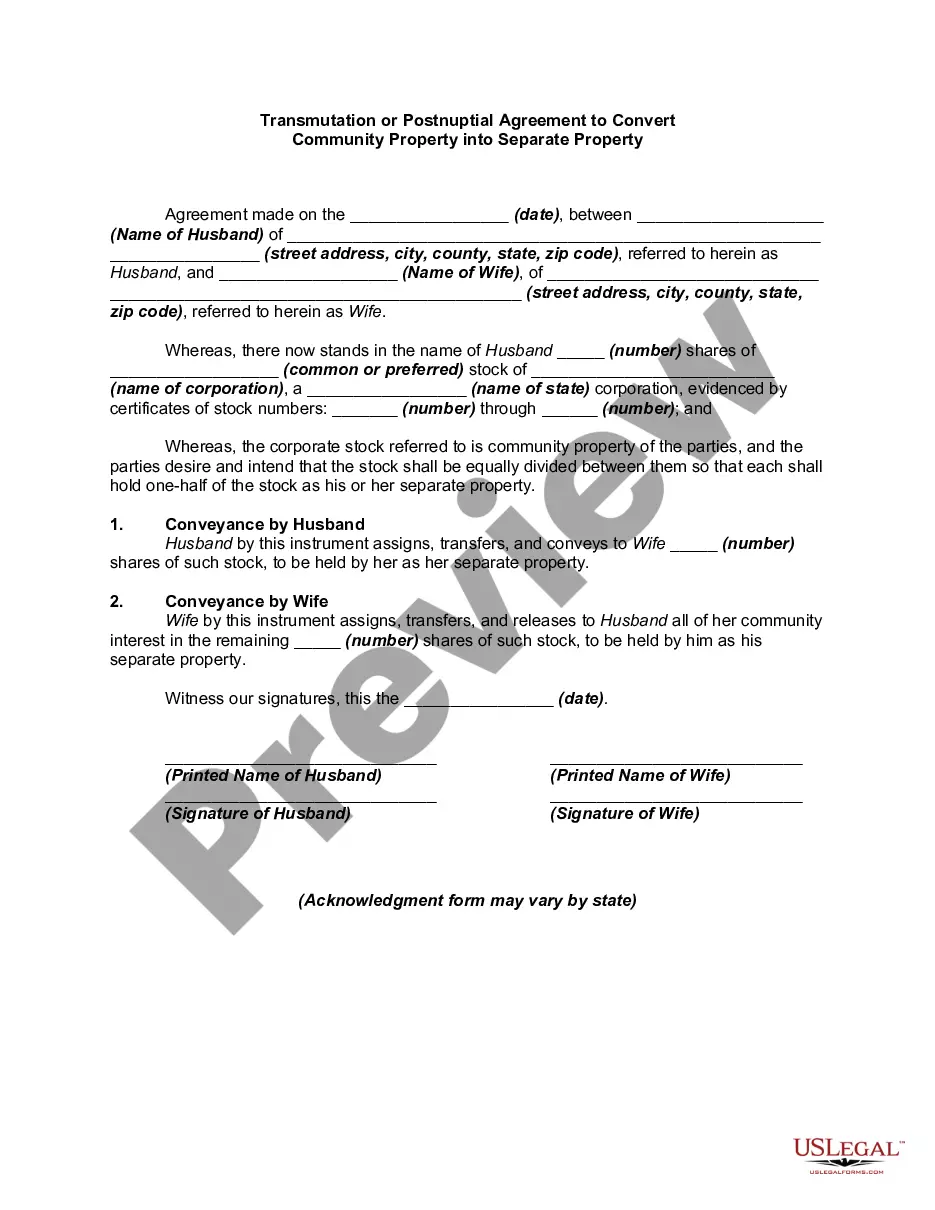
If one owner wants to sell a jointly owned property but the other owner(s) refuse, the party seeking to sell can file a partition action. This legal procedure allows a court to intervene and force the sale of the property, dividing the proceeds among the owners ing to their ownership interests.
If one owner wants to sell a jointly owned property but the other owner(s) refuse, the party seeking to sell can file a partition action. This legal procedure allows a court to intervene and force the sale of the property, dividing the proceeds among the owners ing to their ownership interests.
In short, to force the sale of jointly owned property, you must first confirm title, then attempt a voluntary sale or buyout, file and serve a partition lawsuit, get an appraisal, sell the property, and finally divide the sale proceeds fairly.
The Consent Requirement for Selling Property With Texas being a community property state, both spouses' signatures are more than just a formality; they're a legal necessity. Attempting to sell property without consent can have serious legal implications.
The actual time it takes from when a partition case is filed to when the land is partitioned physically, by sale, or by set-off varies from case to case. In general, partition cases can take several months or even years to resolve.
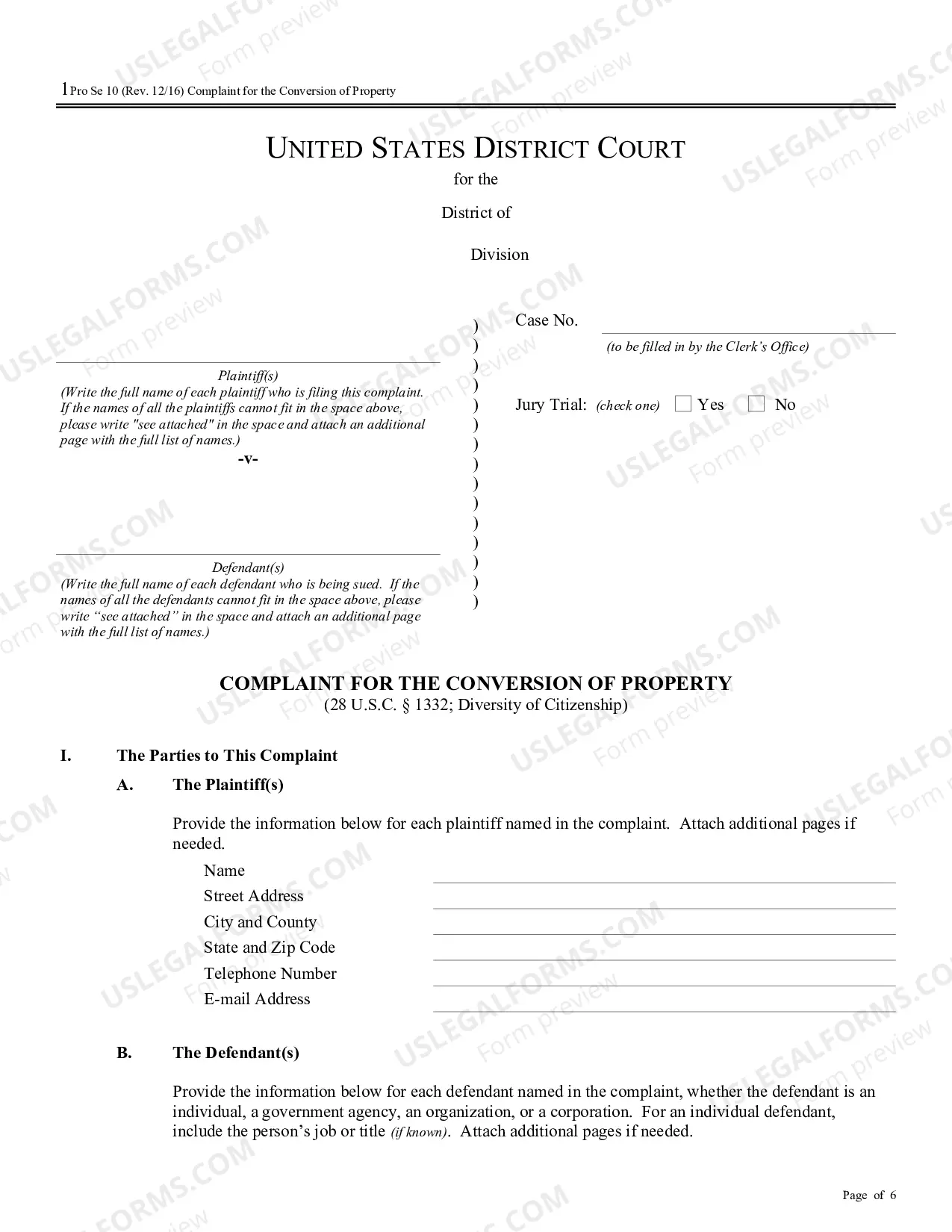
A partition action is a lawsuit in which a court determines whether a property with two or more owners is to be partitioned or sold. When two or more owners cannot agree on the disposition of the property in question, any of the owners can file a partition action in the appropriate court.
In short, to force the sale of jointly owned property, you must first confirm title, then attempt a voluntary sale or buyout, file and serve a partition lawsuit, get an appraisal, sell the property, and finally divide the sale proceeds fairly.
To initiate a partition action in Pennsylvania, a co-owner must file a partition complaint at the Court of Common Pleas. The Complaint will set forth the property description, the names and addresses of the co-owners, and their interest in the property.