Noise Complaint For Neighbors
Description

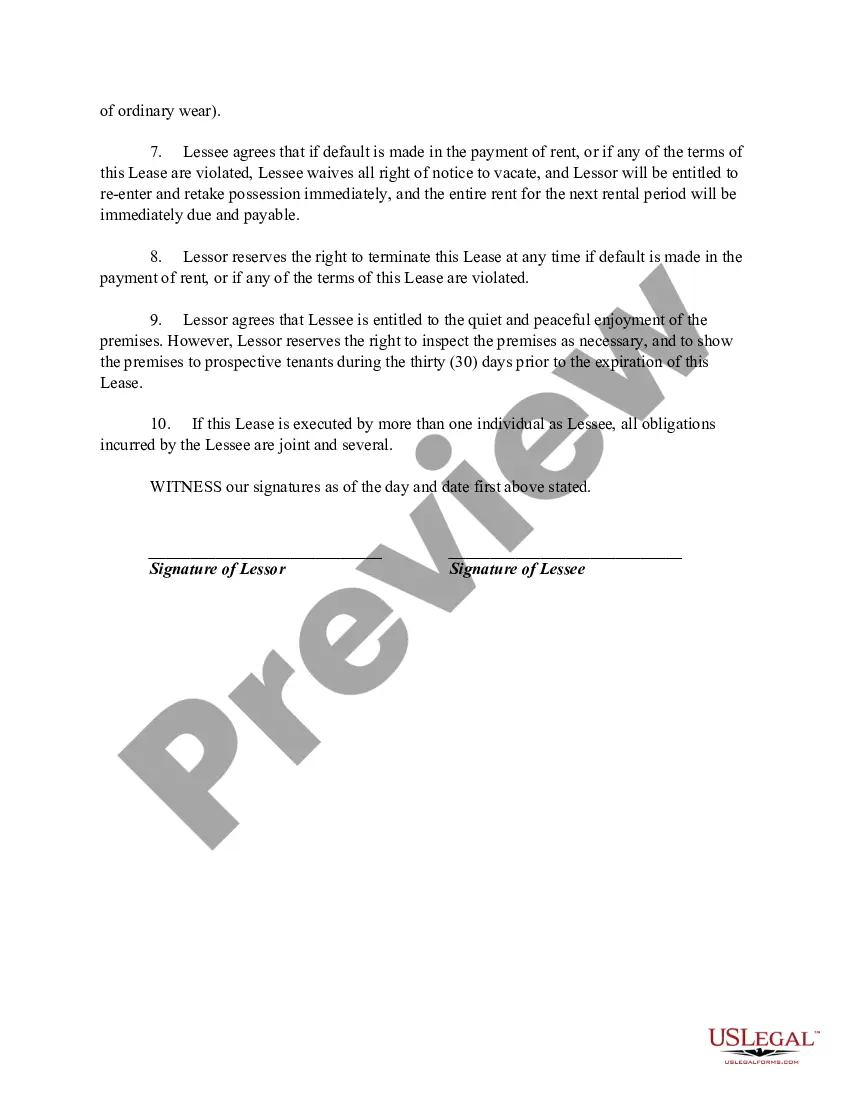
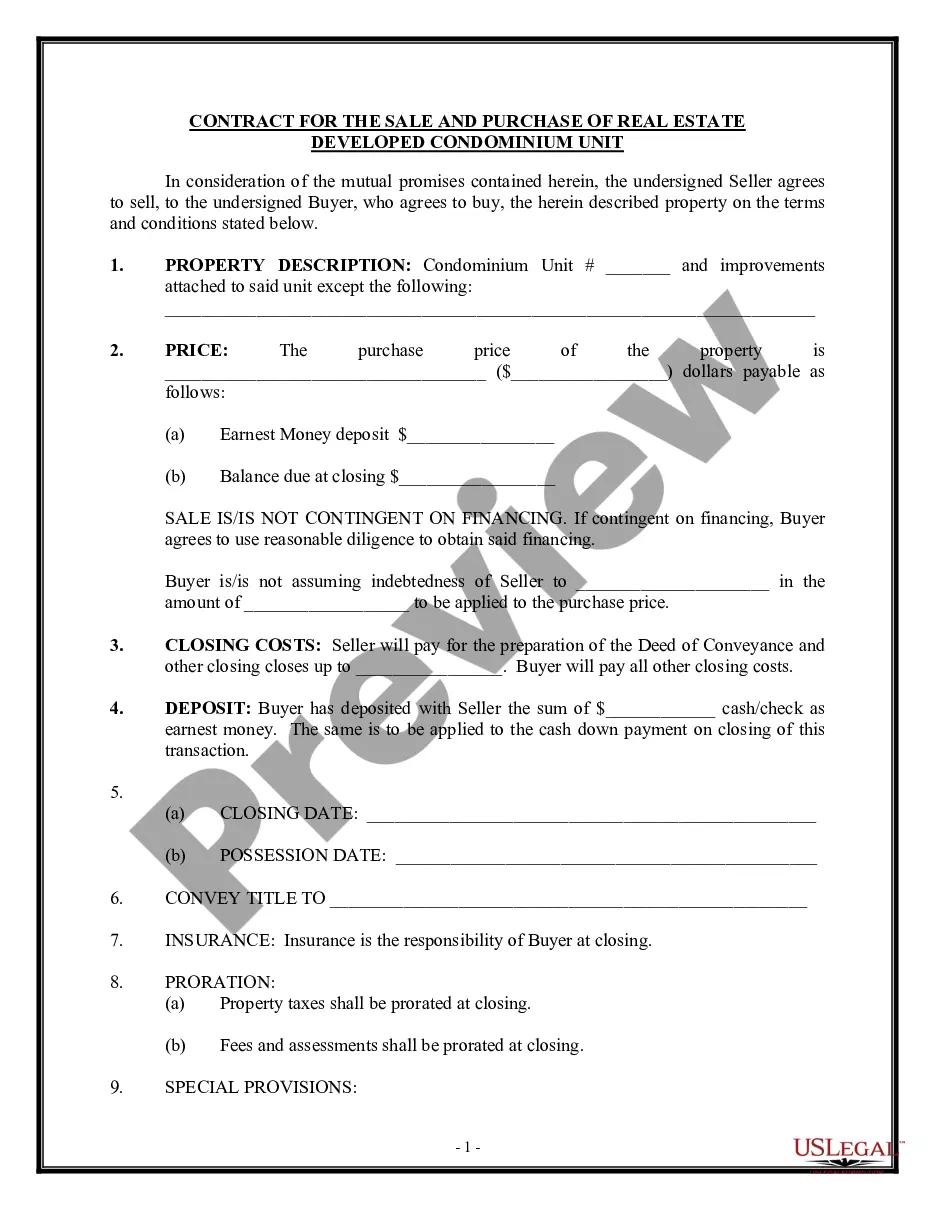
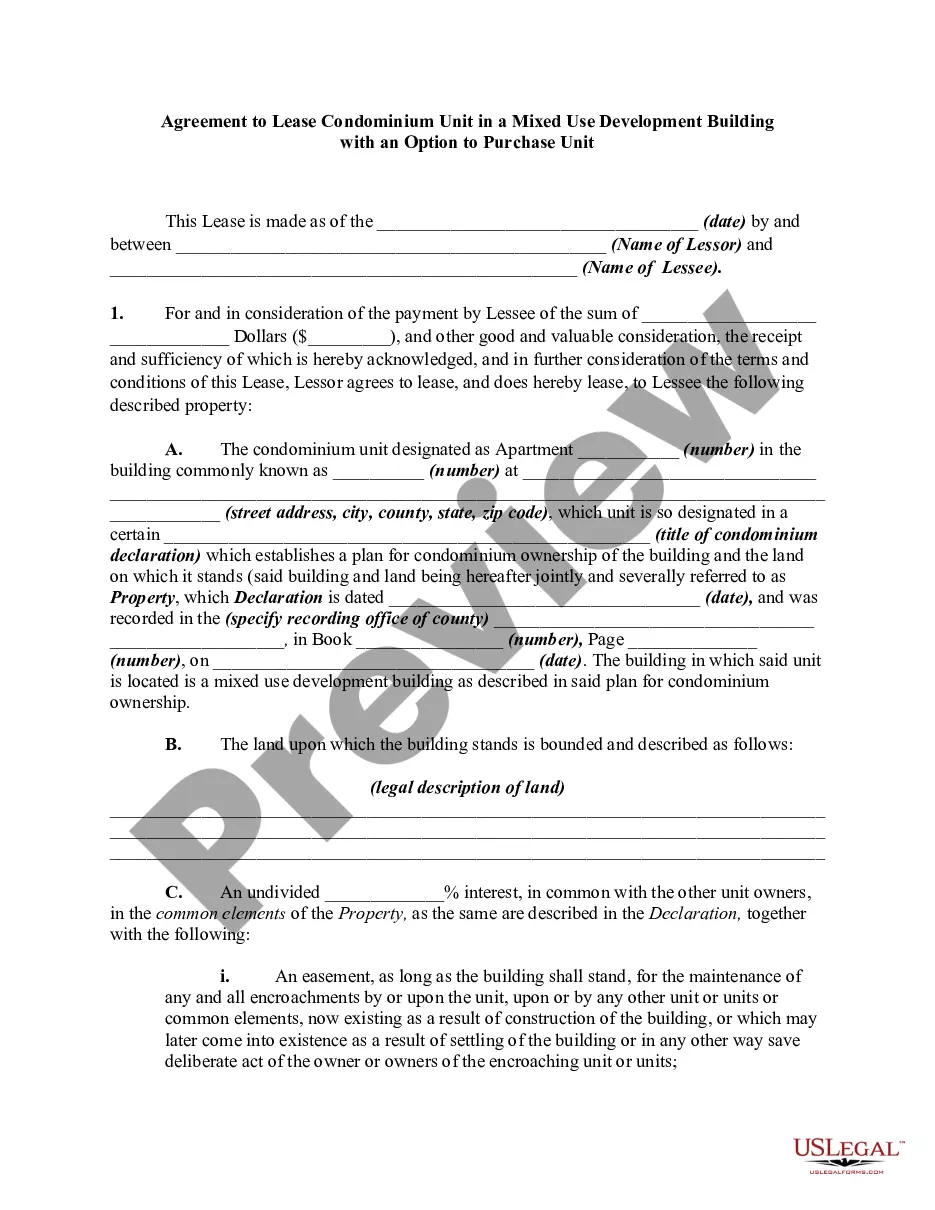
Get your form ready online
Our built-in tools help you complete, sign, share, and store your documents in one place.
Make edits, fill in missing information, and update formatting in US Legal Forms—just like you would in MS Word.
Download a copy, print it, send it by email, or mail it via USPS—whatever works best for your next step.
Sign and collect signatures with our SignNow integration. Send to multiple recipients, set reminders, and more. Go Premium to unlock E-Sign.
If this form requires notarization, complete it online through a secure video call—no need to meet a notary in person or wait for an appointment.
We protect your documents and personal data by following strict security and privacy standards.

Make edits, fill in missing information, and update formatting in US Legal Forms—just like you would in MS Word.

Download a copy, print it, send it by email, or mail it via USPS—whatever works best for your next step.

Sign and collect signatures with our SignNow integration. Send to multiple recipients, set reminders, and more. Go Premium to unlock E-Sign.

If this form requires notarization, complete it online through a secure video call—no need to meet a notary in person or wait for an appointment.

We protect your documents and personal data by following strict security and privacy standards.
Looking for another form?
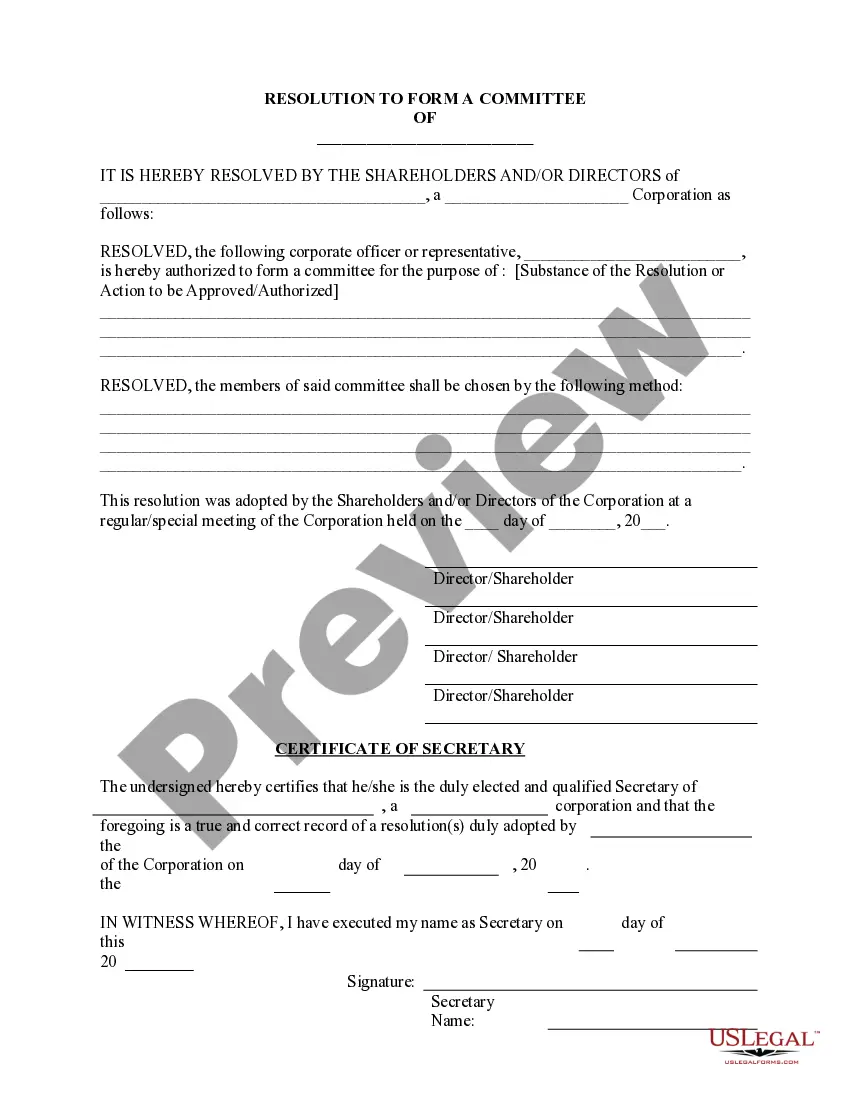




How to fill out Agreement To Lease Condominium Unit - Condo Rental?
- Log in to your US Legal Forms account. If you are a new user, create an account to gain access to the library.
- Search for 'Noise Complaint for Neighbors' in the search bar. Verify that the template matches your local jurisdiction requirements.
- Select the template and check its details in Preview mode. Make sure it accurately reflects your needs.
- If the form isn't quite right, use the search feature to find an alternative template that suits your situation.
- Click on the Buy Now button to choose a subscription plan that fits your needs. Make sure to register for full access.
- Complete the purchase using your credit card or PayPal account.
- Download the completed form. You can access it anytime in the My Forms section of your account.
In conclusion, using US Legal Forms simplifies the process of addressing noise complaints effectively. With a vast collection of templates and access to expert support, you can ensure your form is both accurate and legally sound.
Don't wait any longer; visit US Legal Forms today and take the first step in resolving your noise issues!
Form popularity
FAQ
If your neighbors are consistently too noisy, start by documenting the disturbances carefully. A calm approach, like a friendly discussion, often works wonders. If that doesn’t help, consider filing a noise complaint for neighbors with local authorities. Additionally, platforms such as US Legal Forms provide resources and templates to assist you in handling the situation legally and efficiently.
When you need to address a noise complaint for neighbors, begin with a friendly conversation. Express how the noise affects you without placing blame, as this can foster understanding. If the noise persists, follow up with a written complaint, including details about the disturbances. You might also want to involve local authorities or property management if the issue remains unresolved.
Quiet hours typically start in the late evening and extend to the early morning, often from 10 PM to 7 AM, but this can vary by jurisdiction. During these times, residents should refrain from creating excessive noise that could disturb their neighbors. Knowing these regulations will assist you in substantiating a noise complaint for neighbors. Checking your local noise ordinances can provide additional clarity on this matter.
In Missouri, noise laws vary by city but generally prohibit noises that disrupt the peace. Many local municipalities have specific decibel levels that should not be exceeded during certain hours. Understanding these laws can assist you in filing a noise complaint for neighbors effectively. If needed, platforms like US Legal Forms can help you find the right resources to navigate these regulations.
Recording noisy neighbors can strengthen your noise complaint for neighbors. Use a sound recording app on your smartphone to capture the disturbances, noting the date and time for reference. Be sure to check local laws regarding recording conversations or sounds to ensure you’re compliant. Documenting the noise helps in presenting a solid case if you choose to escalate the complaint.
To address a noise complaint for neighbors effectively, start by having a polite conversation. Often, people are unaware of how loud their activities are. If the noise continues, you might consider documenting the disturbances and involve your building management or local authorities. Exploring community mediation services can also help in resolving the issue amicably.
In Pennsylvania, noise laws vary by municipality, but generally, these laws aim to address excessive or disruptive noise that affects neighbors. A typical noise complaint for neighbors can stem from loud music, barking dogs, or construction sounds during designated quiet hours. Many towns enforce ordinances that set specific noise levels, often measured in decibels, to maintain peace and order. If you're facing a noise complaint for neighbors, you may want to document instances of excessive noise and consider using resources like US Legal Forms to file a formal complaint or seek mediation.
Dealing with noisy neighbors can be challenging, but staying calm is key. Start by having a friendly conversation with them; often, they may not be aware of how loud they are. If chatting doesn't help, record the disturbances to document your noise complaint for neighbors. Platforms like US Legal Forms provide templates to help formalize your concerns if needed.
Addressing noisy neighbors requires a thoughtful approach. First, try to communicate openly with them; they might not realize their noise is bothering you. If the situation doesn’t improve, consider a formal noise complaint for neighbors through your local authorities or homeowner association. Utilizing platforms like US Legal Forms can guide you in filing the necessary paperwork easily.
A noise is typically considered a nuisance when it interferes with your ability to enjoy your home. Factors like volume, duration, and frequency of the sound matter. For instance, loud music, dog barking, or machinery running during late hours can all qualify as a noise complaint for neighbors. It’s important to understand local laws regarding noise levels, as they can vary.