Notary Application Form California In Wayne
Description

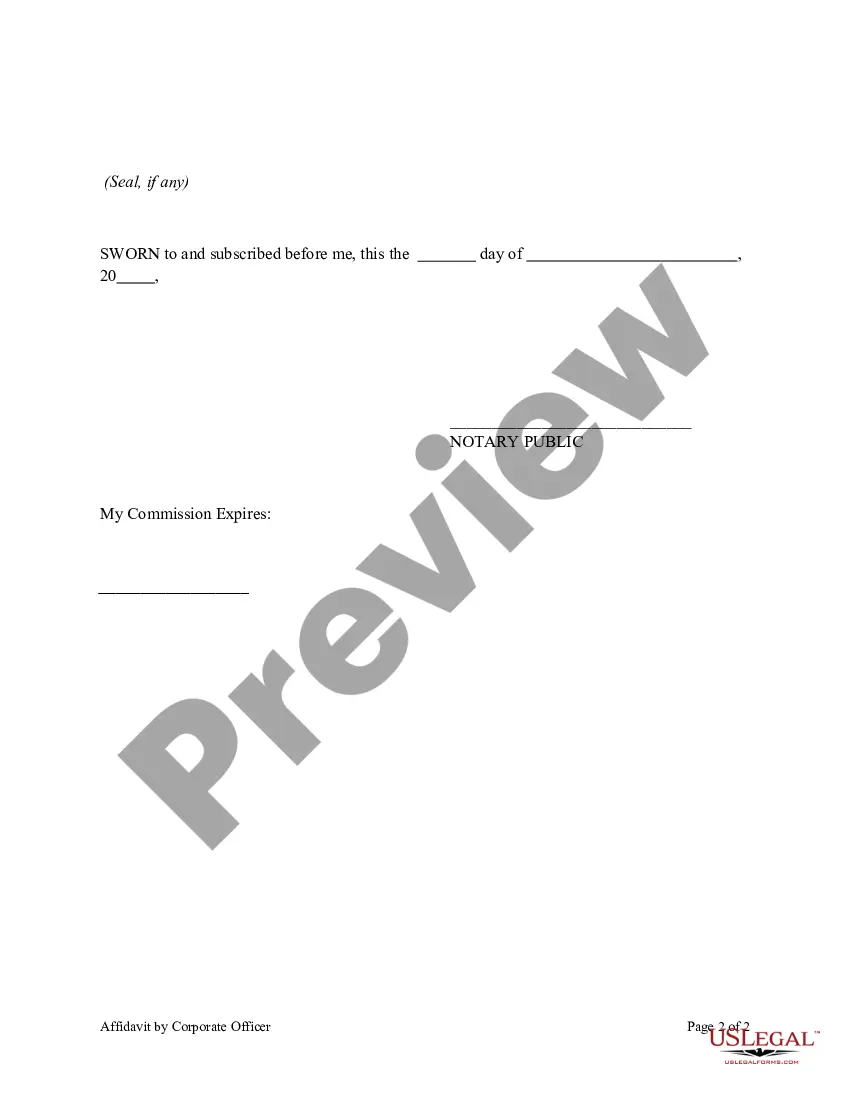
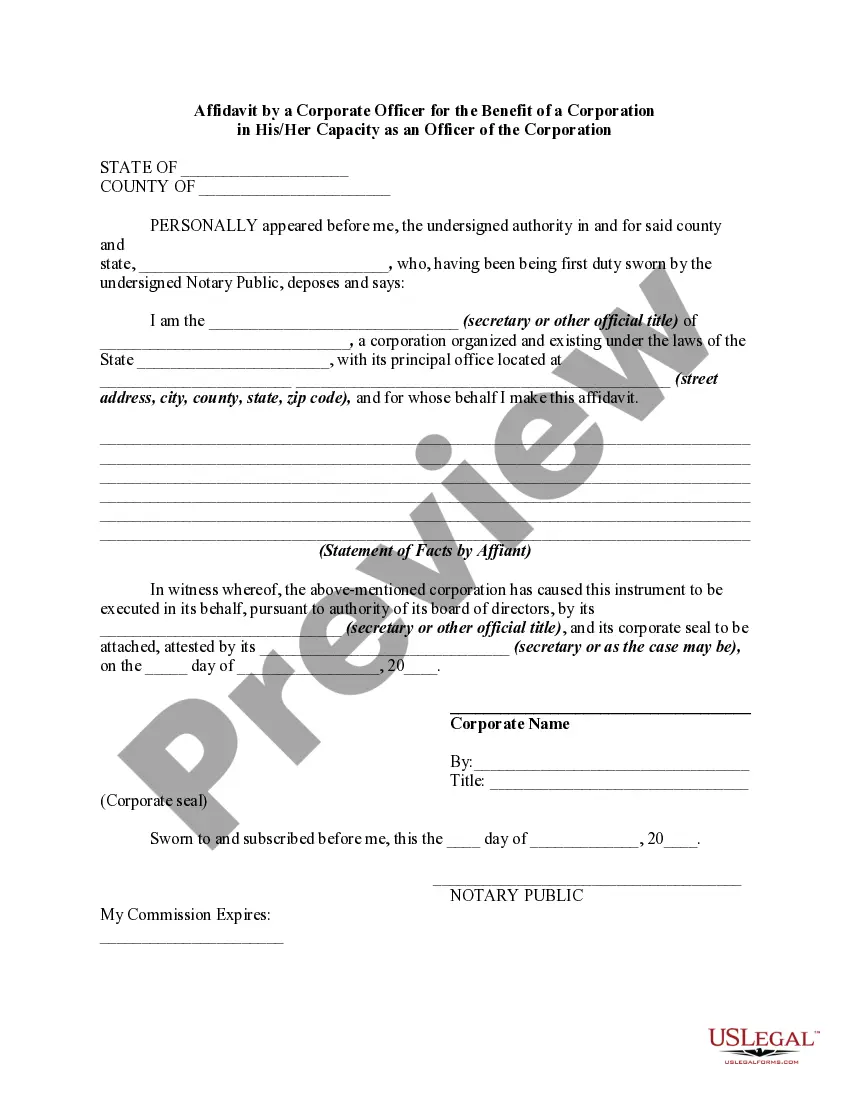
Get your form ready online
Our built-in tools help you complete, sign, share, and store your documents in one place.
Make edits, fill in missing information, and update formatting in US Legal Forms—just like you would in MS Word.
Download a copy, print it, send it by email, or mail it via USPS—whatever works best for your next step.
Sign and collect signatures with our SignNow integration. Send to multiple recipients, set reminders, and more. Go Premium to unlock E-Sign.
If this form requires notarization, complete it online through a secure video call—no need to meet a notary in person or wait for an appointment.
We protect your documents and personal data by following strict security and privacy standards.

Make edits, fill in missing information, and update formatting in US Legal Forms—just like you would in MS Word.

Download a copy, print it, send it by email, or mail it via USPS—whatever works best for your next step.

Sign and collect signatures with our SignNow integration. Send to multiple recipients, set reminders, and more. Go Premium to unlock E-Sign.

If this form requires notarization, complete it online through a secure video call—no need to meet a notary in person or wait for an appointment.

We protect your documents and personal data by following strict security and privacy standards.
Looking for another form?
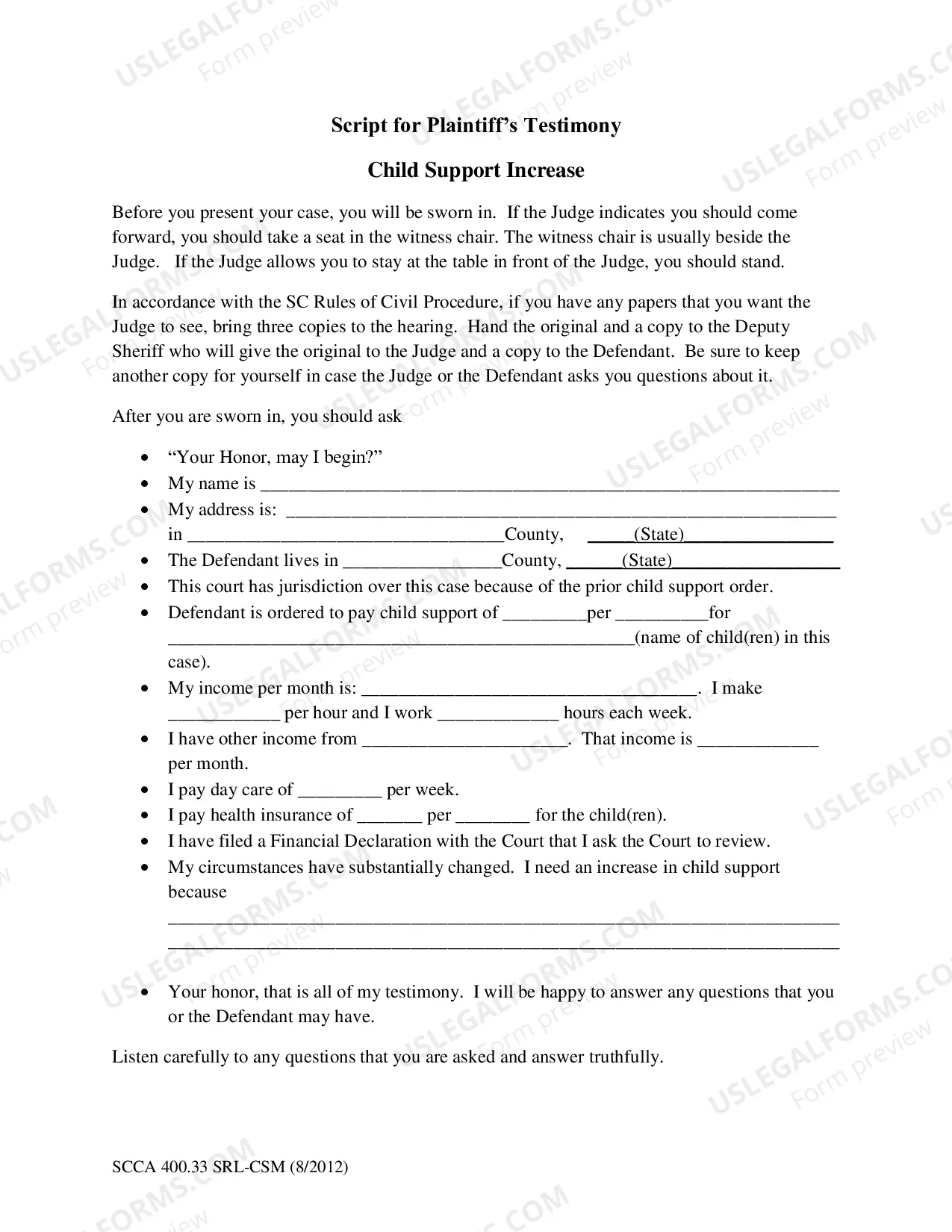
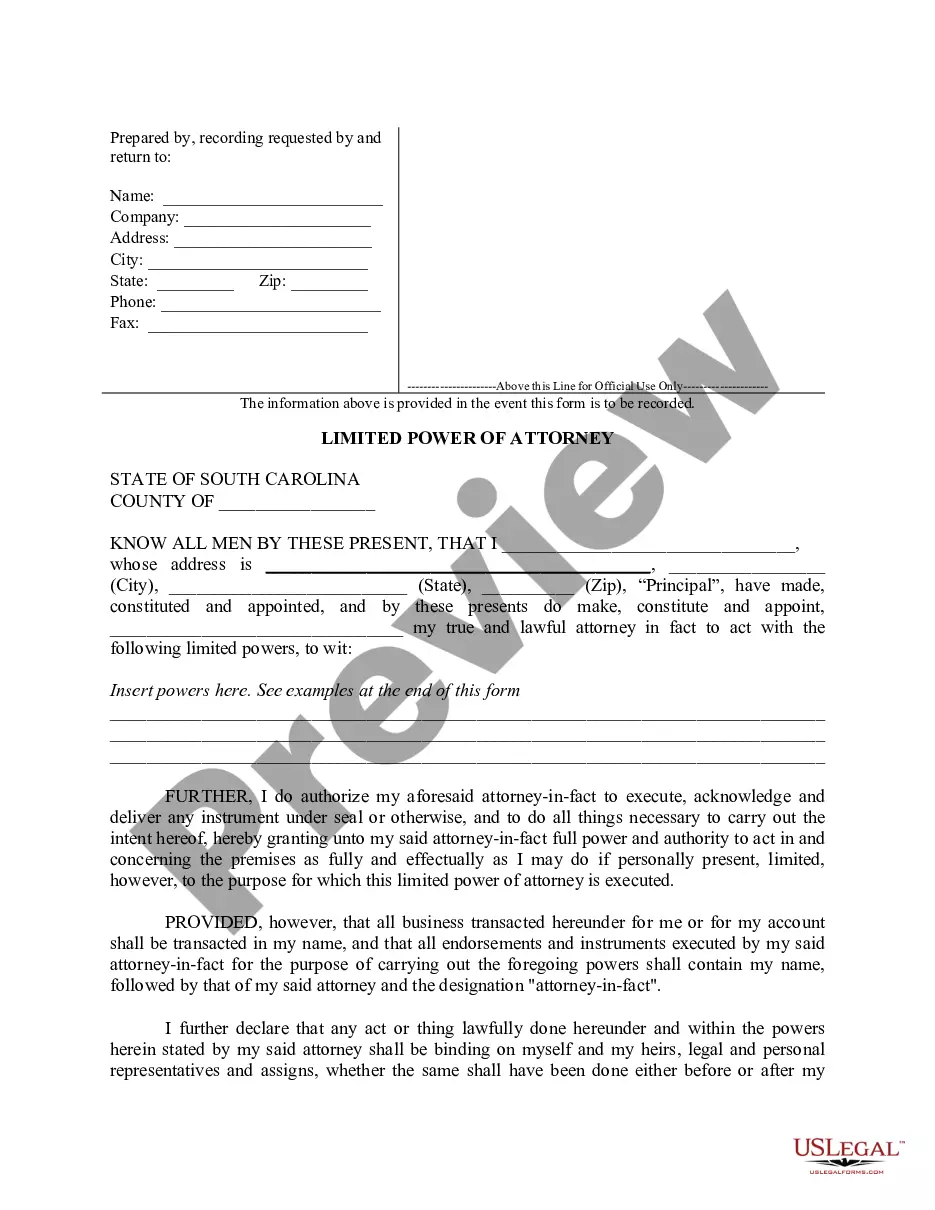
Form popularity
FAQ
Acknowledgement and jurat certificates are the two most common notarial acts, yet, for many signers, there is confusion about the difference between these forms. Some notaries even find it difficult to remember which procedures apply to which certificate.
Here are the top twelve most common errors made by notaries: Making an Illegible Notary Stamp Impression. Improper Storage of Your Notary Stamp and Journal. Not Determining the Signer's Competency and Willingness to Sign. Notarizing for Close Relatives. Failing to Remain Properly Trained.
One of the most common mistakes that notaries make is not printing or signing their name exactly as it appears on their notary commission.
In order to complete an online notarization in California, you'll need the following: An original, unsigned document (Don't sign it before uploading! ... A computer, iPhone, or Android phone with audio and video capabilities. A valid government–issued photo ID. A U.S. social security number for secure identity verification.
How to Fill Out the California Notary Public Application Your entire social security number or your unique taxpayer identification number. Your birthdate. Your driver's license number. Your full name. Your notary public commission name. The name of your business. The county where your business is located.
The California notary exam is not too difficult, if you are willing to study and memorize all the required skills and rules to be a Notary Public. The notary exam will have 45 multiple-choice questions, and you must answer at least 70% correctly to pass.
A score of 70 or more is required to pass the exam. Exam results will not be discussed over the telephone.
How to prepare for the CA notary exam? Review the Notary Public Handbook. It contains detailed information about laws and regulations that control notary public services in California. Take an online notary course. Practice with sample exam questions. Practice time management. Read the questions carefully.
Requirements to Become a Notary Public be 18 years of age or older (there is no maximum age set by statute) be a legal California resident. complete a course of study approved by the Secretary of State. satisfactorily complete and pass a written examination prescribed by the Secretary of State.
