Covenant Agreement In Tagalog In San Jose
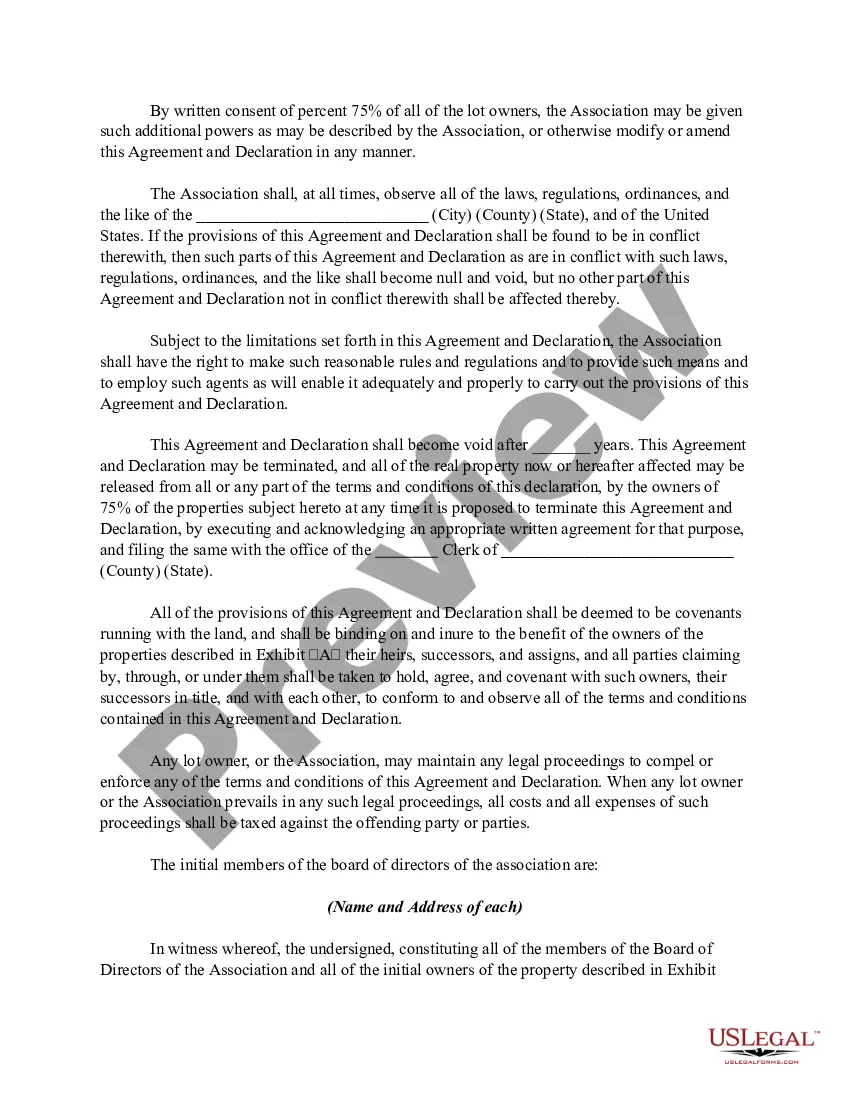
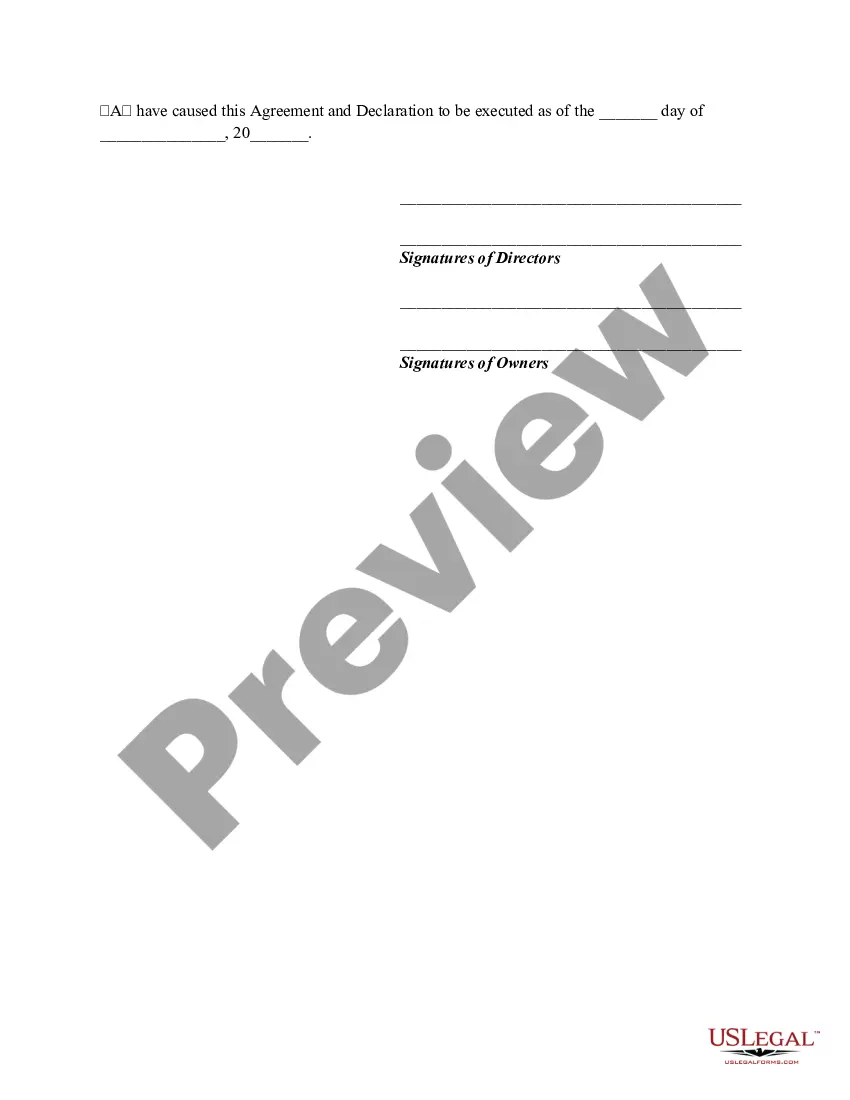
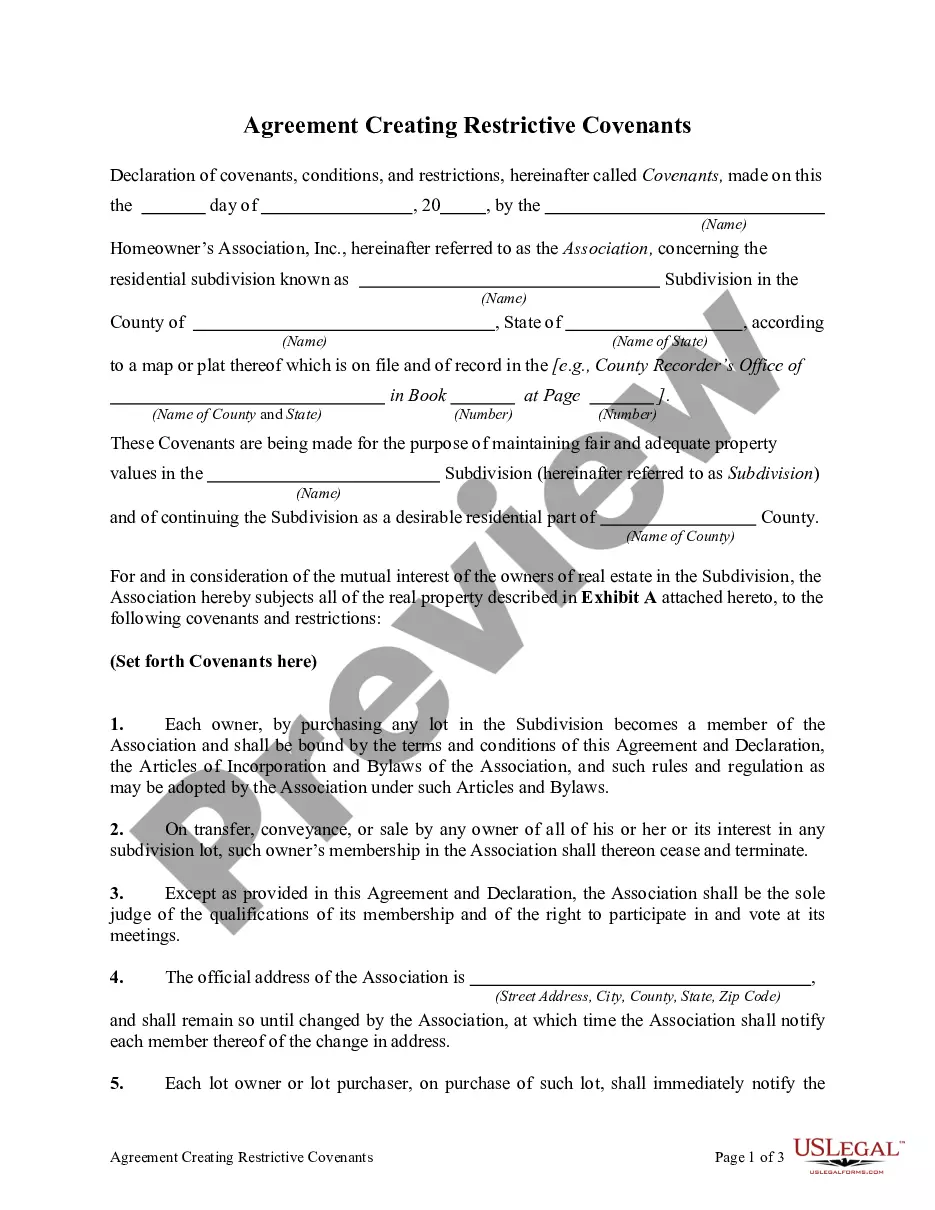
Description

Get your form ready online
Our built-in tools help you complete, sign, share, and store your documents in one place.
Make edits, fill in missing information, and update formatting in US Legal Forms—just like you would in MS Word.
Download a copy, print it, send it by email, or mail it via USPS—whatever works best for your next step.
Sign and collect signatures with our SignNow integration. Send to multiple recipients, set reminders, and more. Go Premium to unlock E-Sign.
If this form requires notarization, complete it online through a secure video call—no need to meet a notary in person or wait for an appointment.
We protect your documents and personal data by following strict security and privacy standards.

Make edits, fill in missing information, and update formatting in US Legal Forms—just like you would in MS Word.

Download a copy, print it, send it by email, or mail it via USPS—whatever works best for your next step.

Sign and collect signatures with our SignNow integration. Send to multiple recipients, set reminders, and more. Go Premium to unlock E-Sign.

If this form requires notarization, complete it online through a secure video call—no need to meet a notary in person or wait for an appointment.

We protect your documents and personal data by following strict security and privacy standards.
Looking for another form?

Form popularity
FAQ
Usually, the association (through the board of directors) can enforce a covenant. A committee of the corporation can sometimes enforce the covenants. For instance, the architectural control committee might be given such authority.
Restrictive covenants are clauses that prevent, prohibit, restrict, or limit the actions of a person or entity named in a contract. Restrictive covenants are common in real estate transactions and apply to everything from the colors you can paint your house to how many tenants can live in a building.
A covenant is a formal agreement or promise , usually included in a contract or deed , to do or not do a particular act.
A contract is an agreement between parties while a covenant is a pledge. A contract is an agreement you can break while a covenant is a perpetual promise. You seal a covenant while you sign a contract. A contract is a mutually beneficial relationship while a covenant is something you fulfill.
Simply put, a covenant within a contract is an agreement that certain activities or things will or won't happen once the contract is signed. You'll often find covenants in financial or property-related contracts, where one party wants a certain guarantee that something will or won't occur.
CAA's Notice of AB 1482 Addendum (Form CA-097) allows you to provide the AB 1482 disclosure effective the date your exemption will expire. This can be useful if the exemption is expected to expire during a tenancy.
A covenant agreement is akin to a contractual agreement between parties. It often outlines terms and conditions where a party will perform a certain action or refrain from performing a certain action. Covenants are legally binding and enforceable.
The key differences between a promise and a covenant are: 1. A promise is a verbal or written agreement to do or not do something, while a covenant is a more formal and binding agreement, compact, or contract between two parties. 2.
A covenant is different than a contract, it's the mutual binding of lives together. Rather than something that protects its own interest from the other, it builds a new thing alongside one another.
A covenant is an agreement, treaty, or contract between two or more parties in which each promises to uphold certain terms. For example, in the Bible, the Mosaic Covenant is established between God and the Israelites.
