Requesting Discovery Form For Personal Injury Courts In Maricopa
Description
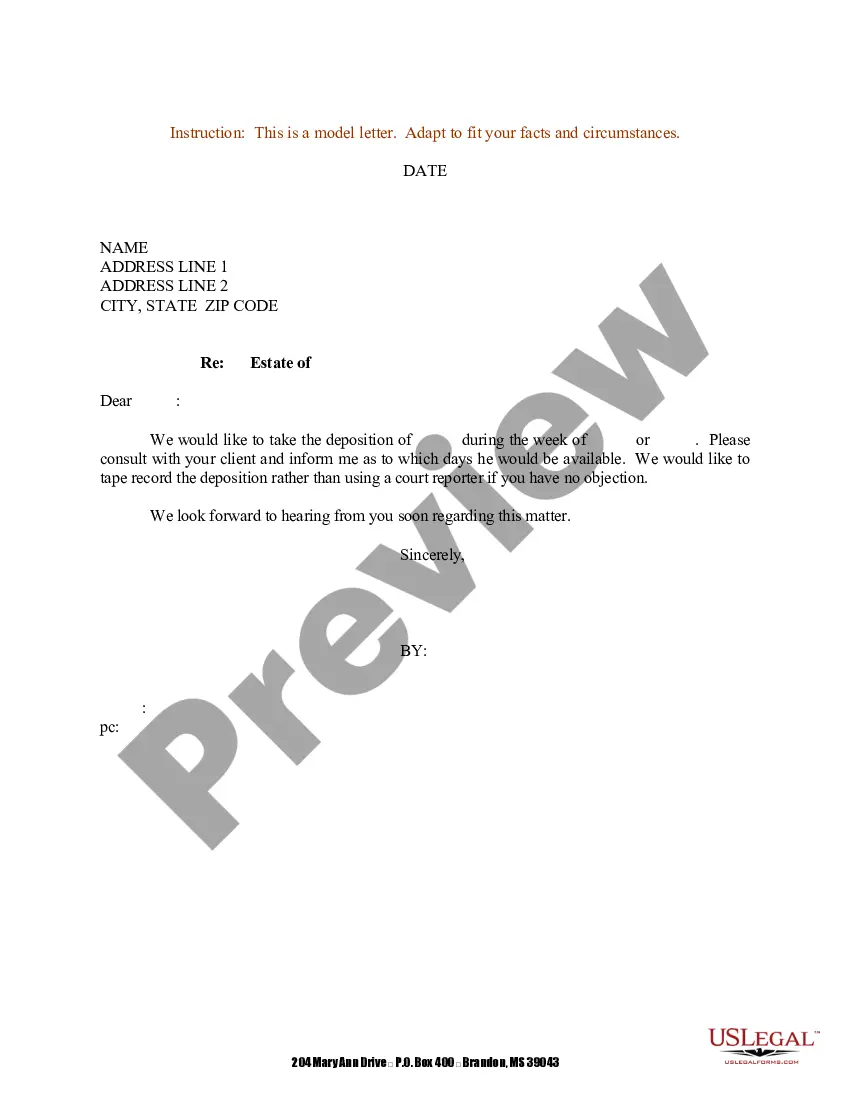
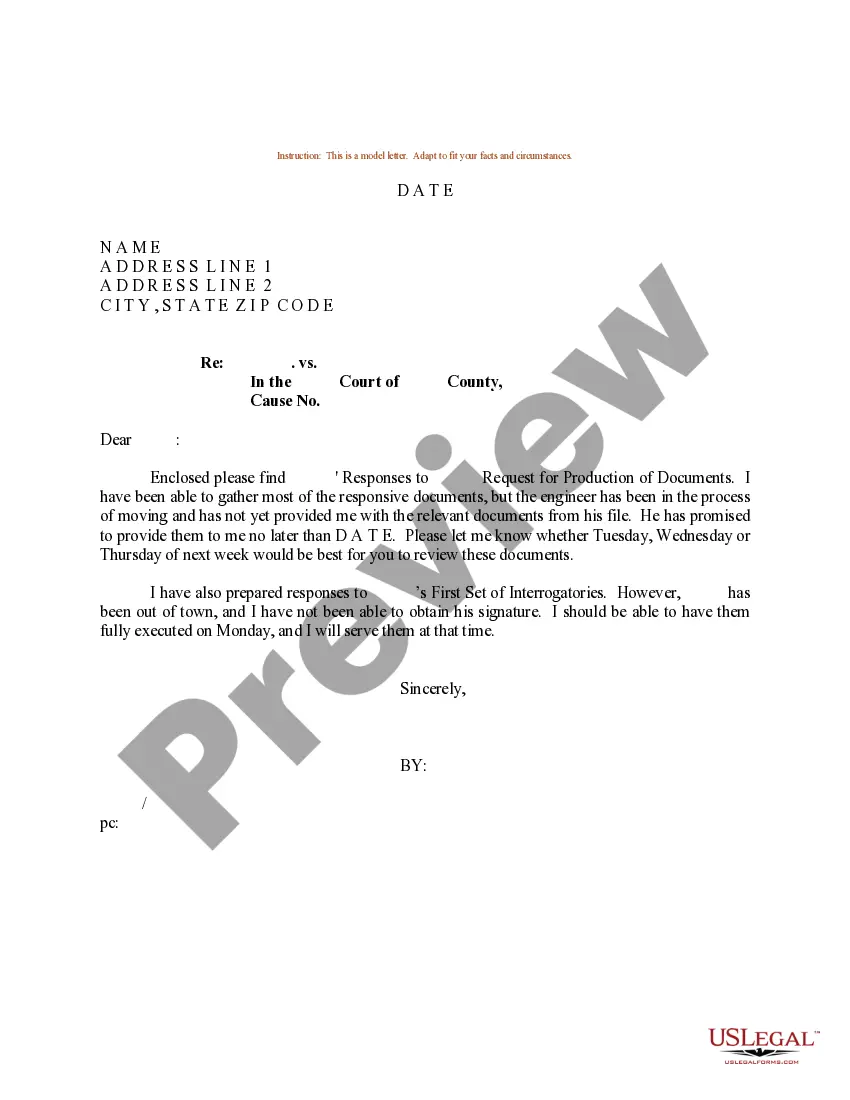
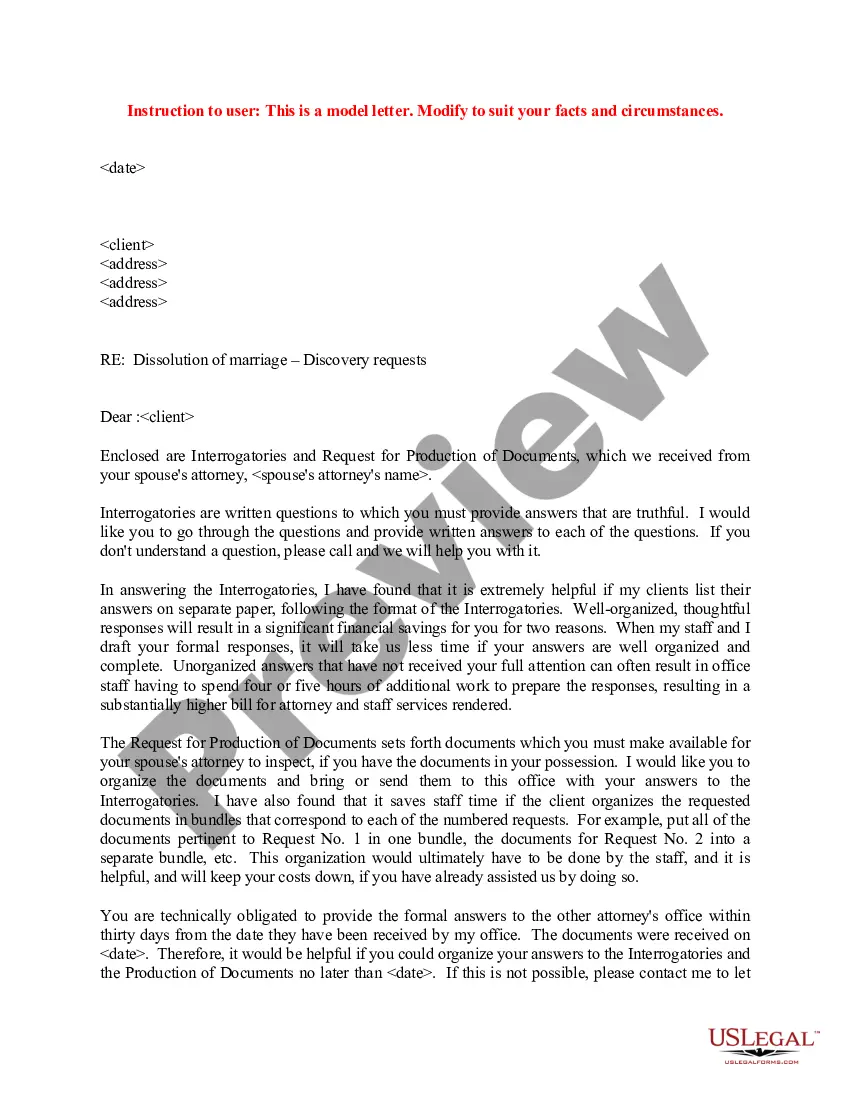
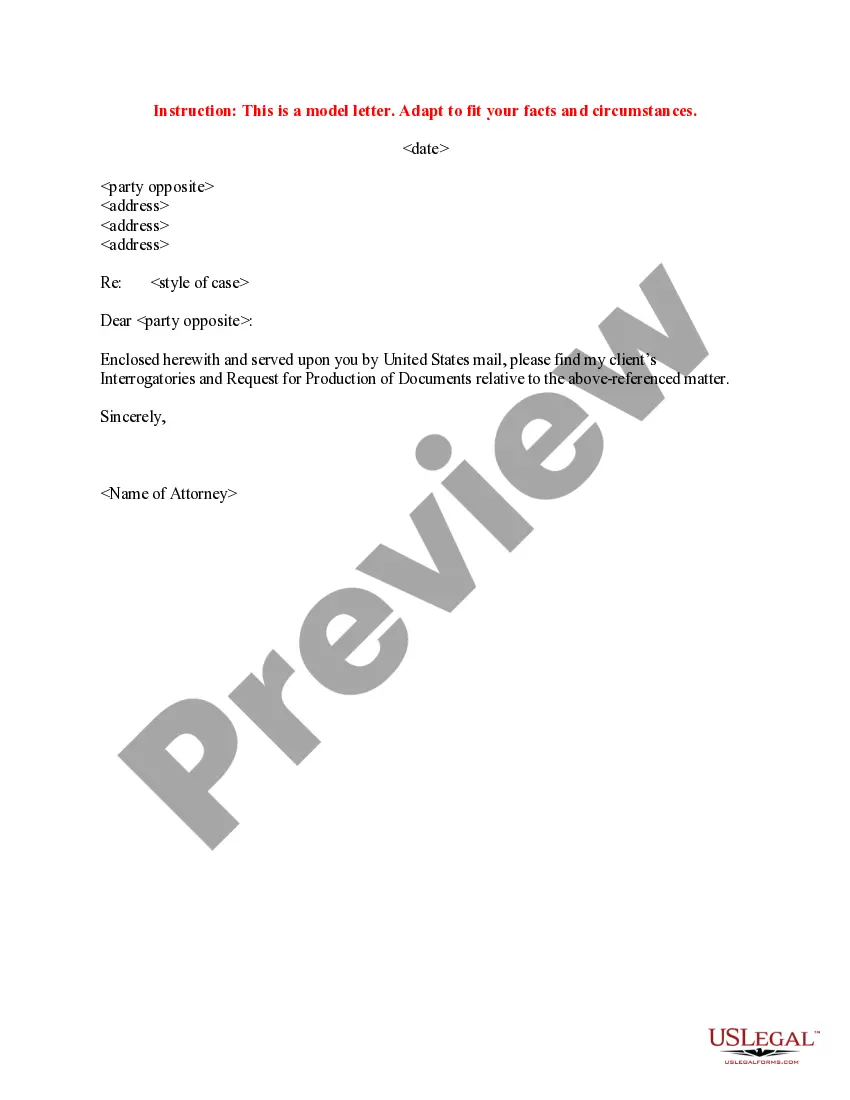
Get your form ready online
Our built-in tools help you complete, sign, share, and store your documents in one place.
Make edits, fill in missing information, and update formatting in US Legal Forms—just like you would in MS Word.
Download a copy, print it, send it by email, or mail it via USPS—whatever works best for your next step.
Sign and collect signatures with our SignNow integration. Send to multiple recipients, set reminders, and more. Go Premium to unlock E-Sign.
If this form requires notarization, complete it online through a secure video call—no need to meet a notary in person or wait for an appointment.
We protect your documents and personal data by following strict security and privacy standards.

Make edits, fill in missing information, and update formatting in US Legal Forms—just like you would in MS Word.

Download a copy, print it, send it by email, or mail it via USPS—whatever works best for your next step.

Sign and collect signatures with our SignNow integration. Send to multiple recipients, set reminders, and more. Go Premium to unlock E-Sign.

If this form requires notarization, complete it online through a secure video call—no need to meet a notary in person or wait for an appointment.

We protect your documents and personal data by following strict security and privacy standards.
Looking for another form?

Form popularity
FAQ
The plaintiff files a document (complaint) with the clerk of the court stating the reasons why the plaintiff is suing the defendant, and what action the plaintiff wants the court to take. A copy of the complaint and a summons are delivered to (served on) the defendant.
Timeline of How to File a Lawsuit Step 1: File a Complaint. Plaintiff files a complaint and summons with the local county court. Step 2: Answer Complaint. Step 3: Discovery. Step 4: Failing to Respond to Discovery. Step 5: Conclusion of Lawsuit.
A plaintiff representing herself may obtain and fill out a prepared Complaint form from the Clerk of the Court at the courthouse or online at each county court website or by visiting . The Complaint must be filed with the Clerk of the appropriate court.
Arizona's Justice Courts Every county in Arizona has at least two justice courts. The justice courts have exclusive authority to hear cases in which the amount in controversy is $10,000 or less. Cases in which the amount in controversy is greater than $10,000 must be filed in the superior court.
Seven Tips When Representing Yourself In Court Make a good impression. If you dress nicely, it tells the judge that you respect the courtroom and care about your case. Be respectful. Know what to ask. Arrive early. Tell your story. Come prepared. Use a lawyer if you need help.
Before an Arbitrator is Appointed When filing a complaint, the plaintiff also must file a Certificate of Compulsory Arbitration which states the monetary amount of the controversy. If the case is designated an arbitration case, an arbitrator is appointed once an answer to the complaint is filed.
A civil action filed in a limited jurisdiction court is a claim against another party for damages of an amount up to $10,000.00. These lawsuits are designed to resolve civil disputes before a justice of the peace. Parties in a civil lawsuit may be represented by attorneys and appeal their case to a higher court.
The defendant has 20 calendar days from service of process to file an answer (Form No. AOCLJCV4F) to the lawsuit. An answer is your written response that you file with the court admitting or denying the creditor's claims and the reasons why. The answer should respond to each element of the complaint.
Requests for admission are generally used toward the end of the discovery process to settle uncontested issues and simplify the trial. Rules regarding requests for admission vary by jurisdiction. See State Civil Procedure Rules. In the Federal Rules of Civil Procedure, Rule 36 governs requests for admission.
Common objections to requests for admission include: The request is impermissibly compound. The propounding party may ask you to admit only one fact per statement. You may object to any request that asks you to admit two or more different facts in a single request.

