Acknowledgement With Disclosure Meaning In Queens
Description




Form popularity
FAQ
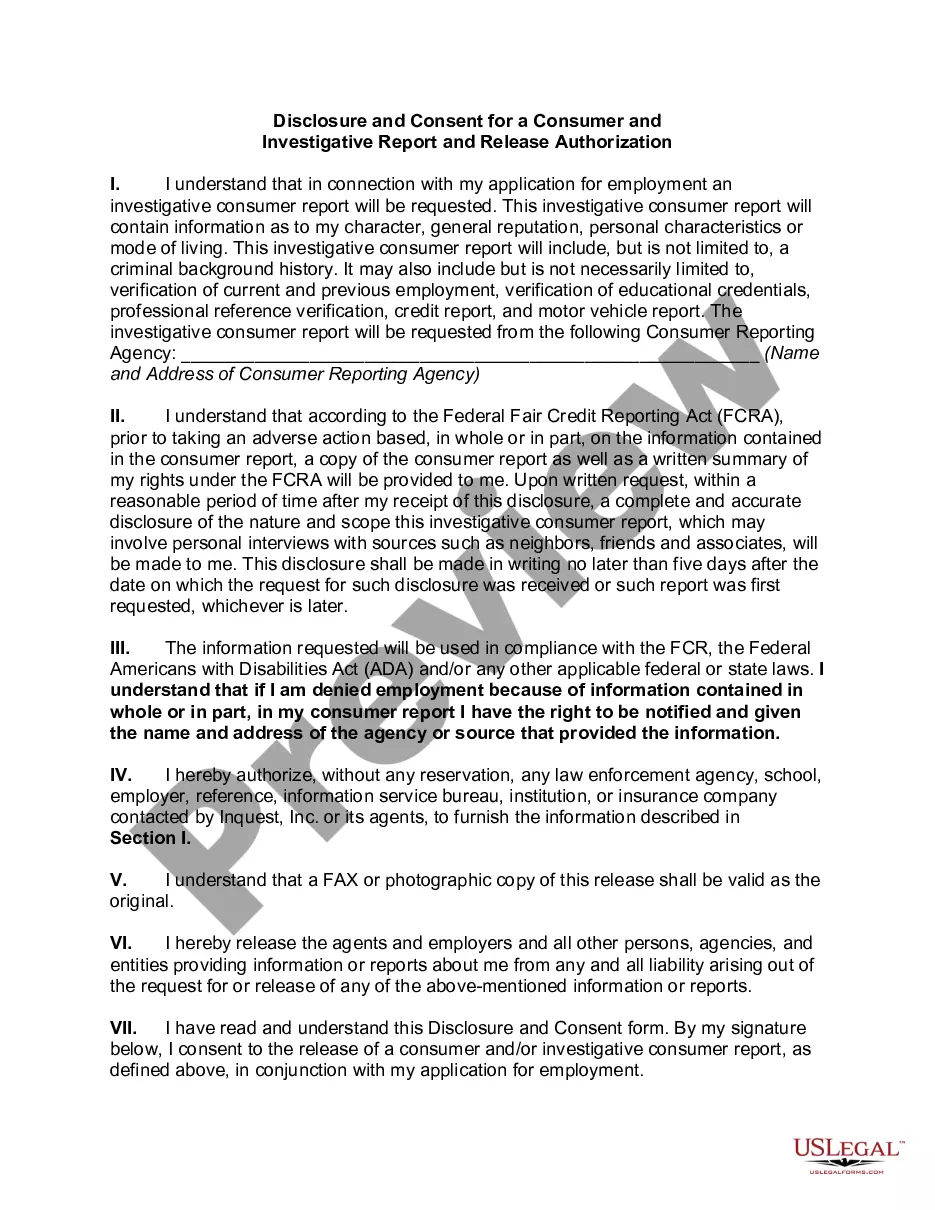
This disclosure will help you to make informed choices about your relationship with the real estate broker and its sales agents. Throughout the transaction you may receive more than one disclosure form. The law may require each agent assisting in the transaction to present you with this disclosure form.
The new PCDS consists of 56 questions to be answered by the seller based on the seller's actual knowledge and covers a variety of subjects ranging from general information about the home's history, from ownership and occupancy of the property, to structural, mechanical and environmental issues.
You can get the form from a buyer's or seller's agent or real estate attorney. While the disclosure form will vary in format, it may contain the following: List of specific issues the homeowner must check off if the home has them. Questions about the property the seller must answer with “Yes,” “No” or “Unknown”
Environmental hazards Sellers must inform buyers about the presence of lead paint, asbestos, radon gas and any other hazardous materials that may be present on the property. The property's vulnerability to natural disasters, including flooding, earthquakes or other environmental risks, must be disclosed.
Most Common Disclosures in Real Estate Natural Hazards Disclosure. First on the list is the natural hazards disclosure. Market Conditions Advisory (MCA) Market Conditions Advisory, also known as MCA, covers items more financial in nature. State Transfer Disclosure. Local Transfer Disclosure. Megan's Law Disclosures.
In most states, by law, you have to disclose any issues with the property. By not disclosing, you open yourself up to lawsuit.
New York law requires most property sellers to disclose known home defects to buyers, covering structural, environmental, and other physical and legal issues.
An Acknowledgment of Parentage (AOP) Form is given to the birth parent at the New York City hospital when the baby is born. If the form is completed in the hospital at the time of birth, the other parent's name will appear on the baby's birth certificate.
In addition to discussing renovations or remodeling projects that have been completed, Seller's Disclosure statements often contain a report of all of the repairs that have previously been made on a given property. This information can include the history of: Roof cracks or leaks. Roof replacement.
Environmental hazards Sellers must inform buyers about the presence of lead paint, asbestos, radon gas and any other hazardous materials that may be present on the property. The property's vulnerability to natural disasters, including flooding, earthquakes or other environmental risks, must be disclosed.
