Corporate Insolvency Resolution Process With Example In San Antonio
Description

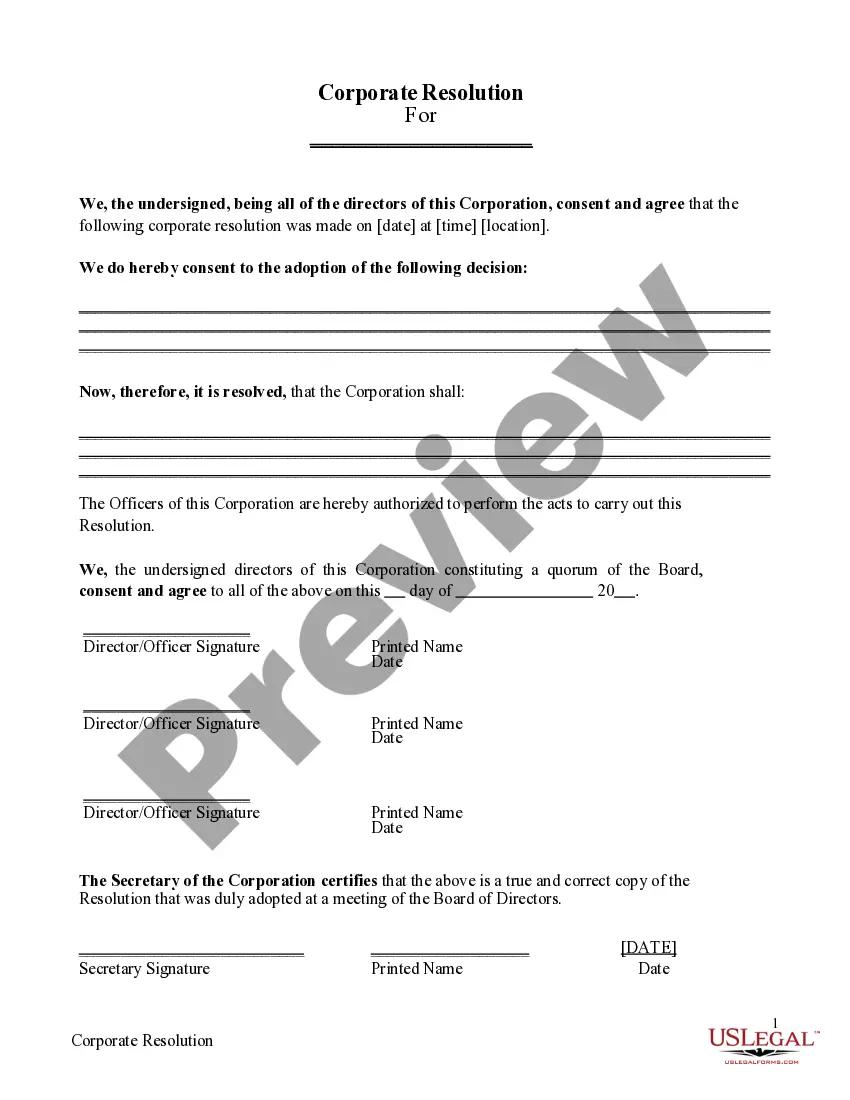
Get your form ready online
Our built-in tools help you complete, sign, share, and store your documents in one place.
Make edits, fill in missing information, and update formatting in US Legal Forms—just like you would in MS Word.
Download a copy, print it, send it by email, or mail it via USPS—whatever works best for your next step.
Sign and collect signatures with our SignNow integration. Send to multiple recipients, set reminders, and more. Go Premium to unlock E-Sign.
If this form requires notarization, complete it online through a secure video call—no need to meet a notary in person or wait for an appointment.
We protect your documents and personal data by following strict security and privacy standards.

Make edits, fill in missing information, and update formatting in US Legal Forms—just like you would in MS Word.

Download a copy, print it, send it by email, or mail it via USPS—whatever works best for your next step.

Sign and collect signatures with our SignNow integration. Send to multiple recipients, set reminders, and more. Go Premium to unlock E-Sign.

If this form requires notarization, complete it online through a secure video call—no need to meet a notary in person or wait for an appointment.

We protect your documents and personal data by following strict security and privacy standards.
Looking for another form?

Form popularity
FAQ
The IBC envisions that the entire Corporate Insolvency Resolution Process (CIRP) must take place within 180 days of the admission of the application. A CIRP must be mandatorily completed within 330 days, including any extension or litigation period.
Insolvency examples An individual may enter into insolvency when they own an expensive car and large house and run into financial distress. An expensive divorce, job demotion or redundancy, unexpected illness or injury may drastically alter the person's financial situation.
The following is the processes for resolution or liquidation of corporate which are as follows : Step 1: Application To The NCLT. Step 2: Appointment of Interim insolvency Resolution Professional. Step 3: Moratorium. Step 4: Verification and analysis of claims. Step 5: Appointment of the resolution professional.
(1) A corporate applicant, shall make an application for initiating the corporate insolvency resolution process against a corporate debtor under section 10 of the Code in Form 6, accompanied with documents and records required therein and as specified in the Insolvency and Bankruptcy Board of India (Insolvency ...
CIRP is the process through which it is determined whether the person who has defaulted is capable of repayment or not (IRPs will evaluate the assets and liabilities to determine the repayment capability). If a person is not capable of repaying the debt the company is restructured or liquidated.
What is time limit within which the CIRP should be completed? Ans: As per section 12(1) of the Code, the CIRP shall be completed within a period of 180 days from the date of admission of the application to initiate such process. The Adjudicating Authority may grant a one-time extension of 90 days.
The following is the processes for resolution or liquidation of corporate which are as follows : Step 1: Application To The NCLT. Step 2: Appointment of Interim insolvency Resolution Professional. Step 3: Moratorium. Step 4: Verification and analysis of claims. Step 5: Appointment of the resolution professional.
(1) Subject to the provisions of sub-section (3), the fast track corporate insolvency resolution process shall be completed within a period of ninety days from the insolvency commencement date.
However, regulation 39(1) of CIRP Regulations provides that “A resolution applicant shall endeavour to submit a resolution plan prepared in ance with the Code and these Regulations to the RP, thirty Page 2 days before expiry of the maximum period permitted under section 12 for the completion of the CIRP.”, that ...