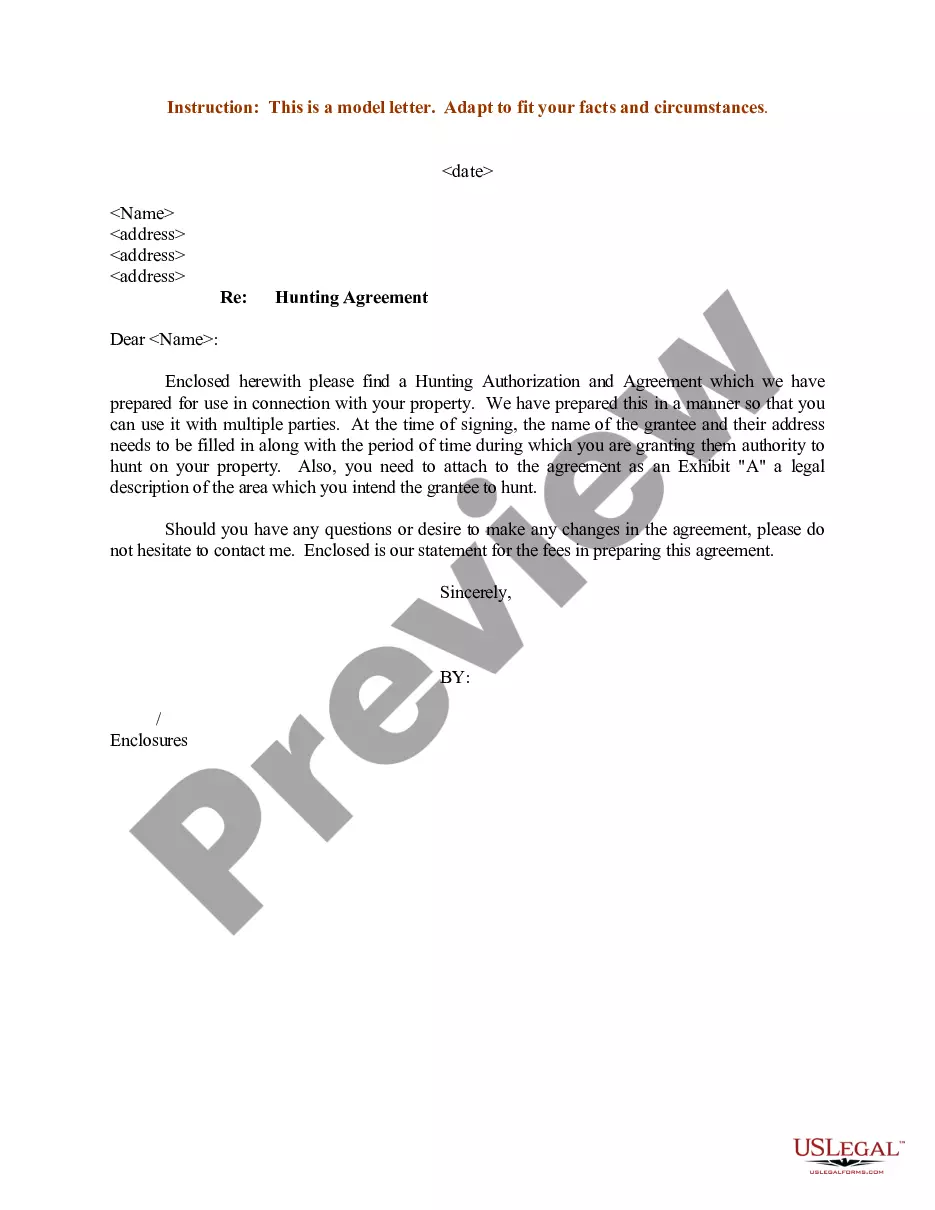
Landlord Tenant Fixtures Form
Description


Get your form ready online
Our built-in tools help you complete, sign, share, and store your documents in one place.
Make edits, fill in missing information, and update formatting in US Legal Forms—just like you would in MS Word.
Download a copy, print it, send it by email, or mail it via USPS—whatever works best for your next step.
Sign and collect signatures with our SignNow integration. Send to multiple recipients, set reminders, and more. Go Premium to unlock E-Sign.
If this form requires notarization, complete it online through a secure video call—no need to meet a notary in person or wait for an appointment.
We protect your documents and personal data by following strict security and privacy standards.

Make edits, fill in missing information, and update formatting in US Legal Forms—just like you would in MS Word.

Download a copy, print it, send it by email, or mail it via USPS—whatever works best for your next step.

Sign and collect signatures with our SignNow integration. Send to multiple recipients, set reminders, and more. Go Premium to unlock E-Sign.

If this form requires notarization, complete it online through a secure video call—no need to meet a notary in person or wait for an appointment.

We protect your documents and personal data by following strict security and privacy standards.
Looking for another form?





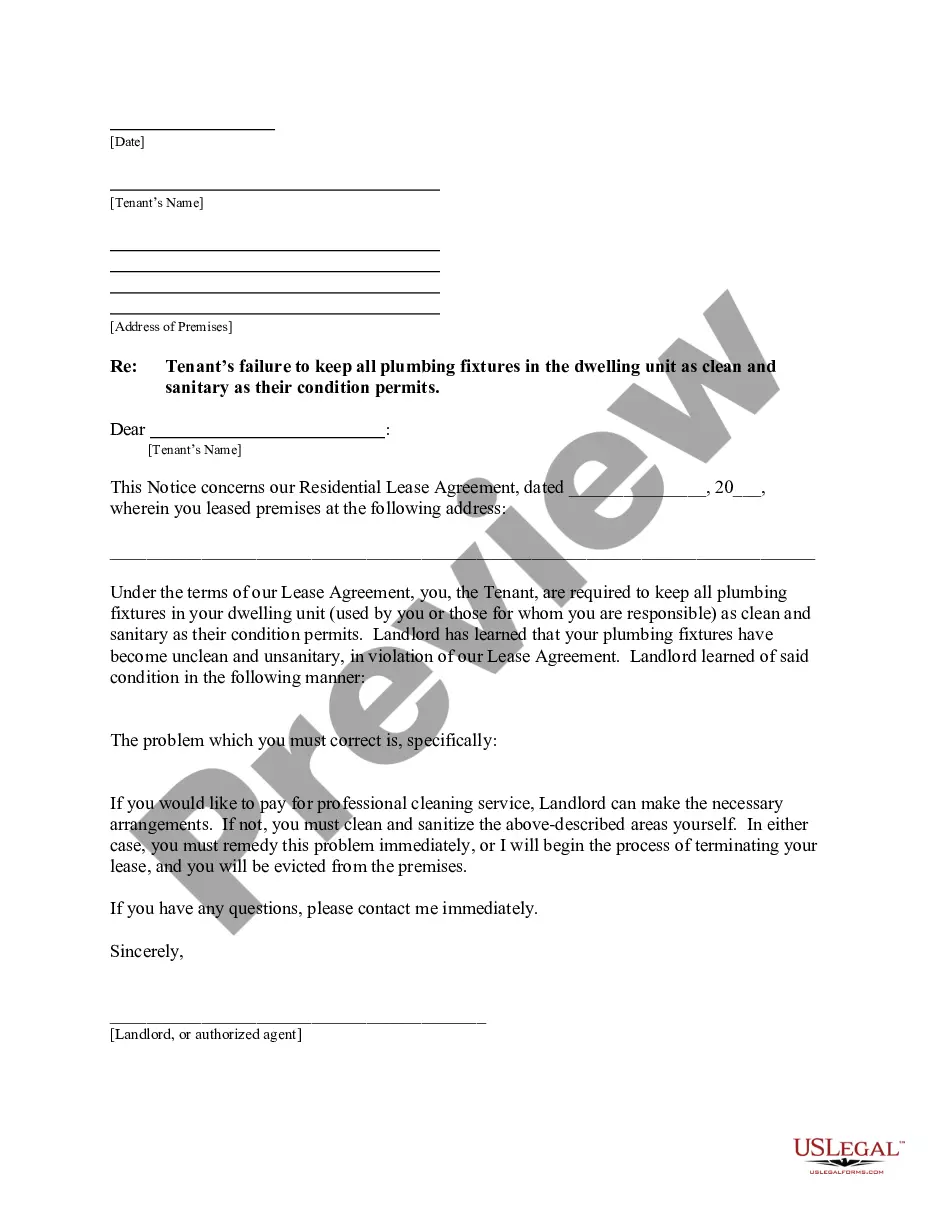
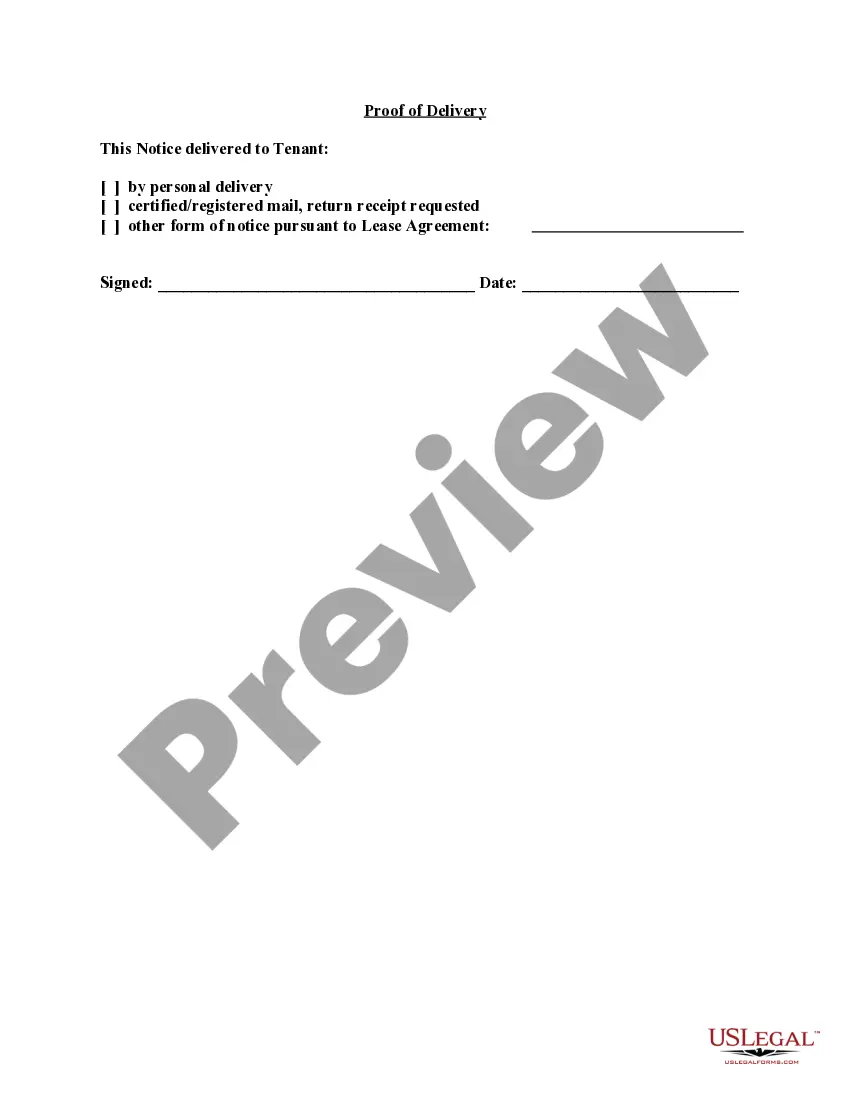
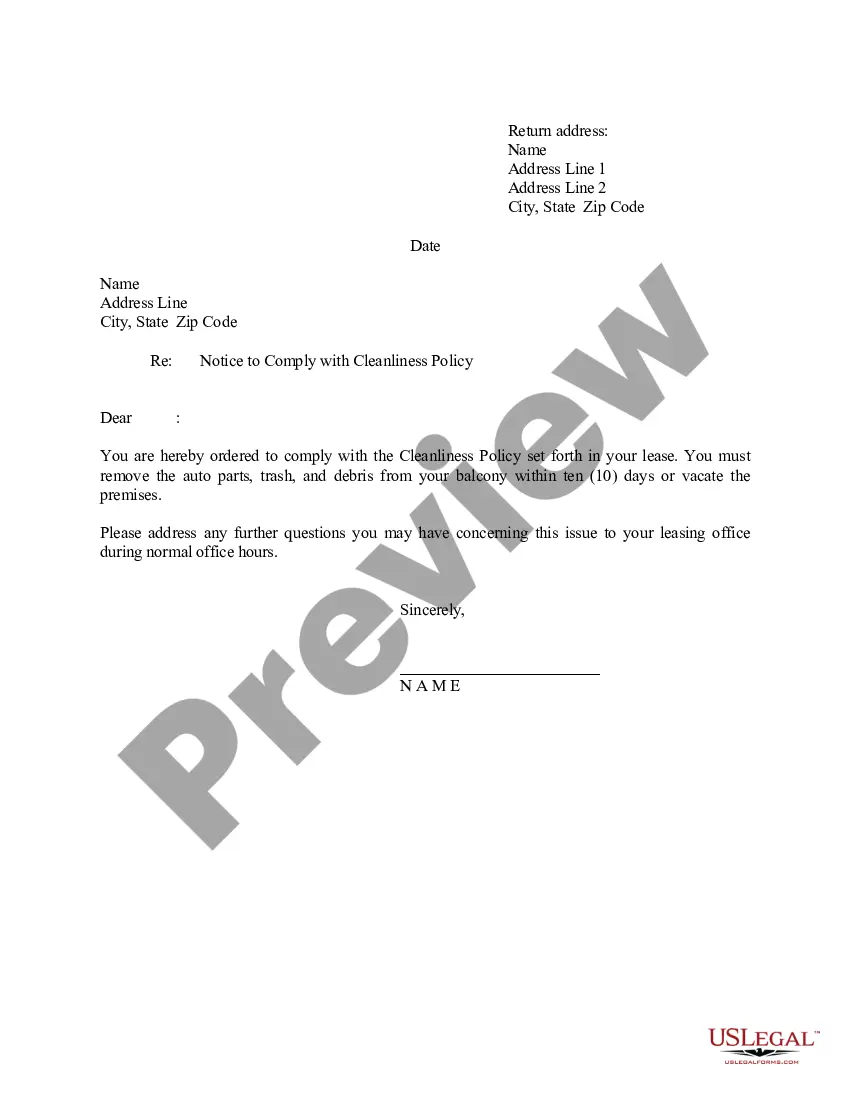
How to fill out Missouri Letter From Landlord To Tenant For Failure To Keep All Plumbing Fixtures In The Dwelling Unit As Clean As Their Condition Permits - Remedy Or Lease Terminates?
How to locate professional legal documents that adhere to your state's regulations and complete the Landlord Tenant Fixtures Form without consulting a lawyer.
Numerous online services provide templates for various legal scenarios and formalities. However, it may require time to ascertain which of the existing samples meet both your use case and legal prerequisites.
US Legal Forms is a reliable platform that assists you in finding official documents created in line with the latest state law revisions and helps you save on legal fees.
Should you not possess an account with US Legal Forms, follow the steps below: Review the webpage to confirm that the form meets your requirements. Utilize the form description and preview options if available. Search for another template in the header by entering your state if necessary. Click the Buy Now button once you find the suitable document. Choose the most appropriate pricing plan, then either sign in or create a new account. Select your preferred payment method (credit card or PayPal). Adjust the file format for your Landlord Tenant Fixtures Form and click Download. The documents you acquire remain yours: you can access them anytime in the My documents tab of your profile. Subscribe to our platform and create legal documents independently like a seasoned legal expert!
- US Legal Forms is not just another online directory.
- It hosts over 85,000 validated templates for different business and personal situations.
- All documents are categorized by area and state to streamline your search process.
- Additionally, it features powerful tools for PDF modification and electronic signatures, allowing premium subscribers to efficiently complete their paperwork online.
- Securing the necessary documents takes minimal time and effort.
- If you already have an account, Log In and verify that your subscription is active.
- Download the Landlord Tenant Fixtures Form using the appropriate button adjacent to the file name.
Form popularity
FAQ
In Florida, a landlord can raise the rent by any amount so long as they notify the renter in advance. This is not the case in all states, but in Florida, this is allowed.
Since they are permanently affixed to the home, fixtures are typically considered real property. Real property refers to any item that is attached to the property and may be factored into the property value. For example, landscaping is often considered a home fixture and is real property.
The answer to this question is no, landlords in Florida are not required to provide air conditioning in a rental property.
A tenant has the right to remove certain types of fixtures and, although these are commonly referred to as tenant's fixtures, they still belong to the landlord until the tenant exercises its right to remove the fixture and severs it.
For tenants the Act provided a 120-day moratorium on tenant evictions for nonpayment of rent from residential properties secured by certain federally backed mortgages, as well as a prohibition against the assessment of late fees during that period.