State Specific Employment Laws Within Hospitality In Cuyahoga
Description
















Get your form ready online
Our built-in tools help you complete, sign, share, and store your documents in one place.
Make edits, fill in missing information, and update formatting in US Legal Forms—just like you would in MS Word.
Download a copy, print it, send it by email, or mail it via USPS—whatever works best for your next step.
Sign and collect signatures with our SignNow integration. Send to multiple recipients, set reminders, and more. Go Premium to unlock E-Sign.
If this form requires notarization, complete it online through a secure video call—no need to meet a notary in person or wait for an appointment.
We protect your documents and personal data by following strict security and privacy standards.
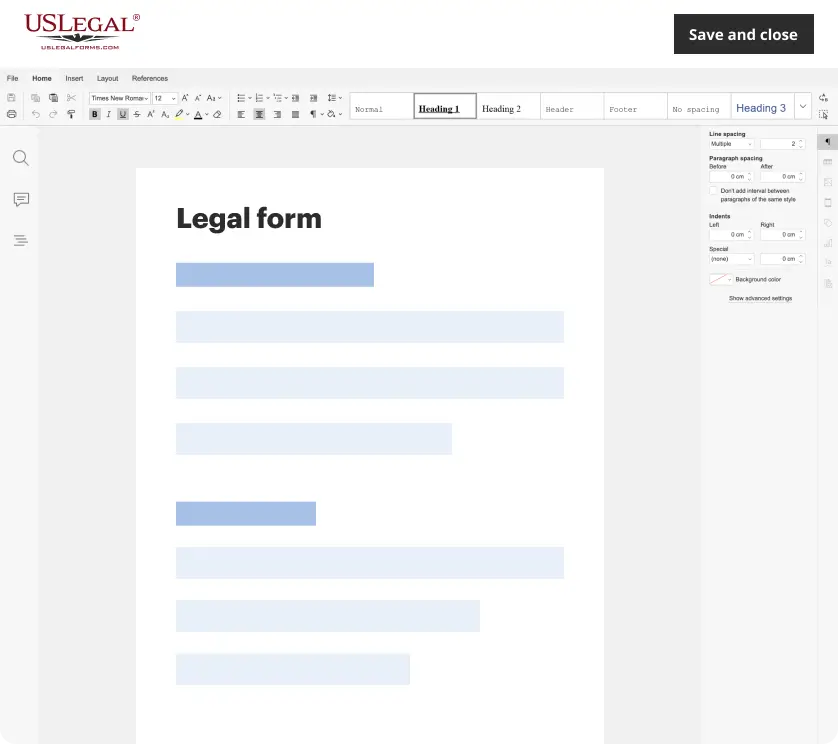
Make edits, fill in missing information, and update formatting in US Legal Forms—just like you would in MS Word.
Download a copy, print it, send it by email, or mail it via USPS—whatever works best for your next step.
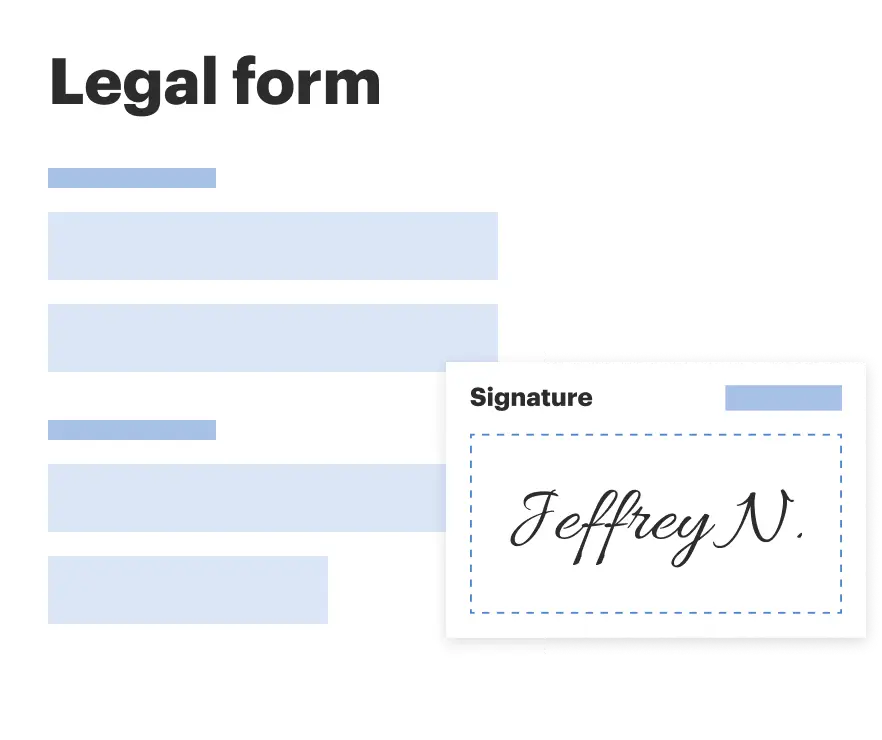
Sign and collect signatures with our SignNow integration. Send to multiple recipients, set reminders, and more. Go Premium to unlock E-Sign.
If this form requires notarization, complete it online through a secure video call—no need to meet a notary in person or wait for an appointment.
We protect your documents and personal data by following strict security and privacy standards.
Looking for another form?






Form popularity
FAQ
Generally, the bill provided for a 40-cent-an-hour minimum wage, a 40-hour maximum workweek, and a minimum working age of 16 except in certain industries outside of mining and manufacturing.
In some instances, employers may have a requirement in place that workers must live within a certain distance of an office location. This maybe rare, but employers are within their rights to require this and moving out of this zone could ultimately lead to termination.
The Fair Labor Standards Act (FLSA or Act) was passed in 1938 to provide minimum wage and overtime protections for workers, to prevent unfair competition among businesses based on subminimum wages, and to spread employment by requiring employers whose employees work excessive hours to compensate employees at one-and- ...
Each state sets laws related to fair employment and workplace safety. In most cases, state laws offer more protections than the federal ones. Contact your state department of labor to learn about the labor laws in your state.
Are My Workers Employees? The Fair Labor Standards Act (FLSA) only covers employees. The FLSA defines employee as "any individual employed by an employer" and employ is defined as including "to suffer or permit to work." The concept of employment in the FLSA is very broad and is tested by "economic reality."
Employment law is the section of laws that govern the relationship between an employee and their employer, including the rights and responsibilities of both parties.
The court relied on Section § 2802 of the Fair Labor Standards Act (FLSA), which provides in relevant part that “an employer shall indemnify his or her employee for all necessary expenditures or losses incurred by the employee in direct consequence of the discharge of his or her duties…”.
The court relied on Section § 2802 of the Fair Labor Standards Act (FLSA), which provides in relevant part that “an employer shall indemnify his or her employee for all necessary expenditures or losses incurred by the employee in direct consequence of the discharge of his or her duties…”.