Annual Meeting Requirements For Corporation In Chicago
Description



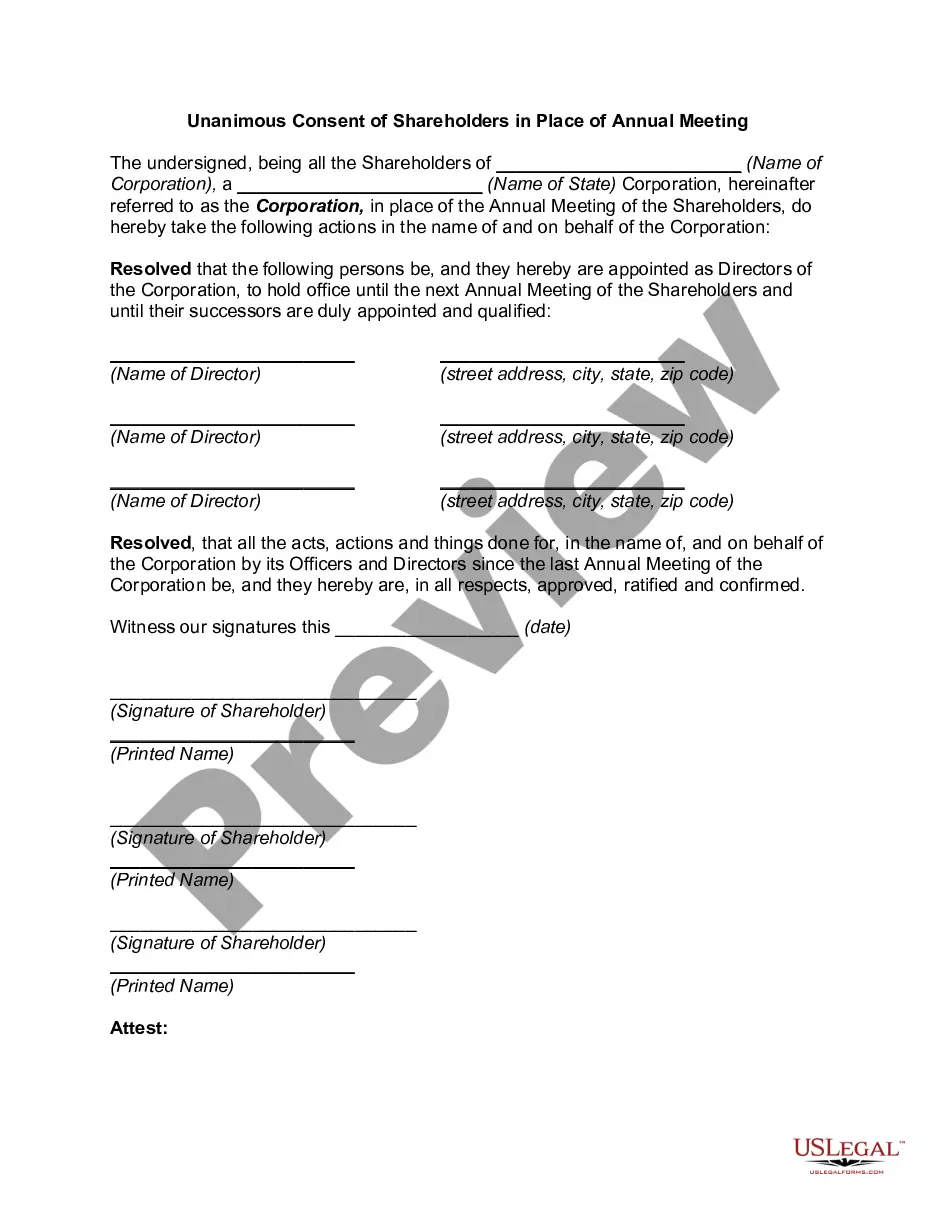
Get your form ready online
Our built-in tools help you complete, sign, share, and store your documents in one place.
Make edits, fill in missing information, and update formatting in US Legal Forms—just like you would in MS Word.
Download a copy, print it, send it by email, or mail it via USPS—whatever works best for your next step.
Sign and collect signatures with our SignNow integration. Send to multiple recipients, set reminders, and more. Go Premium to unlock E-Sign.
If this form requires notarization, complete it online through a secure video call—no need to meet a notary in person or wait for an appointment.
We protect your documents and personal data by following strict security and privacy standards.

Make edits, fill in missing information, and update formatting in US Legal Forms—just like you would in MS Word.

Download a copy, print it, send it by email, or mail it via USPS—whatever works best for your next step.

Sign and collect signatures with our SignNow integration. Send to multiple recipients, set reminders, and more. Go Premium to unlock E-Sign.

If this form requires notarization, complete it online through a secure video call—no need to meet a notary in person or wait for an appointment.

We protect your documents and personal data by following strict security and privacy standards.
Looking for another form?
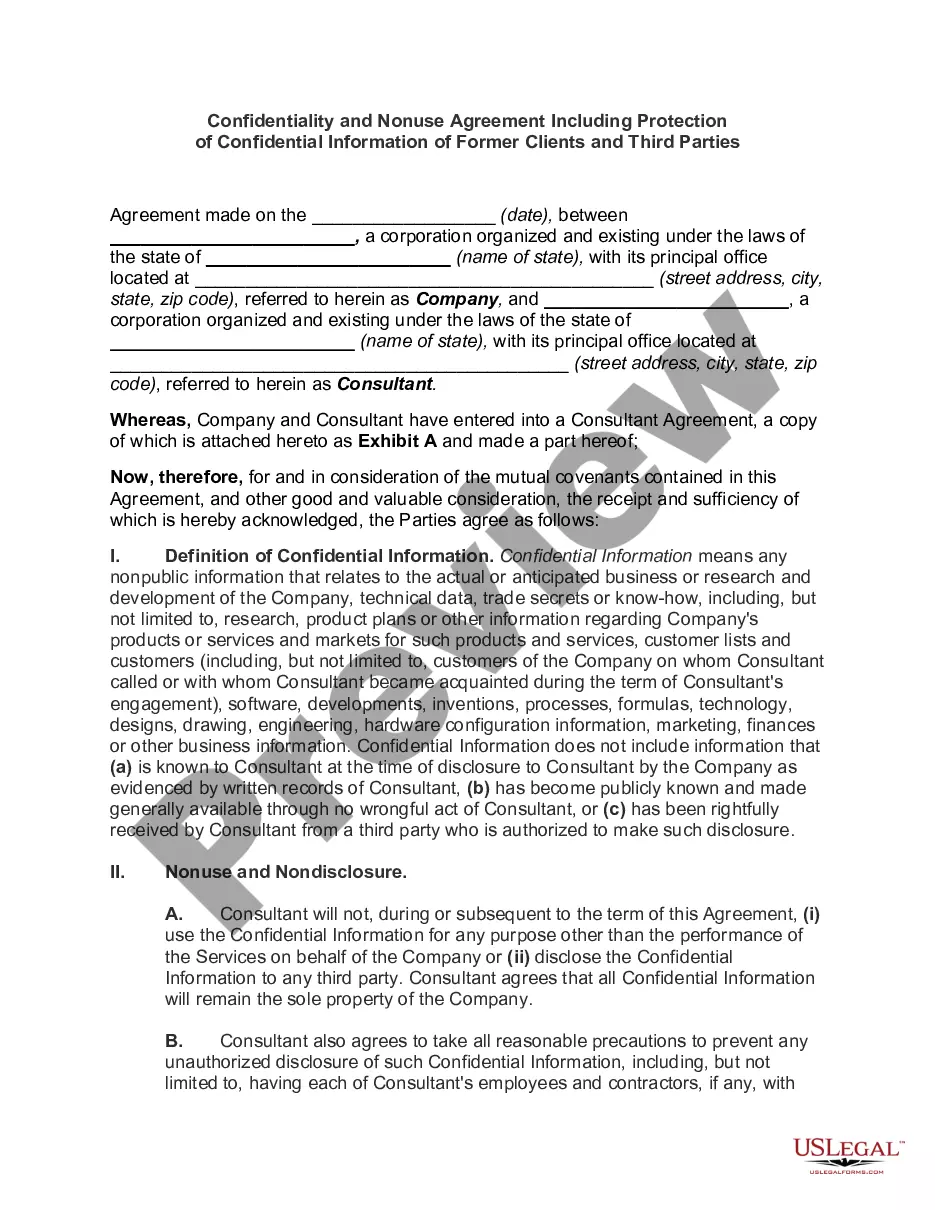
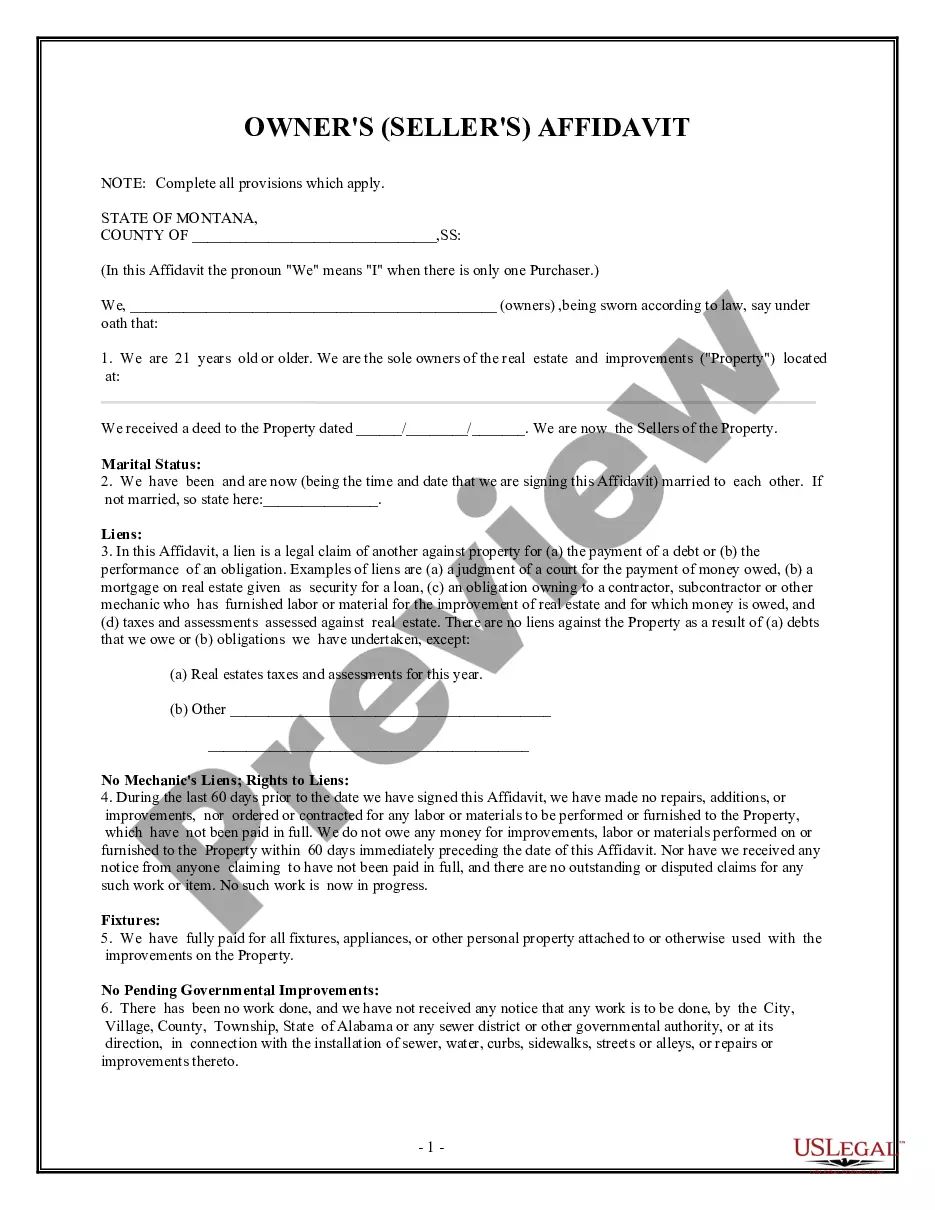
Form popularity
FAQ
Follow the 40-20-40 rule 40% of your attention should be on meeting preparation, 20% on the meeting itself and 40% executing the takeaways from the meeting.
A quarterly meeting is held once every three months. It's a time for teams to come together and discuss progress, goals and challenges. Quarterly meetings can be a great way to stay on track and make sure that everyone is aligned.
Corporations typically hold several required formal meetings each year. The exact requirements vary depending on state laws and your corporation's bylaws, but it's important to follow these formalities to protect your corporate status and preserve your limited liability protection.
How often should staff meetings be held? A good meeting cadence aligns with business needs and employee workflows. While there is no one-size-fits-all solution, a balance of weekly, monthly, and quarterly meetings is ideal for most teams.
Both California Corporations and California S-Corps are required to hold an annual meeting for shareholders. These meetings are pivotal for fostering transparency, discussing business strategy, and making essential corporate decisions.
While not mandatory for private companies, many opt to hold their AGM, as allowed by their Memorandum of Incorporation (MOI).
(1) Subject to subsection (2), at least 21 days notice must be given of a meeting of a company's members. However, if a company has a constitution, it may specify a longer minimum period of notice. (b) any other general meeting, if members with at least 95% of the votes that may be cast at the meeting agree beforehand.
The rule of 7 ensures that the meeting host only invites necessary participants so you don't have too many conversations going on at one time.
If your business is set up and registered as a Corporation, you're required by law to hold an annual shareholder meeting and to document the meeting with minutes.
If your business is set up and registered as a Corporation, you're required by law to hold an annual shareholder meeting and to document the meeting with minutes.
