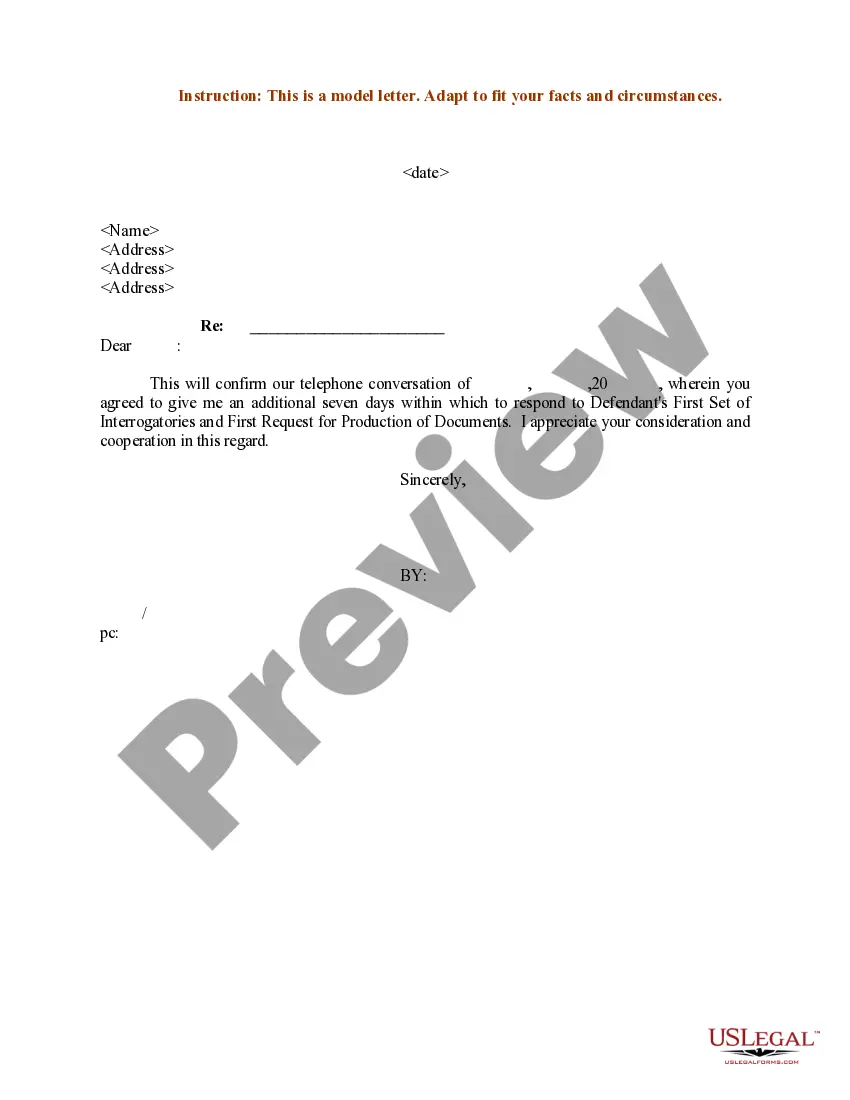
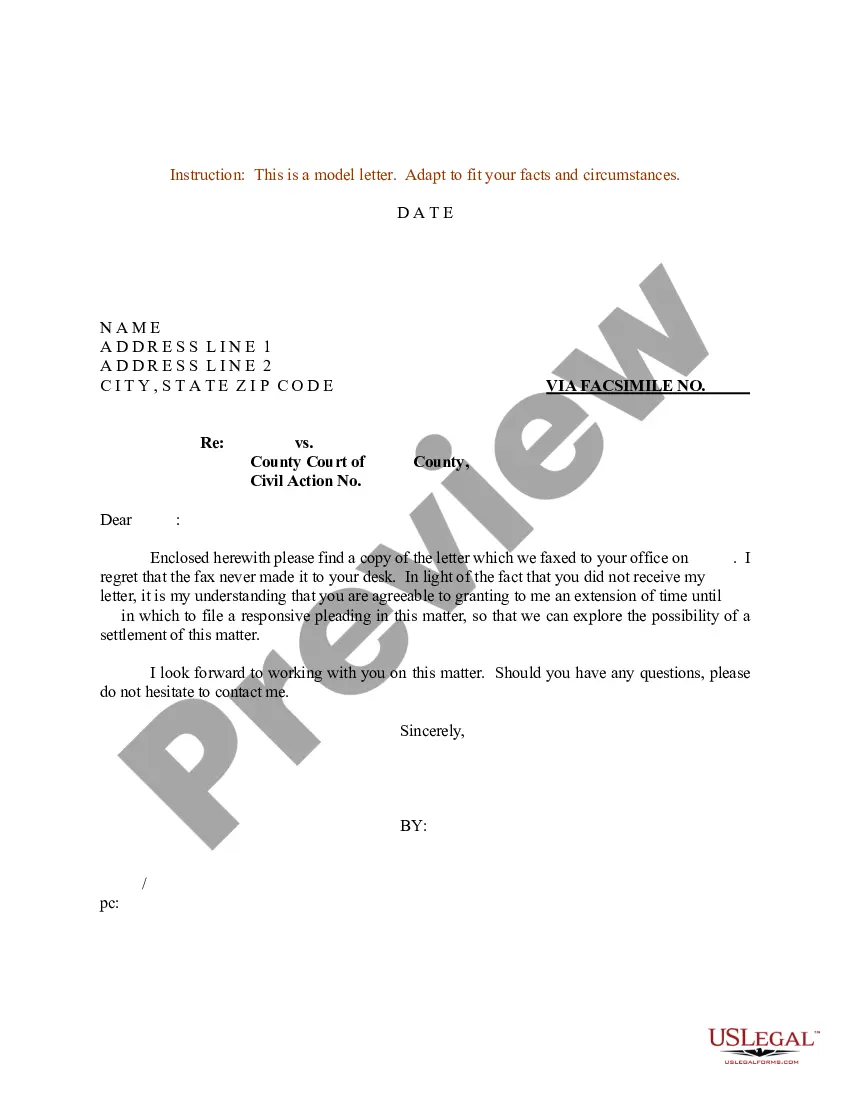
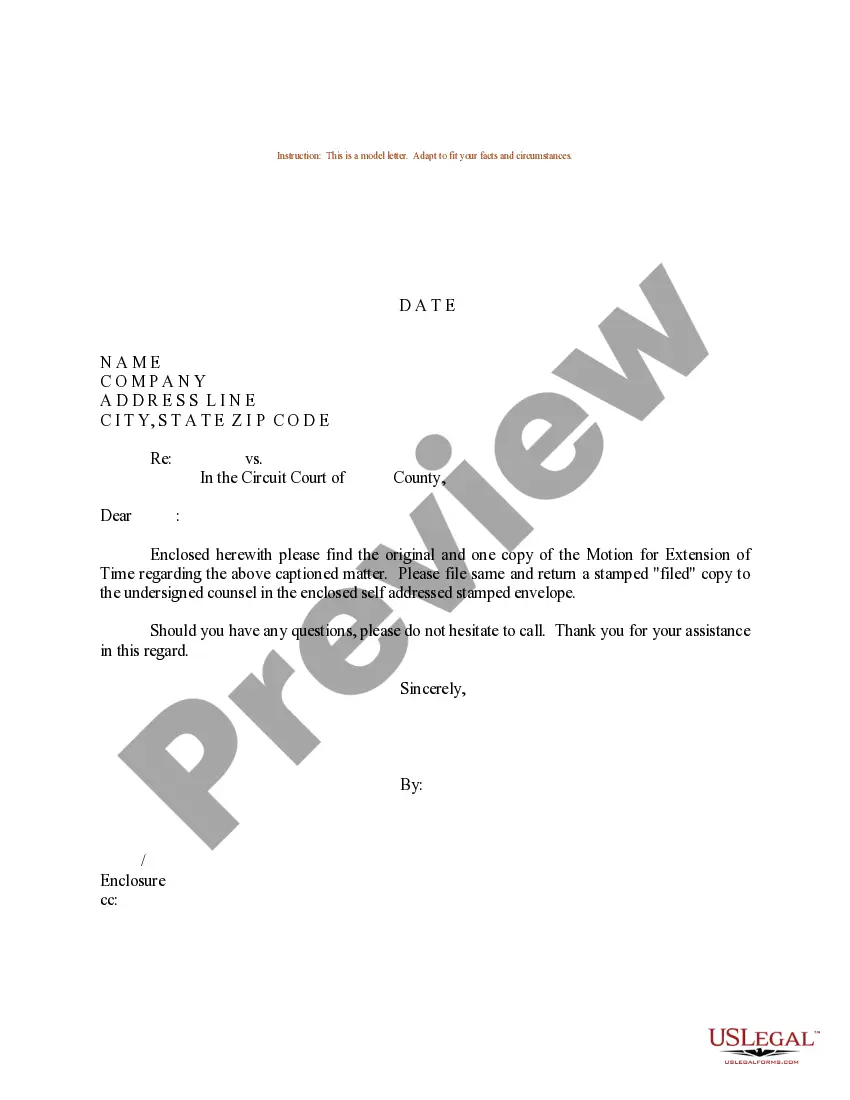
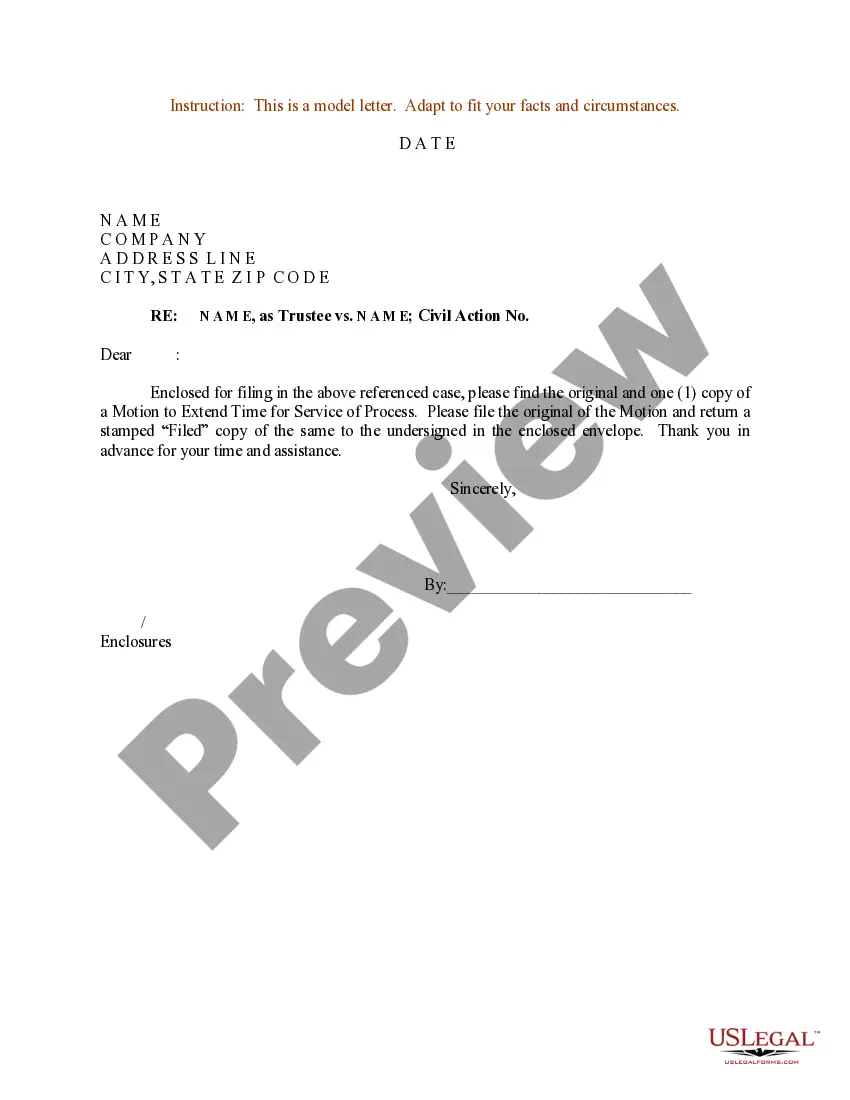
Time Extension For Tax Return In Salt Lake
Description
Get your form ready online
Our built-in tools help you complete, sign, share, and store your documents in one place.
Make edits, fill in missing information, and update formatting in US Legal Forms—just like you would in MS Word.
Download a copy, print it, send it by email, or mail it via USPS—whatever works best for your next step.
Sign and collect signatures with our SignNow integration. Send to multiple recipients, set reminders, and more. Go Premium to unlock E-Sign.
If this form requires notarization, complete it online through a secure video call—no need to meet a notary in person or wait for an appointment.
We protect your documents and personal data by following strict security and privacy standards.

Make edits, fill in missing information, and update formatting in US Legal Forms—just like you would in MS Word.

Download a copy, print it, send it by email, or mail it via USPS—whatever works best for your next step.

Sign and collect signatures with our SignNow integration. Send to multiple recipients, set reminders, and more. Go Premium to unlock E-Sign.

If this form requires notarization, complete it online through a secure video call—no need to meet a notary in person or wait for an appointment.

We protect your documents and personal data by following strict security and privacy standards.
Looking for another form?



Form popularity
FAQ
File your Utah taxes at tap.utah. If filing on paper, mail your return to the address on page 1. TC-40 page 3, TC-40A, TC-40B, TC-40S, and TC-40W (all that apply). An explanation for any equitable adjustment entered on TC-40A, Part 2, code 79.
For a Utah net loss carried forward to a taxable year beginning on or after January 1, 2023, the amount of Utah net loss that a taxpayer may carry forward to a taxable year may not exceed 80% of Utah taxable income calculated before deducting any Utah net loss from Utah taxable income.
Report Utah withholding tax from the following forms: Federal form W-2, Wage and Tax Statement. Federal form 1099 (with Utah withholding), including 1099-R, 1099-MISC, 1099-G, etc.
You get an automatic extension of up to six months to file your return. You do not need to file an extension form, but we will assess penalties if you have not met the prepayment requirements (see below). See instructions for line 40.
If you do not complete and submit form TC-40W with your return, processing will be delayed and we may reject your withholding credit. Do not send a copy of your federal return, credit schedules (other than Utah schedules TC-40A, TC-40B, TC-40S and/or TC-40W), worksheets, or other documentation with your return.
You may request up to an additional 6 months to file your U.S. individual income tax return. There are three ways to request an automatic extension of time to file your return. You must request the extension of time to file by the regular due date of your return to avoid the penalty for filing late.
So, what is the tax extension time period? Once you've requested the extension, you automatically have an additional six months beyond the original filing deadline. That means your taxes are due on October 15. To request an extension, you'll need to submit IRS Tax Form 4868 before April 15 (July 15 in 2020).
You get an automatic extension of up to six months to file your return. You do not need to file an extension form, but we will assess penalties if you have not met the prepayment requirements (see below).
1, 2024, to file their 2023 tax year return. Taxpayers in all or parts of Connecticut, Florida, Illinois, Kentucky, Louisiana, Minnesota, Missouri, New York, Pennsylvania, Puerto Rico, South Dakota, Texas, Vermont, Virgin Islands and Washington state have until Feb. 3, 2025, to file their 2023 tax year returns.

