Appointment Of Director With Retrospective Effect In Wake
Description

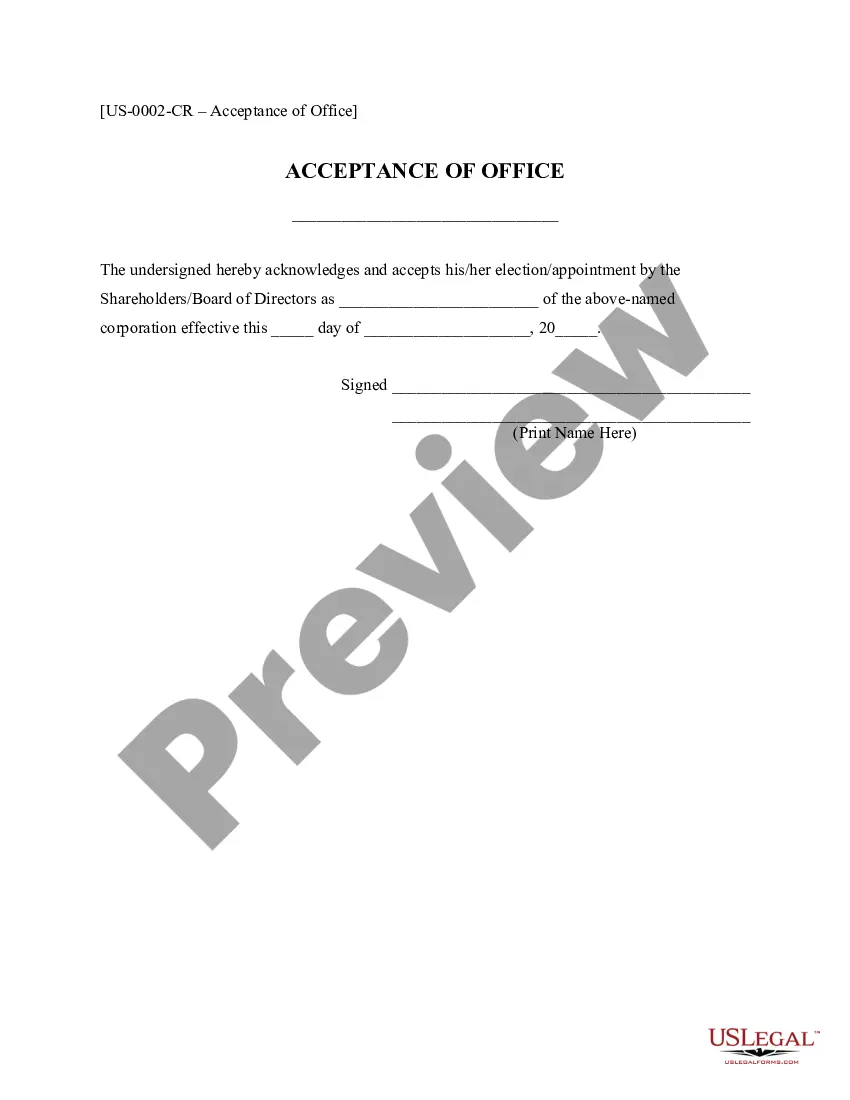

Get your form ready online
Our built-in tools help you complete, sign, share, and store your documents in one place.
Make edits, fill in missing information, and update formatting in US Legal Forms—just like you would in MS Word.
Download a copy, print it, send it by email, or mail it via USPS—whatever works best for your next step.
Sign and collect signatures with our SignNow integration. Send to multiple recipients, set reminders, and more. Go Premium to unlock E-Sign.
If this form requires notarization, complete it online through a secure video call—no need to meet a notary in person or wait for an appointment.
We protect your documents and personal data by following strict security and privacy standards.

Make edits, fill in missing information, and update formatting in US Legal Forms—just like you would in MS Word.

Download a copy, print it, send it by email, or mail it via USPS—whatever works best for your next step.

Sign and collect signatures with our SignNow integration. Send to multiple recipients, set reminders, and more. Go Premium to unlock E-Sign.

If this form requires notarization, complete it online through a secure video call—no need to meet a notary in person or wait for an appointment.

We protect your documents and personal data by following strict security and privacy standards.
Looking for another form?



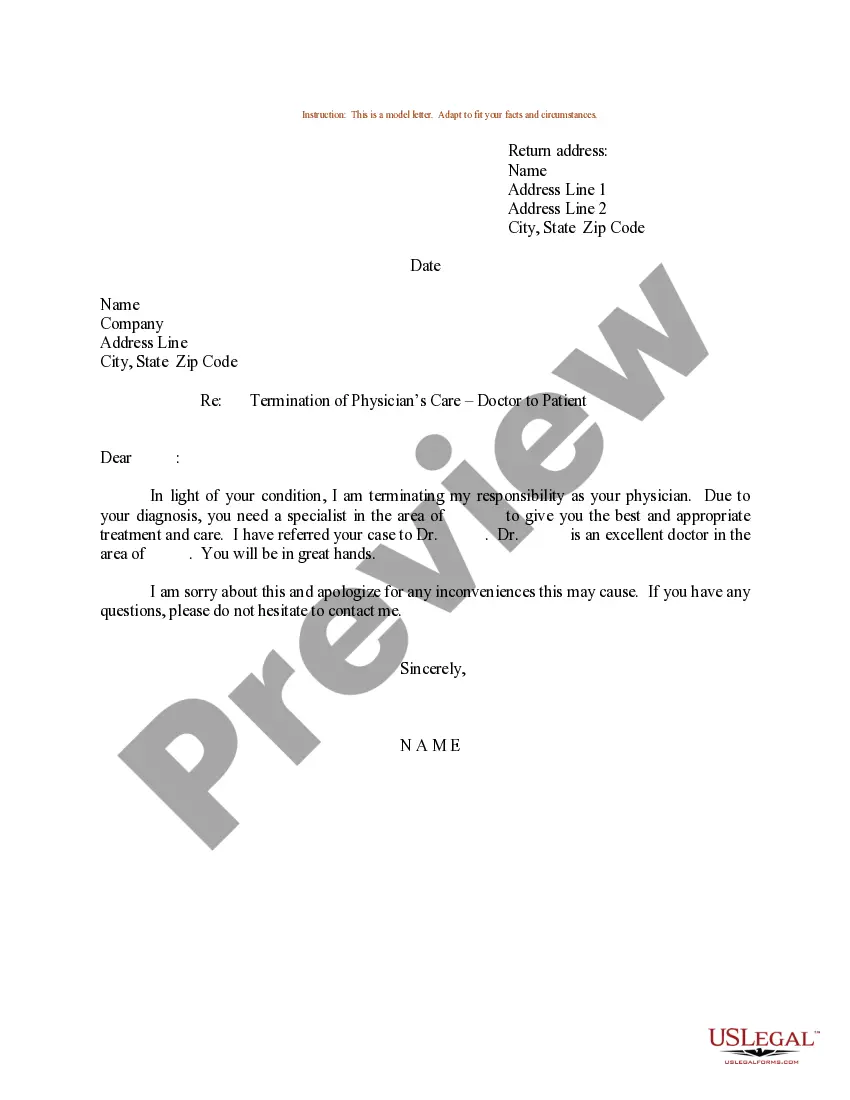
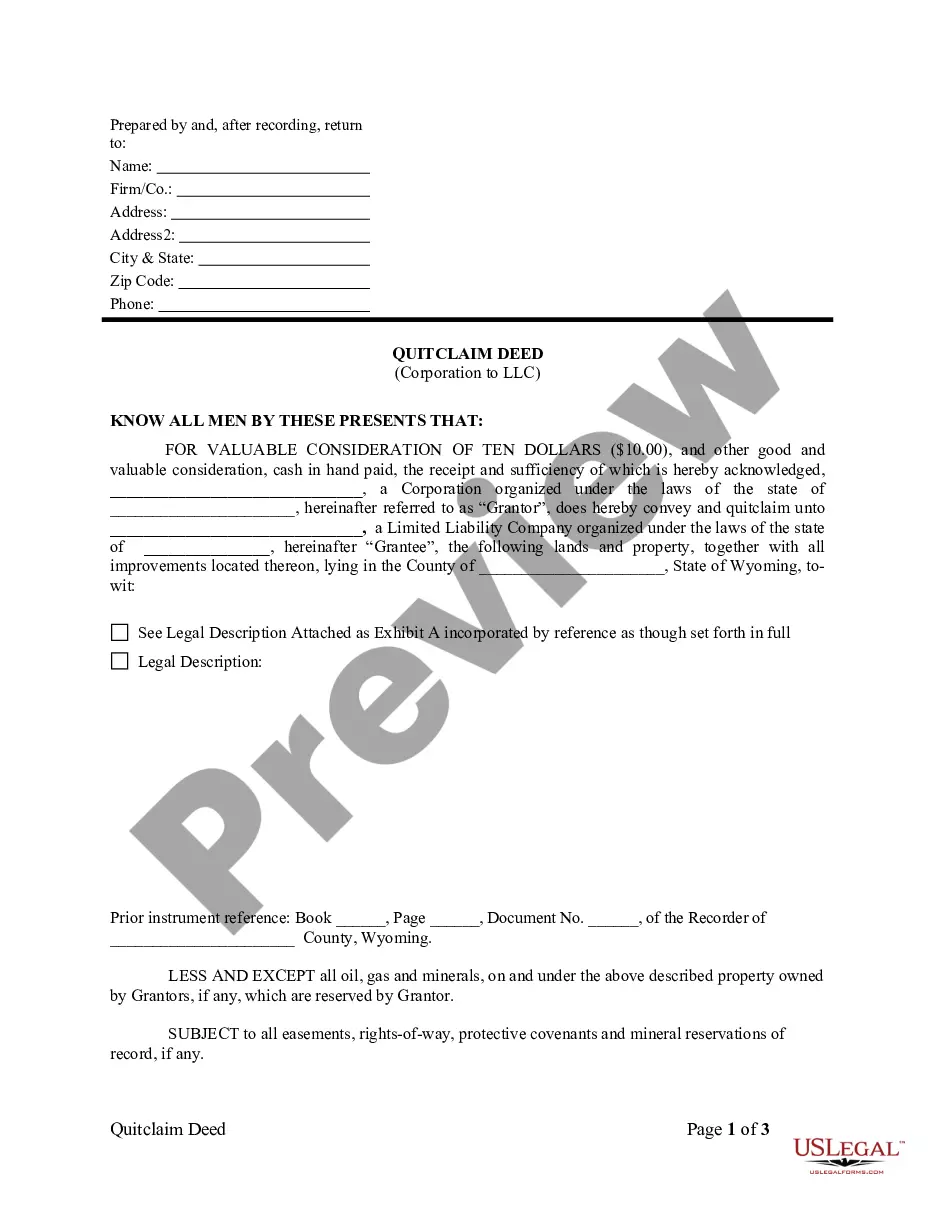

Form popularity
FAQ
It is the date the appointment was entered into the company's Register of Directors, or if a director is being appointed at the same time as the company is being formed, the appointment date is the same as the date of incorporation.
What is the retrospective effect? When a change is implemented that affects the past in addition to the present and the future, it is called a retroactive change. If the corporation makes a change in its accounting standards, for instance, such change must be treated as a change of method with a retrospective effect.
Retrospective means looking back. An art exhibit that cover an artist's entire career is called a retrospective because it looks back at the work the artist has produced over many years. Retro- means back, -spect- means look (think: spectacles), so the word means literally 'a looking back.
A company director can be appointed during company formation and at any time thereafter.
A Private Company must have a minimum of two directors and can have up to fifteen. If needed, the company can exceed this limit by appointing additional directors through a special resolution, which demands support from over 75% of the voting shareholders.
For an ordinary resolution to be passed at the meeting to appoint a director, or directors, such resolution must be supported by more than 50% of the shareholders who are eligible to vote at the meeting.
When you appoint a director with Companies House (via the AP01 form of via our system) you are able to backdate the appointment. This is because Companies House take appointments “on good faith”.
Convene a Board of Directors Meeting At a Board of Directors meeting, the necessary Board Resolution has to be passed for reappointing an Independent Director. As the re-appointment of such a Director is subject to shareholders' approval, a General Meeting also has to be convened and their authorisation granted.
For an ordinary resolution to be passed at the meeting to appoint a director, or directors, such resolution must be supported by more than 50% of the shareholders who are eligible to vote at the meeting.
The company should hold a general meeting at the time and date fixed in the board meeting and obtain shareholders' approval for the appointment of the managing director through a resolution.
