Secure Debt Any Withholding In Suffolk
Description

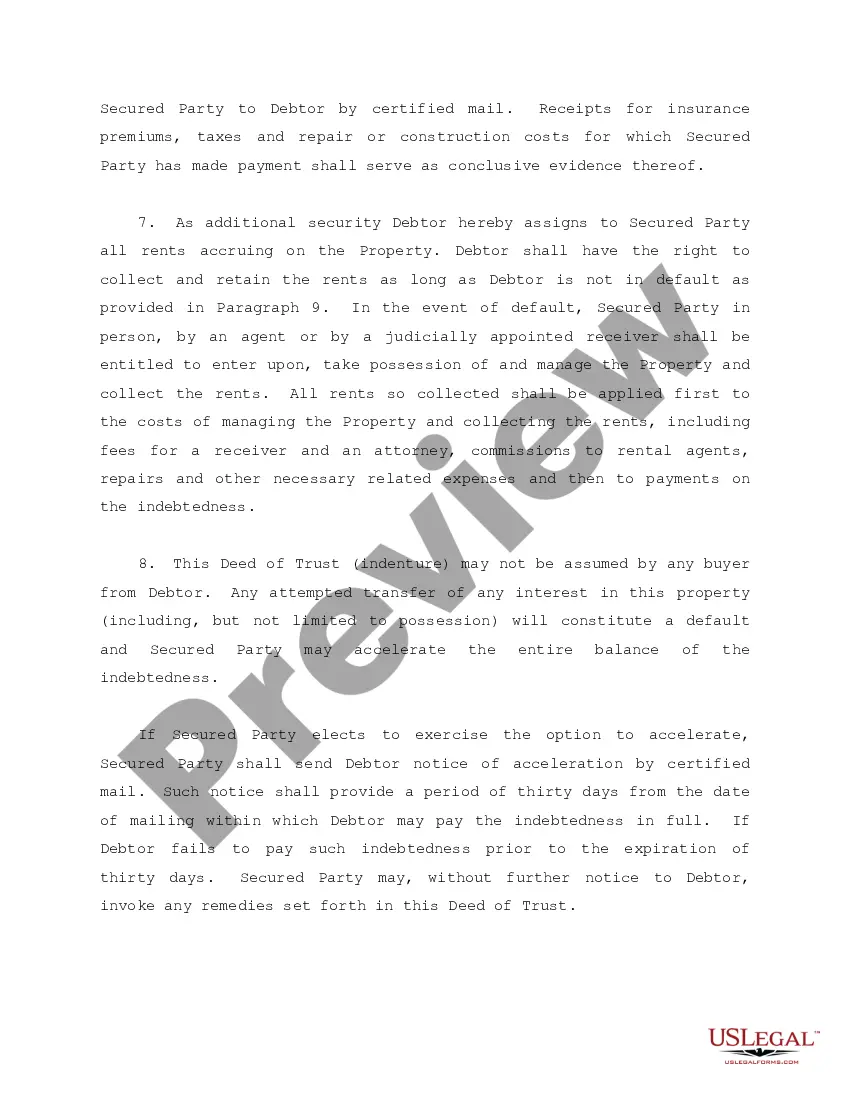
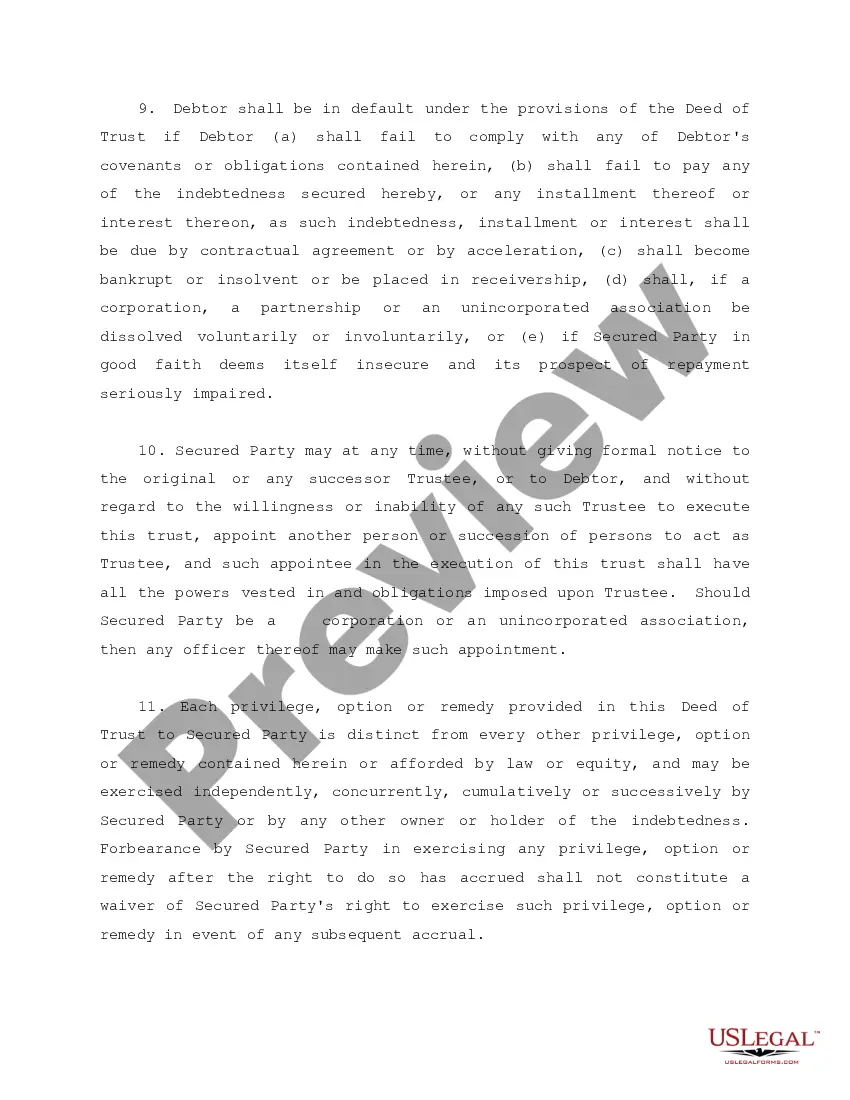
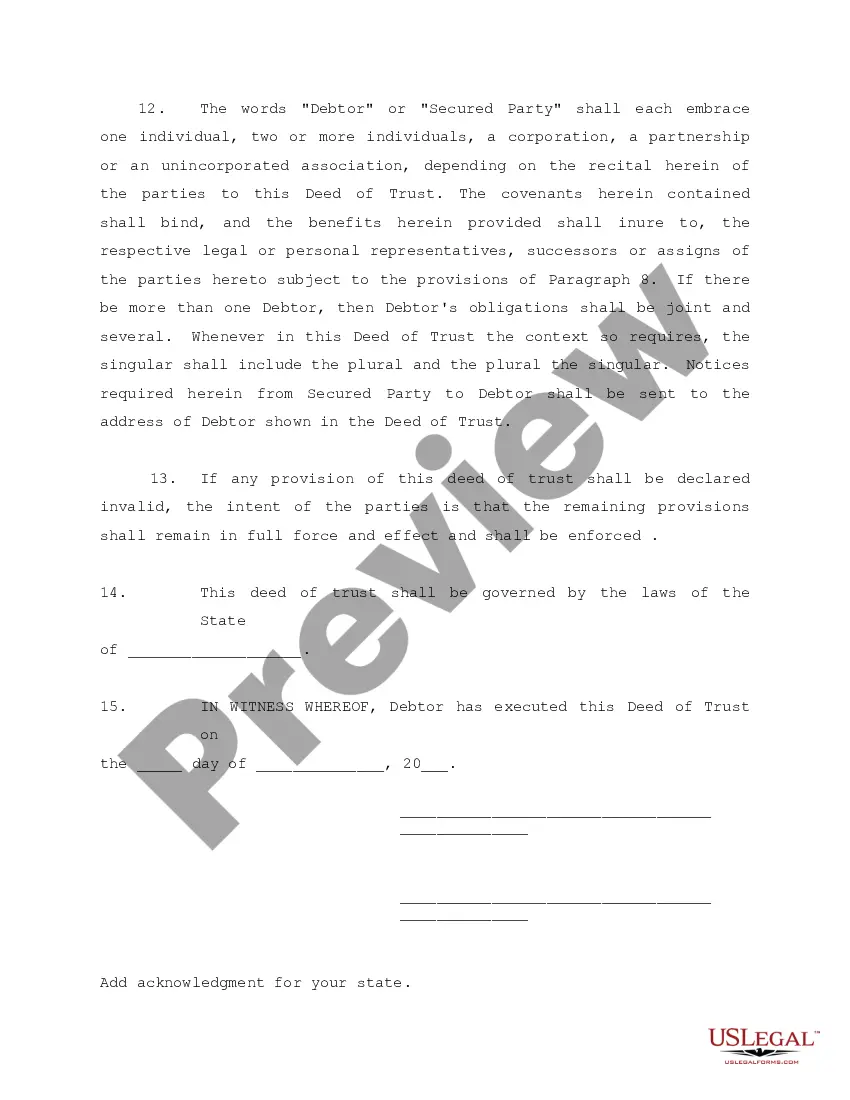
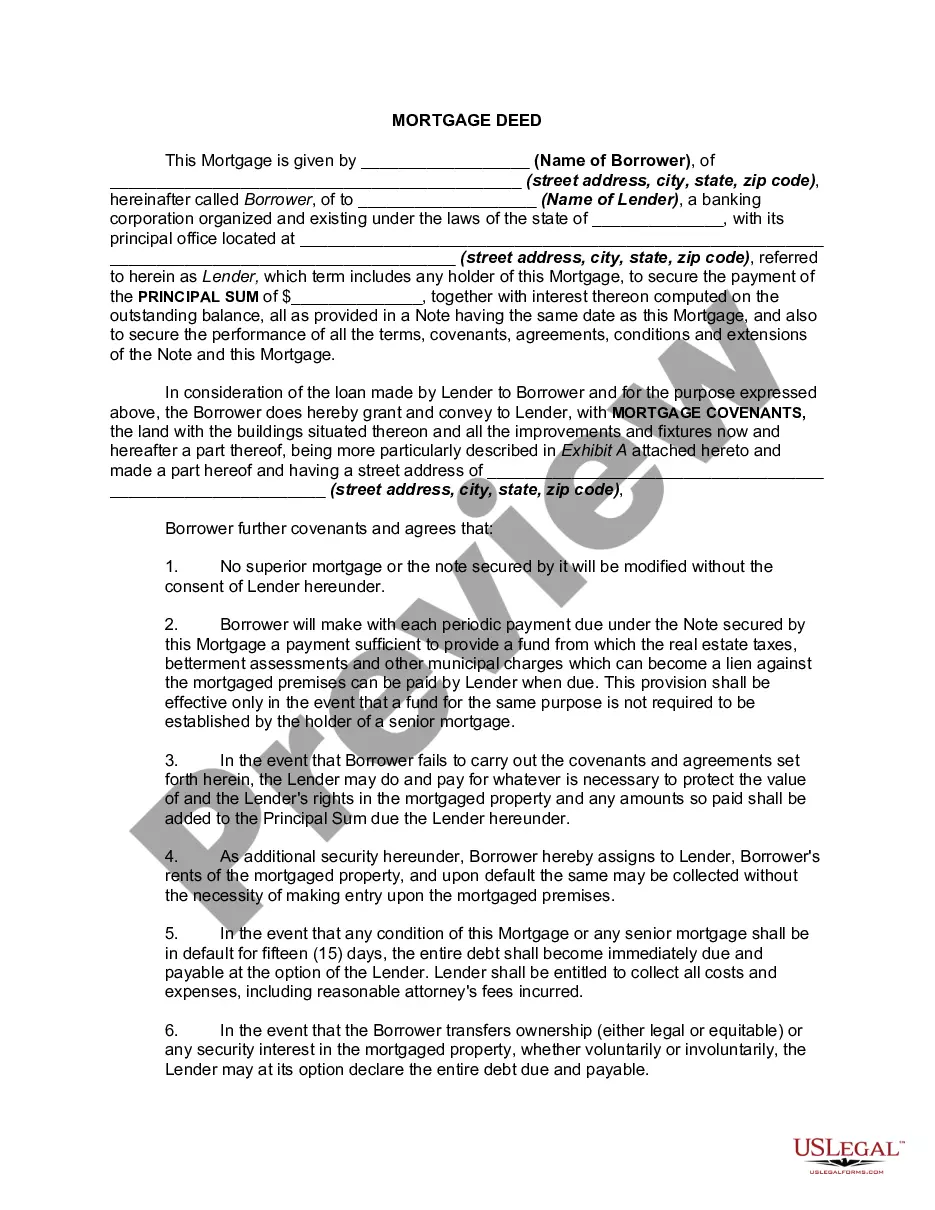

Get your form ready online
Our built-in tools help you complete, sign, share, and store your documents in one place.
Make edits, fill in missing information, and update formatting in US Legal Forms—just like you would in MS Word.
Download a copy, print it, send it by email, or mail it via USPS—whatever works best for your next step.
Sign and collect signatures with our SignNow integration. Send to multiple recipients, set reminders, and more. Go Premium to unlock E-Sign.
If this form requires notarization, complete it online through a secure video call—no need to meet a notary in person or wait for an appointment.
We protect your documents and personal data by following strict security and privacy standards.

Make edits, fill in missing information, and update formatting in US Legal Forms—just like you would in MS Word.

Download a copy, print it, send it by email, or mail it via USPS—whatever works best for your next step.

Sign and collect signatures with our SignNow integration. Send to multiple recipients, set reminders, and more. Go Premium to unlock E-Sign.

If this form requires notarization, complete it online through a secure video call—no need to meet a notary in person or wait for an appointment.

We protect your documents and personal data by following strict security and privacy standards.
Looking for another form?
Form popularity
FAQ
Certain types of funds are exempt from restraint or levy. These funds include: Supplemental security income (SSI) Social security.
Generally, Social Security benefits are exempt from execution, levy, attachment, garnishment, or other legal process, or from the operation of any bankruptcy or insolvency law.
New York is one of the few states that protects your bank account by requiring the judgment creditor and the bank to take certain steps before your bank account can be levied or restrained.
Funds considered exempt from garnishment are: Social Security, Supplemental Security Income (“SSI”), Veteran's Administration (“VA”) benefits, federal Railroad Retirement, federal Railroad Unemployment and Sickness benefits, federal Civil Service Retirement benefits and federal Employee Retirement System benefits.
However, some general criteria for qualification include: Owing less than $50,000: The program is available to taxpayers with outstanding tax debts of $50,000 or less. If your debt exceeds this threshold, you may still qualify by paying down your balance to meet the requirement.
The closest thing you can get to NYS tax forgiveness is to make an Offer in Compromise, which can still settle the debt for a fraction of the original tax debt.
New York City's Offer-in-Compromise program allows qualifying financially distressed taxpayers to settle their non-property tax debt for less than the full amount owed.
A single filer with no children should claim a maximum of 1 allowance, while a married couple with one source of income should file a joint return with 2 allowances. You can also claim your children as dependents if you support them financially and they're not past the age of 19.
NYS-45, Quarterly Combined Withholding, Wage Reporting, and Unemployment Insurance Return. All employers required to withhold tax from wages must file Form NYS-45, Quarterly Combined Withholding, Wage Reporting, and Unemployment Insurance Return, each calendar quarter.
Filing online (e-file) is a secure, accurate, fast, and easy option to file your tax return.
