Secure Debt Shall Foreclose
Description

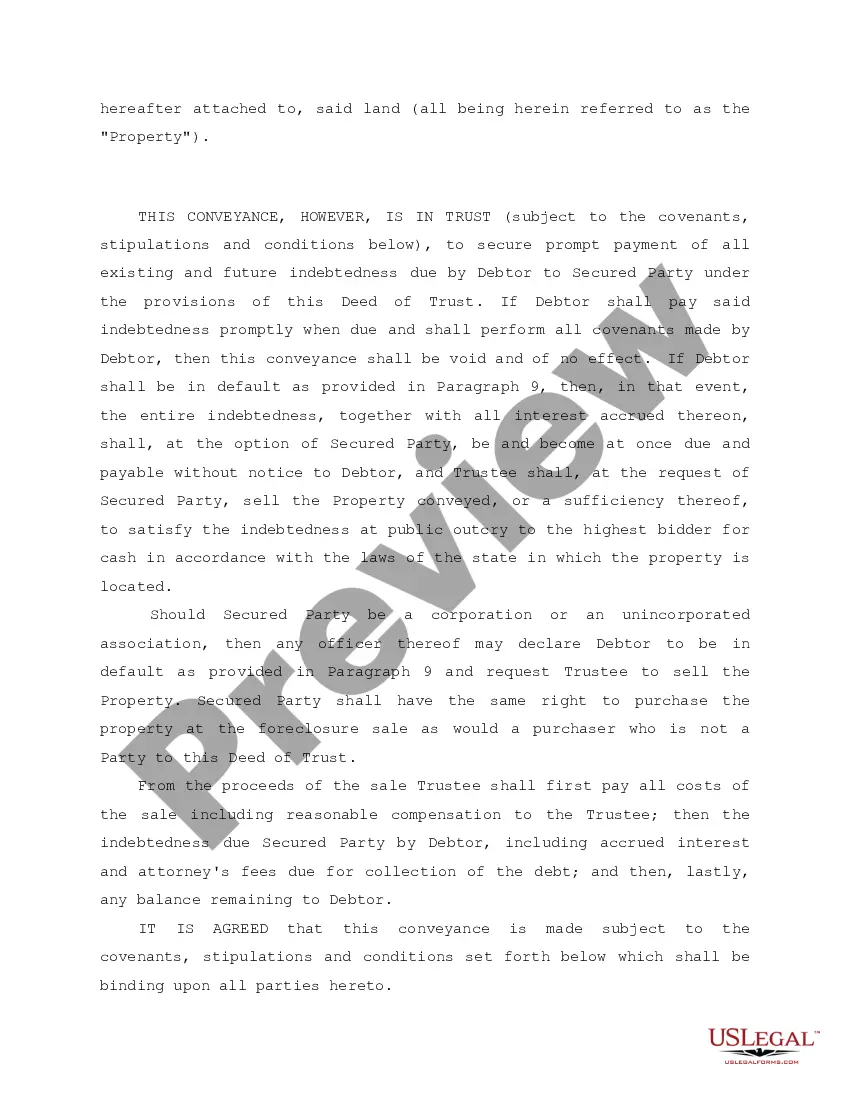
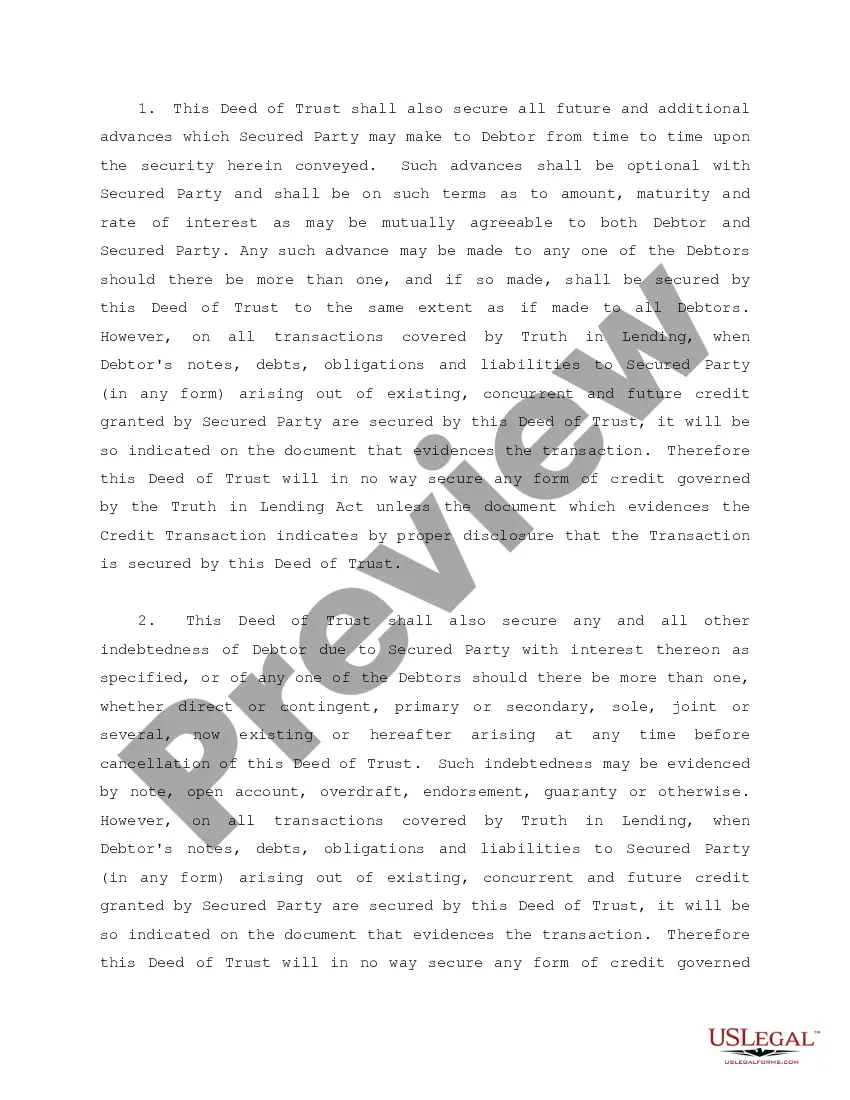
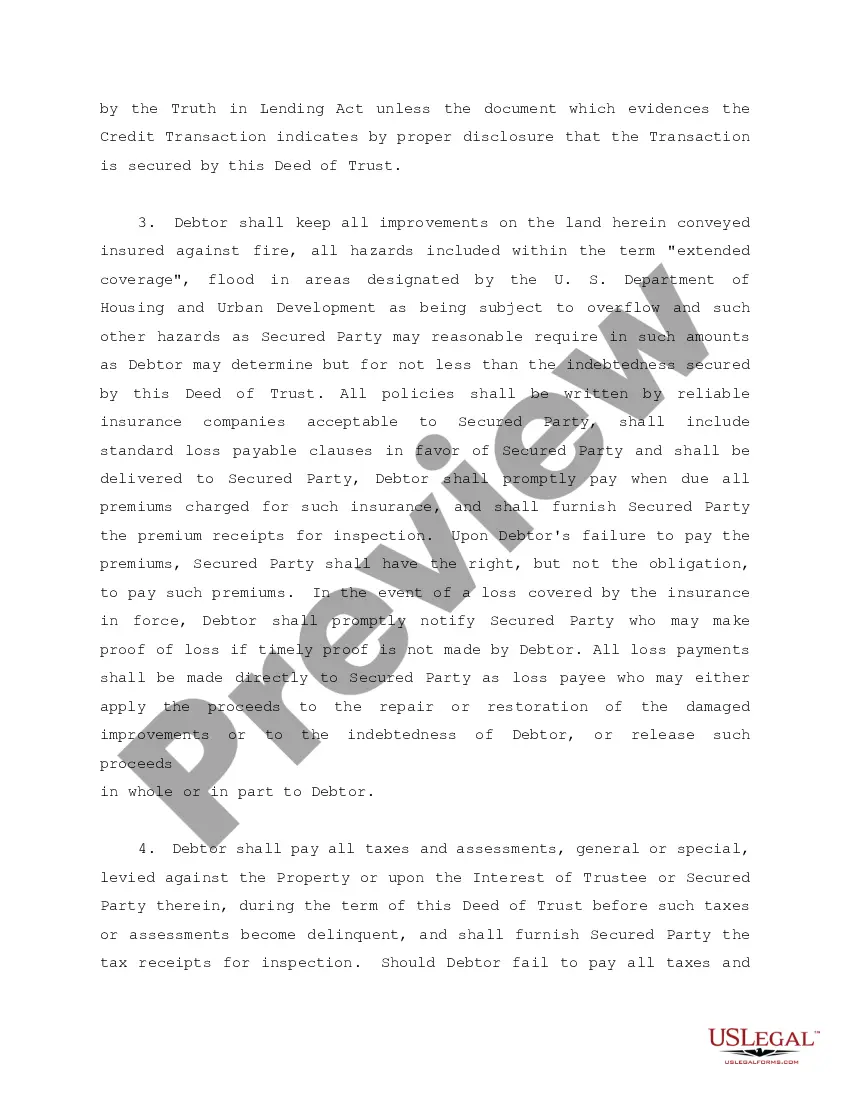
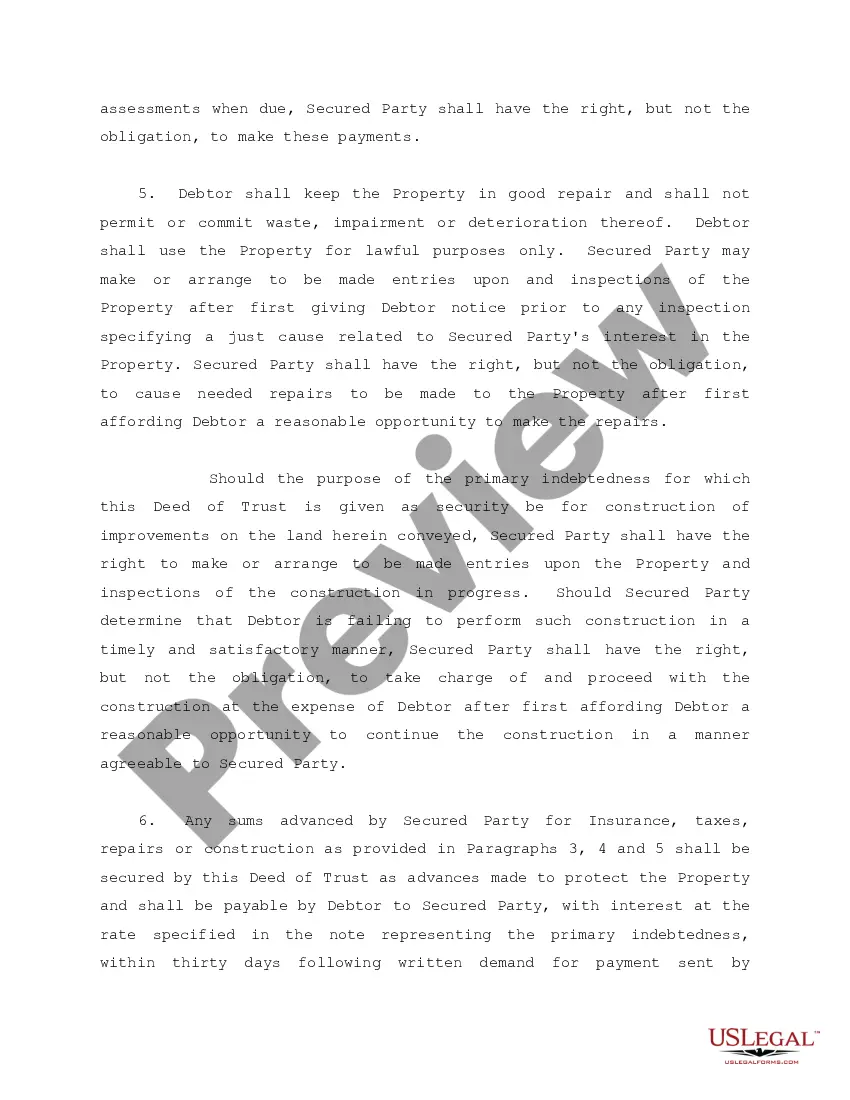

Get your form ready online
Our built-in tools help you complete, sign, share, and store your documents in one place.
Make edits, fill in missing information, and update formatting in US Legal Forms—just like you would in MS Word.
Download a copy, print it, send it by email, or mail it via USPS—whatever works best for your next step.
Sign and collect signatures with our SignNow integration. Send to multiple recipients, set reminders, and more. Go Premium to unlock E-Sign.
If this form requires notarization, complete it online through a secure video call—no need to meet a notary in person or wait for an appointment.
We protect your documents and personal data by following strict security and privacy standards.

Make edits, fill in missing information, and update formatting in US Legal Forms—just like you would in MS Word.

Download a copy, print it, send it by email, or mail it via USPS—whatever works best for your next step.

Sign and collect signatures with our SignNow integration. Send to multiple recipients, set reminders, and more. Go Premium to unlock E-Sign.

If this form requires notarization, complete it online through a secure video call—no need to meet a notary in person or wait for an appointment.

We protect your documents and personal data by following strict security and privacy standards.
Looking for another form?
How to fill out Land Deed Of Trust?
Regardless of whether it's for corporate reasons or personal issues, everyone must confront legal situations at some point in their lives. Completing legal documents demands meticulous attention, starting with choosing the correct form template. For example, if you select an incorrect version of a Secure Debt Shall Foreclose, it will be rejected upon submission. Thus, it is essential to find a trustworthy source of legal documents like US Legal Forms.
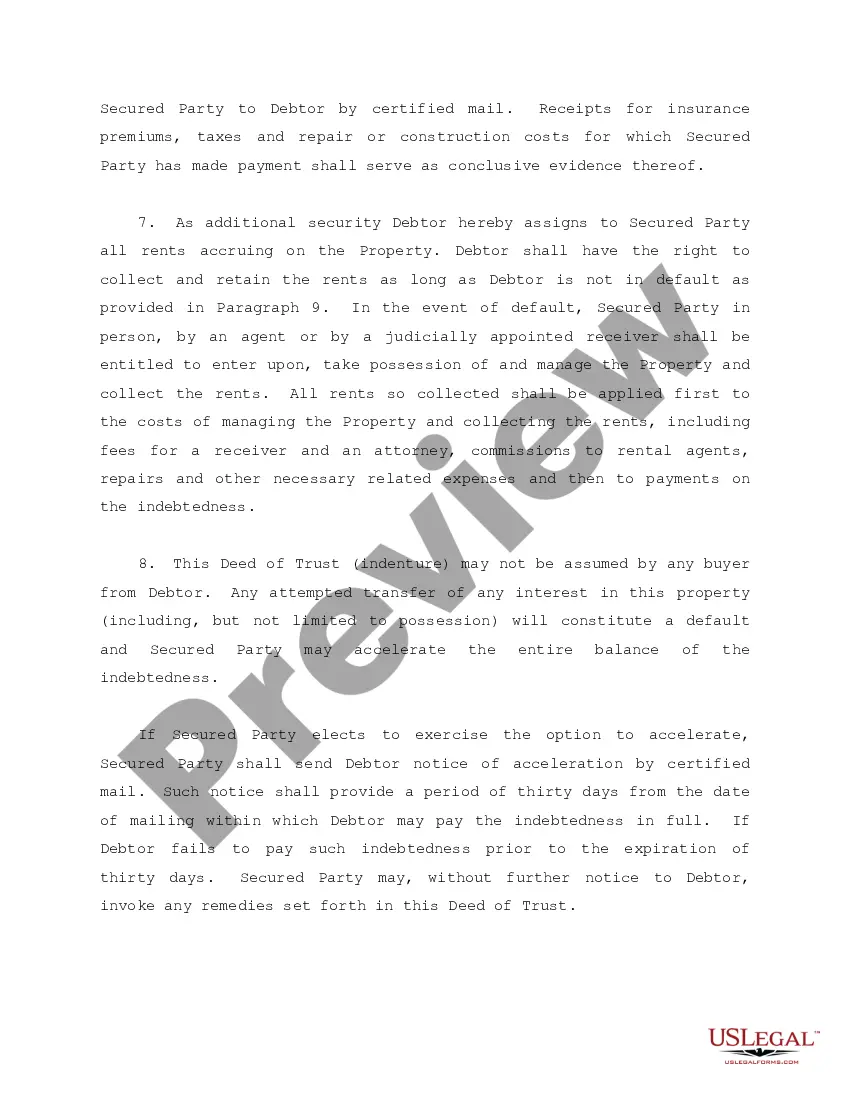
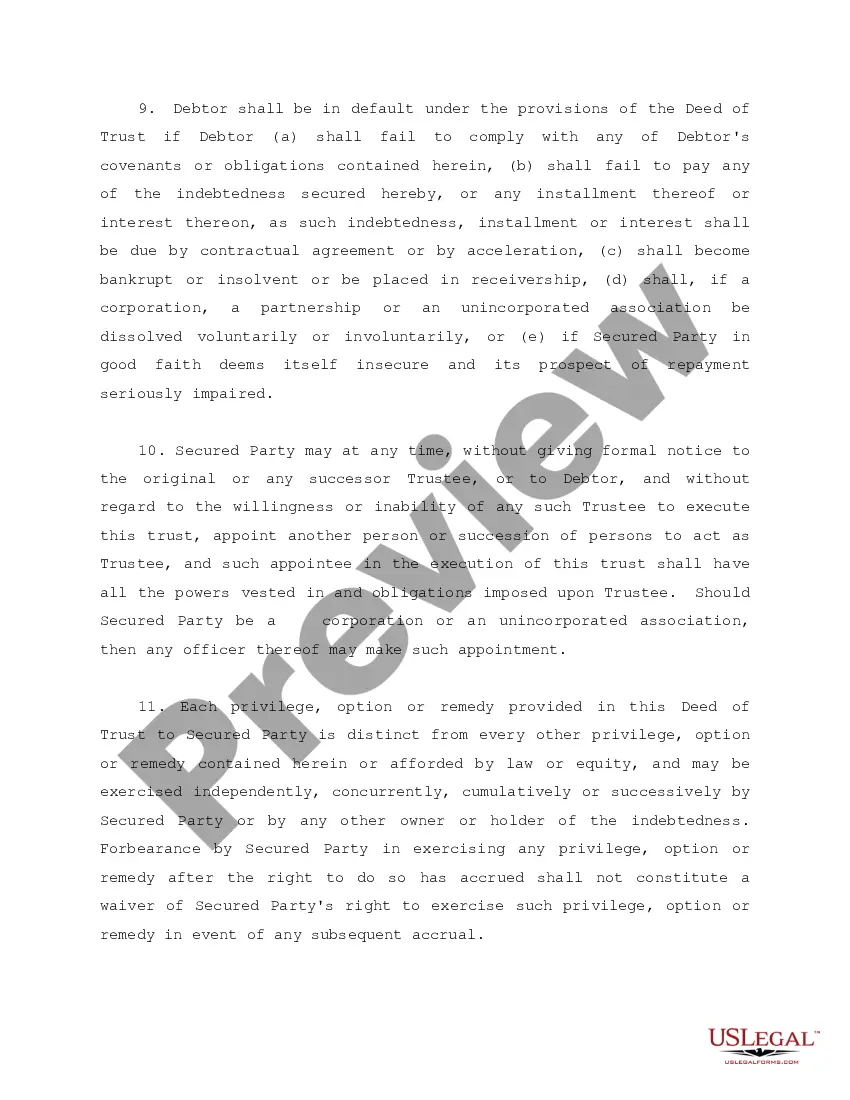
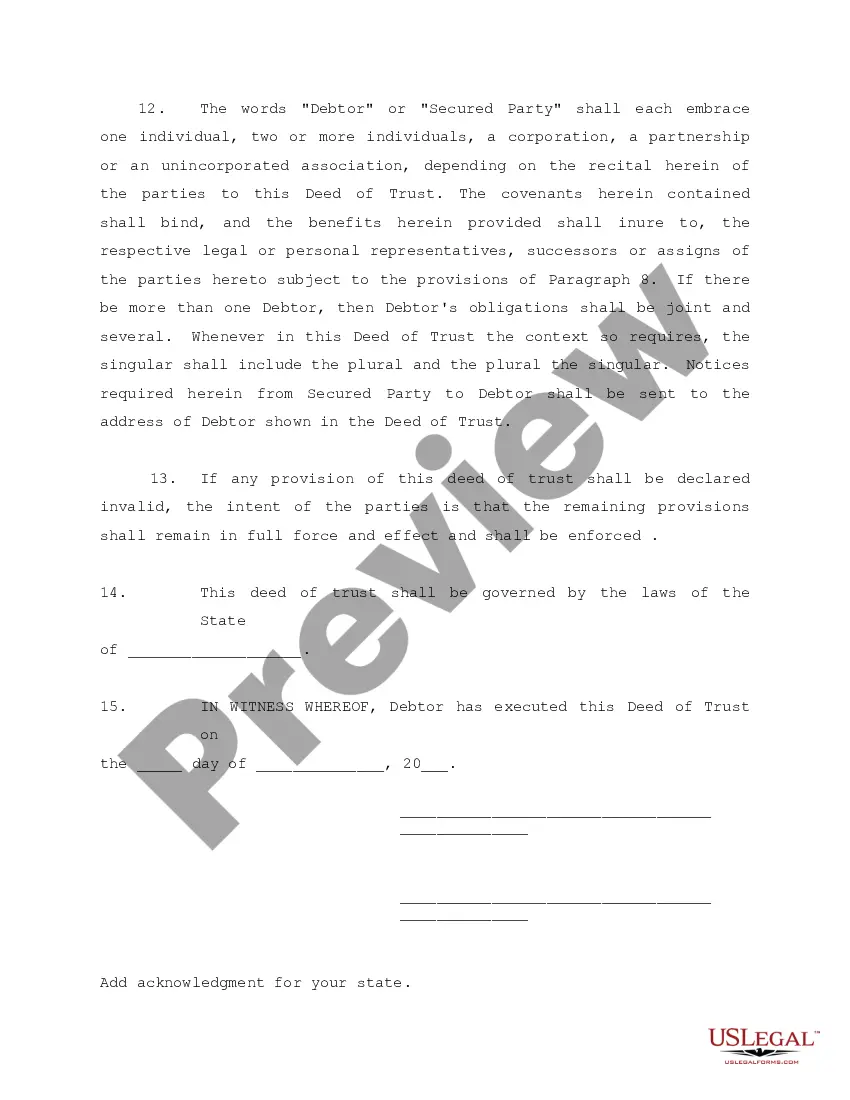
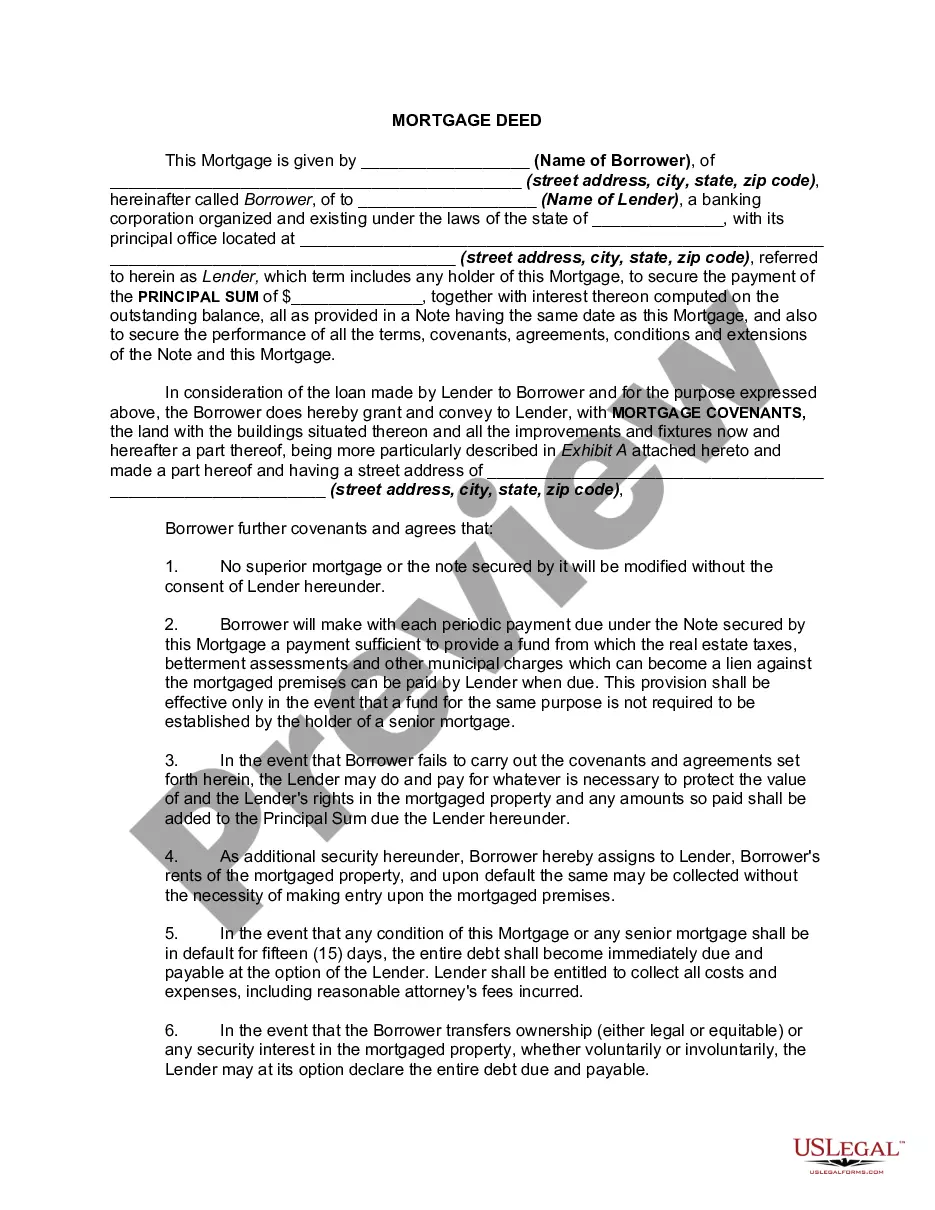
If you need to obtain a Secure Debt Shall Foreclose template, adhere to these straightforward steps: Find the template you require by using the search bar or catalog browsing. Review the form’s description to ensure it aligns with your circumstances, state, and county. Click on the form’s preview to examine it. If it is the incorrect document, return to the search tool to find the Secure Debt Shall Foreclose template you need. Acquire the template if it suits your requirements. If you have a US Legal Forms account, simply click Log in to access previously saved templates in My documents. If you do not possess an account yet, you can purchase the form by clicking Buy now. Choose the correct pricing option. Complete the profile registration form. Select your payment method: you can use a credit card or PayPal account. Choose the document format you prefer and download the Secure Debt Shall Foreclose. Once it is downloaded, you can fill out the form using editing software or print it and complete it by hand. With a vast US Legal Forms catalog available, you do not need to waste time searching for the correct template online. Utilize the library’s easy navigation to find the appropriate form for any situation.
Form popularity
FAQ
The 37 day foreclosure rule is a critical regulation that mandates lenders to notify borrowers of default and provide a grace period of 37 days. This allows borrowers to seek remedies or negotiate repayment plans before the foreclosure process advances. When aware of secure debt shall foreclose within this timeframe, borrowers can take proactive steps to protect their interests.
Foreclosing on a debt means that a lender takes legal action to recover the amount owed by seizing the collateral, usually a property. This process occurs when the borrower fails to meet their repayment obligations. Understanding how secure debt shall foreclose can prepare you for the financial implications and help you seek alternatives before reaching this stage.
Foreclosing on a deed of trust is generally faster because it involves a non-judicial process, which bypasses the court system. This allows lenders to proceed with the foreclosure without the delays associated with judicial foreclosures. If you find yourself in a situation where secure debt shall foreclose, knowing the differences can help you understand your options better.
The 37 day rule refers to a specific timeline within the foreclosure process that requires lenders to provide a notice of default and allow a 37-day period for the borrower to respond. During this time, the borrower may have the opportunity to catch up on missed payments or negotiate alternatives. Knowing that secure debt shall foreclose within this time frame can empower borrowers to take action. Always check with legal resources to ensure compliance with local laws.
In Arizona, the foreclosure process typically takes about 90 to 150 days. This timeline can vary based on factors such as whether the foreclosure is judicial or non-judicial. Non-judicial foreclosures tend to be quicker, allowing lenders to act more swiftly. Understanding how secure debt shall foreclose in Arizona can help you navigate this process more effectively.
When considering purchasing a foreclosed home, it's essential to understand the potential drawbacks. First, these properties often require significant repairs and maintenance, which can add to your costs. Additionally, the buying process can be lengthy and complicated, especially if the title is not clear. Ultimately, while secure debt shall foreclose on these homes, being informed will help you make a wise investment.
How to Fill Out Form 1099-C or Cancellation of Debt | PDFRun YouTube Start of suggested clip End of suggested clip For box one enter the earliest identifiable date when the debt was discharged. For box 2 enter theMoreFor box one enter the earliest identifiable date when the debt was discharged. For box 2 enter the amount of the debt. Actually or deemed discharged.
A power of sale clause in a deed of trust allows lenders to foreclose on a property and sell it if the borrower defaults on their monthly mortgage payments.
In general, if your debt is canceled, forgiven, or discharged for less than the amount owed, the amount of the canceled debt is taxable. If taxable, you must report the canceled debt on your tax return for the year in which the cancellation occurred.
Can I claim a loss on my tax return? No. Losses from the sale or foreclosure of personal property are not deductible.