Secure Debt Shall Forget The Day Lyrics In Pennsylvania
Description

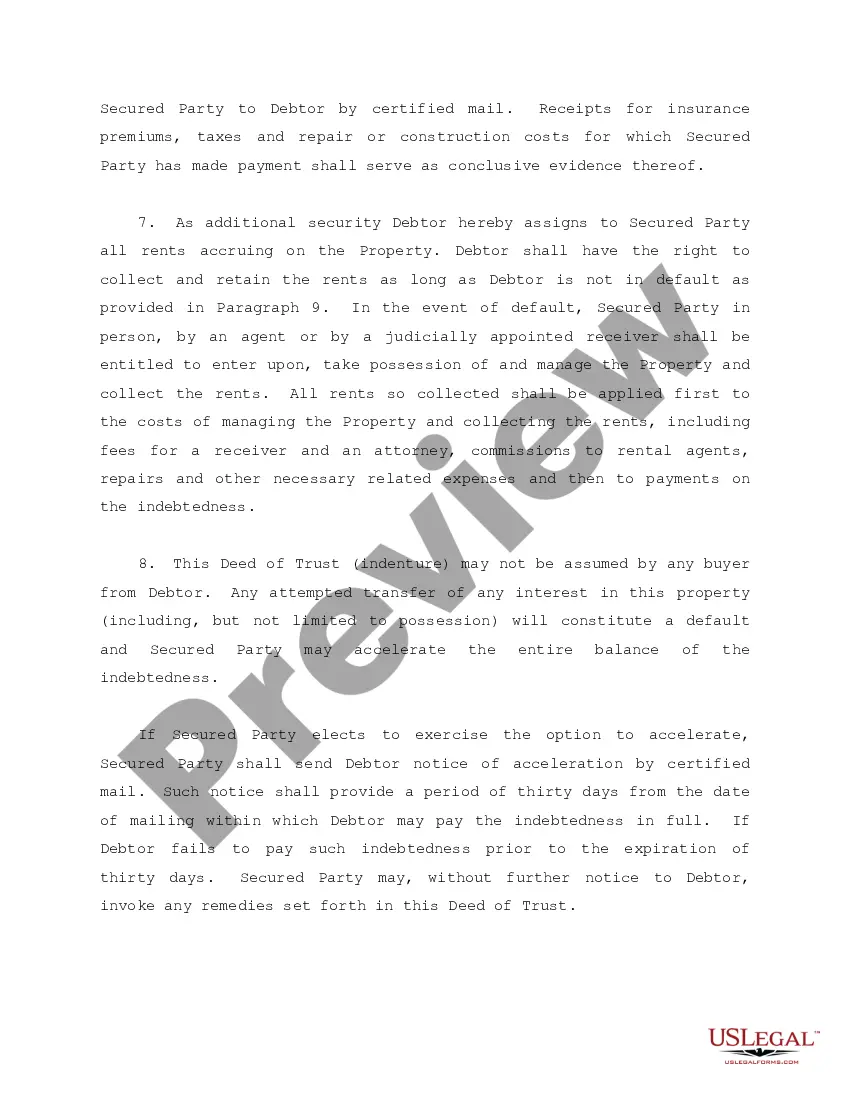
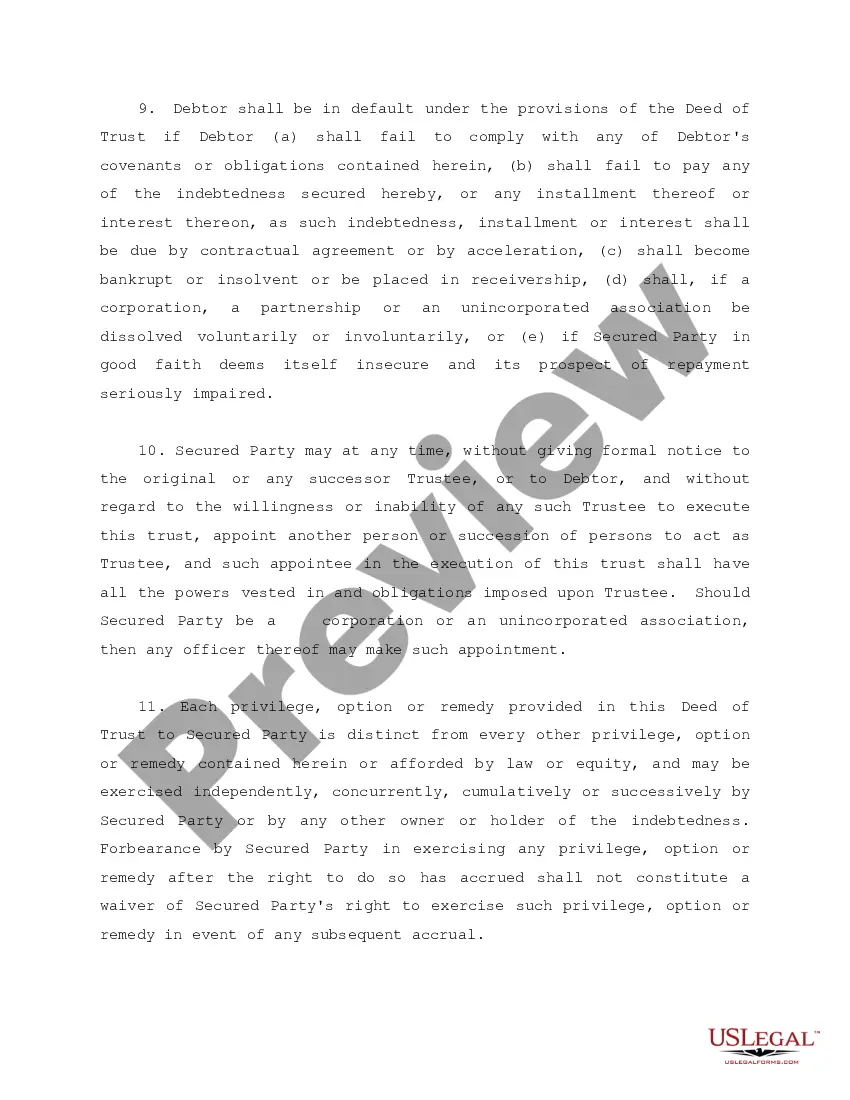
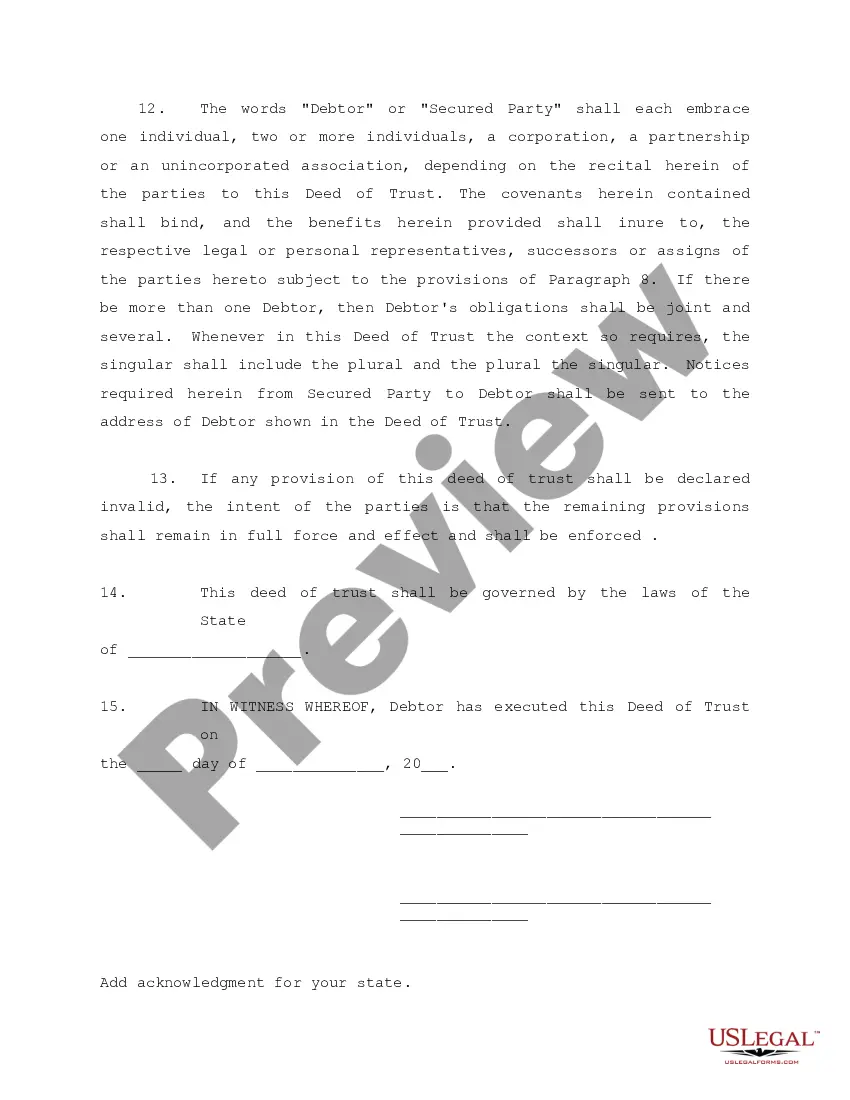
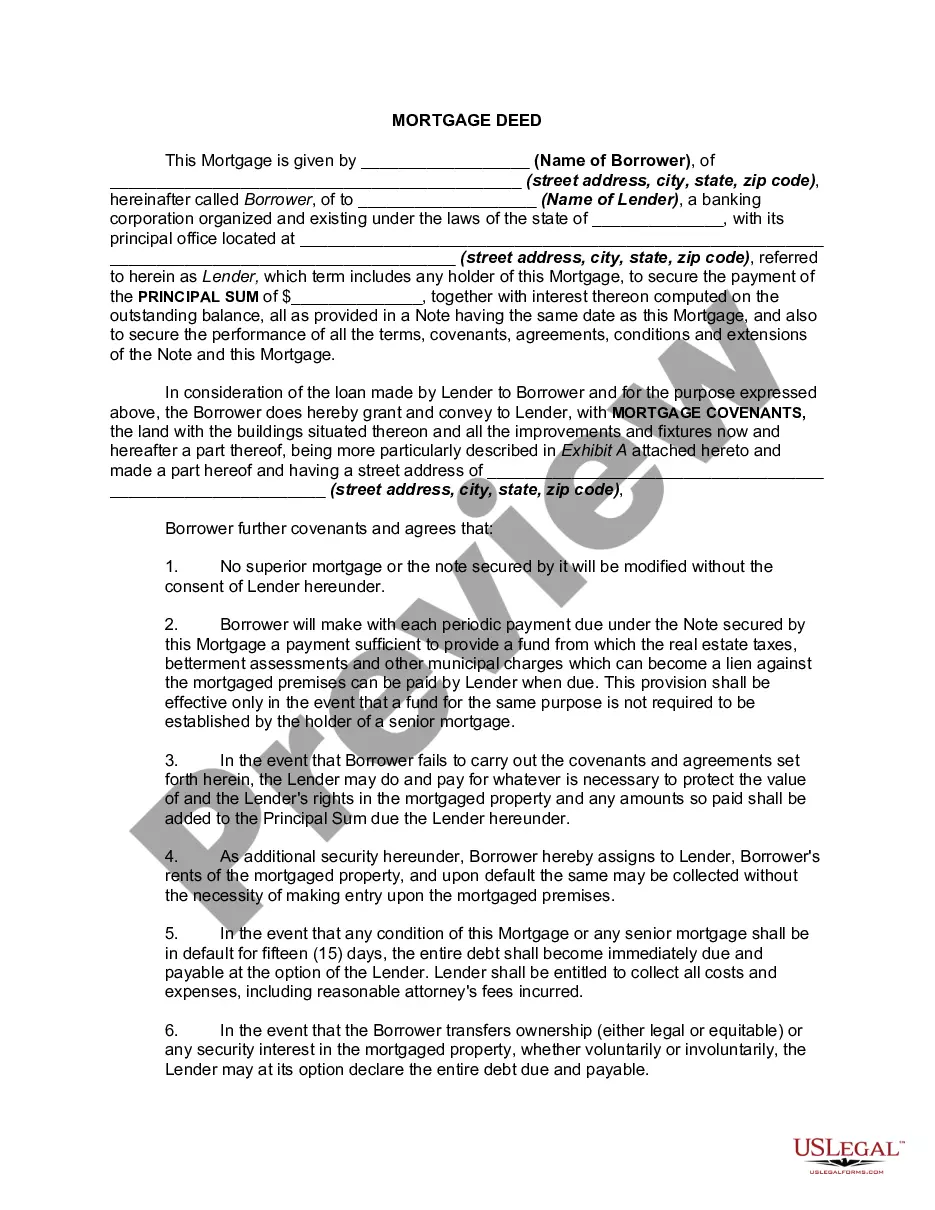

Get your form ready online
Our built-in tools help you complete, sign, share, and store your documents in one place.
Make edits, fill in missing information, and update formatting in US Legal Forms—just like you would in MS Word.
Download a copy, print it, send it by email, or mail it via USPS—whatever works best for your next step.
Sign and collect signatures with our SignNow integration. Send to multiple recipients, set reminders, and more. Go Premium to unlock E-Sign.
If this form requires notarization, complete it online through a secure video call—no need to meet a notary in person or wait for an appointment.
We protect your documents and personal data by following strict security and privacy standards.

Make edits, fill in missing information, and update formatting in US Legal Forms—just like you would in MS Word.

Download a copy, print it, send it by email, or mail it via USPS—whatever works best for your next step.

Sign and collect signatures with our SignNow integration. Send to multiple recipients, set reminders, and more. Go Premium to unlock E-Sign.

If this form requires notarization, complete it online through a secure video call—no need to meet a notary in person or wait for an appointment.

We protect your documents and personal data by following strict security and privacy standards.
Looking for another form?

Form popularity
FAQ
If the COD relates to a personal, nonbusiness debt, such as personal credit card debt, then the COD is not taxable for Pennsylvania personal income tax purposes. If the debt forgiveness was related to business, profession or farm income in the past, then the income is reported in that class of income.
The short answer is yes. If a creditor obtains a judgment against you, it can obtain a writ of execution to levy your bank account without prior notice to you.
In most states, the statute of limitations for collecting on credit card debt is between three and 10 years, but a few states allow for longer periods, extending up to 15 years.
Criminal statute of limitations is capped at the age of adulthood plus 32 years, ie age 50 for most. Criminal statute of limitations for adults is capped at 12 years after the offense was committed. Civil statute of limitations for adults is capped at 2 years after the offense was committed.
In Pennsylvania, if a creditor sues you and obtains a judgment, it can become a lien against your home or other real property. (If the judgment is from another county, the creditor would need to transfer it to your county.) However, a creditor without a judgment cannot lien your property.
What happens if a law suit is filed against you? A creditor can sue you if you get behind in your payments.