Secured Debt Shall Formula In Oakland
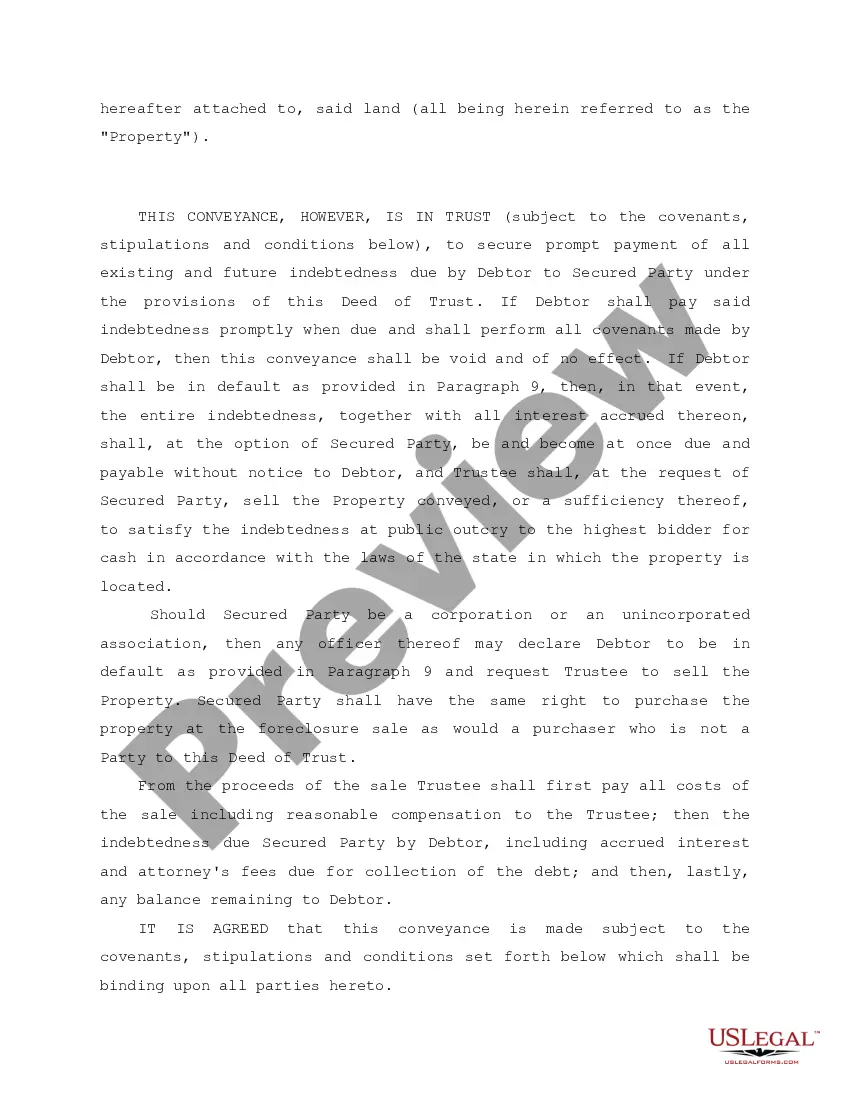
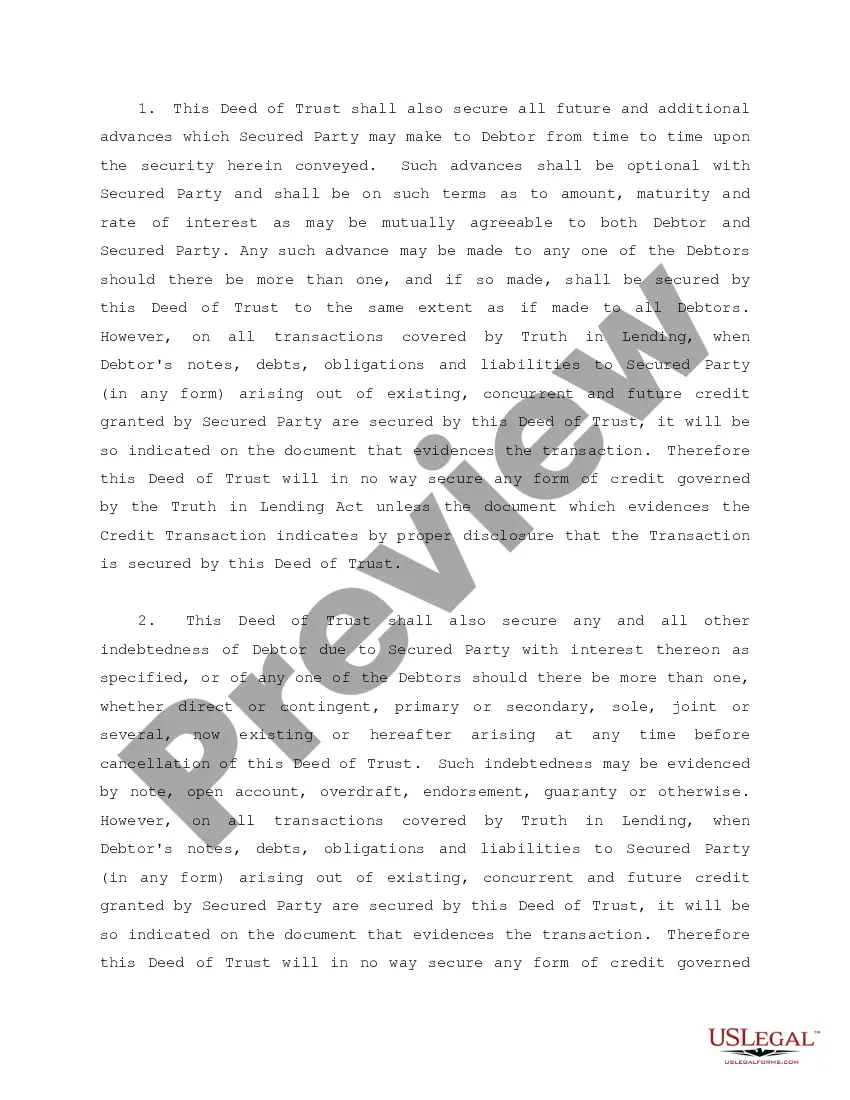
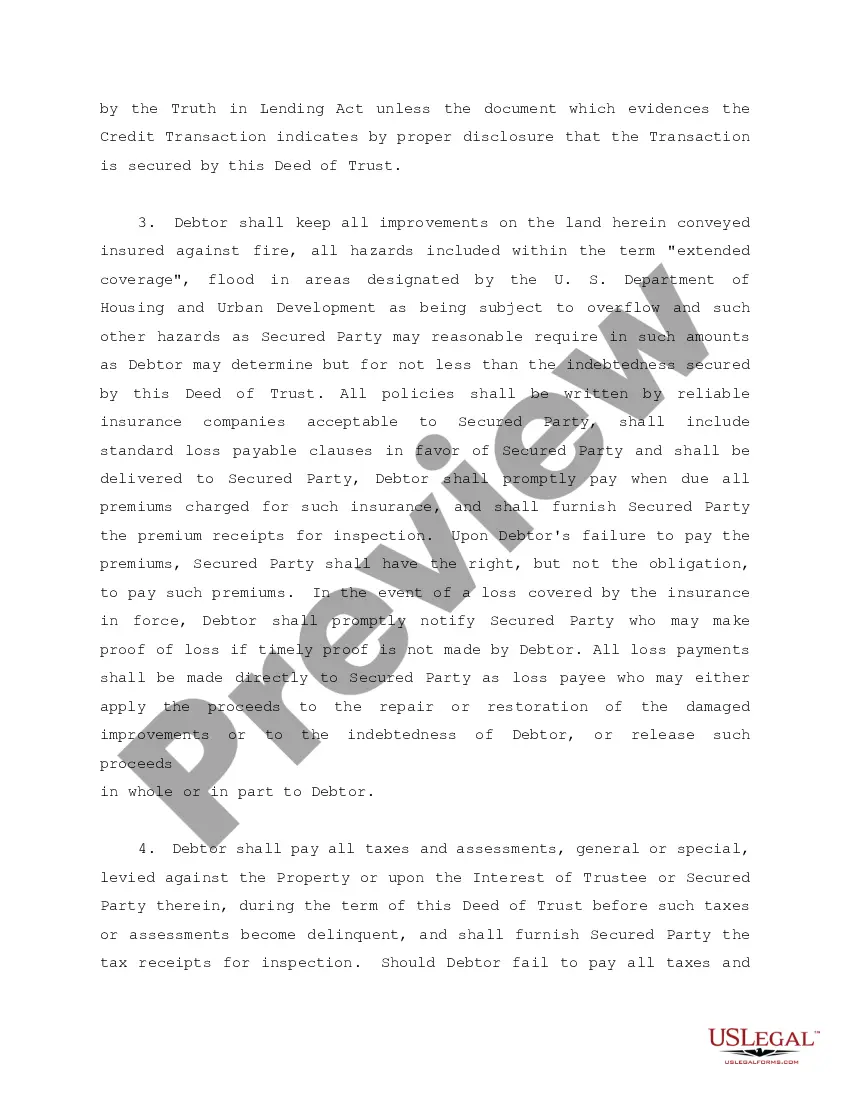
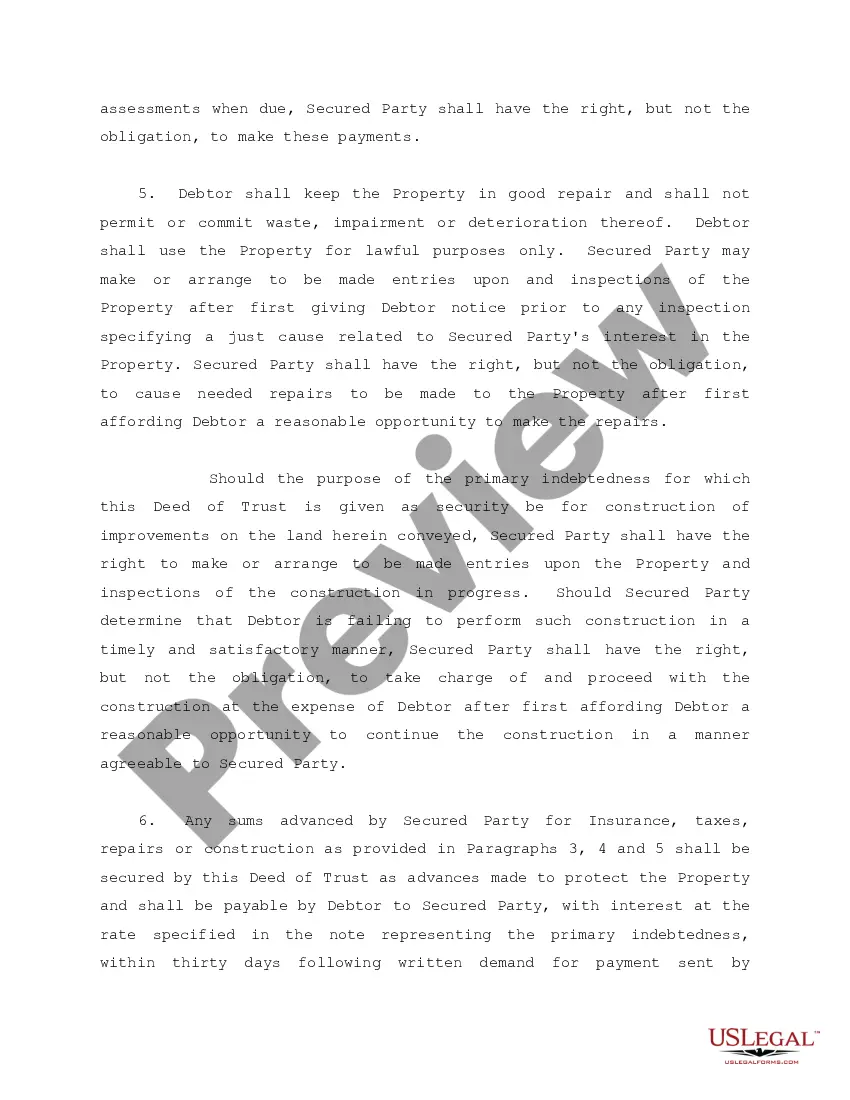
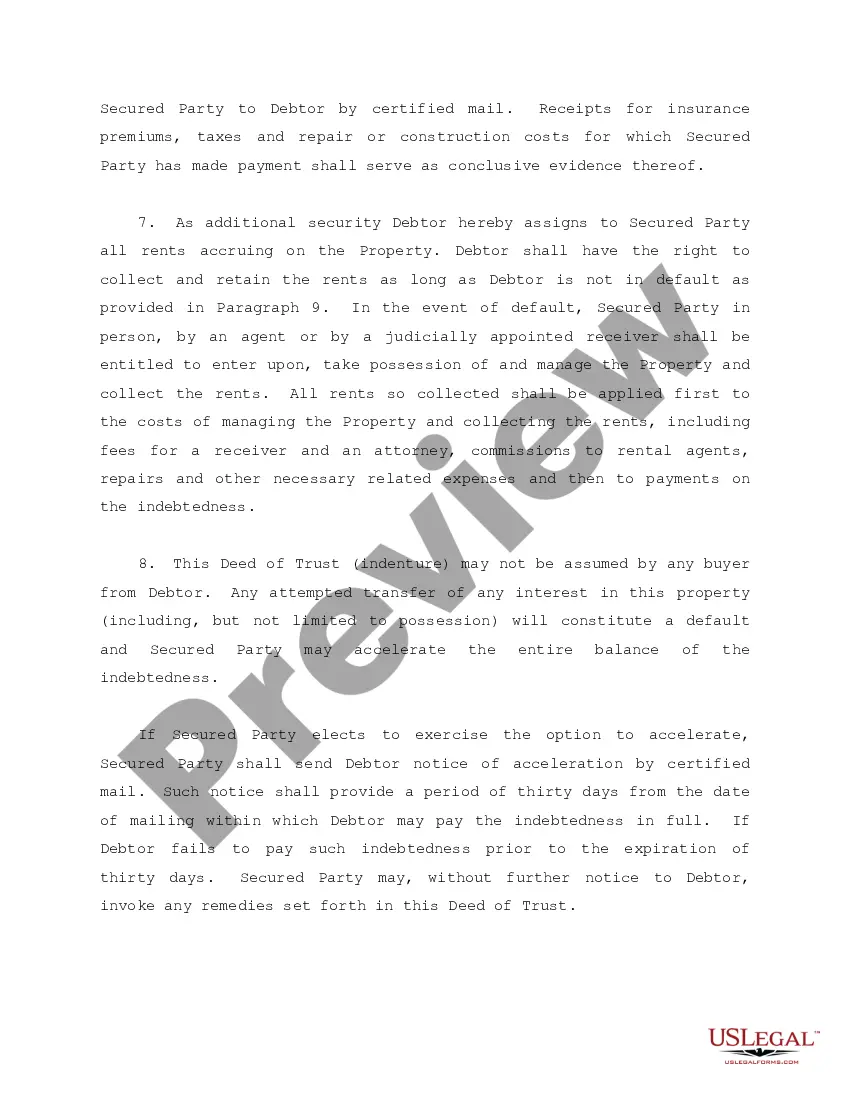
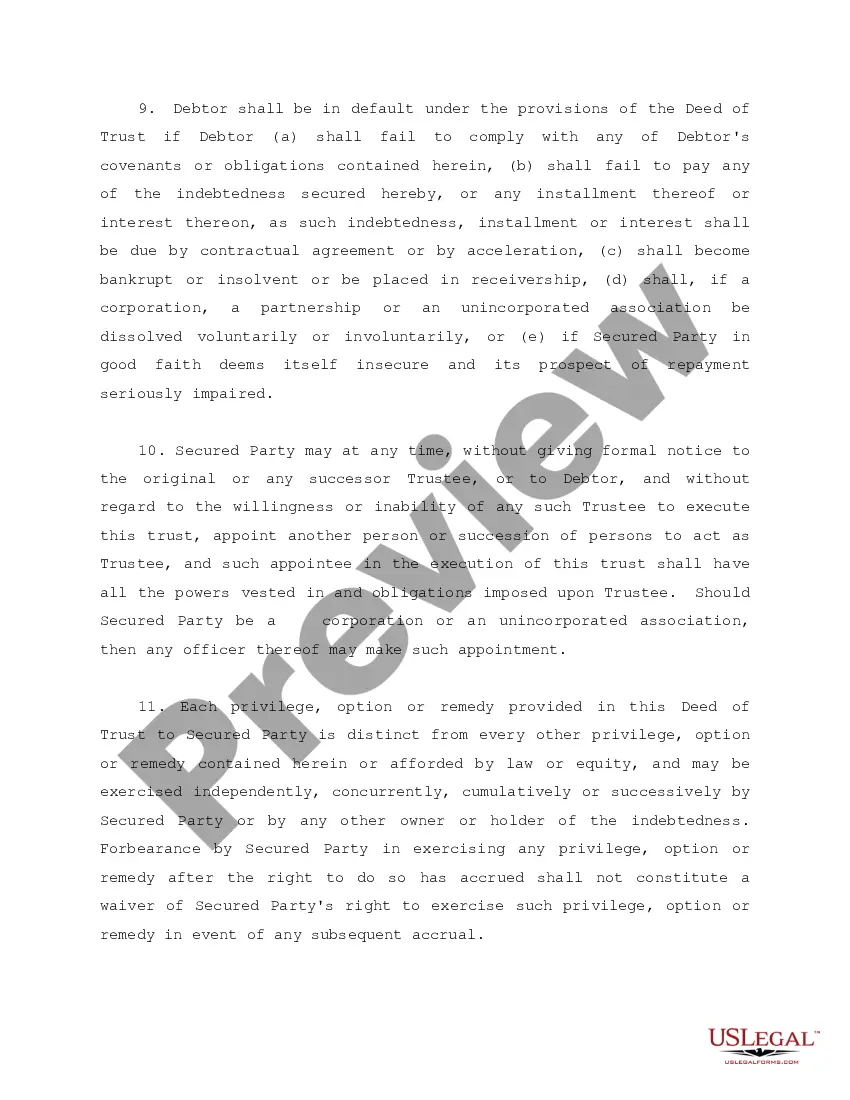
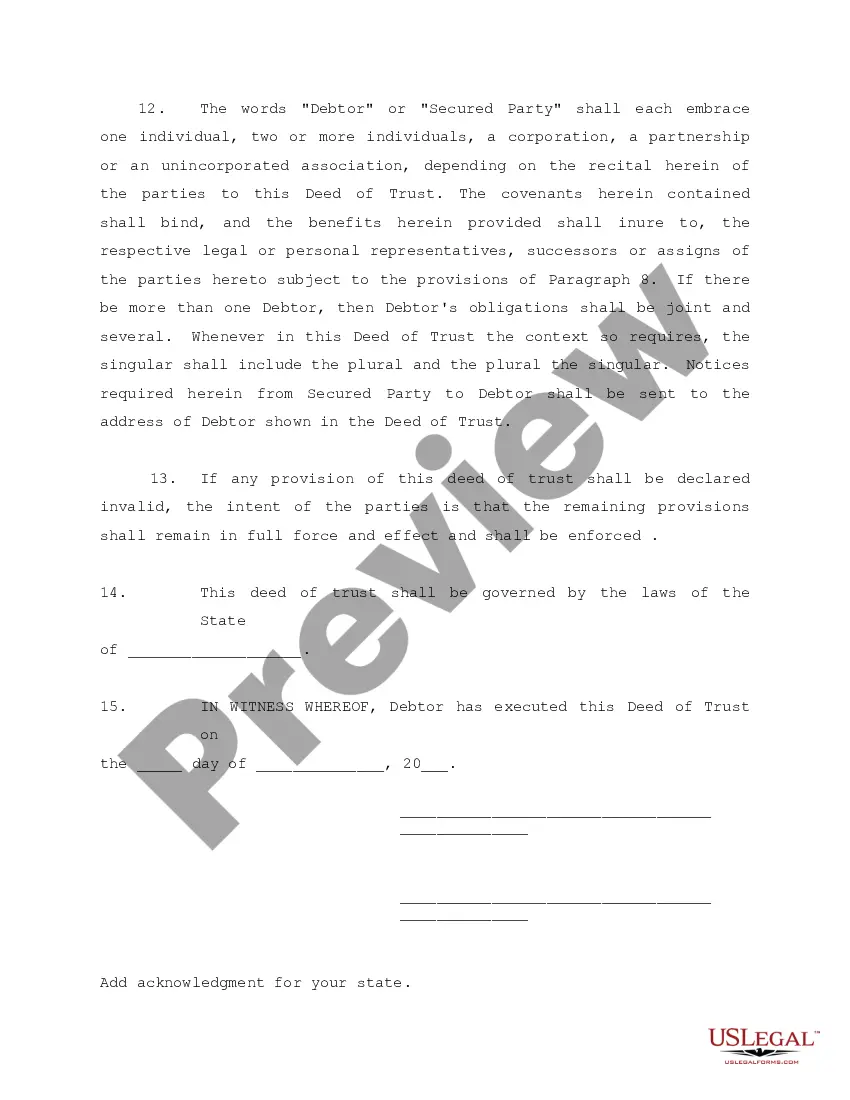
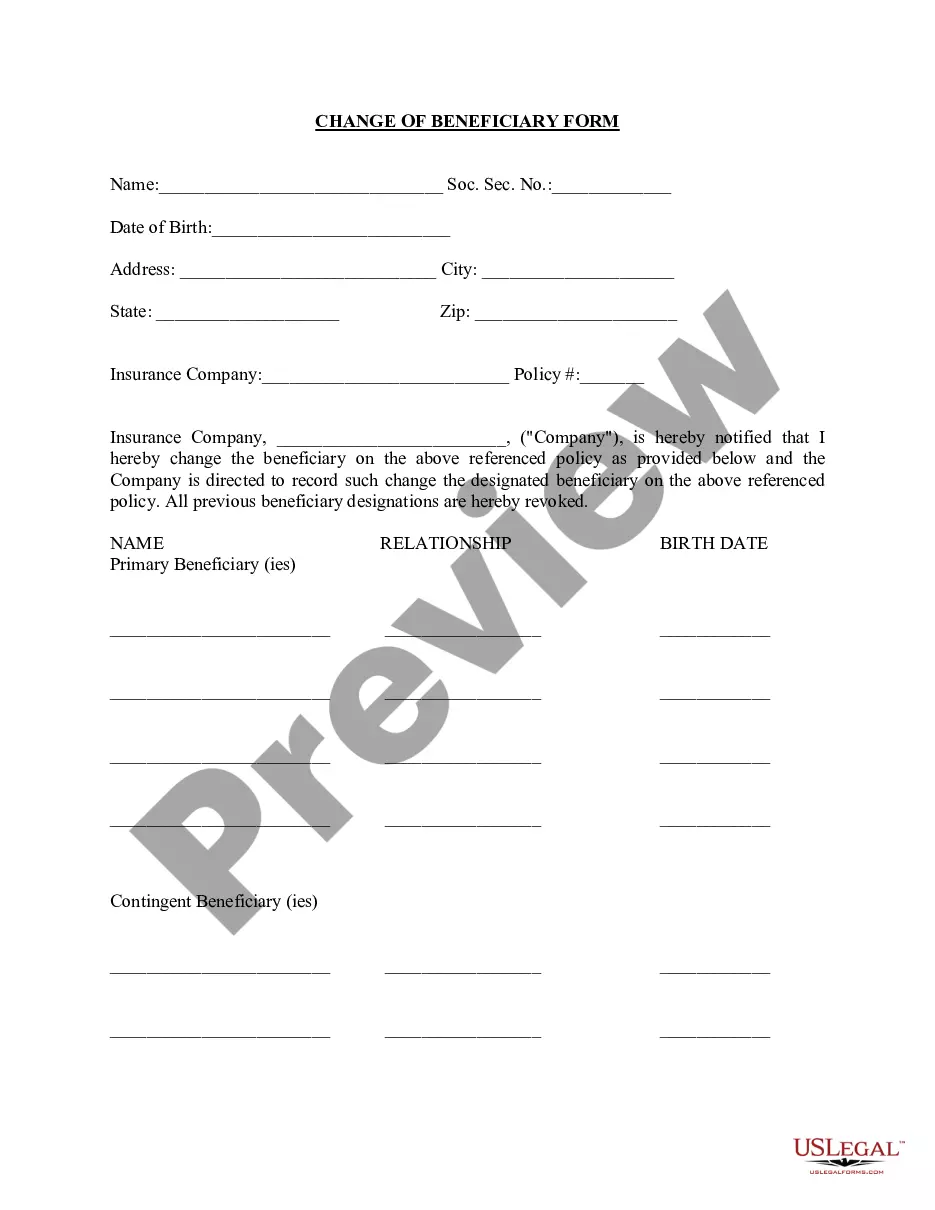
Description



Get your form ready online
Our built-in tools help you complete, sign, share, and store your documents in one place.
Make edits, fill in missing information, and update formatting in US Legal Forms—just like you would in MS Word.
Download a copy, print it, send it by email, or mail it via USPS—whatever works best for your next step.
Sign and collect signatures with our SignNow integration. Send to multiple recipients, set reminders, and more. Go Premium to unlock E-Sign.
If this form requires notarization, complete it online through a secure video call—no need to meet a notary in person or wait for an appointment.
We protect your documents and personal data by following strict security and privacy standards.

Make edits, fill in missing information, and update formatting in US Legal Forms—just like you would in MS Word.

Download a copy, print it, send it by email, or mail it via USPS—whatever works best for your next step.

Sign and collect signatures with our SignNow integration. Send to multiple recipients, set reminders, and more. Go Premium to unlock E-Sign.

If this form requires notarization, complete it online through a secure video call—no need to meet a notary in person or wait for an appointment.

We protect your documents and personal data by following strict security and privacy standards.
Looking for another form?




Form popularity
FAQ
Chapter 7 bankruptcy is generally more damaging to credit initially because it involves liquidating assets and stays on your credit report for 10 years, whereas Chapter 13 stays for 7 years and demonstrates an effort to repay debts through a structured plan, which may soften the impact over time.
Chapter 13 Eligibility Any individual, even if self-employed or operating an unincorporated business, is eligible for chapter 13 relief as long as the individual's combined total secured and unsecured debts are less than $2,750,000 as of the date of filing for bankruptcy relief. 11 U.S.C. § 109(e).
A Chapter 13 bankruptcy lasts between three and five years. Absent limited exceptions, the bankruptcy court is not likely to allow a debtor to finish the Chapter 13 plan period early and will require you to stick to the repayment plan length.
The court may deny an individual debtor's discharge in a chapter 7 or 13 case if the debtor fails to complete "an instructional course concerning financial management." The Bankruptcy Code provides limited exceptions to the "financial management" requirement if the U.S. trustee or bankruptcy administrator determines ...
Incomplete or Inaccurate Documentation: Filing for Chapter 13 bankruptcy requires comprehensive documentation, including income records, tax returns, and a complete list of debts and assets. Failure to provide accurate or complete information may result in disqualification or case dismissal.
Chapter 13 Eligibility Any individual, even if self-employed or operating an unincorporated business, is eligible for chapter 13 relief as long as the individual's combined total secured and unsecured debts are less than $2,750,000 as of the date of filing for bankruptcy relief. 11 U.S.C. § 109(e).
There is no minimum amount of debt you must be in to file for Chapter 13 bankruptcy. However, your combined secured and unsecured debt cannot exceed $2,750,000 on your filing date, per the United States Courts. Chapter 13 allows you to create a plan to repay your debt given that you make a consistent income.
Filing for Chapter 7 bankruptcy eliminates credit card debt, medical bills and unsecured loans; however, there are some debts that cannot be discharged. Those debts include child support, spousal support obligations, student loans, judgments for damages resulting from drunk driving accidents, and most unpaid taxes.
If you file for a Chapter 7 bankruptcy, your secured debt may be discharged, but the lender is also able to repossess the property that secured the debt. In other words, if you have a mortgage on your home and file a Chapter 7 bankruptcy, the mortgage debt may be discharged but the lender can take back your home.
Fill in your full name and contact details as the creditor. Specify the full debt amount owed with supporting documents attached. Describe the debt origins and timeline. Attach any credit agreements, invoices, demands sent to the debtor, and related correspondence.
