Leased Employee Agreement With Japan In North Carolina
Description
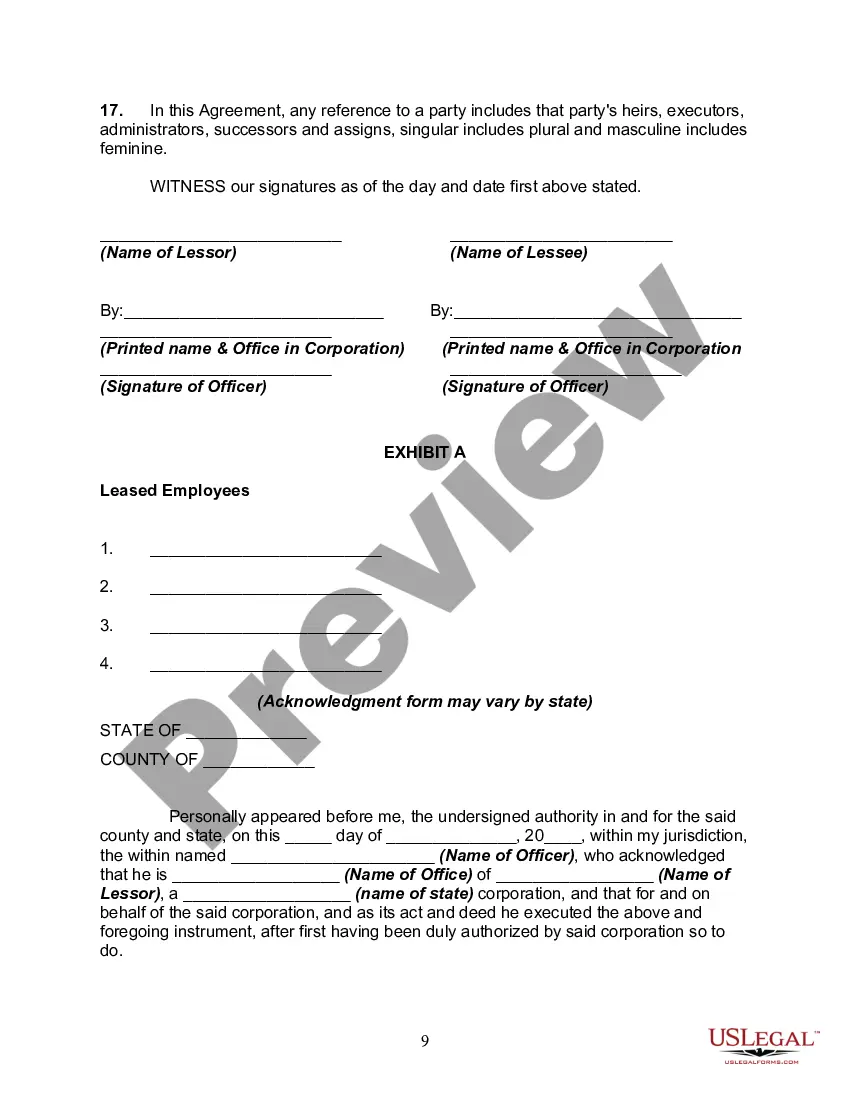
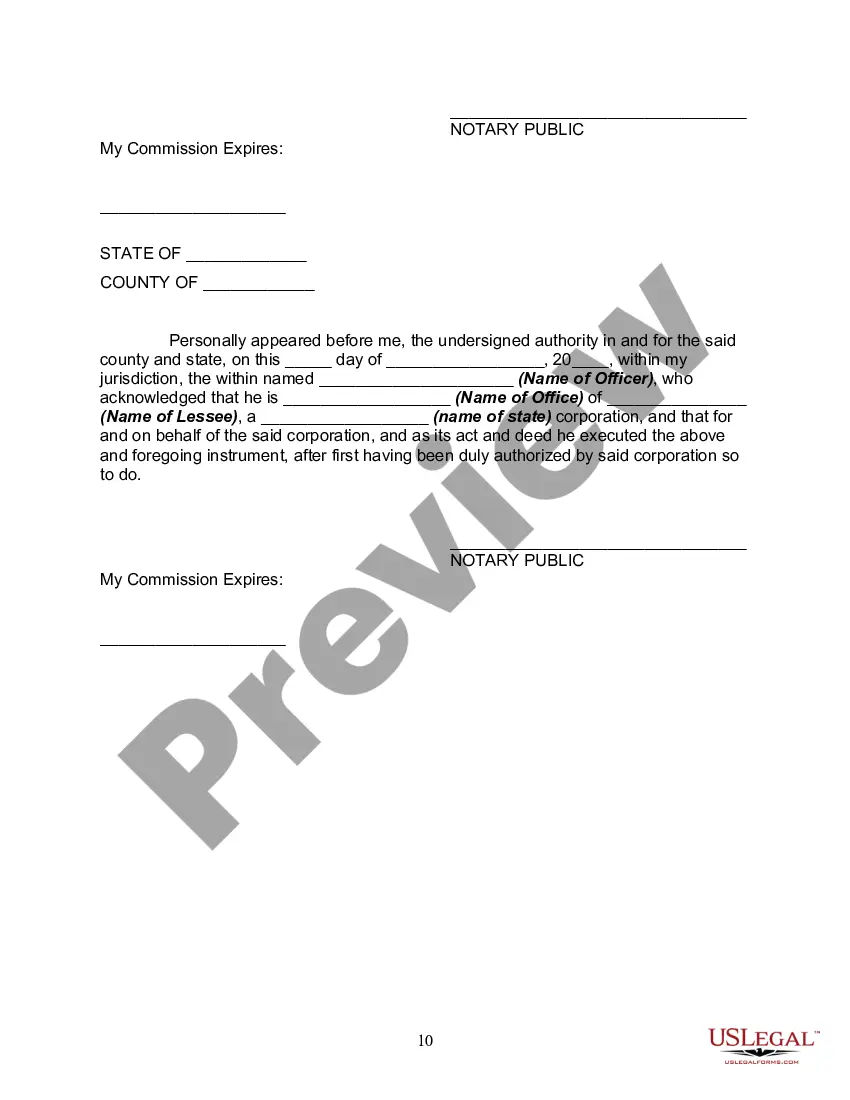
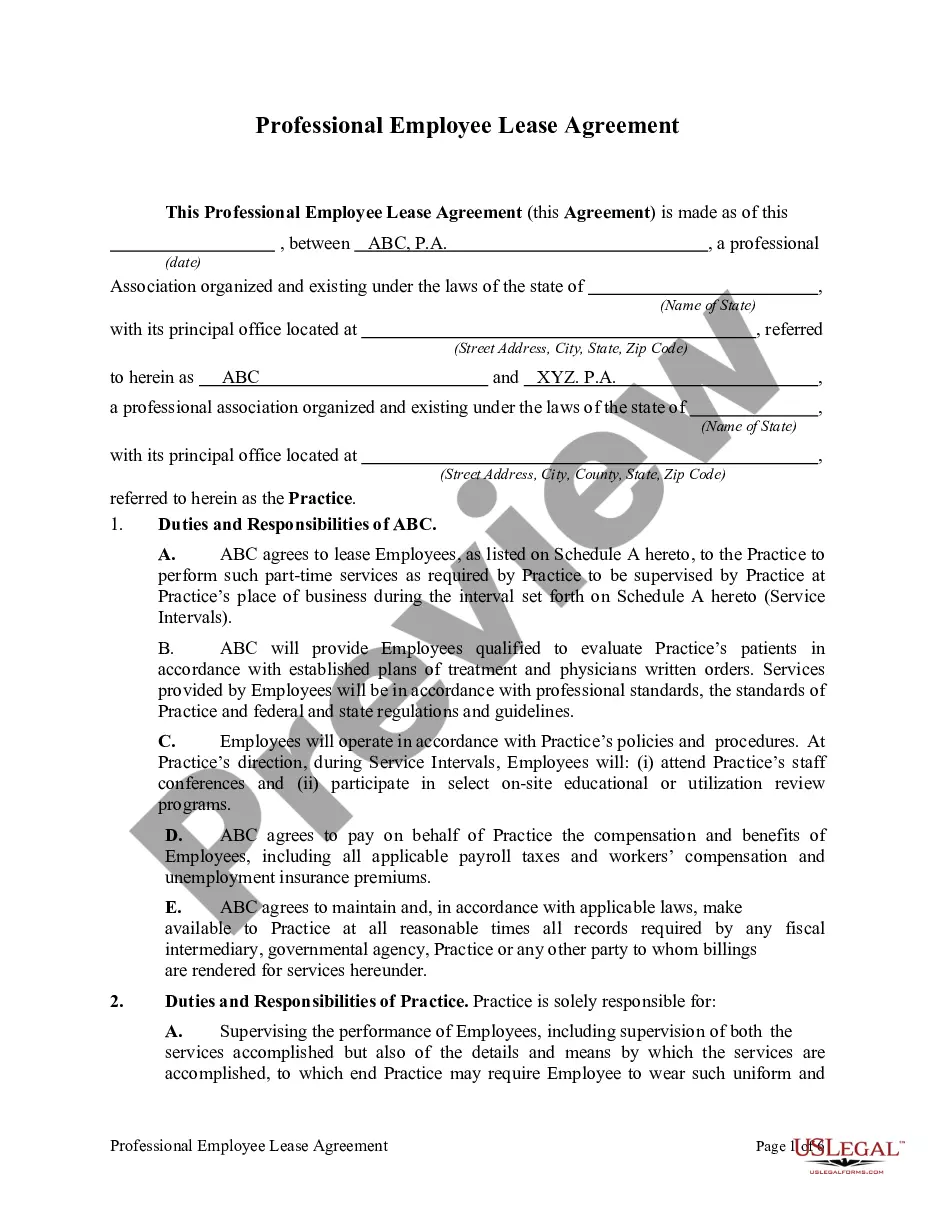
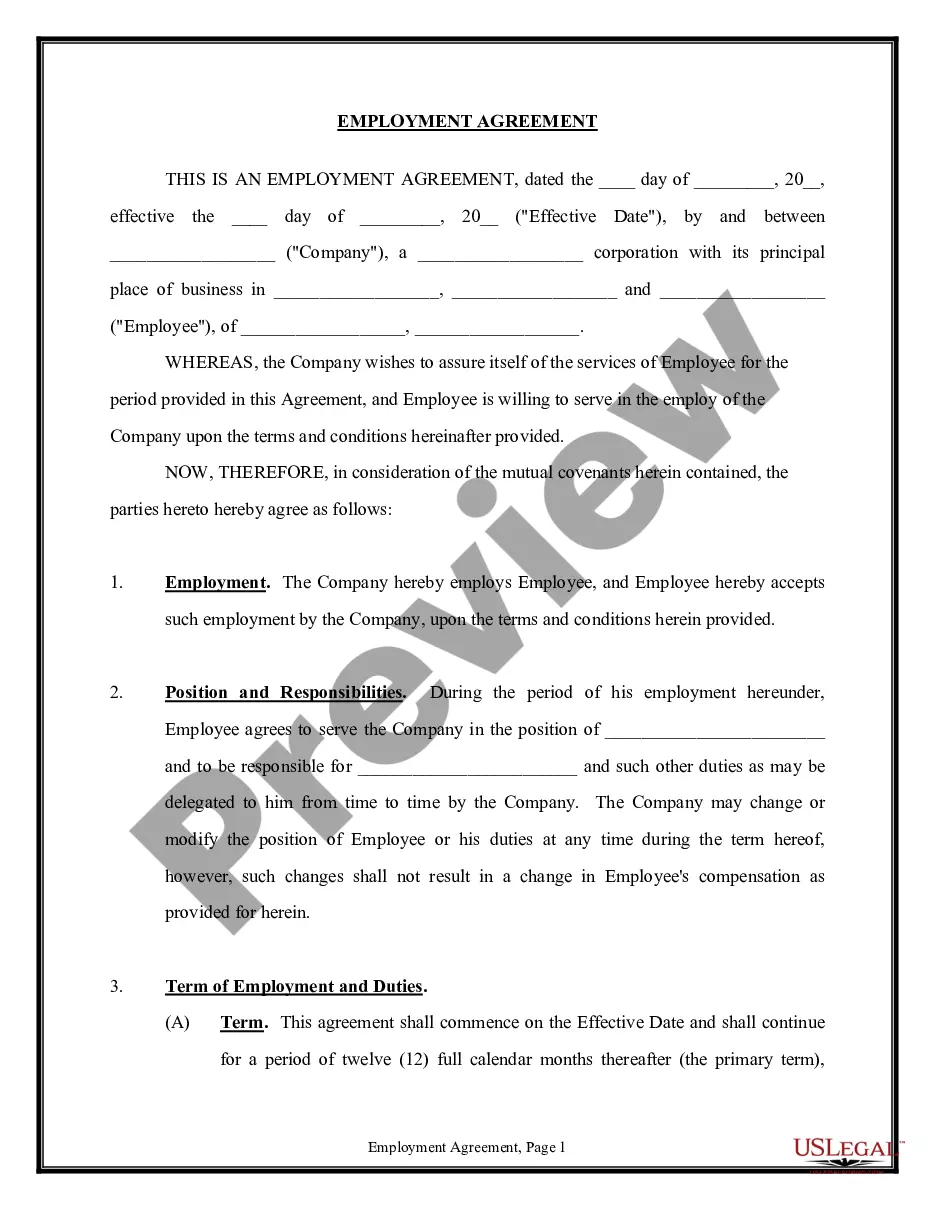
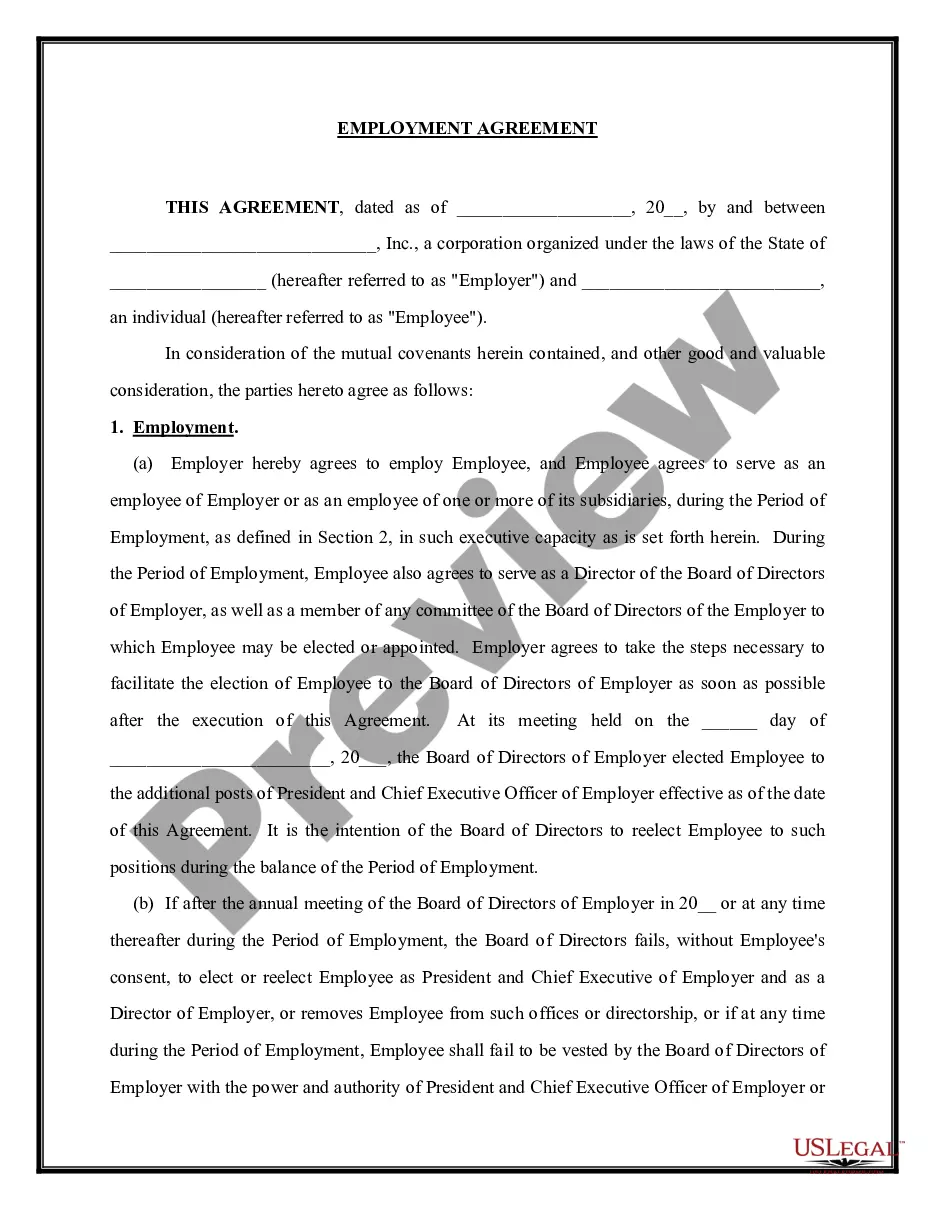
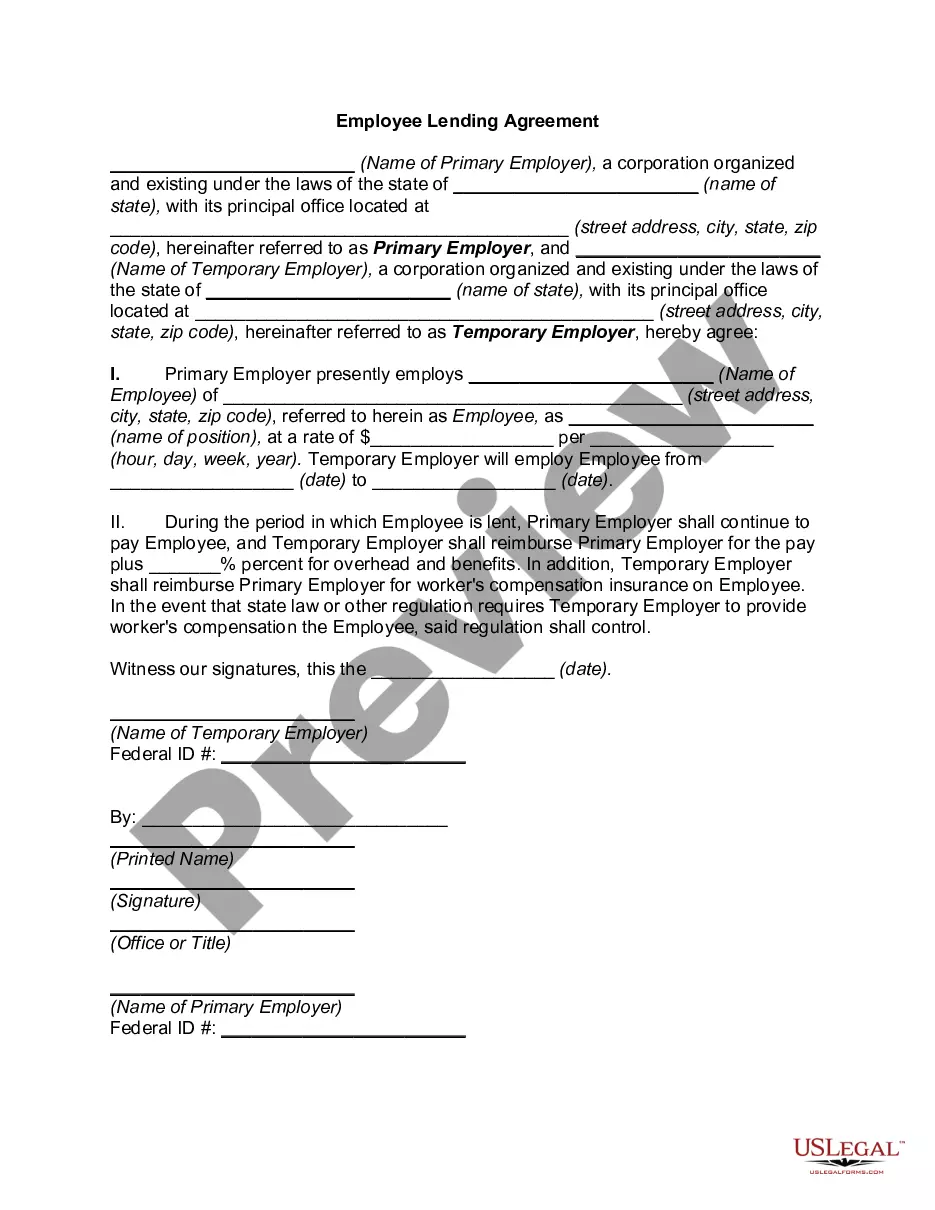
Get your form ready online
Our built-in tools help you complete, sign, share, and store your documents in one place.
Make edits, fill in missing information, and update formatting in US Legal Forms—just like you would in MS Word.
Download a copy, print it, send it by email, or mail it via USPS—whatever works best for your next step.
Sign and collect signatures with our SignNow integration. Send to multiple recipients, set reminders, and more. Go Premium to unlock E-Sign.
If this form requires notarization, complete it online through a secure video call—no need to meet a notary in person or wait for an appointment.
We protect your documents and personal data by following strict security and privacy standards.

Make edits, fill in missing information, and update formatting in US Legal Forms—just like you would in MS Word.

Download a copy, print it, send it by email, or mail it via USPS—whatever works best for your next step.

Sign and collect signatures with our SignNow integration. Send to multiple recipients, set reminders, and more. Go Premium to unlock E-Sign.

If this form requires notarization, complete it online through a secure video call—no need to meet a notary in person or wait for an appointment.

We protect your documents and personal data by following strict security and privacy standards.
Looking for another form?
Form popularity
FAQ
Leased employee vs. For example, leased employees are official employees for the PEO that manages them, while independent contractors operate independently of any employer, and they typically provide a service to a client who pays them directly for those services.
For example, leased employees are official employees for the PEO that manages them, while independent contractors operate independently of any employer, and they typically provide a service to a client who pays them directly for those services.
Subscribe now. Employee leasing is an arrangement between a business and a staffing firm, who supplies workers on a project-specific or temporary basis. These employees work for the client business, but the leasing agency pays their salaries and handles all of the HR administration associated with their employment.
Employee leasing is an arrangement between a business and a staffing firm, who supplies workers on a project-specific or temporary basis. These employees work for the client business, but the leasing agency pays their salaries and handles all of the HR administration associated with their employment.
The leased employees are employees of the staffing agency. This means that when the need for the employee is over, whether that's the predetermined time or the completion of a project, they are returned to the staffing agency that leased them. At no time is the leased employee an employee of the client's company.
Employee leasing, also known as staff leasing, is a business arrangement where a company hires employees from a third-party organization and then leases them back to the original company.
It is possible to draft your own lease agreement, but you are leaving yourself open to issues.
Landlord-Tenant Laws in North Carolina North Carolina's landlord-tenant laws provide a framework that ensures both parties have clear rights and obligations. These laws require that leases longer than 12 months be in writing. Written agreements help resolve disputes by documenting terms.
The most common lease terms are for one year or two years. Short term leases are usually three-month or six-month terms. Additionally, month-to-month leases are rather common, especially following a completed long-term lease.
State employees, generally speaking, are not “employed at will” in North Carolina. Their employment terms are governed by the State Personnel Act.