Secured Debt Any For A 6th Grader In North Carolina
Description



Get your form ready online
Our built-in tools help you complete, sign, share, and store your documents in one place.
Make edits, fill in missing information, and update formatting in US Legal Forms—just like you would in MS Word.
Download a copy, print it, send it by email, or mail it via USPS—whatever works best for your next step.
Sign and collect signatures with our SignNow integration. Send to multiple recipients, set reminders, and more. Go Premium to unlock E-Sign.
If this form requires notarization, complete it online through a secure video call—no need to meet a notary in person or wait for an appointment.
We protect your documents and personal data by following strict security and privacy standards.

Make edits, fill in missing information, and update formatting in US Legal Forms—just like you would in MS Word.

Download a copy, print it, send it by email, or mail it via USPS—whatever works best for your next step.

Sign and collect signatures with our SignNow integration. Send to multiple recipients, set reminders, and more. Go Premium to unlock E-Sign.

If this form requires notarization, complete it online through a secure video call—no need to meet a notary in person or wait for an appointment.

We protect your documents and personal data by following strict security and privacy standards.
Looking for another form?
Form popularity
FAQ
Debt relief can take a number of forms, including reducing the debt, lowering the interest rate on it, or extending the period for repayment. Creditors are often willing to consider debt-relief measures when the alternative is total default by the borrower.
Examples of unsecured debt include credit cards, medical bills, utility bills, and other instances in which credit was given without any collateral requirement.
The court may deny a chapter 7 discharge for any of the reasons described in section 727(a) of the Bankruptcy Code, including failure to provide requested tax documents; failure to complete a course on personal financial management; transfer or concealment of property with intent to hinder, delay, or defraud creditors; ...
In North Carolina, the statute of limitations for debt is three years from the last activity on your account. That is how much time a debt collector has to file a lawsuit to recover the debt through the court system,. It's one of the shortest such limits in the country.
Contrary to popular belief, there is no specific minimum amount of debt required to file for Chapter 7 bankruptcy.
If the debtor's disposable income, projected for a five-year period, is more than 25 percent of the total unsecured debt, the debtor will likely be denied a Chapter 7 filing. If the percentage is less than 25 percent, the debtor will most likely survive the means test and be allowed to continue with a Chapter 7 filing.
Contrary to popular belief, there is no specific minimum amount of debt required to file for Chapter 7 bankruptcy.
An individual cannot file under chapter 7 or any other chapter, however, if during the preceding 180 days a prior bankruptcy petition was dismissed due to the debtor's willful failure to appear before the court or comply with orders of the court, or the debtor voluntarily dismissed the previous case after creditors ...
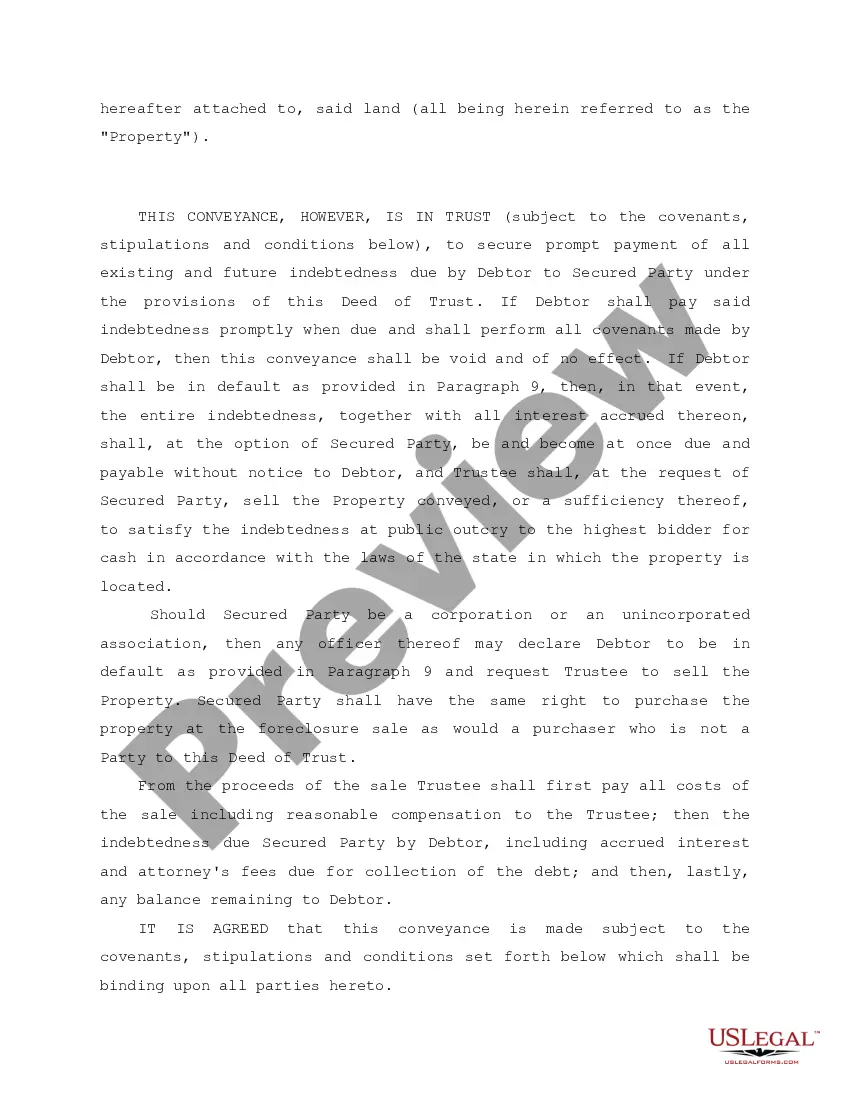
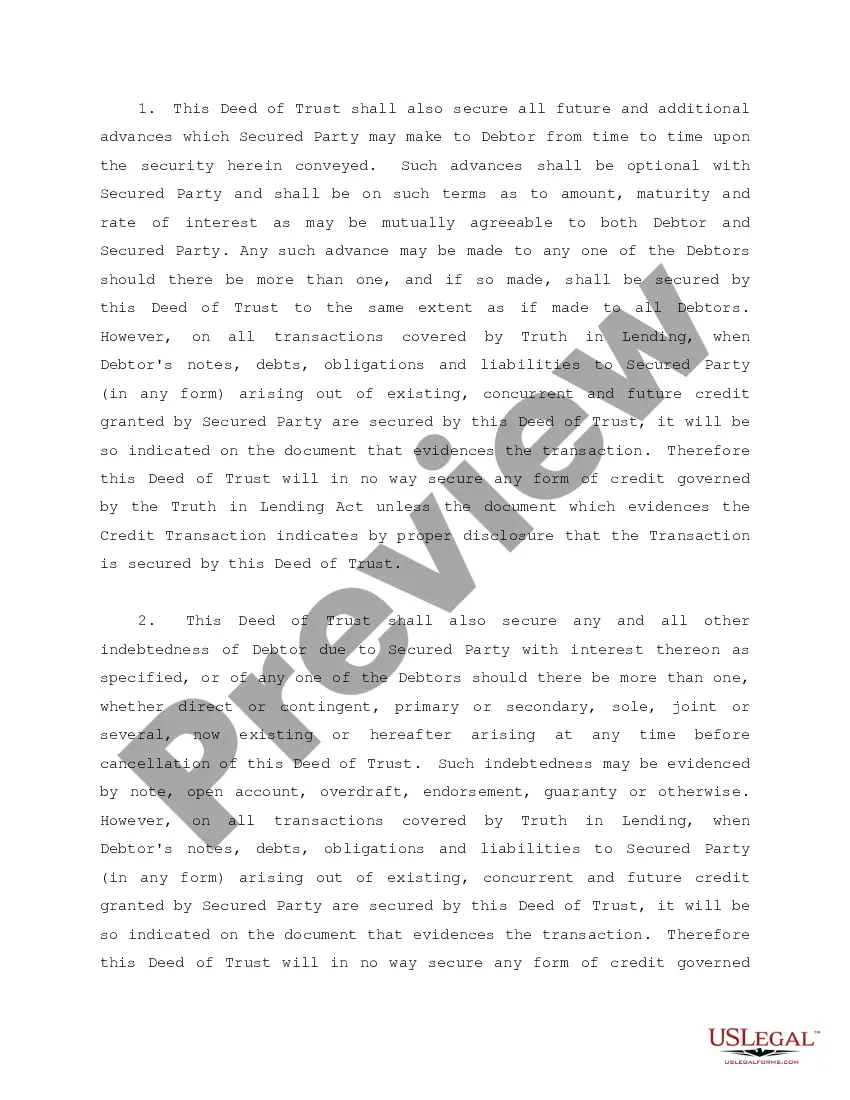
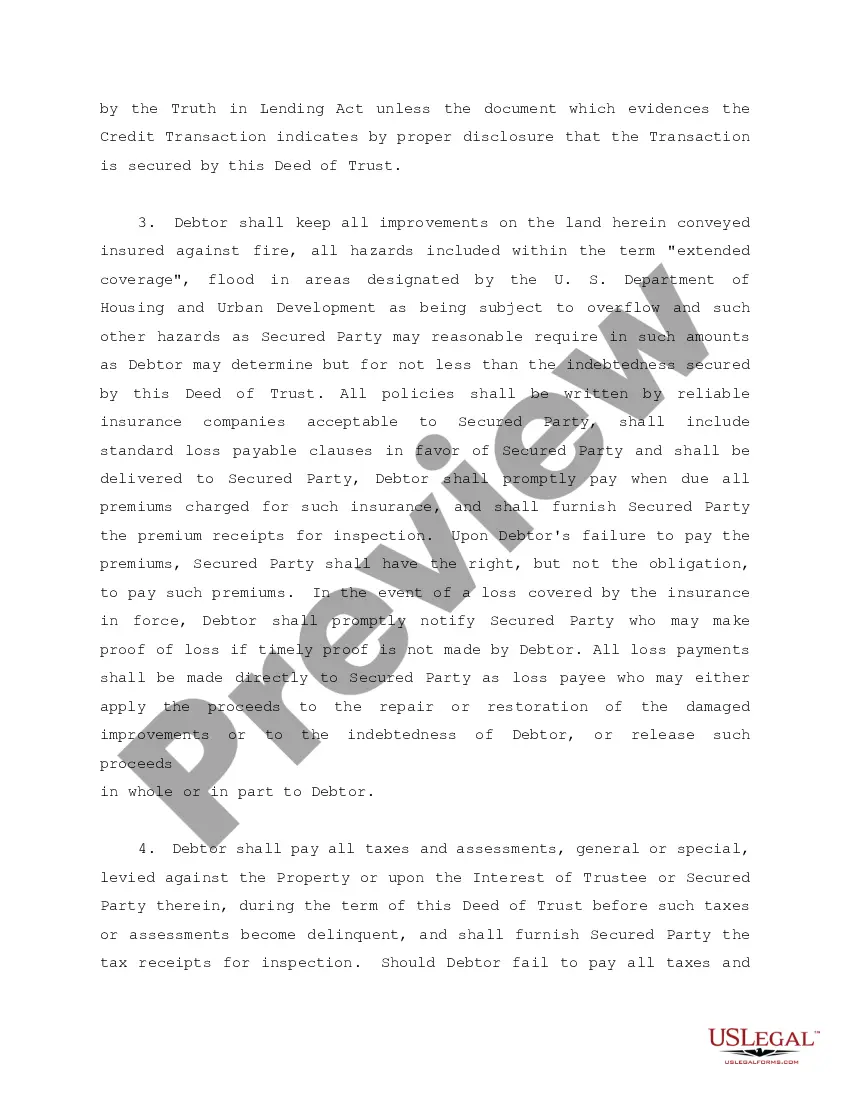
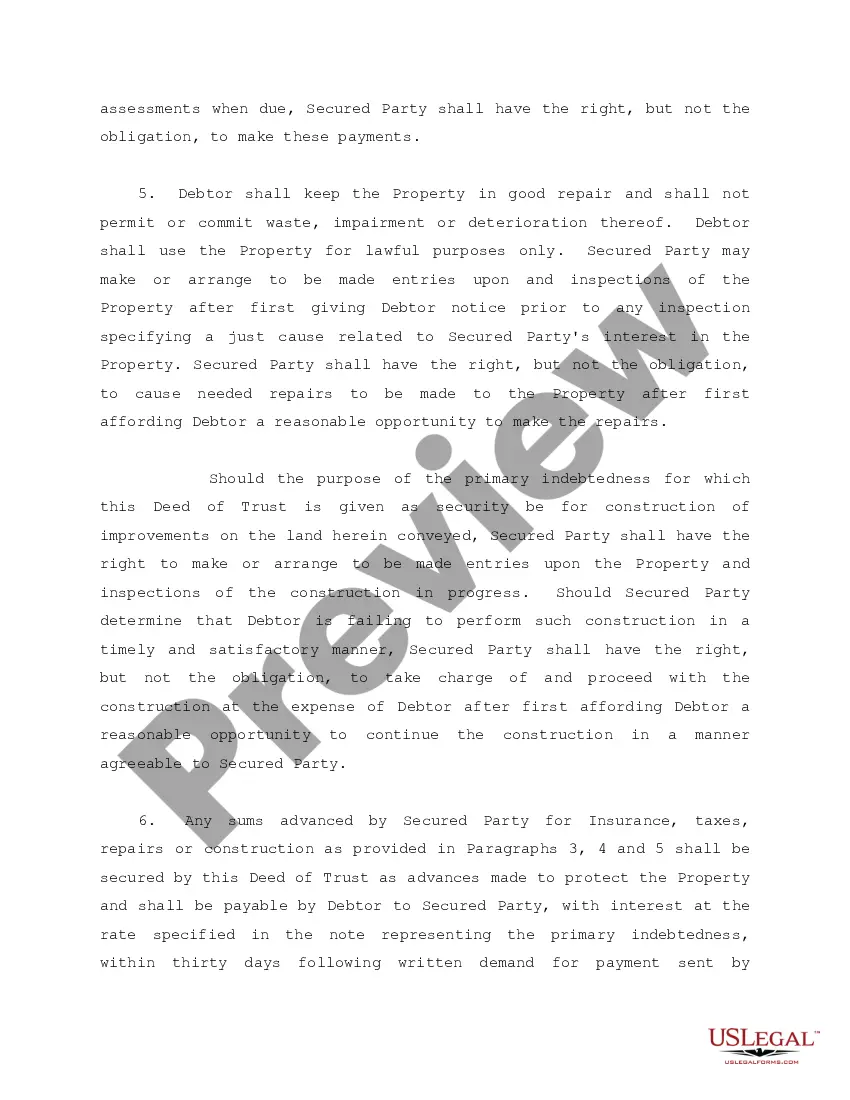
Secured debt is backed by collateral, such as a house in the case of a mortgage, reducing the lender's risk. Unsecured debt, like most credit card debt, does not have collateral and often carries higher interest rates.
