Security Debt Any Forgiveness In Nevada
Description

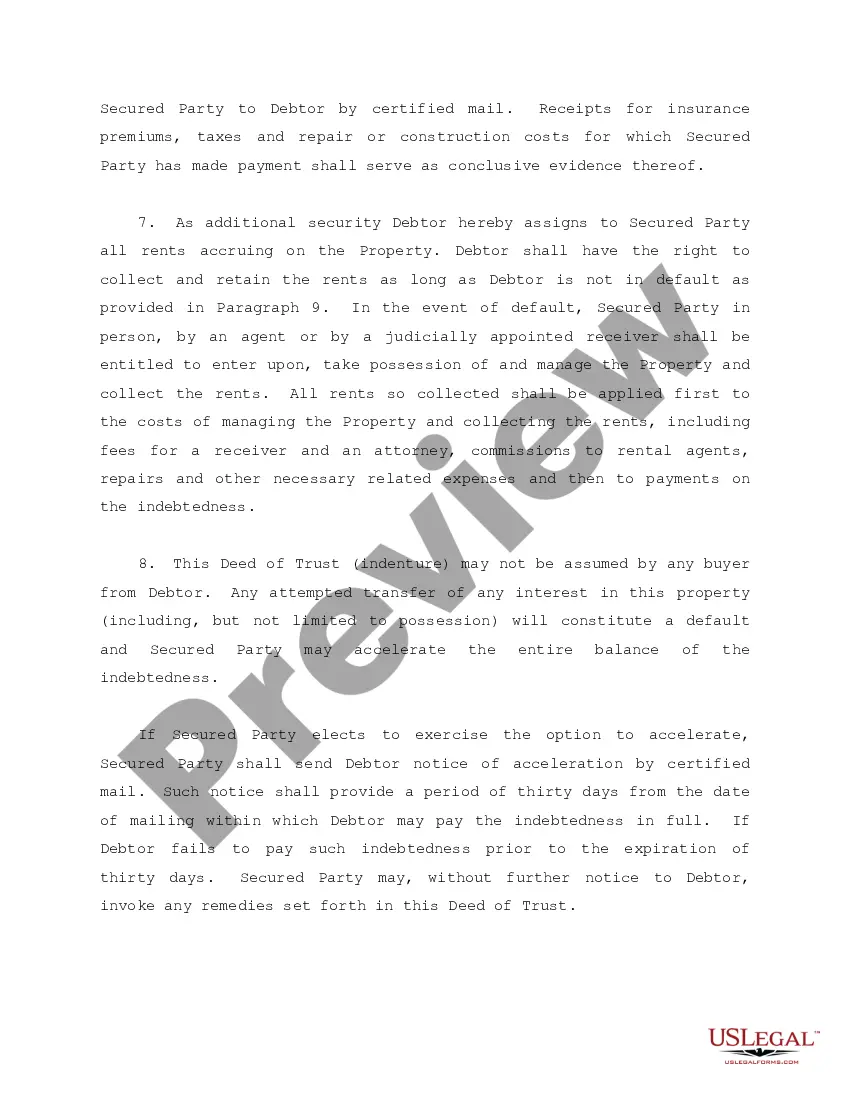
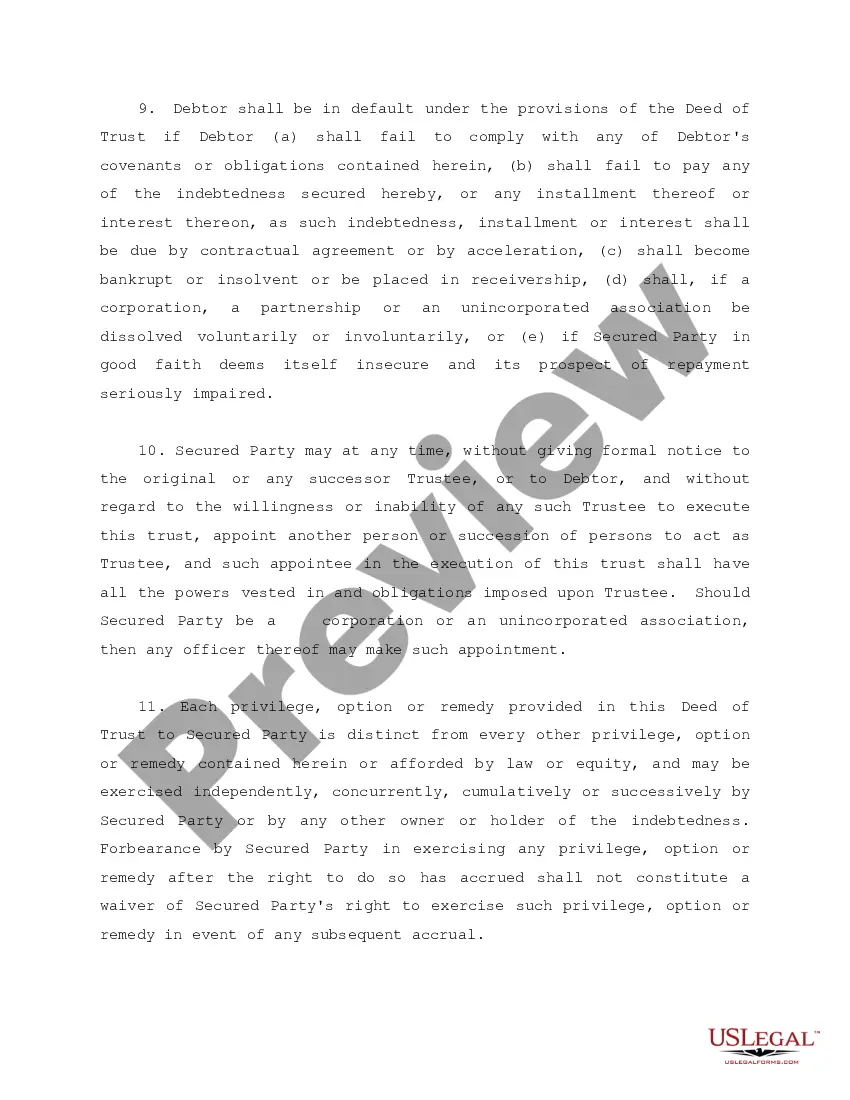
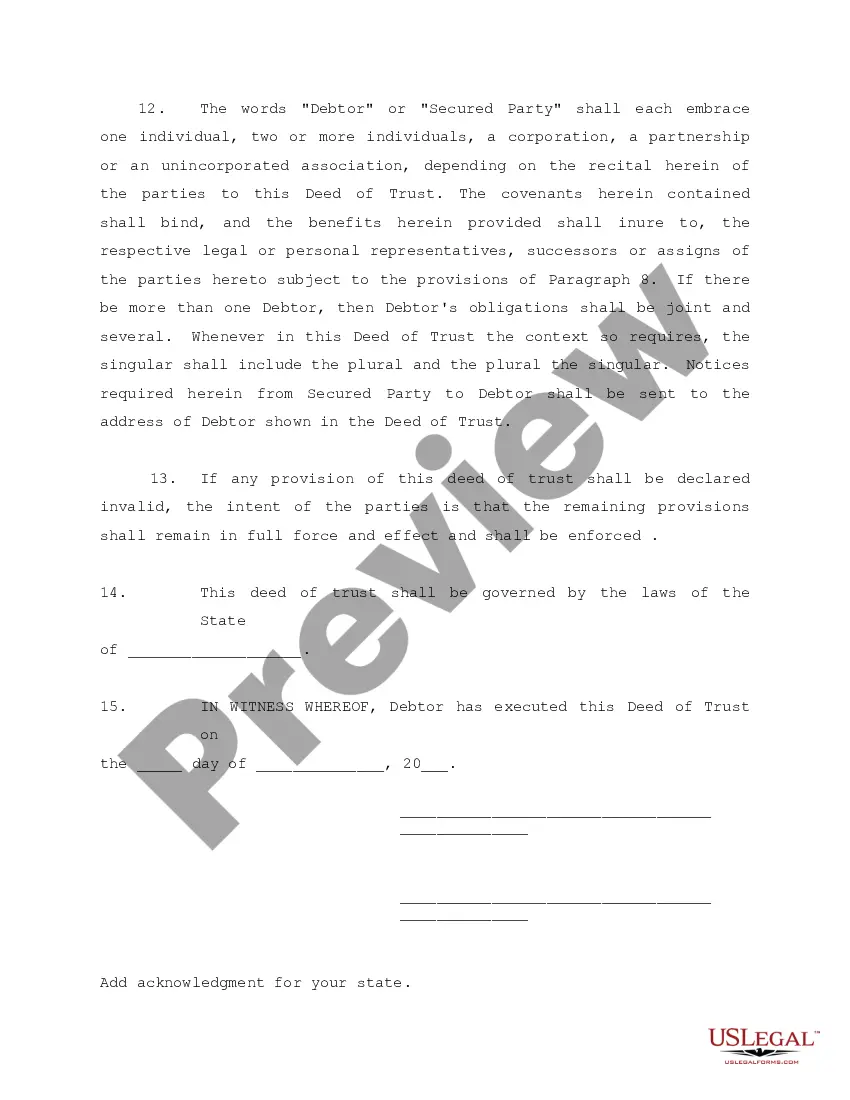
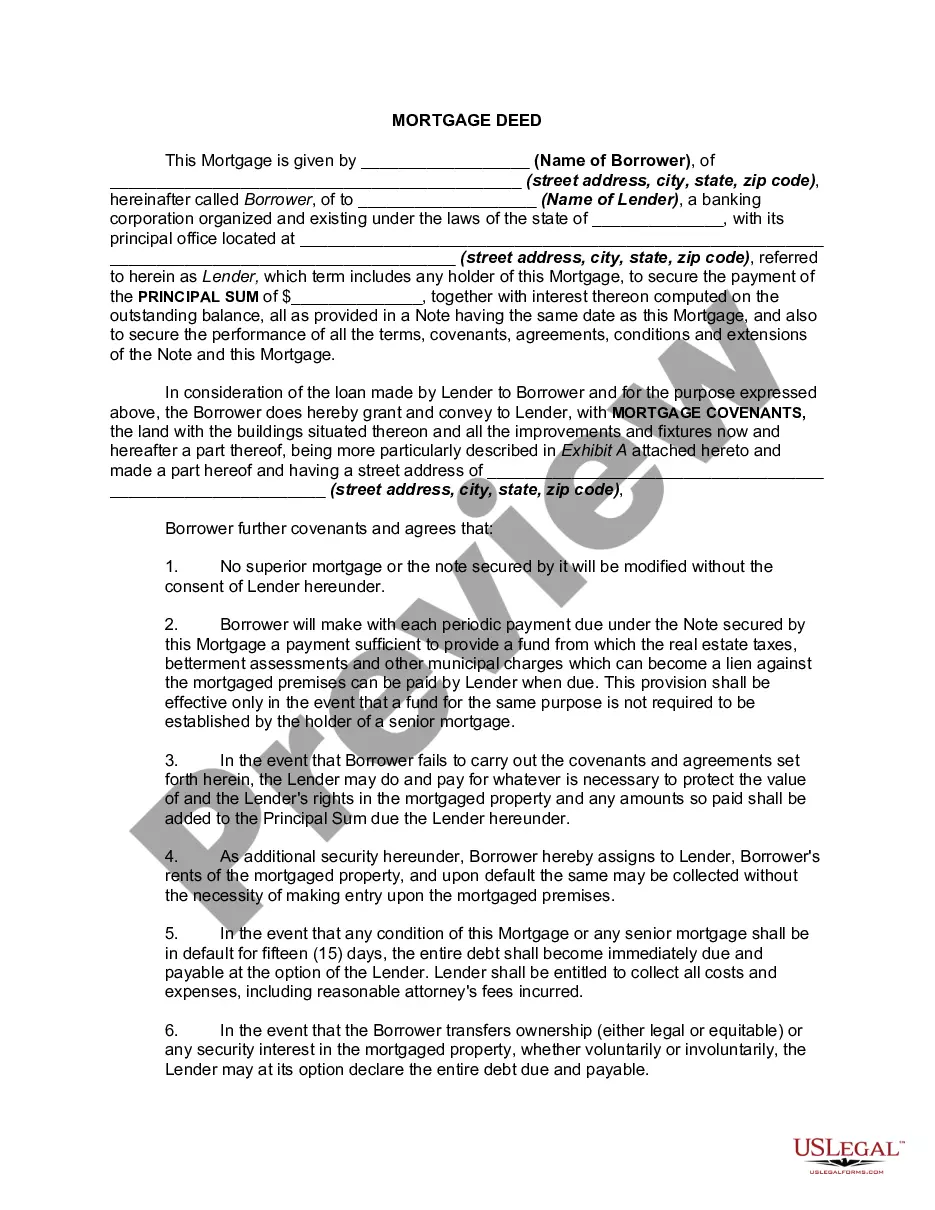

Get your form ready online
Our built-in tools help you complete, sign, share, and store your documents in one place.
Make edits, fill in missing information, and update formatting in US Legal Forms—just like you would in MS Word.
Download a copy, print it, send it by email, or mail it via USPS—whatever works best for your next step.
Sign and collect signatures with our SignNow integration. Send to multiple recipients, set reminders, and more. Go Premium to unlock E-Sign.
If this form requires notarization, complete it online through a secure video call—no need to meet a notary in person or wait for an appointment.
We protect your documents and personal data by following strict security and privacy standards.

Make edits, fill in missing information, and update formatting in US Legal Forms—just like you would in MS Word.

Download a copy, print it, send it by email, or mail it via USPS—whatever works best for your next step.

Sign and collect signatures with our SignNow integration. Send to multiple recipients, set reminders, and more. Go Premium to unlock E-Sign.

If this form requires notarization, complete it online through a secure video call—no need to meet a notary in person or wait for an appointment.

We protect your documents and personal data by following strict security and privacy standards.
Looking for another form?

Form popularity
FAQ
Usually, the Appeals Referee's decision will be issued within two-three weeks of the hearing.
How do I end my claim? If you have returned to work and no longer wish to request benefits, simply stop filing your weekly claims. We will assume you have returned to work, or no longer wish to claim benefits. It is not necessary to contact the Division to stop your benefit payments.
Go to their website and fill out the form found under overpayment form on the bottom left side after clicking on employment security services. This is a good place to start. There should hopefully be a number or email that you can reach out to as well.
Appeals must be in writing, signed and should include the claimant's social security number and the reason for filing the appeal. The appeal may be faxed to (775) 684-0338 or (702) 486-7987 or mailed to: ESD, Adjudication Center, 500 East Third Street, Carson City, NV 89713.
IN ORDER TO RECEIVE A WAIVER OF YOUR OVERPAYMENT, YOU MUST PROVIDE INFORMATION TO SHOW THAT REPAYMENT OF THIS DEBT WOULD CAUSE EXTRAORDINARY HARDSHIP. An extraordinary hardship is defined as an individual's loss or inability to maintain minimal necessities of food, medicine and shelter.
There isn't a government debt relief program that targets credit cards or personal loans directly. However, some government programs could help with other types of debt. For example, there are government programs that help with housing, utility bills, and medical care.
The short answer is yes, credit card debt forgiveness can negatively affect your credit score. However, the impact depends on various factors, including your current credit score and the specifics of your debt settlement agreement.
If you have loans that have been in repayment for more than 20 or 25 years, those loans may immediately qualify for forgiveness. Borrowers who have reached 20 or 25 years (240 or 300 months) worth of eligible payments for IDR forgiveness will see their loans forgiven as they reach these milestones.
Credit card debt can be forgiven through a variety of methods, including debt settlement negotiations with the lender, debt management programs, and in some cases, bankruptcy. In the case of bankruptcy, discharge of unsecured debt such as credit card debt is possible under Chapter 7.
