Secure Debt Shall With No Interest In Cook
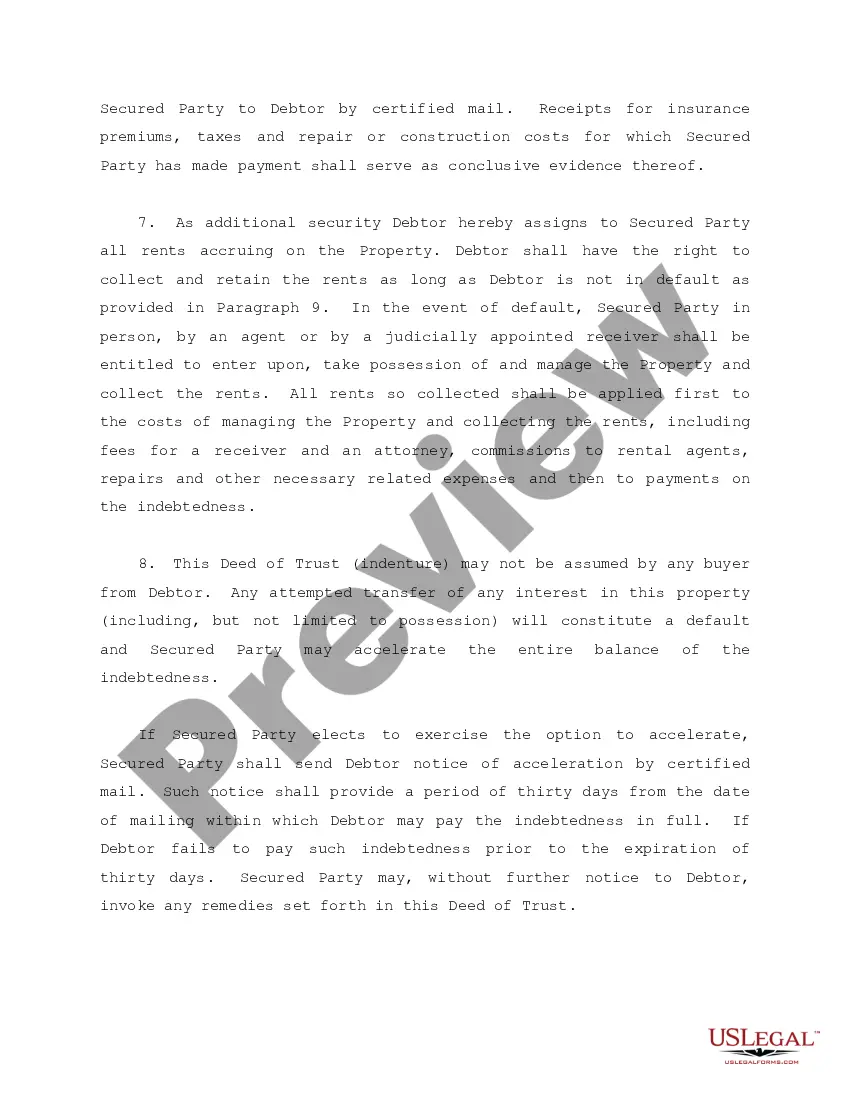
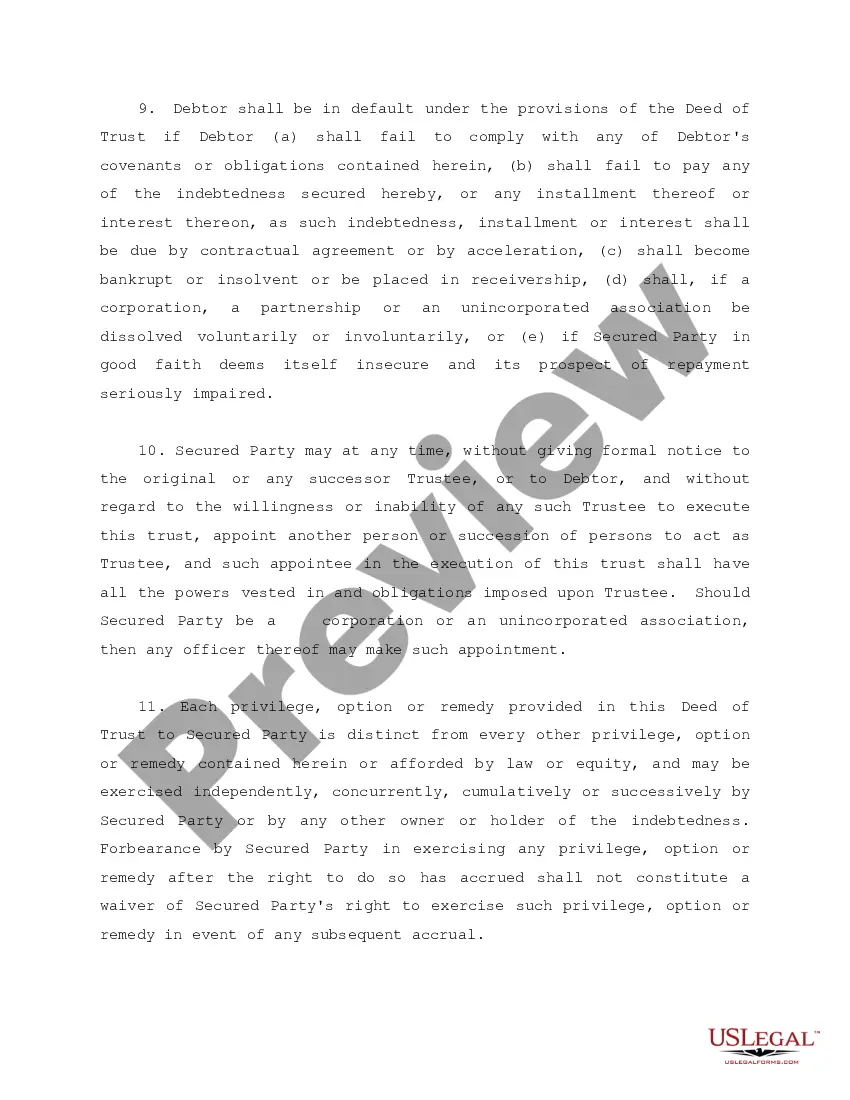
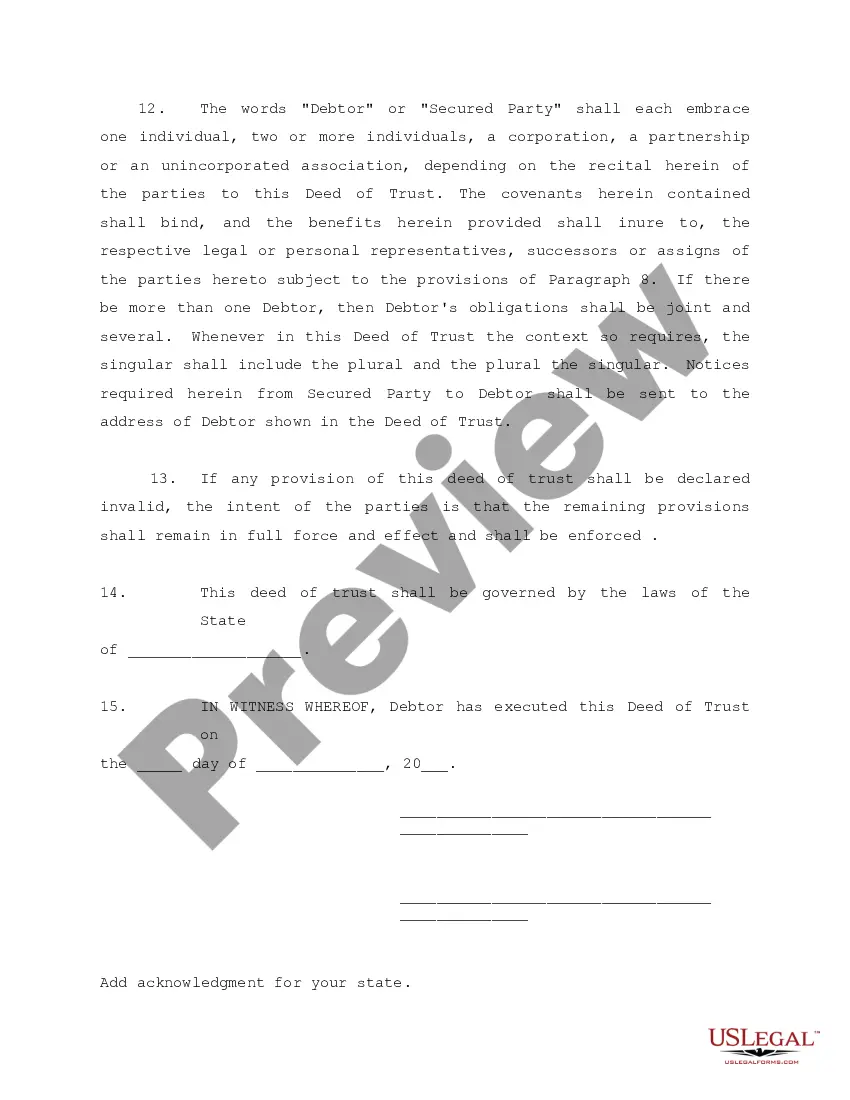
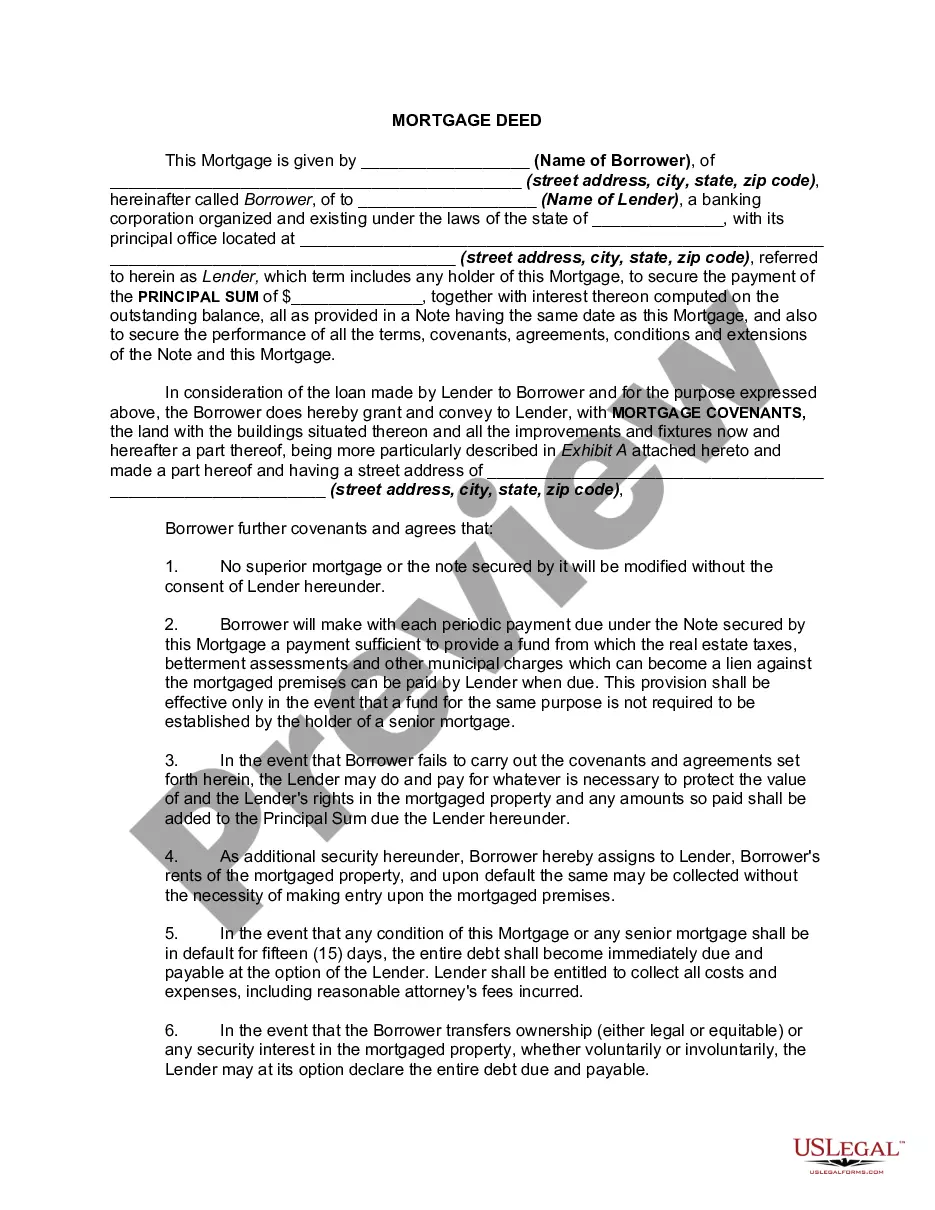
Description


Get your form ready online
Our built-in tools help you complete, sign, share, and store your documents in one place.
Make edits, fill in missing information, and update formatting in US Legal Forms—just like you would in MS Word.
Download a copy, print it, send it by email, or mail it via USPS—whatever works best for your next step.
Sign and collect signatures with our SignNow integration. Send to multiple recipients, set reminders, and more. Go Premium to unlock E-Sign.
If this form requires notarization, complete it online through a secure video call—no need to meet a notary in person or wait for an appointment.
We protect your documents and personal data by following strict security and privacy standards.

Make edits, fill in missing information, and update formatting in US Legal Forms—just like you would in MS Word.

Download a copy, print it, send it by email, or mail it via USPS—whatever works best for your next step.

Sign and collect signatures with our SignNow integration. Send to multiple recipients, set reminders, and more. Go Premium to unlock E-Sign.

If this form requires notarization, complete it online through a secure video call—no need to meet a notary in person or wait for an appointment.

We protect your documents and personal data by following strict security and privacy standards.
Looking for another form?




Form popularity
FAQ
There is an income threshold where once breached, every $100 over minimizes your mortgage interest deduction. That level is roughly $200,000 per individual and $400,000 per couple for 2021. Here's how the income phaseout works with the previous income threshold for an individual of $166,800.
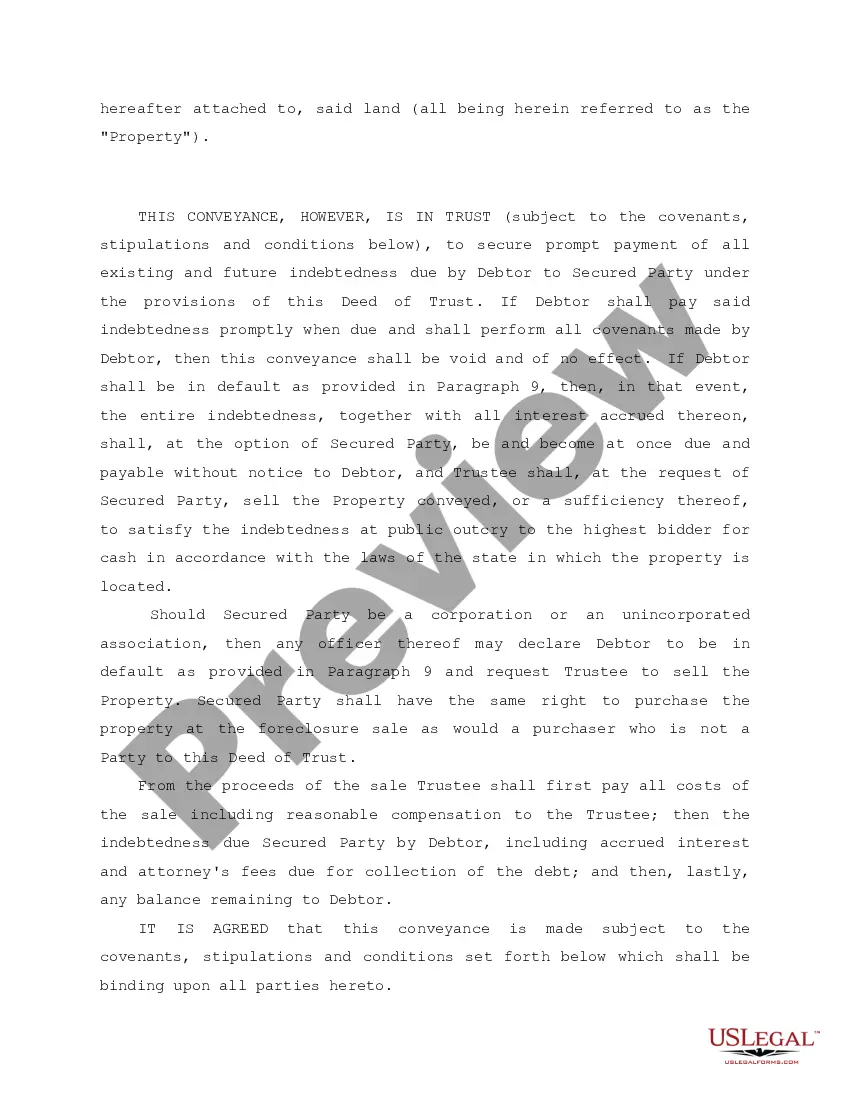
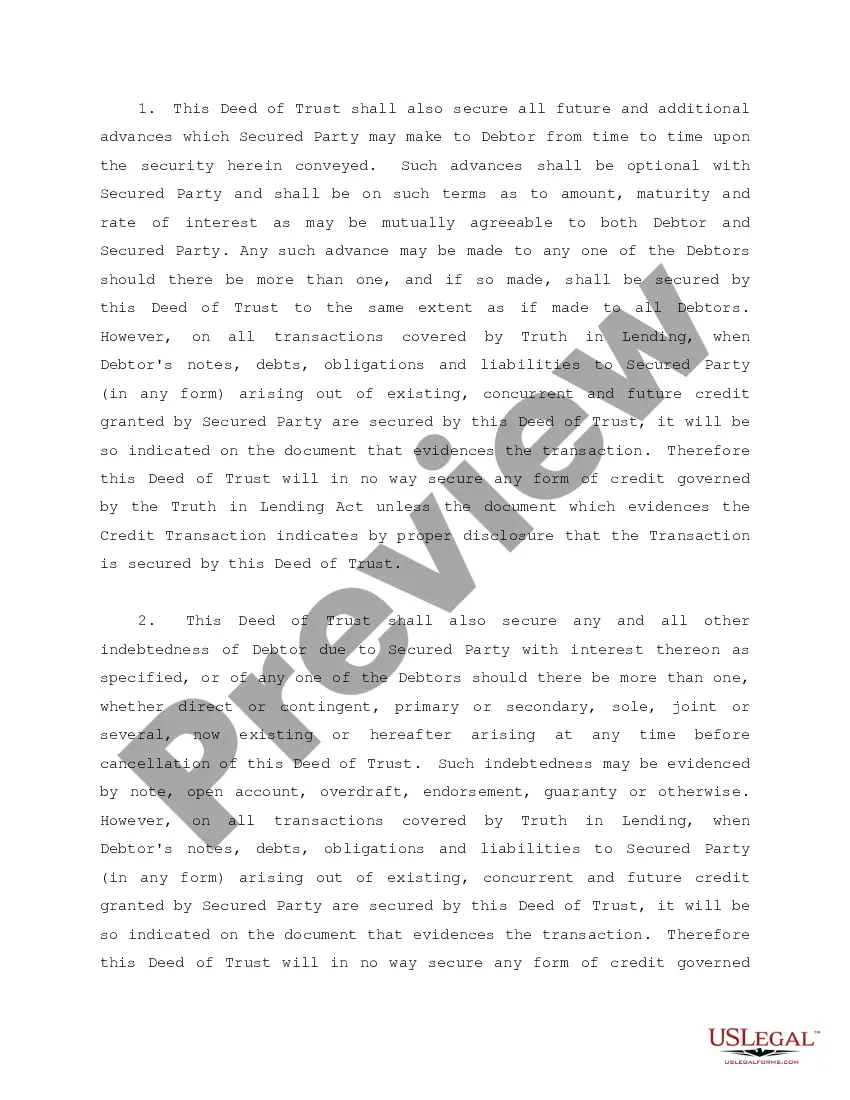
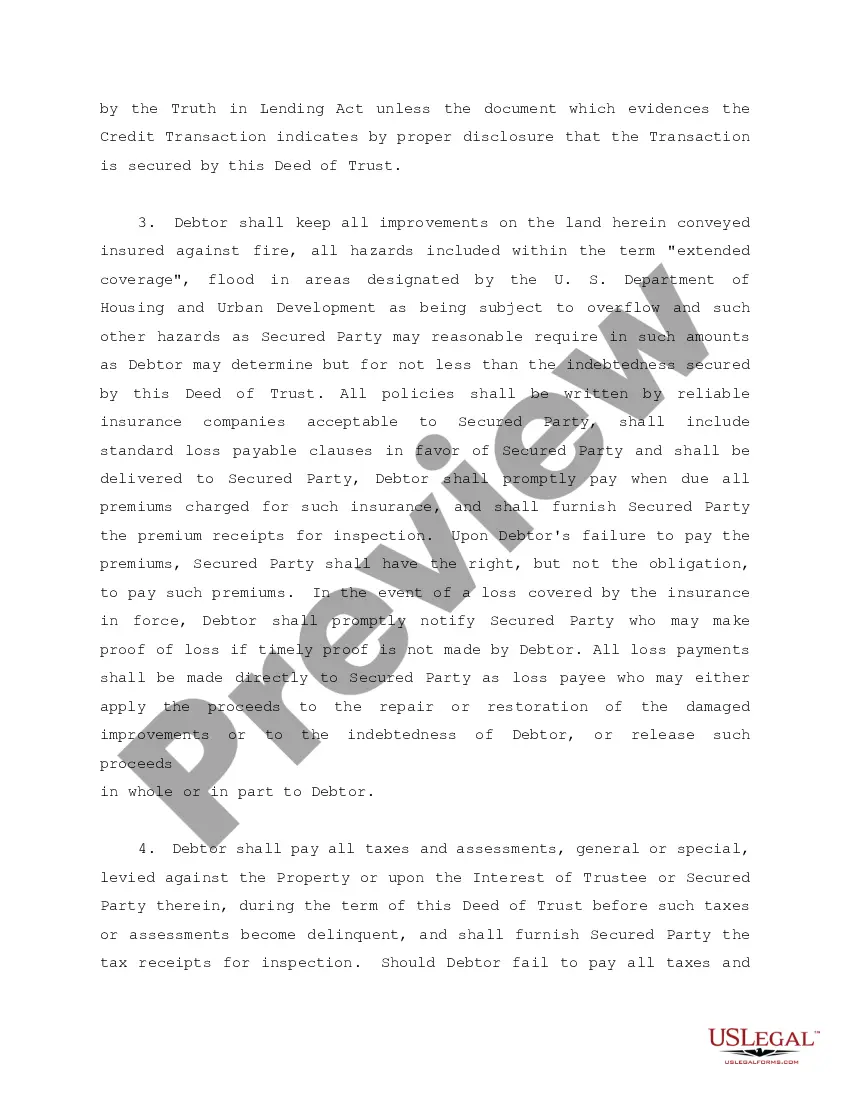
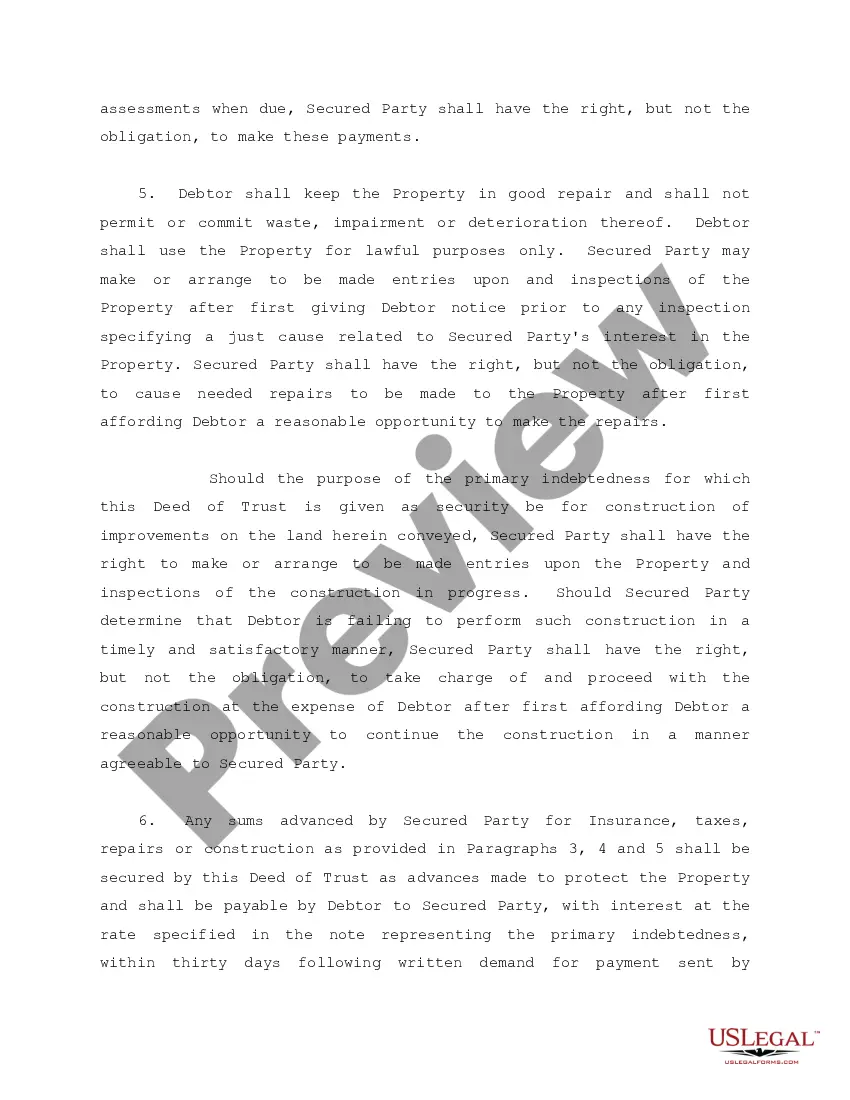
(a) All transfers of deeds to secure debt shall be in writing; shall be signed by the grantee or, if the deed has been previously transferred, by the last transferee; and shall be witnessed as required for deeds.
If your name is on the deed but not on the mortgage, your position is actually advantageous. The names on the deed of a house, not the mortgage, indicate ownership.
The main pro of the mortgage interest deduction is that it lowers your tax liability, incentivizing you to get a mortgage and buy property. If you already itemize your deductions, it's simply another way to help lower your tax bill.
Topic ASC 470 provides guidance on accounting for debt for entities reporting under US GAAP . The standard consists of six subtopics: Debt overall, addressing the determination of the classification of a debt arrangement. Debt with conversion features and other options.
ASC 470 Debt This Topic comprises six Subtopics (Overall, Debt With Conversion and Other Options, Participating Mortgage Loans, Product Financing Arrangements, Modifications and Extinguishments, and Troubled Debt Restructurings by Debtors).
Bonds (government, corporate, or municipal) are one of the most common types of debt securities, but there are many different examples of debt securities, including preferred stock, collateralized debt obligations, euro commercial paper, and mortgage-backed securities.
What Are Examples of HTM Securities? Bonds and other debt vehicles, like certificates of deposit (CDs), are the most common type of HTM investments. They have determined (or fixed) payment schedules and a fixed maturity date, and are bought to be held until maturity.
Held to maturity (HTM): Debt securities that the firm has the positive intent and ability to hold until maturity. (Equities can't be included in this category since they don't mature.) Available for sale (AFS): A catch-all for debt and equity securities not captured by either of the above definitions.