Secured Debt Shall Formula In Chicago
Description

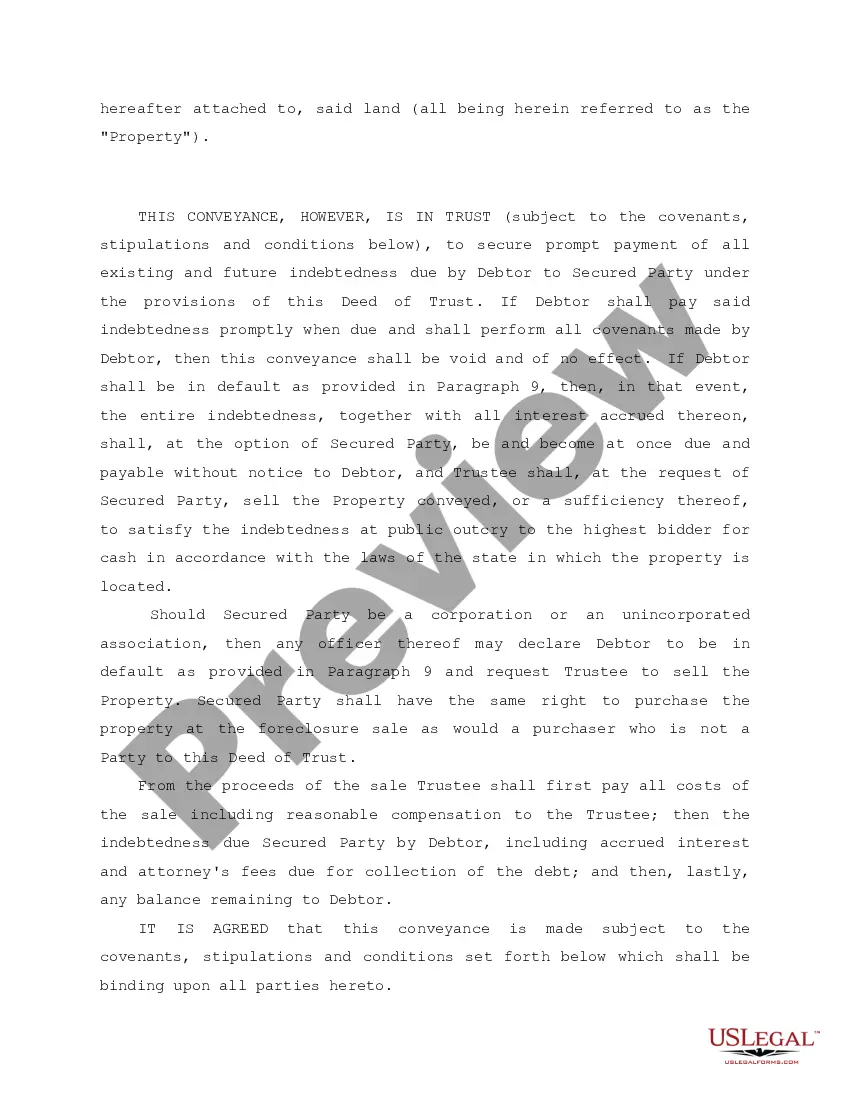
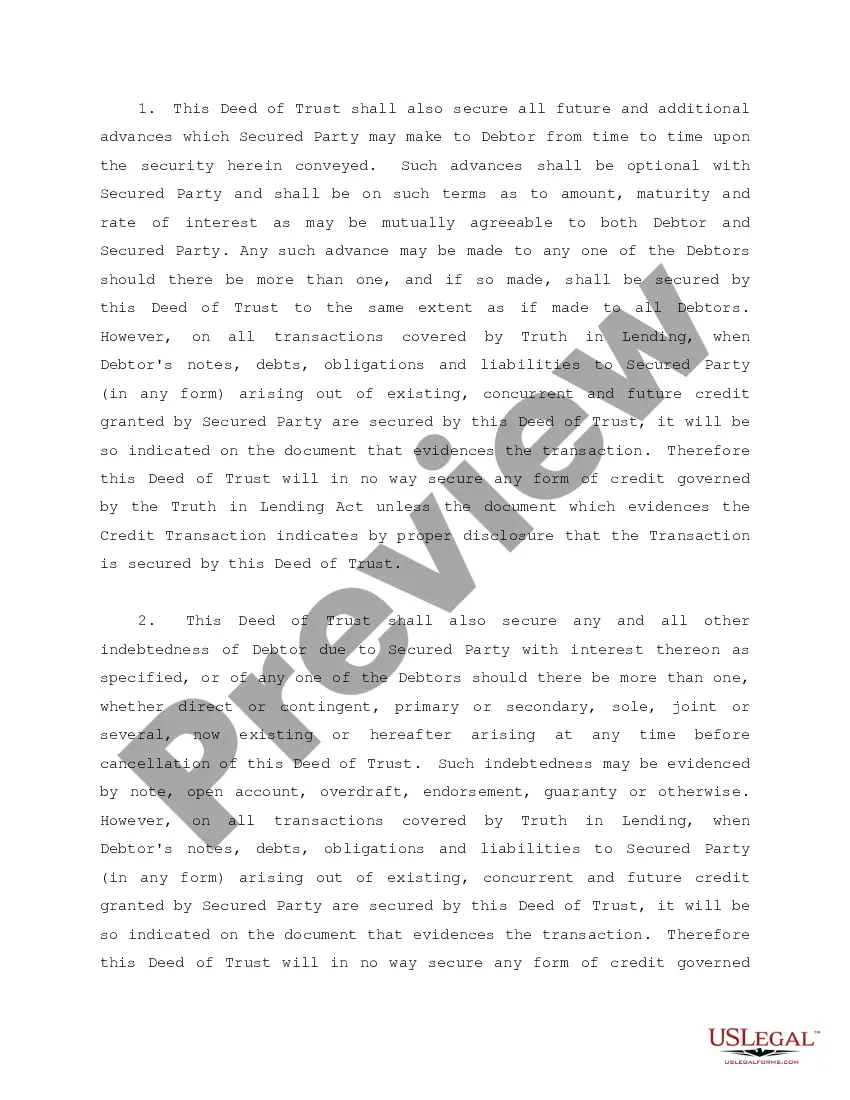
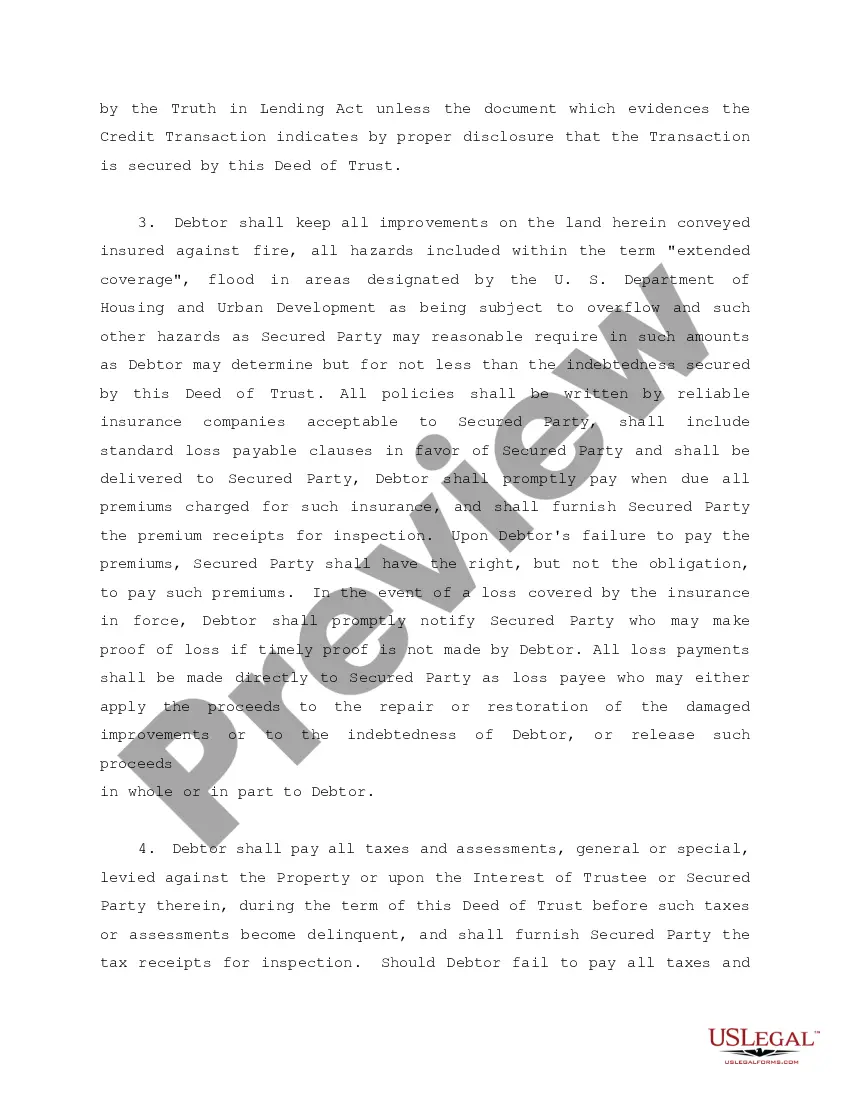
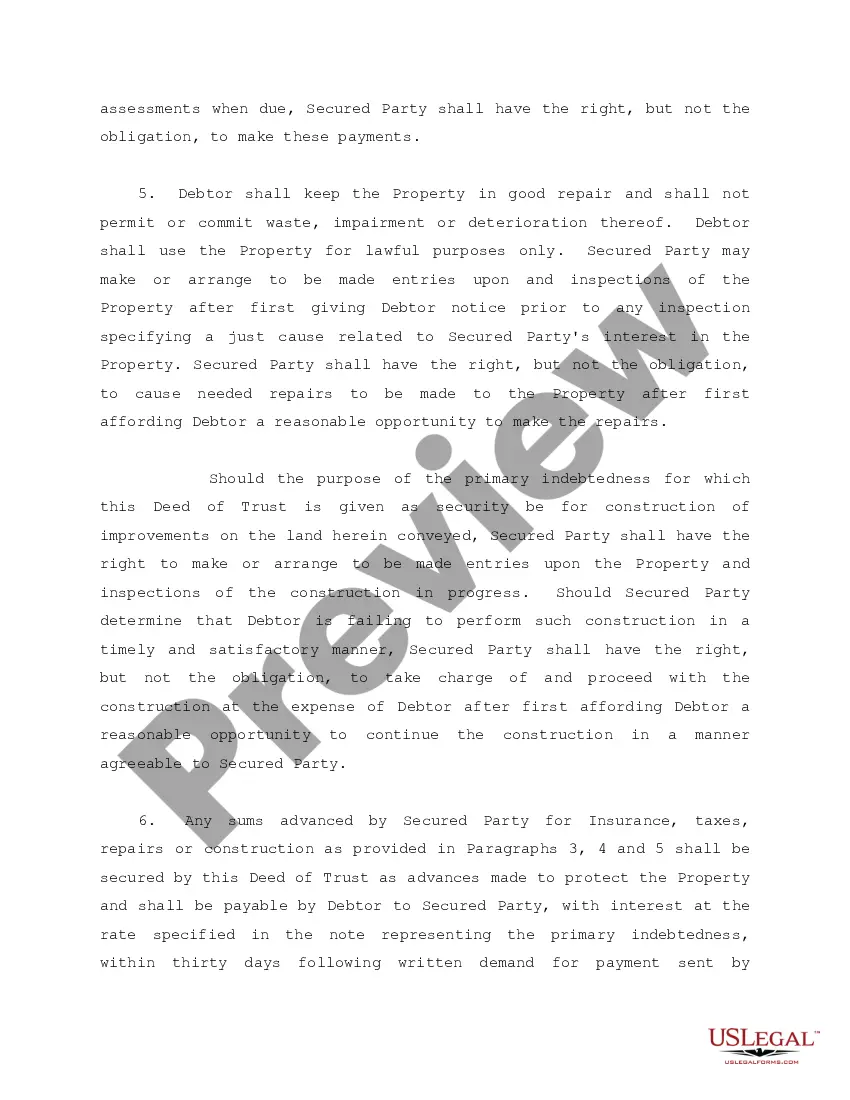
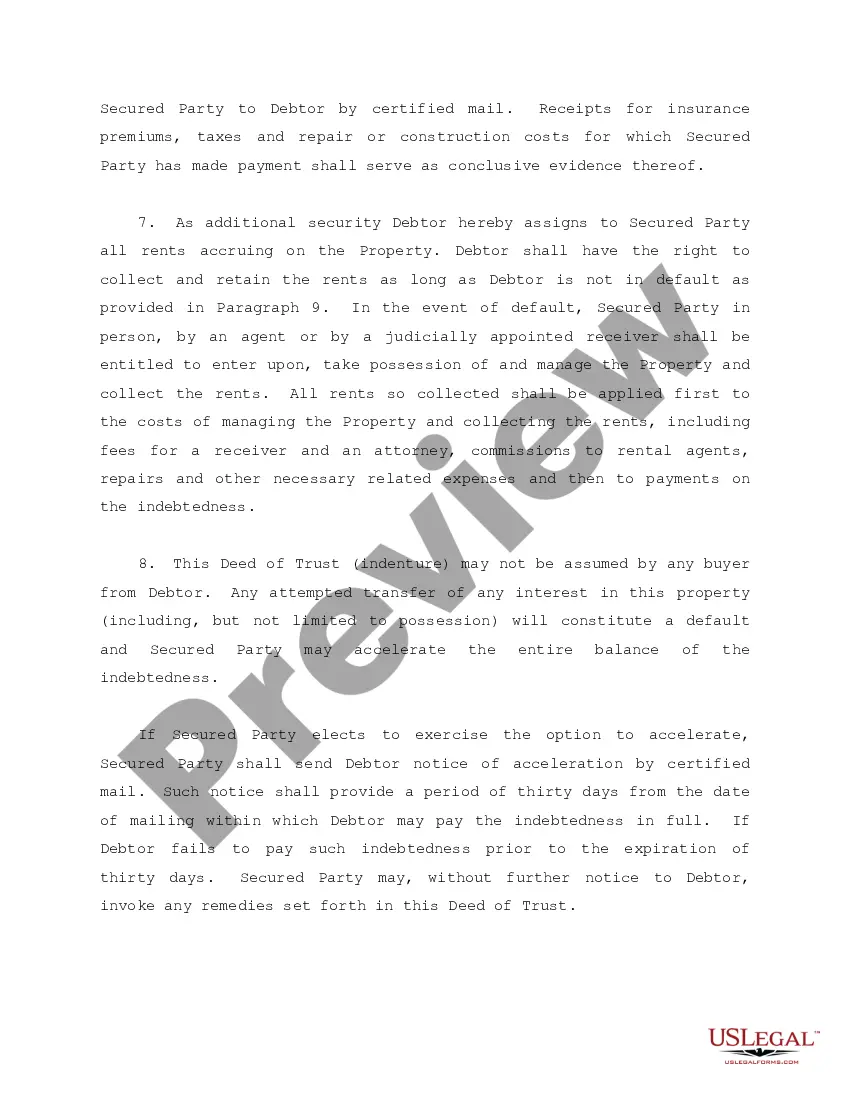
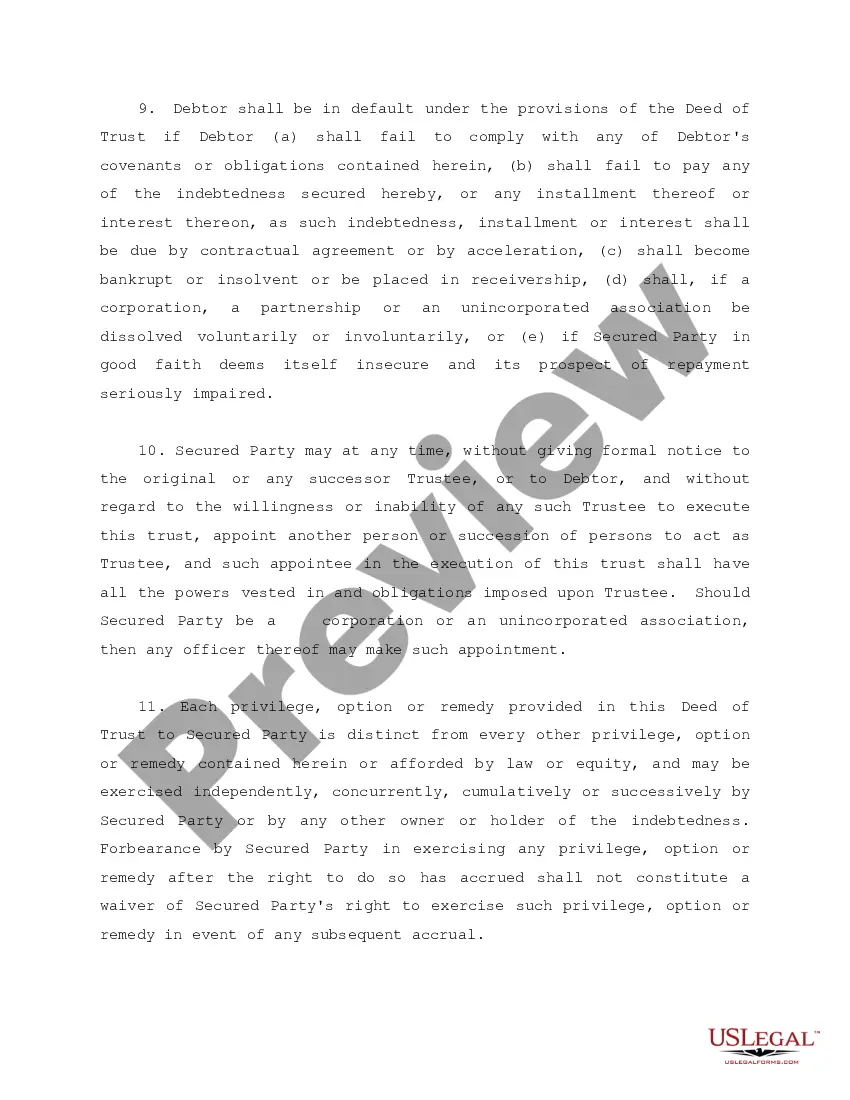
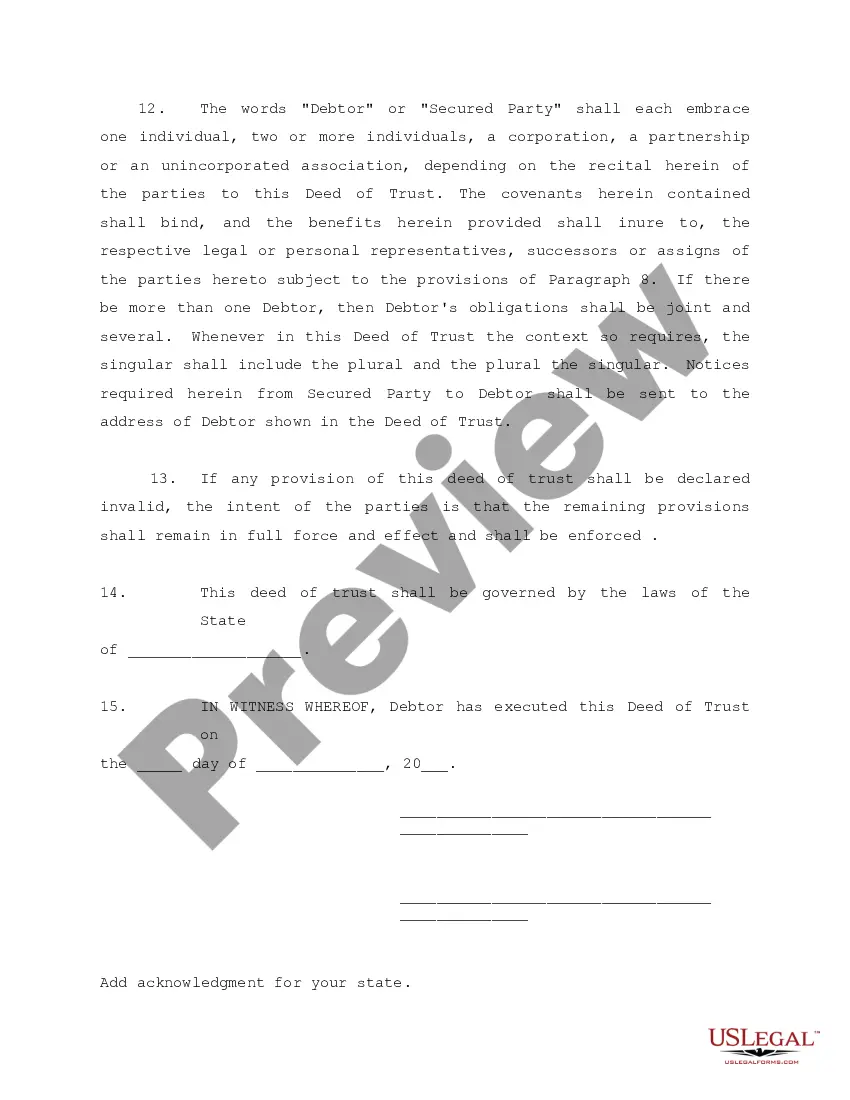
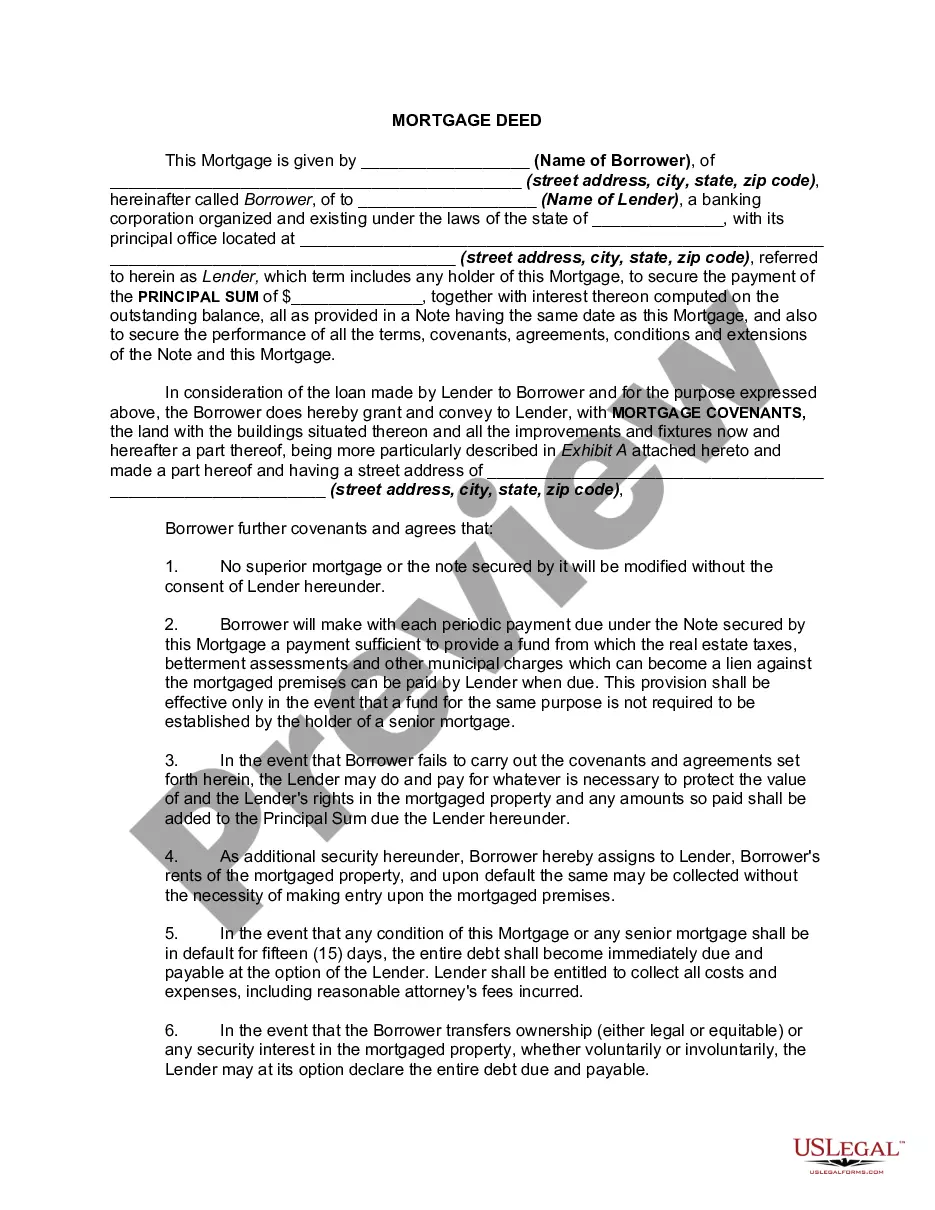

Get your form ready online
Our built-in tools help you complete, sign, share, and store your documents in one place.
Make edits, fill in missing information, and update formatting in US Legal Forms—just like you would in MS Word.
Download a copy, print it, send it by email, or mail it via USPS—whatever works best for your next step.
Sign and collect signatures with our SignNow integration. Send to multiple recipients, set reminders, and more. Go Premium to unlock E-Sign.
If this form requires notarization, complete it online through a secure video call—no need to meet a notary in person or wait for an appointment.
We protect your documents and personal data by following strict security and privacy standards.

Make edits, fill in missing information, and update formatting in US Legal Forms—just like you would in MS Word.

Download a copy, print it, send it by email, or mail it via USPS—whatever works best for your next step.

Sign and collect signatures with our SignNow integration. Send to multiple recipients, set reminders, and more. Go Premium to unlock E-Sign.

If this form requires notarization, complete it online through a secure video call—no need to meet a notary in person or wait for an appointment.

We protect your documents and personal data by following strict security and privacy standards.
Looking for another form?
Form popularity
FAQ
Debt obligation means a public security, as defined by Government Code 1201.002, secured by and payable from ad valorem taxes. The term does not include public securities that are designated as self-supporting by the political subdivision issuing the securities.
What Are the Current Chapter 13 Debt Limits? The debt limitations set for cases filed between April 1, 2022, and March 31, 2025, are $1,395,875 of secured debt, and $465,275 of unsecured debt.
A secured creditor is — at the very basic level — a creditor that has lent assets that are backed by collateral.
The two most common examples of secured debt are mortgages and auto loans.
If you have secured credit cards, where you've deposited a security deposit as collateral, you may be able to keep using them during and after bankruptcy, especially in Chapter 13. These cards are treated differently because they are backed by your deposit and do not represent new credit extended to you.
Both secured and unsecured debt can be discharged in Chapter 13 bankruptcies, but non-dischargeable unsecured debts cannot be discharged in California.
Chapter 7 bankruptcy is generally more damaging to credit initially because it involves liquidating assets and stays on your credit report for 10 years, whereas Chapter 13 stays for 7 years and demonstrates an effort to repay debts through a structured plan, which may soften the impact over time.
Chapter 13 Eligibility Any individual, even if self-employed or operating an unincorporated business, is eligible for chapter 13 relief as long as the individual's combined total secured and unsecured debts are less than $2,750,000 as of the date of filing for bankruptcy relief.
Chapter 7: Under Chapter 7 bankruptcy, all of your eligible debt will be discharged, but you may have to sell assets. Most filers qualify for a “no-asset case,” which means they won't have to sell anything. Chapter 7 typically shows on your credit report for 10 years.
Adequate protection is a remedy used to compensate secured creditors for the loss in value of their collateral caused by the automatic stay, which occurs as a result of a bankruptcy filing. It is also used to protect secured creditors against loss caused by the use, sale, or lease of their collateral.
