Secure Debt Shall Withhold In Bronx
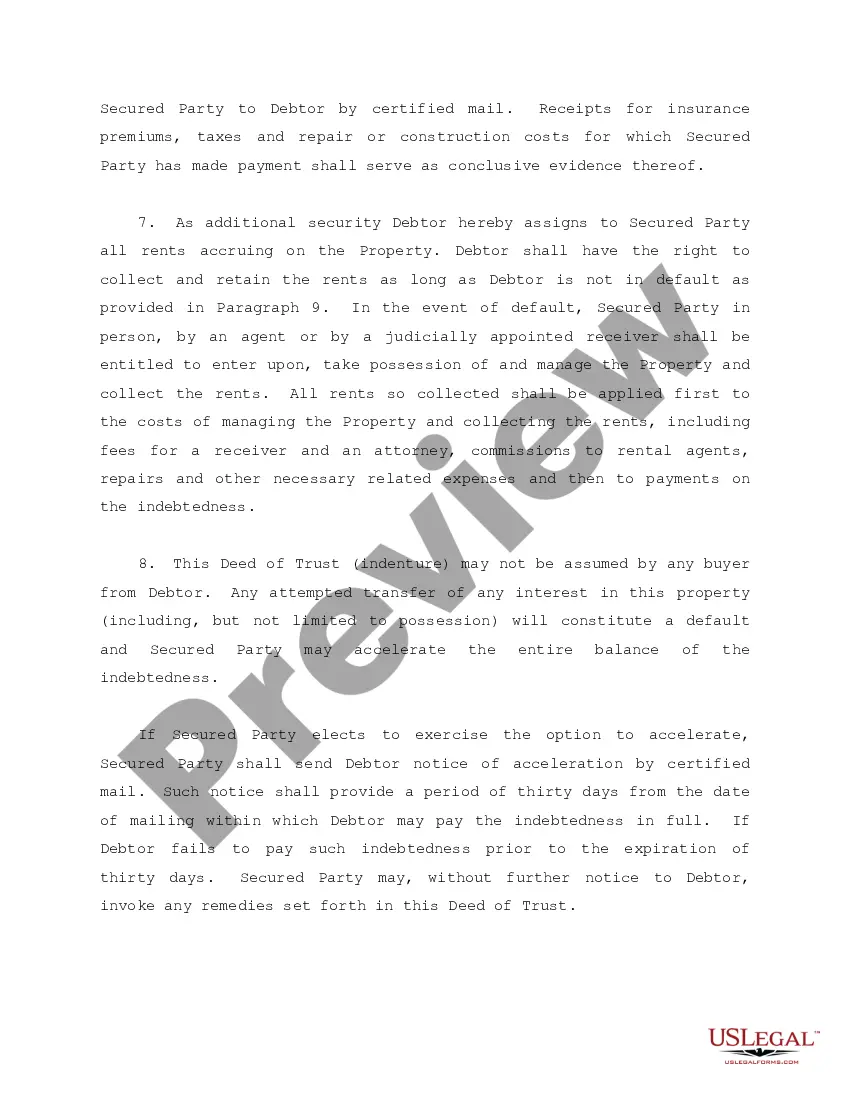
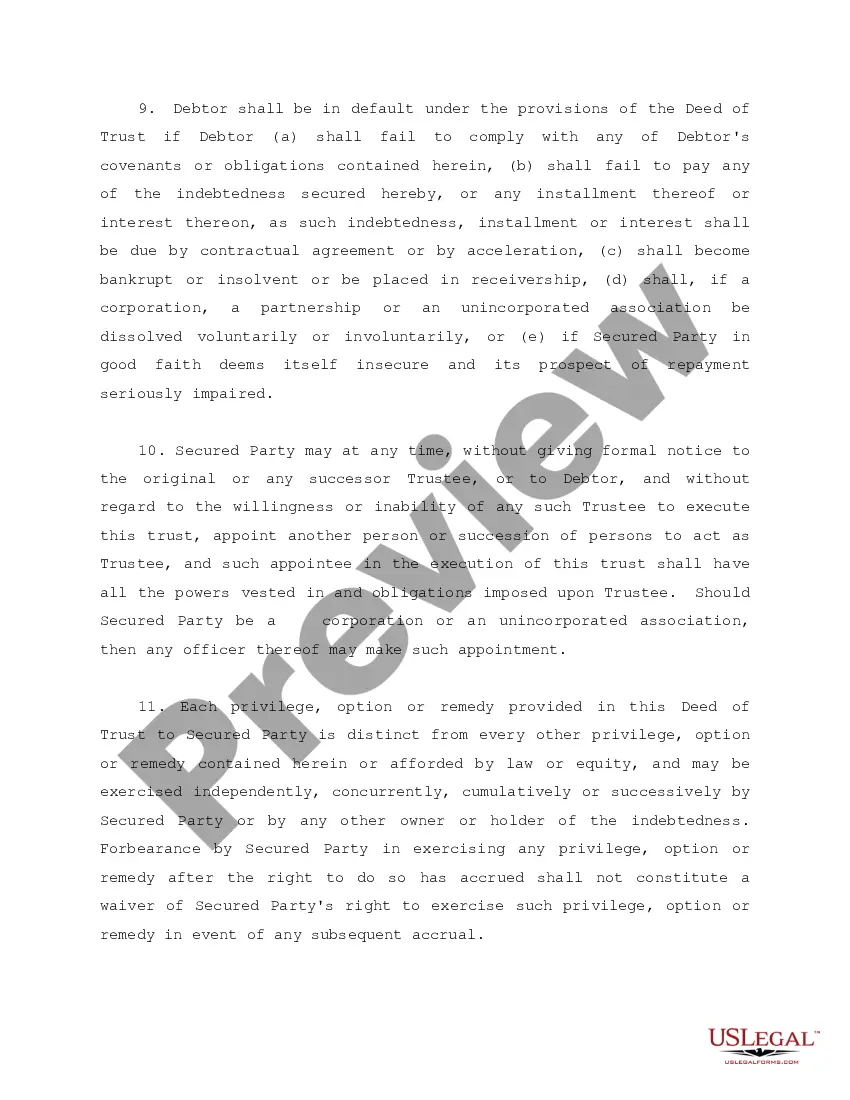
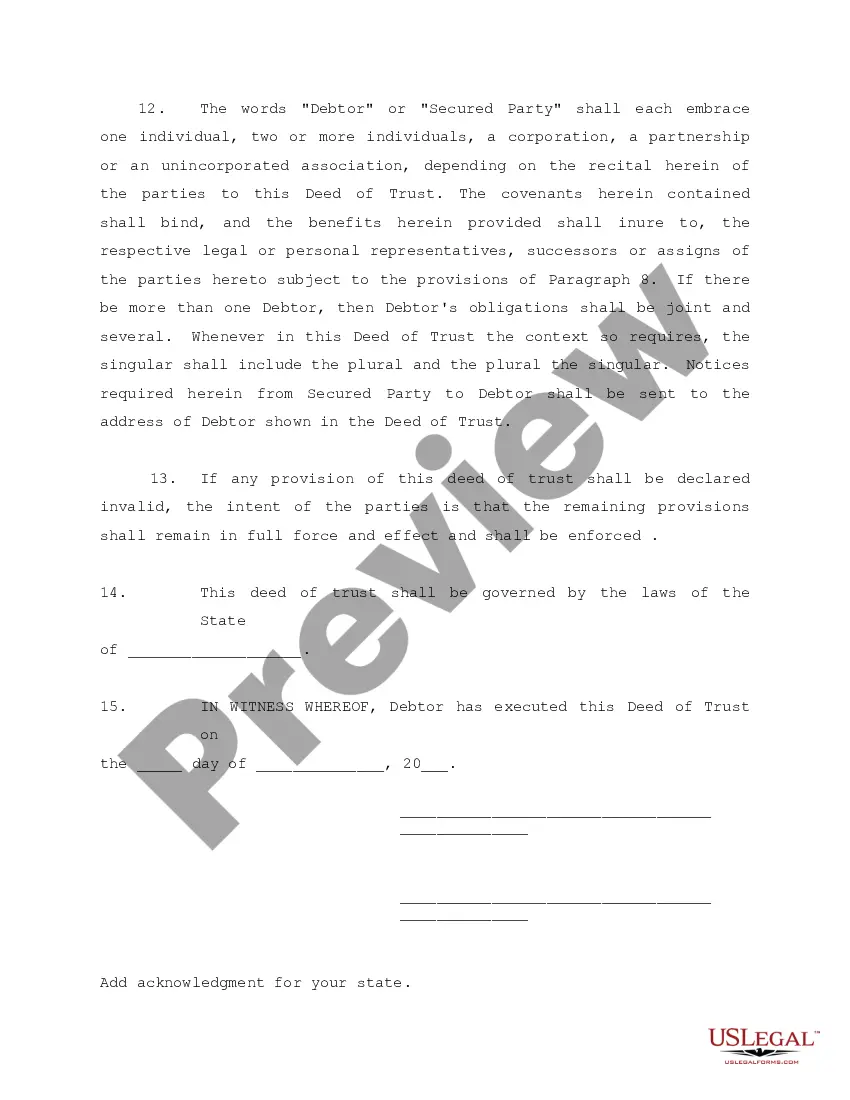
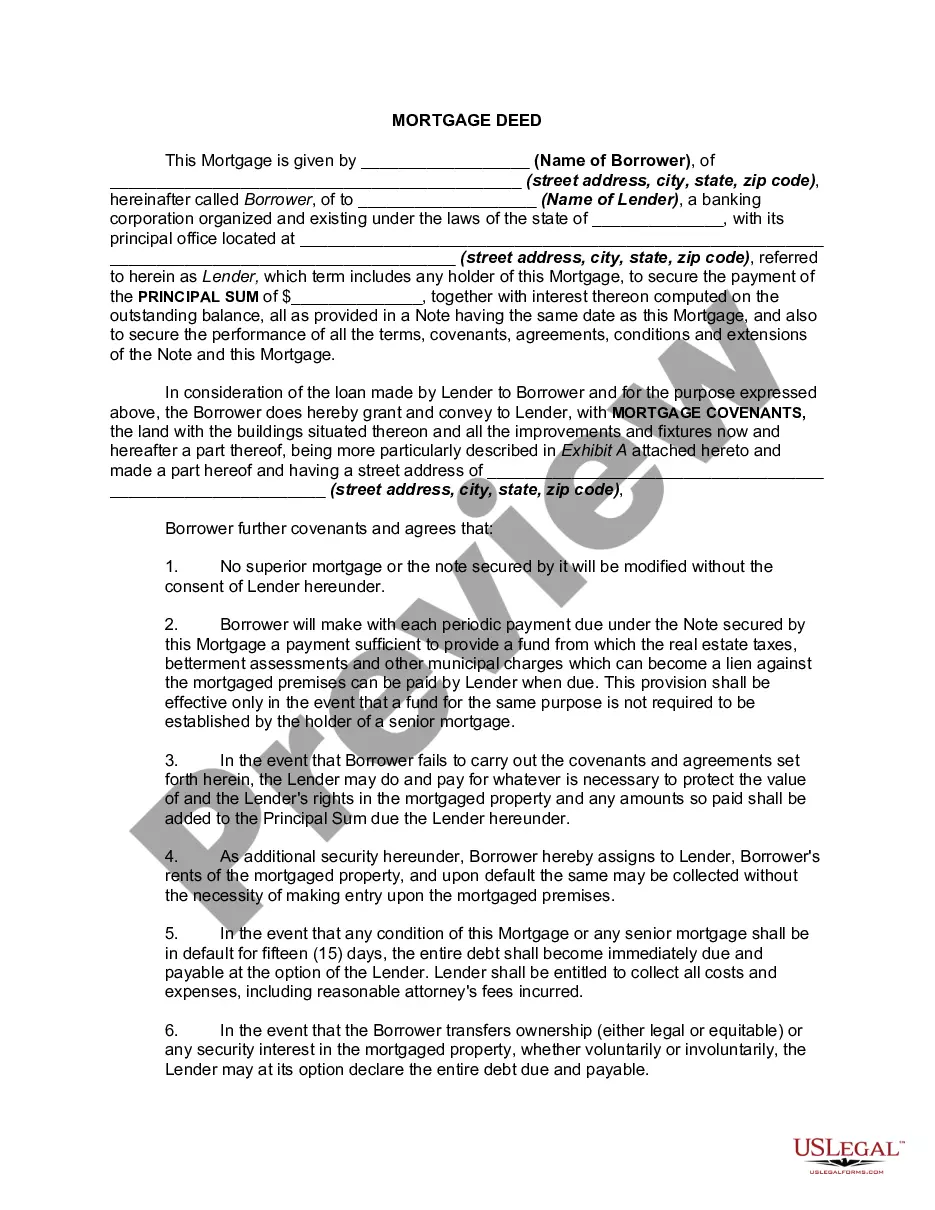
Description

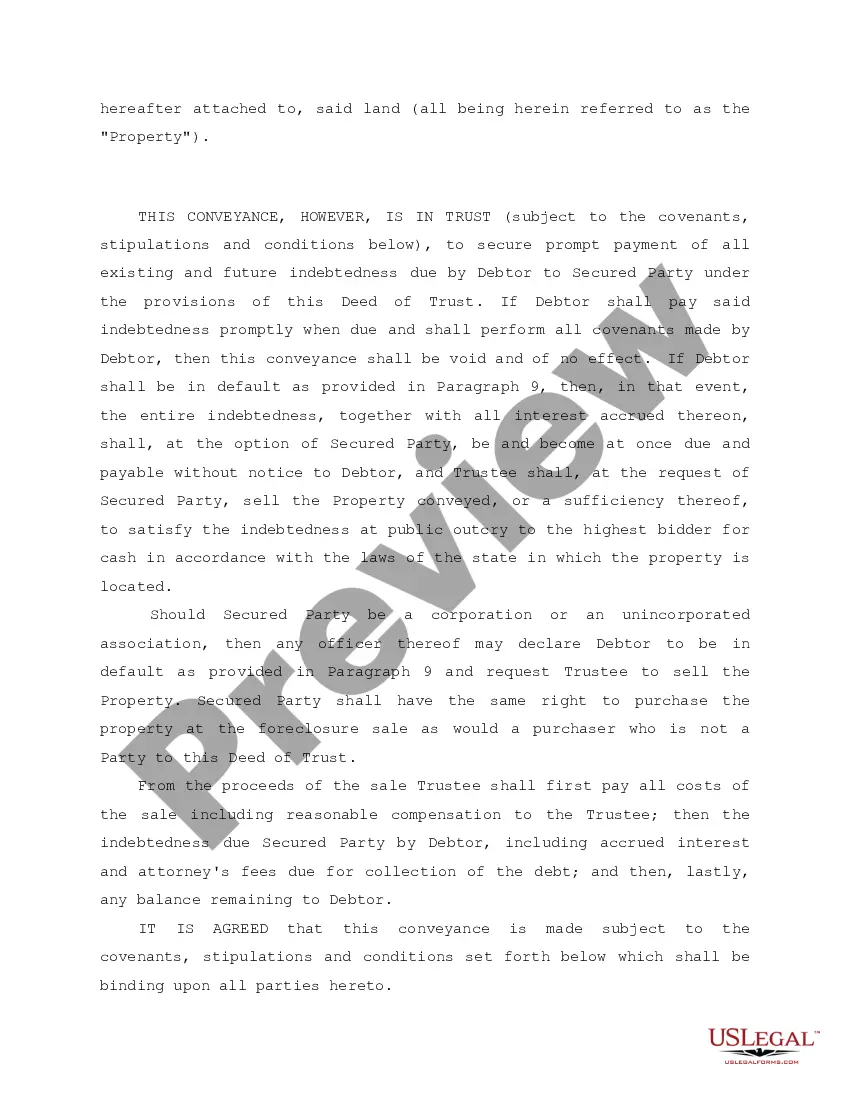
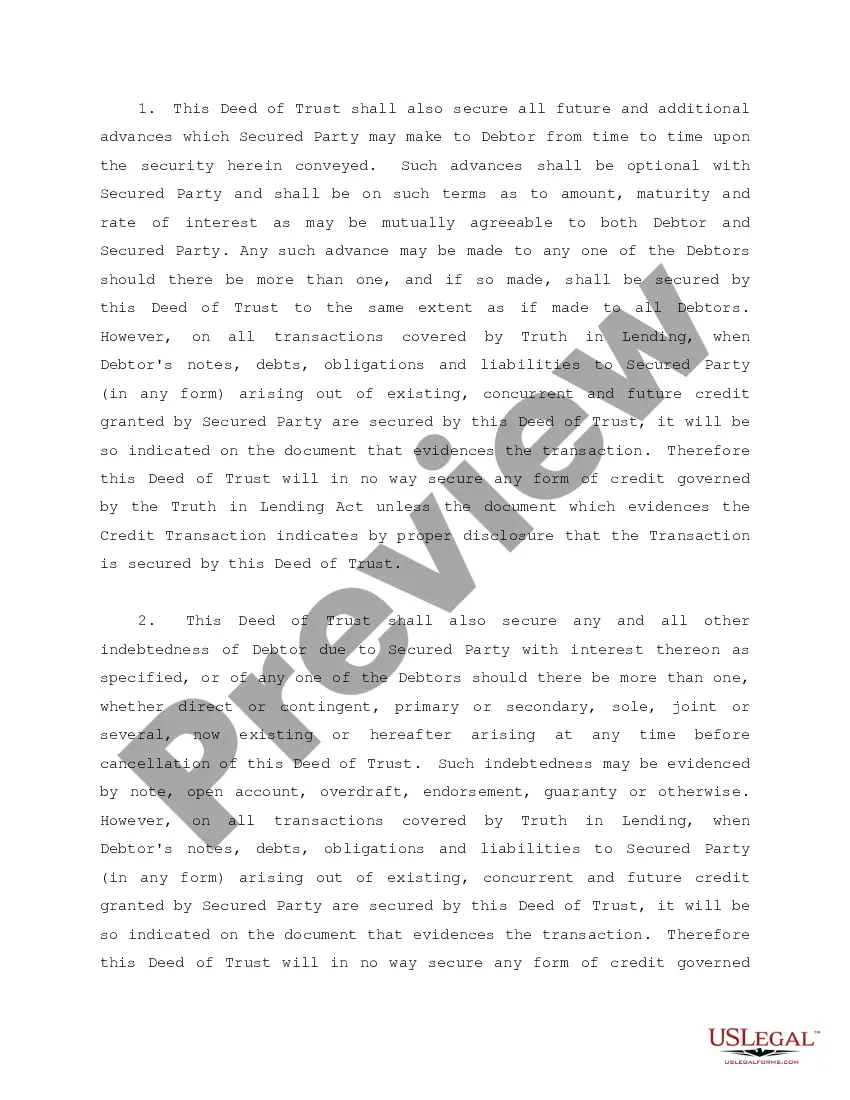
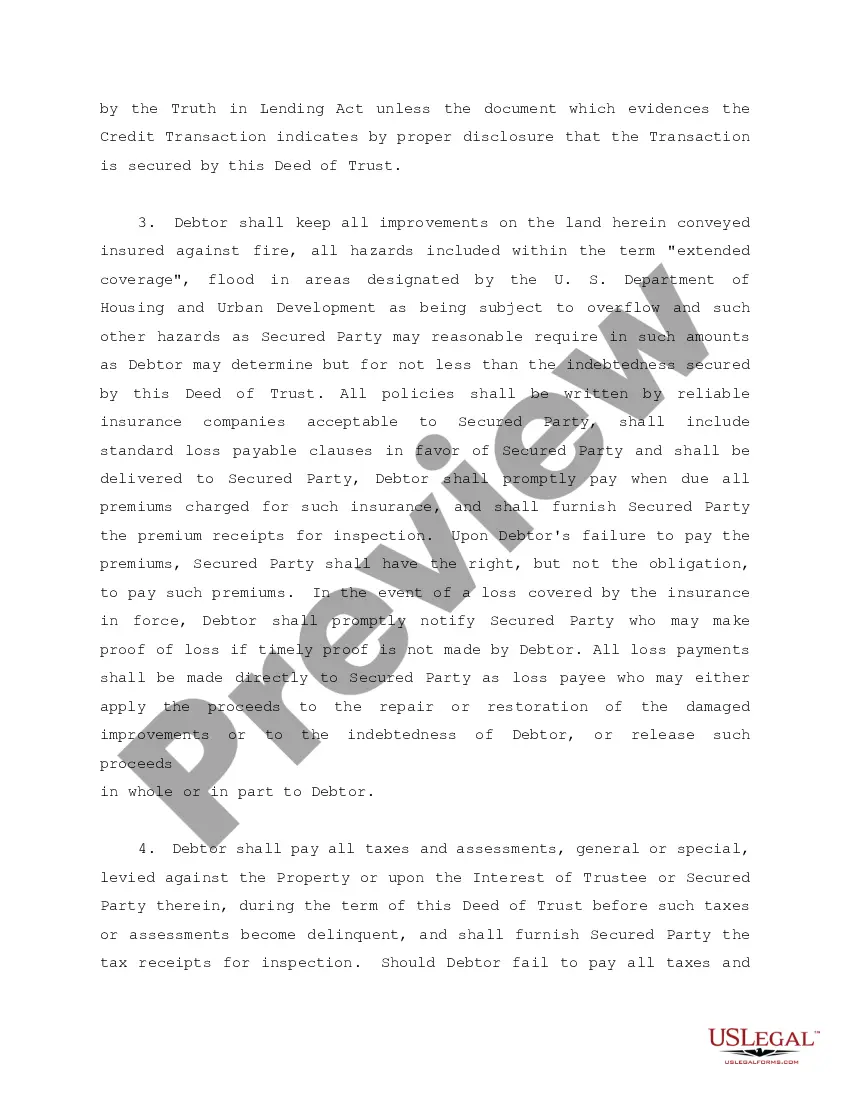
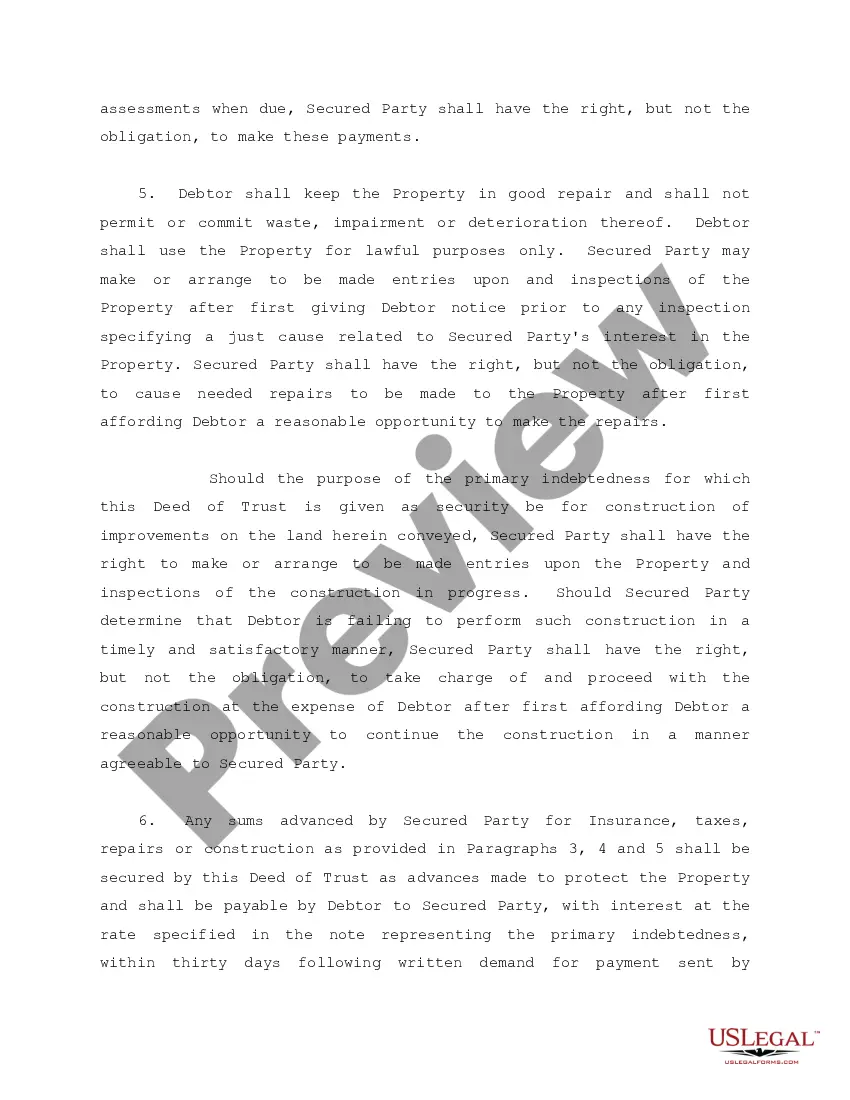

Get your form ready online
Our built-in tools help you complete, sign, share, and store your documents in one place.
Make edits, fill in missing information, and update formatting in US Legal Forms—just like you would in MS Word.
Download a copy, print it, send it by email, or mail it via USPS—whatever works best for your next step.
Sign and collect signatures with our SignNow integration. Send to multiple recipients, set reminders, and more. Go Premium to unlock E-Sign.
If this form requires notarization, complete it online through a secure video call—no need to meet a notary in person or wait for an appointment.
We protect your documents and personal data by following strict security and privacy standards.

Make edits, fill in missing information, and update formatting in US Legal Forms—just like you would in MS Word.

Download a copy, print it, send it by email, or mail it via USPS—whatever works best for your next step.

Sign and collect signatures with our SignNow integration. Send to multiple recipients, set reminders, and more. Go Premium to unlock E-Sign.

If this form requires notarization, complete it online through a secure video call—no need to meet a notary in person or wait for an appointment.

We protect your documents and personal data by following strict security and privacy standards.
Looking for another form?

Form popularity
FAQ
Dischargeable debts are those debts that can be eliminated through the bankruptcy process, meaning that the debtor is no longer legally obligated to repay them. In a Chapter 7 bankruptcy, most unsecured debts can be discharged, including credit card debt, medical bills, personal loans, and certain types of taxes.
Dischargeable debts are those debts that can be eliminated through the bankruptcy process, meaning that the debtor is no longer legally obligated to repay them. In a Chapter 7 bankruptcy, most unsecured debts can be discharged, including credit card debt, medical bills, personal loans, and certain types of taxes.
Some common dischargeable debts include credit card debt and medical bills. Other debts such as domestic support and tax obligations are generally non-dischargeable due to public policy reasons. 11 U.S.C.A. § 523 lists out exemptions to dischargeable debts and non-dischargeable debts.
Although bankruptcy can clear a lot of your debt, it can't eliminate all of your financial obligations. No matter whether you file for Chapter 7 or Chapter 13 bankruptcy, the types of debts that cannot be cleared include: Court fines and penalties. Court-ordered alimony or child support payments.
Although an individual chapter 7 case usually results in a discharge of debts, the right to a discharge is not absolute, and some types of debts are not discharged.
Within fourteen days after the tenant has vacated the premises, the landlord shall provide the tenant with an itemized statement indicating the basis for the amount of the deposit retained, if any, and shall return any remaining portion of the deposit to the tenant.
Some key provisions of Section 7-103 include: Landlords cannot demand a security deposit that is more than 1 month's rent for an unfurnished apartment or 2 month's rent for a furnished apartment. Landlords must return the full security deposit to the tenant within 14 days after the tenant has moved out.
It is illegal for landlords in New York to refuse lease renewal, significantly raise rent, or file for eviction in retaliation for a good faith complaint to them or to a government agency made in the past year, or for participation in the activity of a tenancy organization like ITU, ing to NY Real Prop L Section ...
Notice of entry occurs when one party serves a copy of a court's order on the other parties in the case. CPLR § R2220(b); Smart Code. In New York state court, the court does not automatically send orders to all parties.
Once the Judgment is entered, the winner should serve a copy of the Judgment with "notice of entry" on the loser. This service starts the loser's time to appeal running.
