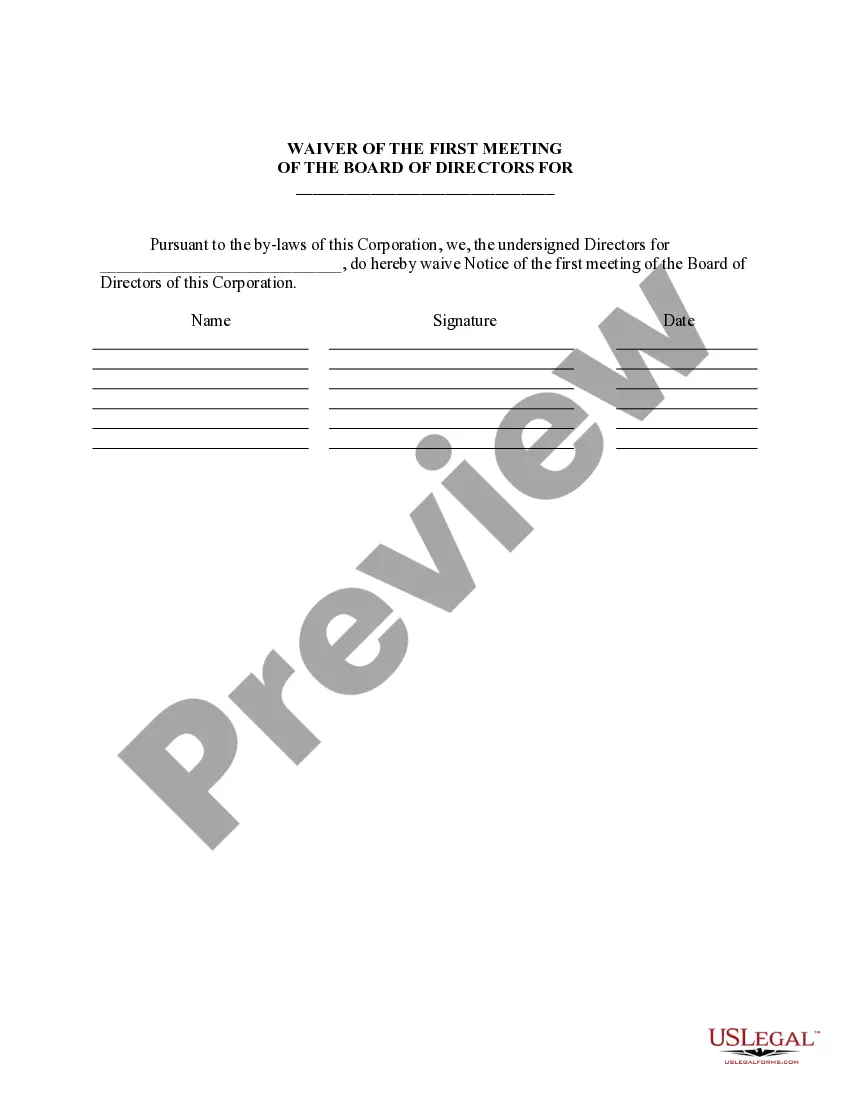
Board Directors Corporate With The Task Of Creating In Maryland
Description
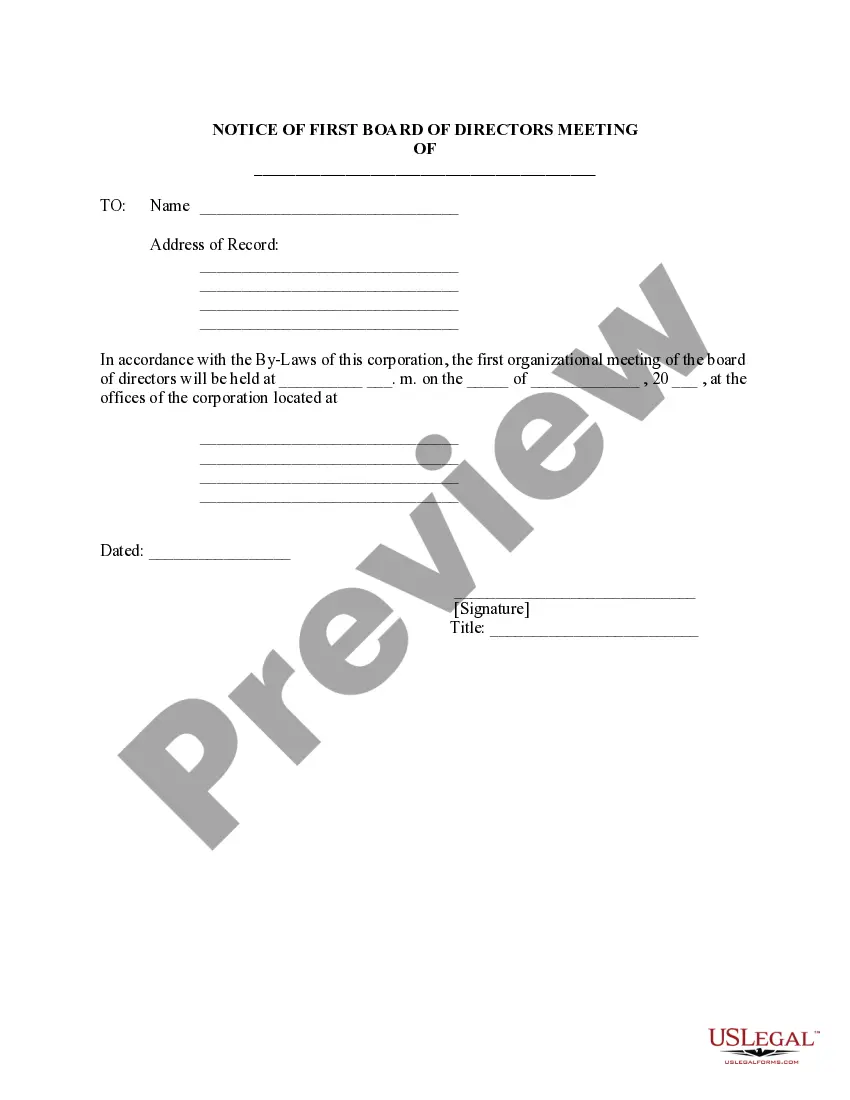


Get your form ready online
Our built-in tools help you complete, sign, share, and store your documents in one place.
Make edits, fill in missing information, and update formatting in US Legal Forms—just like you would in MS Word.
Download a copy, print it, send it by email, or mail it via USPS—whatever works best for your next step.
Sign and collect signatures with our SignNow integration. Send to multiple recipients, set reminders, and more. Go Premium to unlock E-Sign.
If this form requires notarization, complete it online through a secure video call—no need to meet a notary in person or wait for an appointment.
We protect your documents and personal data by following strict security and privacy standards.
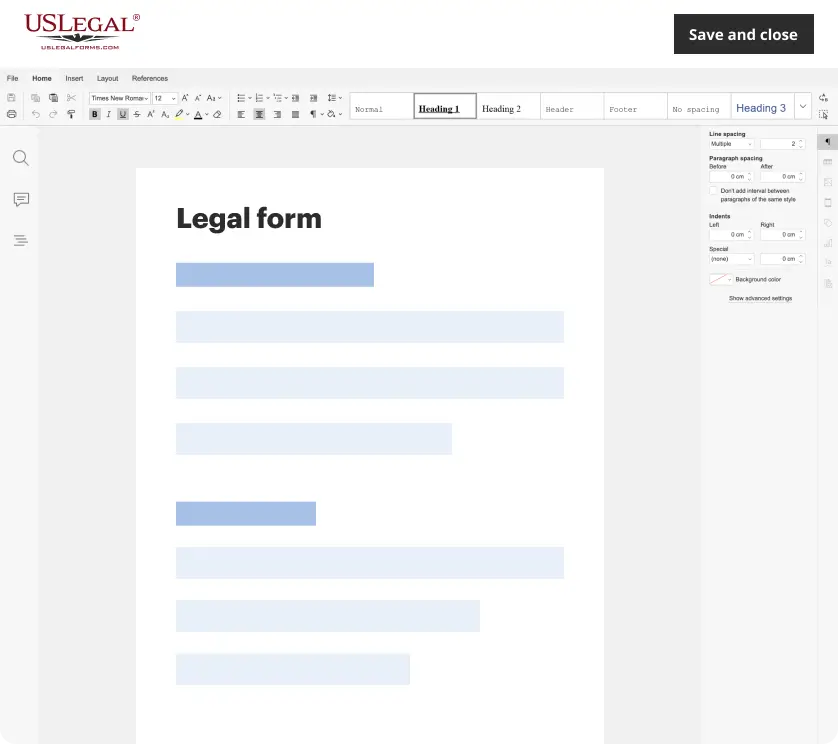
Make edits, fill in missing information, and update formatting in US Legal Forms—just like you would in MS Word.
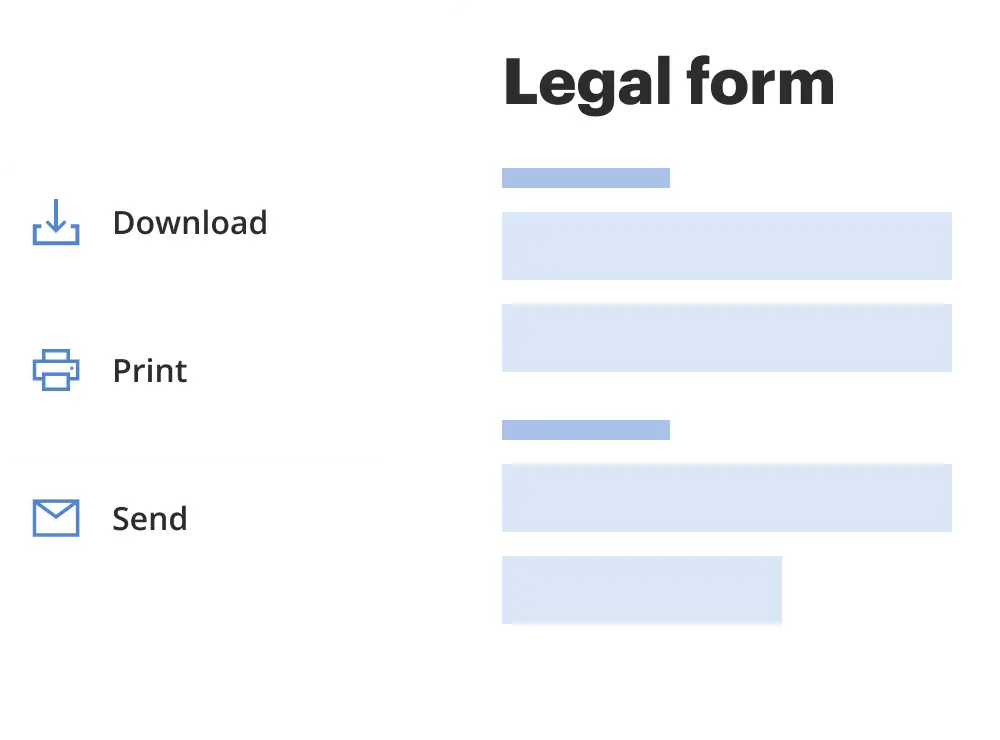
Download a copy, print it, send it by email, or mail it via USPS—whatever works best for your next step.
Sign and collect signatures with our SignNow integration. Send to multiple recipients, set reminders, and more. Go Premium to unlock E-Sign.

If this form requires notarization, complete it online through a secure video call—no need to meet a notary in person or wait for an appointment.

We protect your documents and personal data by following strict security and privacy standards.
Looking for another form?



Form popularity
FAQ
A public company's board of directors is chosen by shareholders, and its primary job is to look out for shareholders' interests.
How to form a board of directors Register articles of incorporation. You must file articles of incorporation in your state to gain legal status as a corporation. Create bylaws. Set up a board of directors agreement. Select your board of directors. Have an initial shareholder meeting.
Federal and state-level laws, as well as a company's incorporation documents, require public and private corporations in the U.S. to have boards of directors (BoDs). Although private LLCs do not have the same requirements, some choose to elect a board of directors after incorporating.
How to form a board of directors Register articles of incorporation. You must file articles of incorporation in your state to gain legal status as a corporation. Create bylaws. Set up a board of directors agreement. Select your board of directors. Have an initial shareholder meeting.
A typical board of directors has nine members, but some have three, and others have 31. Typically, private companies have between three and seven directors on their boards. To avoid voting ties, boards are usually an odd number.
A public company's board of directors is chosen by shareholders, and its primary job is to look out for shareholders' interests. In fact, directors are legally required to put shareholders' interests ahead of their own.
All corporations, regardless of the state, must have a shareholder-elected Board of Directors. An LLC is not required to have a Board of Directors, but can adopt this form of management if the members (the owners of the LLC) choose to do so.
Under Maryland law, officers and directors occupy a fiduciary relationship with the corporation. The duties are generally divided into the duty of care and the duty of loyalty. The standard of care owed by a director to the corporation is codified in the Maryland Corporations and Associations Article § 2-405.1.
Here are eight key things to include when writing bylaws. Basic corporate information. The bylaws should include your corporation's formal name and the address of its main place of business. Board of directors. Officers. Shareholders. Committees. Meetings. Conflicts of interest. Amendment.
Board members are added—and removed—by a vote. For publicly traded companies, shareholders vote for directors, typically during the annual stockholders' meeting.