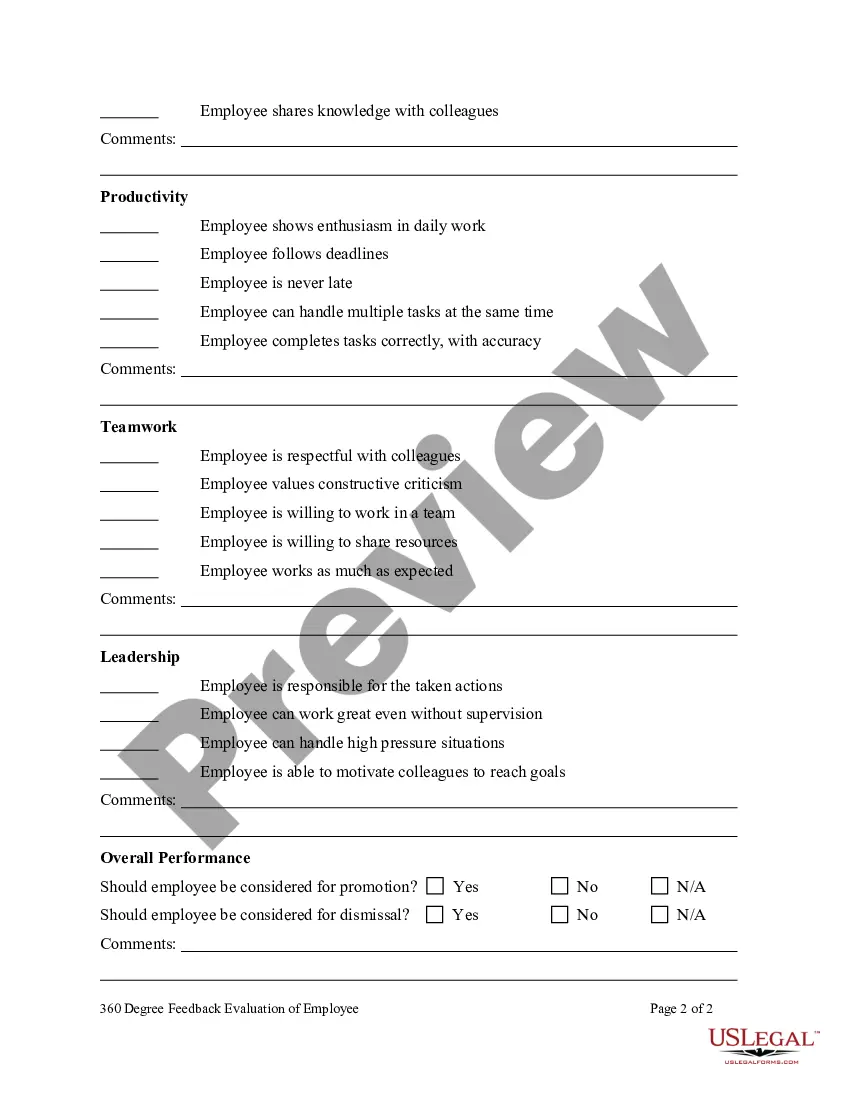
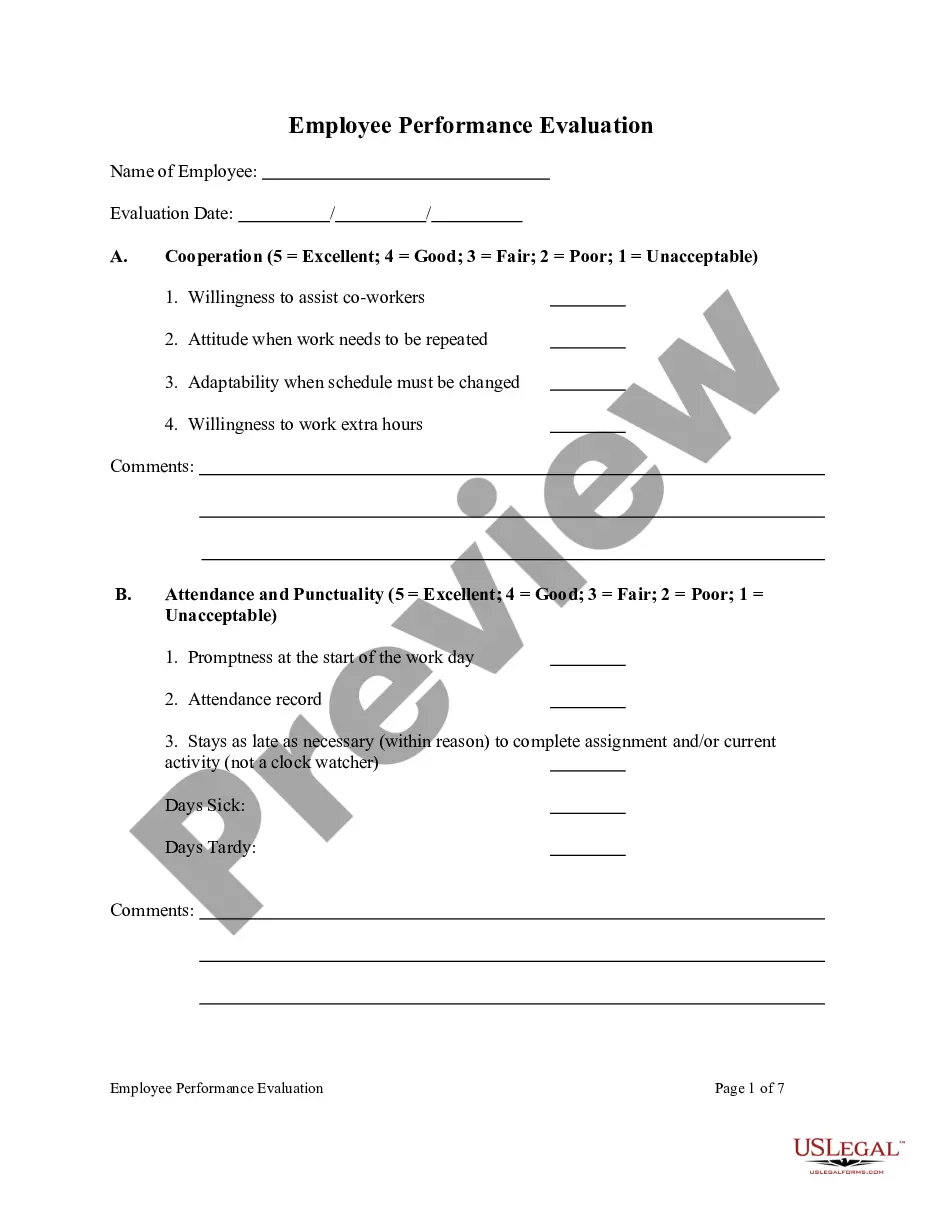
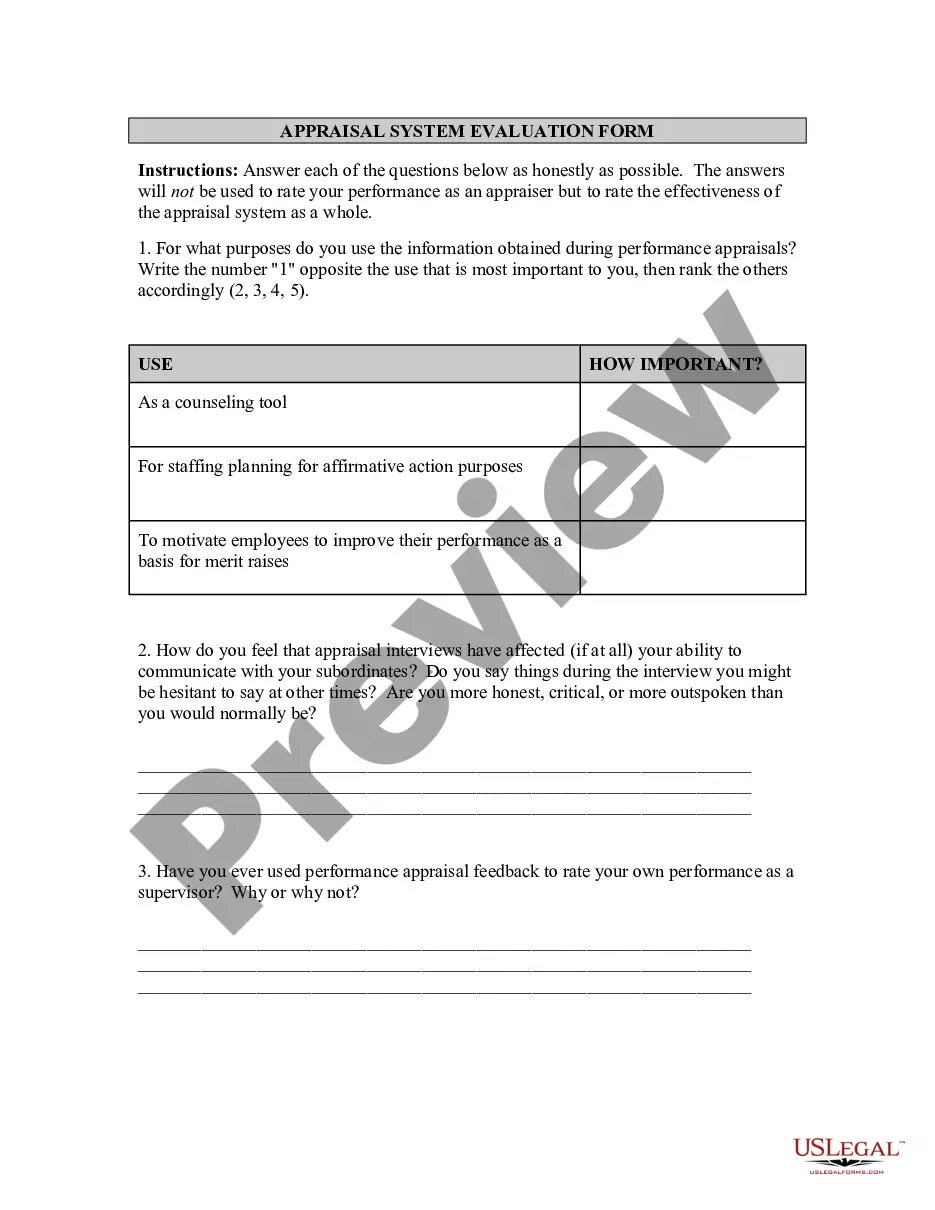
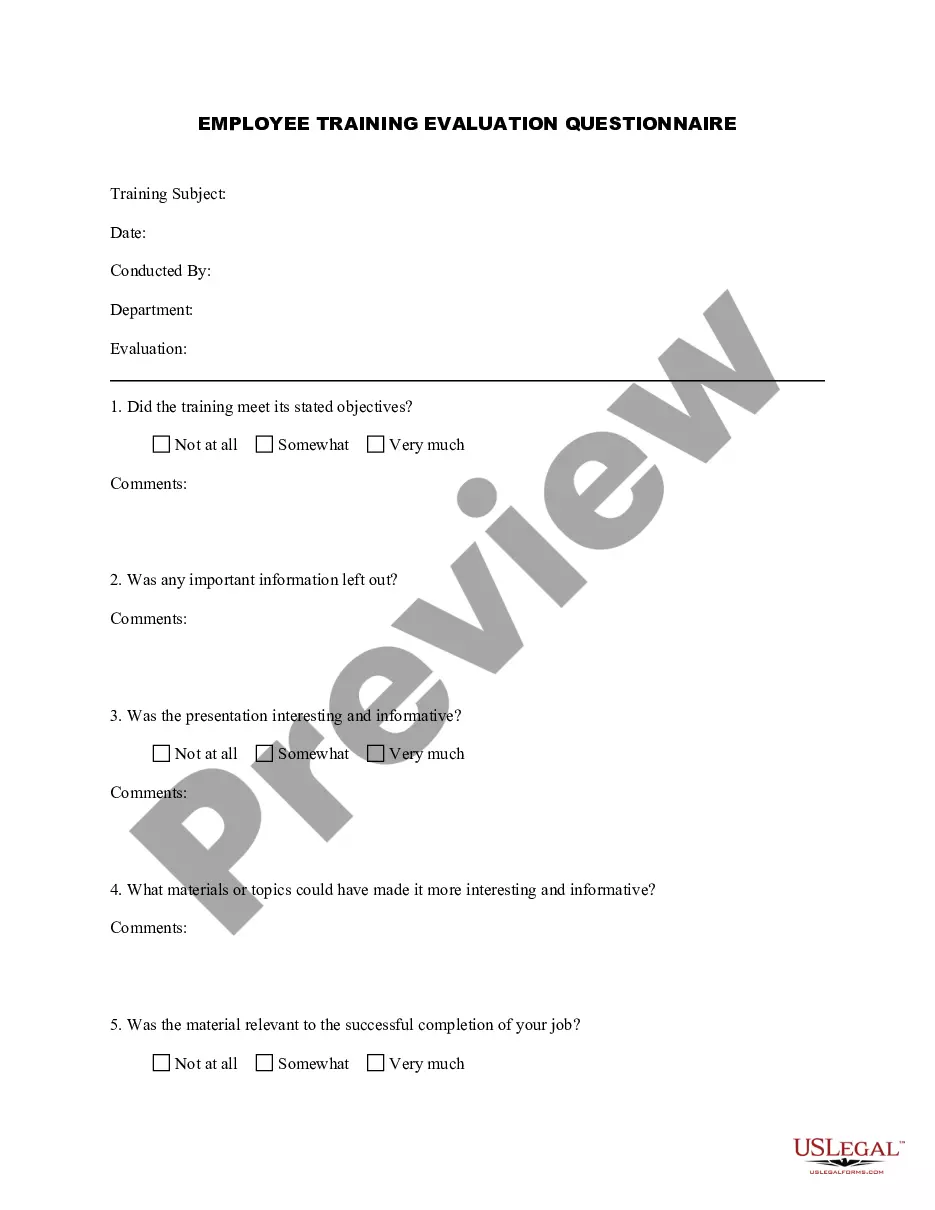
360 Review Template For Managers In Hennepin
Description

Get your form ready online
Our built-in tools help you complete, sign, share, and store your documents in one place.
Make edits, fill in missing information, and update formatting in US Legal Forms—just like you would in MS Word.
Download a copy, print it, send it by email, or mail it via USPS—whatever works best for your next step.
Sign and collect signatures with our SignNow integration. Send to multiple recipients, set reminders, and more. Go Premium to unlock E-Sign.
If this form requires notarization, complete it online through a secure video call—no need to meet a notary in person or wait for an appointment.
We protect your documents and personal data by following strict security and privacy standards.

Make edits, fill in missing information, and update formatting in US Legal Forms—just like you would in MS Word.

Download a copy, print it, send it by email, or mail it via USPS—whatever works best for your next step.

Sign and collect signatures with our SignNow integration. Send to multiple recipients, set reminders, and more. Go Premium to unlock E-Sign.

If this form requires notarization, complete it online through a secure video call—no need to meet a notary in person or wait for an appointment.

We protect your documents and personal data by following strict security and privacy standards.
Looking for another form?

Form popularity
FAQ
Whether it's applied to performance management, marketing, or overall business strategy, 360 signifies looking at a situation from all angles. This holistic perspective helps organizations optimize employee performance, enhance customer experiences, and make better decisions.
What are the 4 Components of 360-degree Performance Appraisal? Self-Assessment. Self-assessment is where the employee evaluates their performance. Peer Feedback. Incorporating peer feedback involves gathering input from colleagues who interact with the employee regularly. Manager Feedback. Subordinate Feedback.
360 feedback examples for peers “Your active listening skills are impressive. During team meetings, you always acknowledge everyone's input, making us feel valued and heard. For instance, during our last project discussion, you summarized key points from each speaker, which helped clarify our goals and next steps.”
What is 360 degree feedback? 360 degree feedback (also known as multi-source or multi rater feedback assessment) is a way for individuals to understand their personal strengths and weaknesses, using the constructive feedback of others who work with them the most.
“I appreciate how you always listen to our ideas and encourage open communication within the team. It makes us feel valued and respected.” Highlighting this behaviour reinforces its positive impact on team morale.
What Is 360-Degree Feedback? 360-degree feedback is a process that allows an employee to understand their strengths and weaknesses. In this feedback system, the employer and other staff members, like co-workers, peers, subordinates, and people that share the same work environment, provide feedback to an employee.
What Is 360-degree Feedback? Also called a multirater tool, 360-degree feedback is a process to survey a group of people who work around a leader about the leader's performance and behavior.
“I always feel more (optimistic/confident/energised/inspired) after our one-on-one meetings.” 10. “Your (work ethic/dedication/perseverance/can-do attitude/passion/creativity) sets an incredible example for the whole team.”
How to design an effective 360 degree feedback questionnaire Identify the themes you want to measure. Create specific 360 questions based on your themes. Example 360 degree feedback questionnaire questions. Define your 360 degree feedback questionnaire rating scale. In conclusion.
360 Degree Feedback Examples for Decision-Making “The team appreciates how David carefully considers all perspectives before making important decisions that impact the organization.” “Samantha could improve her decision-making by making more decisive choices and communicating the rationale behind them to the team.”
