Stockholders Corporate Resolutions Withdrawal In San Jose
Description
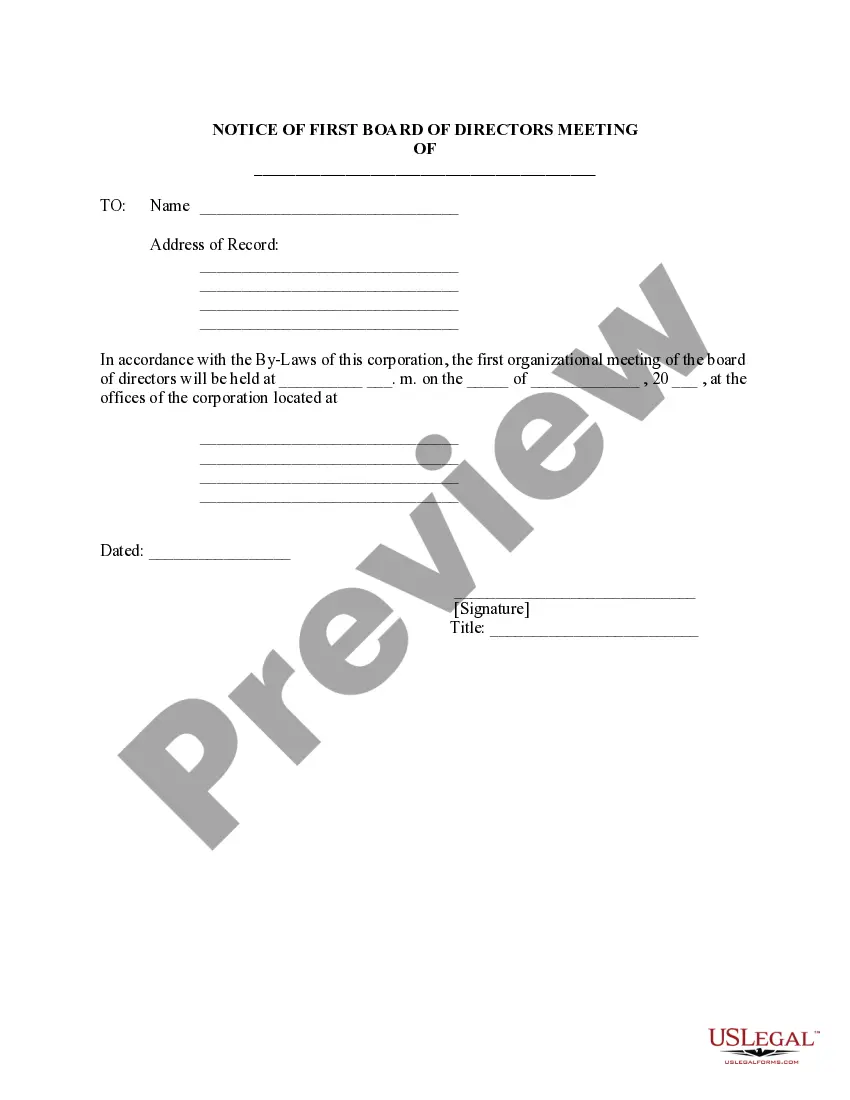


Get your form ready online
Our built-in tools help you complete, sign, share, and store your documents in one place.
Make edits, fill in missing information, and update formatting in US Legal Forms—just like you would in MS Word.
Download a copy, print it, send it by email, or mail it via USPS—whatever works best for your next step.
Sign and collect signatures with our SignNow integration. Send to multiple recipients, set reminders, and more. Go Premium to unlock E-Sign.
If this form requires notarization, complete it online through a secure video call—no need to meet a notary in person or wait for an appointment.
We protect your documents and personal data by following strict security and privacy standards.
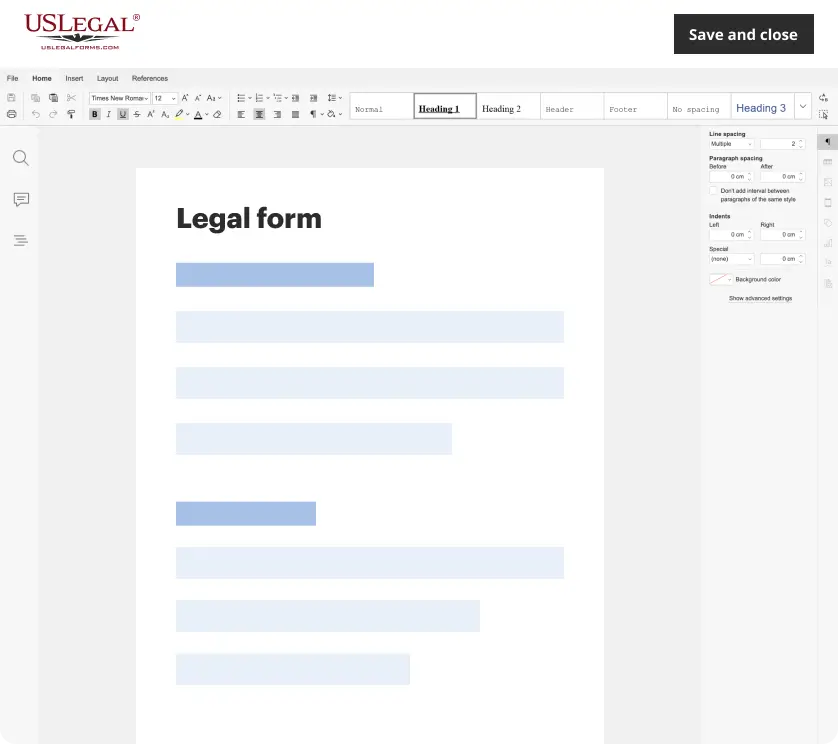
Make edits, fill in missing information, and update formatting in US Legal Forms—just like you would in MS Word.
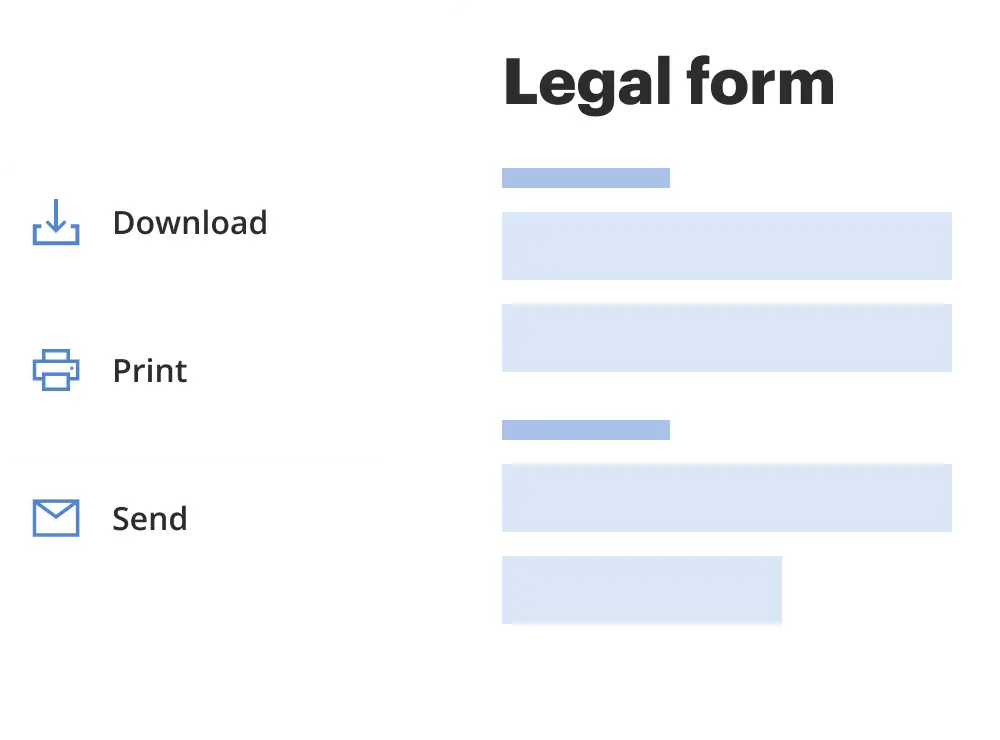
Download a copy, print it, send it by email, or mail it via USPS—whatever works best for your next step.
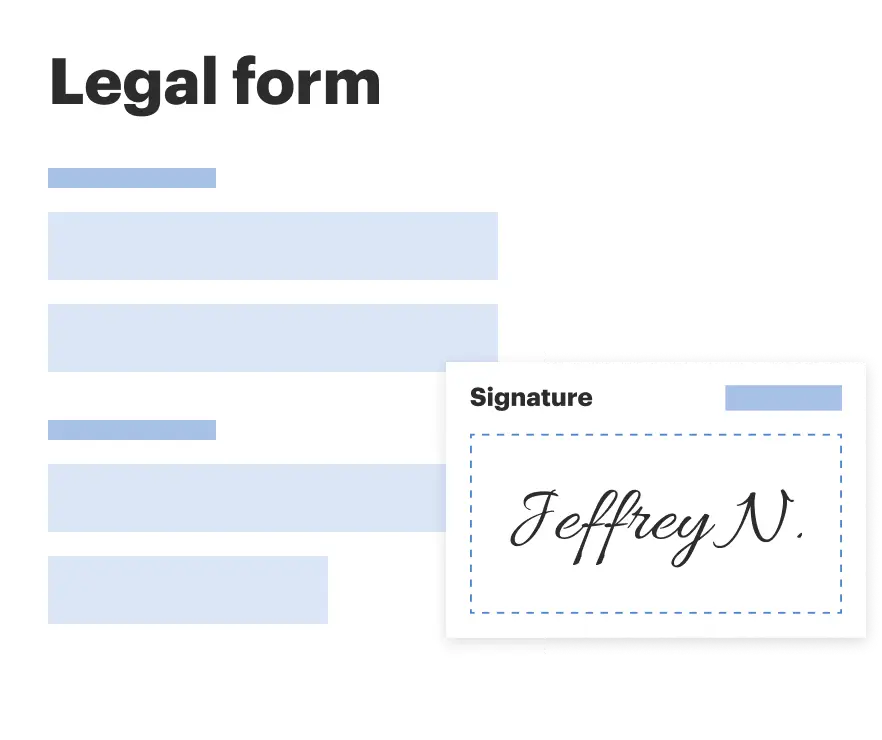
Sign and collect signatures with our SignNow integration. Send to multiple recipients, set reminders, and more. Go Premium to unlock E-Sign.
If this form requires notarization, complete it online through a secure video call—no need to meet a notary in person or wait for an appointment.
We protect your documents and personal data by following strict security and privacy standards.
Looking for another form?





Form popularity
FAQ
Shareholders holding at least $2,000 worth of stock in a publicly-traded company for at least three years prior to the filing deadline can introduce a resolution to company management to be voted on at the next annual meeting.
Filing resolutions with Companies House When you make changes to your limited company, you usually need to tell Companies House. Special resolutions must be delivered to Companies House by post within 15 days of being passed. They cannot be delivered electronically.
There are two main types of shareholders' resolution: 'ordinary' and 'special'. An ordinary resolution is passed by a simple majority of members, while a special resolution requires not less than 75% of the total voting rights of eligible members.
If it's a publicly traded company, the shareholder can unload their shares on the stock exchange. If it's privately held, then hopefully the articles of incorporation or association contain a buy-sell provision.
In many cases, shareholders withdraw a resolution if they are able to secure a commitment to an agreed course of action from the company through engagement prior to the vote.
We aim to have the first draft of a new shareholders agreement with you within 1 to 2 weeks, subject to the complexity of the document. More complicated shareholder agreements involving clauses such as competition, tag along/drag, and provisions will increase the time required to produce the first draft.
You must let your shareholders (and auditors if relevant) know when there's going to be a vote on a resolution. You must file special or extraordinary resolutions with Companies House within 15 days of passing them.
How to remove a shareholder Refer to the shareholders' agreement. A shareholders' agreement outlines the rights and obligations of each shareholder in an organization. Consult professionals. Claim majority. Negotiate. Create a noncompete agreement.
Generally, a majority of shareholders can remove a director by passing an ordinary resolution after giving special notice. This is straightforward, but care should be taken to check the articles of association of the company and any shareholders' agreement, which may include a contractual right to be on the board.
If the minority shareholder holds less than 25% shares, a vote can take place and so long as there is a 75% majority, the company can pass a special resolution to wind up the company. If the company is still solvent then you will need to start the members voluntary liquidation process.

