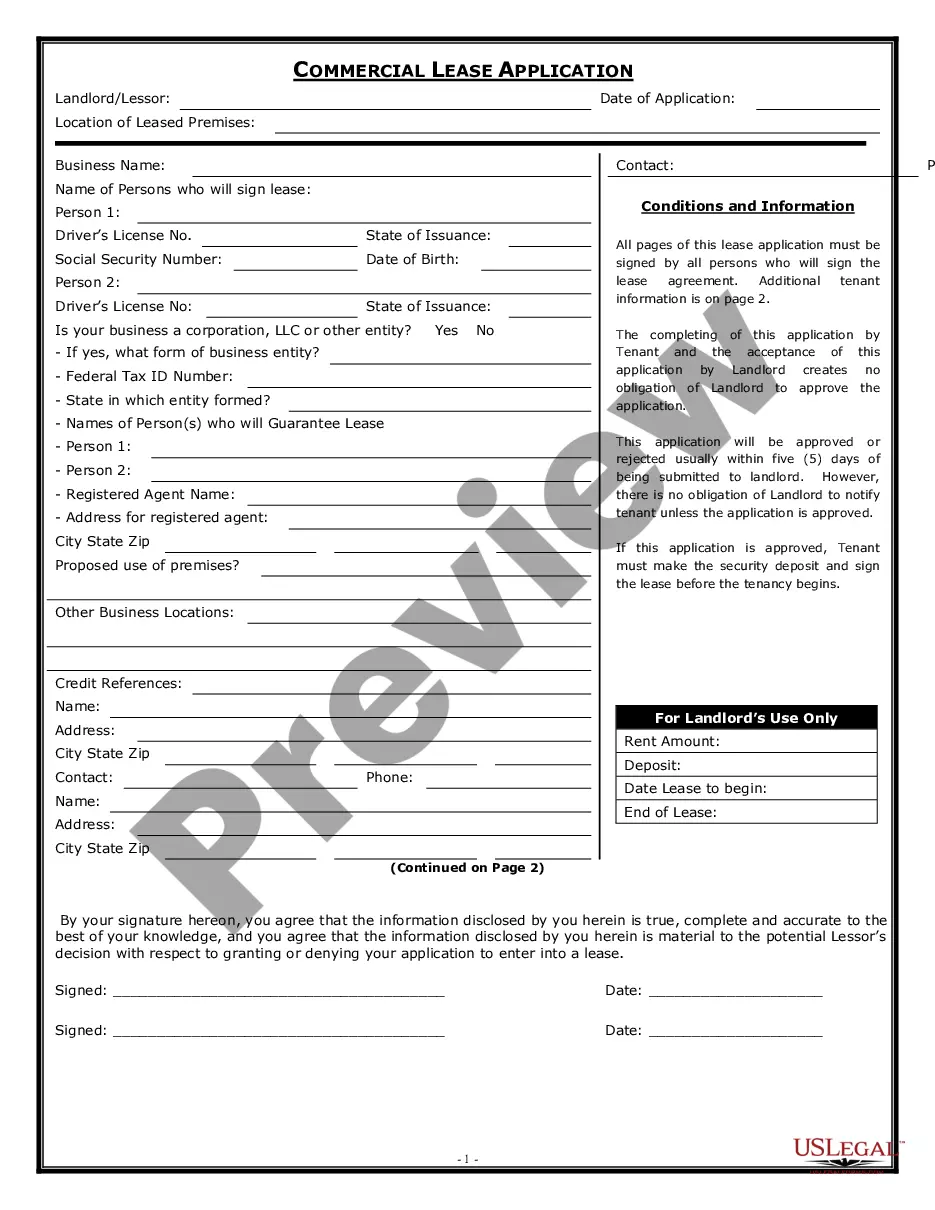
Private Property For Sale In Virginia
Description

Get your form ready online
Our built-in tools help you complete, sign, share, and store your documents in one place.
Make edits, fill in missing information, and update formatting in US Legal Forms—just like you would in MS Word.
Download a copy, print it, send it by email, or mail it via USPS—whatever works best for your next step.
Sign and collect signatures with our SignNow integration. Send to multiple recipients, set reminders, and more. Go Premium to unlock E-Sign.
If this form requires notarization, complete it online through a secure video call—no need to meet a notary in person or wait for an appointment.
We protect your documents and personal data by following strict security and privacy standards.
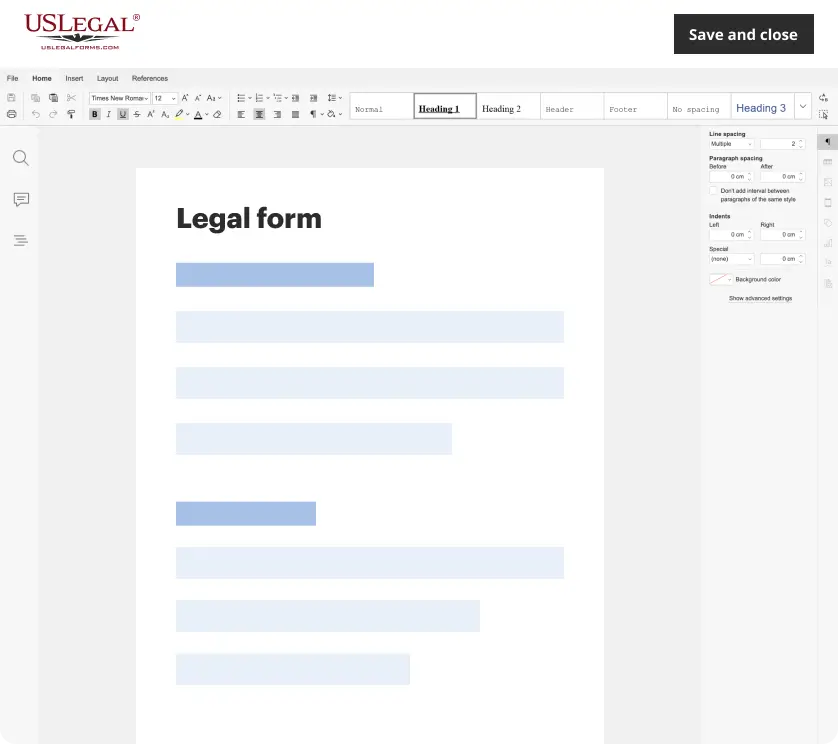
Make edits, fill in missing information, and update formatting in US Legal Forms—just like you would in MS Word.
Download a copy, print it, send it by email, or mail it via USPS—whatever works best for your next step.
Sign and collect signatures with our SignNow integration. Send to multiple recipients, set reminders, and more. Go Premium to unlock E-Sign.

If this form requires notarization, complete it online through a secure video call—no need to meet a notary in person or wait for an appointment.
We protect your documents and personal data by following strict security and privacy standards.
Looking for another form?


Form popularity
FAQ
Most seller property disclosures are required for residential properties and vacant land. This means that when selling a residential property, the seller is legally obligated to disclose any known defects or issues with the property to potential buyers.
Sellers in California have an affirmative duty to disclose to buyers all material conditions or defects known to them which can affect the value or desirability of the property. Failure to do so can lead to liability from the buyer for damages as a result of the lack of disclosure.
Sellers of residential property located partially or wholly within a designated tourism activity zone established pursuant to § 15.2-982 may disclose in writing to prospective buyers or lessees that the property is located within a tourism activity zone. This disclosure is permissive and not mandatory (§ 55.1-707)
If you get one of these unsolicited offers and are interested, ask for the person's name and contact information and tell them you need to think about the offer and run it by your family attorney before making any kind of decision.
2020, c. 313. The owner of residential real property located in the Commonwealth who has actual knowledge that the dwelling unit is a repetitive risk loss structure shall disclose such fact to the purchaser.
Purchasing land in Virginia can be an extremely rewarding investment if you weigh all the potential benefits and drawbacks ahead of time. From stunning natural beauty and a mild climate to business incentives and agricultural promise, there are many reasons Virginia land appeals to buyers.
Yes. Land is a tangible investment that will continue to go up in value over time. So, if a buyer purchases land today for $250,000, then in a few years, its value can increase to $400,000.
Check zoning, easements, is there water and power on it, or can it be brought to it, is there an existing survey, are there any liens, There might be setbacks, wetlands , topography issues which inhibit building, Or which require a geotechnical evaluation prior to building, which is expensive.
As defined by Virginia law, everything that is not public property is considered private property. Anyone on the property who is not a property owner is considered a visitor. Some examples of guests include invitees, permissive users, and trespassers.
Ing to the USDA's 2023 report, farm real estate in Virginia averaged $5,200 per acre last year. That's a 9.5% jump from 2022.