Personal Property Statement With Example In Mecklenburg
Description




Get your form ready online
Our built-in tools help you complete, sign, share, and store your documents in one place.
Make edits, fill in missing information, and update formatting in US Legal Forms—just like you would in MS Word.
Download a copy, print it, send it by email, or mail it via USPS—whatever works best for your next step.
Sign and collect signatures with our SignNow integration. Send to multiple recipients, set reminders, and more. Go Premium to unlock E-Sign.
If this form requires notarization, complete it online through a secure video call—no need to meet a notary in person or wait for an appointment.
We protect your documents and personal data by following strict security and privacy standards.

Make edits, fill in missing information, and update formatting in US Legal Forms—just like you would in MS Word.

Download a copy, print it, send it by email, or mail it via USPS—whatever works best for your next step.

Sign and collect signatures with our SignNow integration. Send to multiple recipients, set reminders, and more. Go Premium to unlock E-Sign.

If this form requires notarization, complete it online through a secure video call—no need to meet a notary in person or wait for an appointment.

We protect your documents and personal data by following strict security and privacy standards.
Looking for another form?
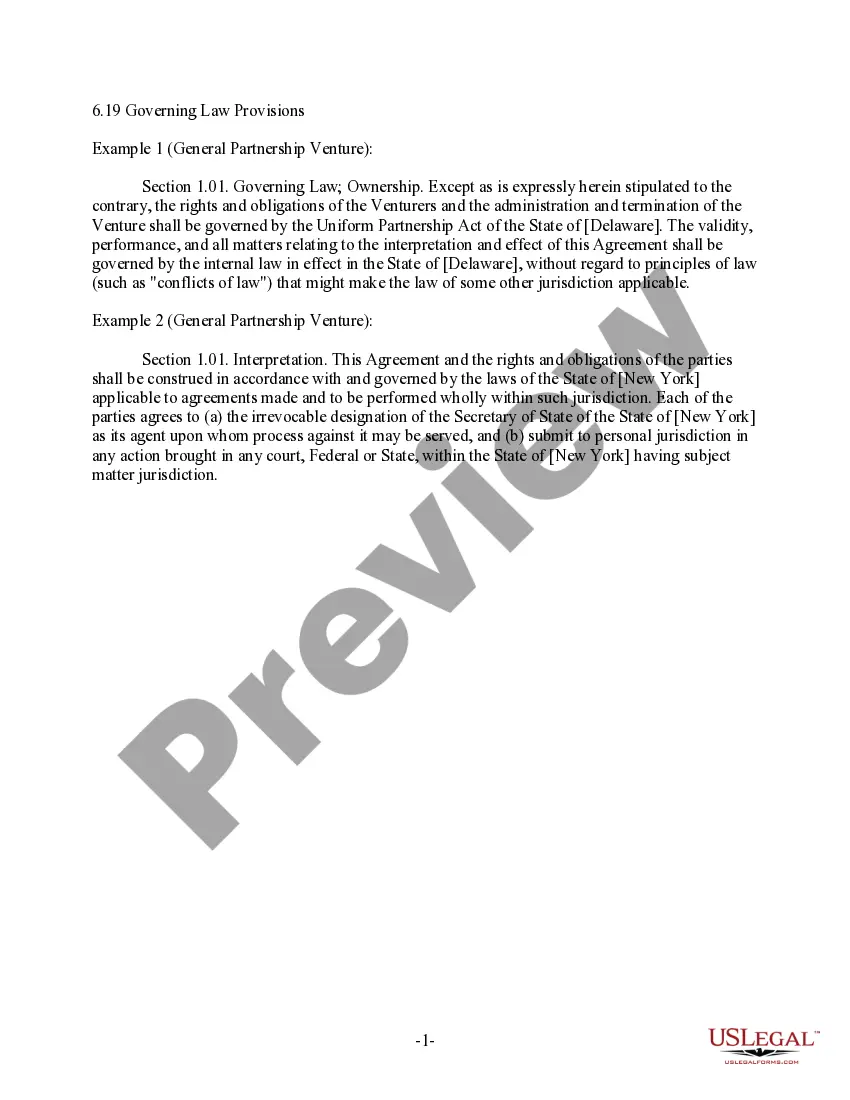
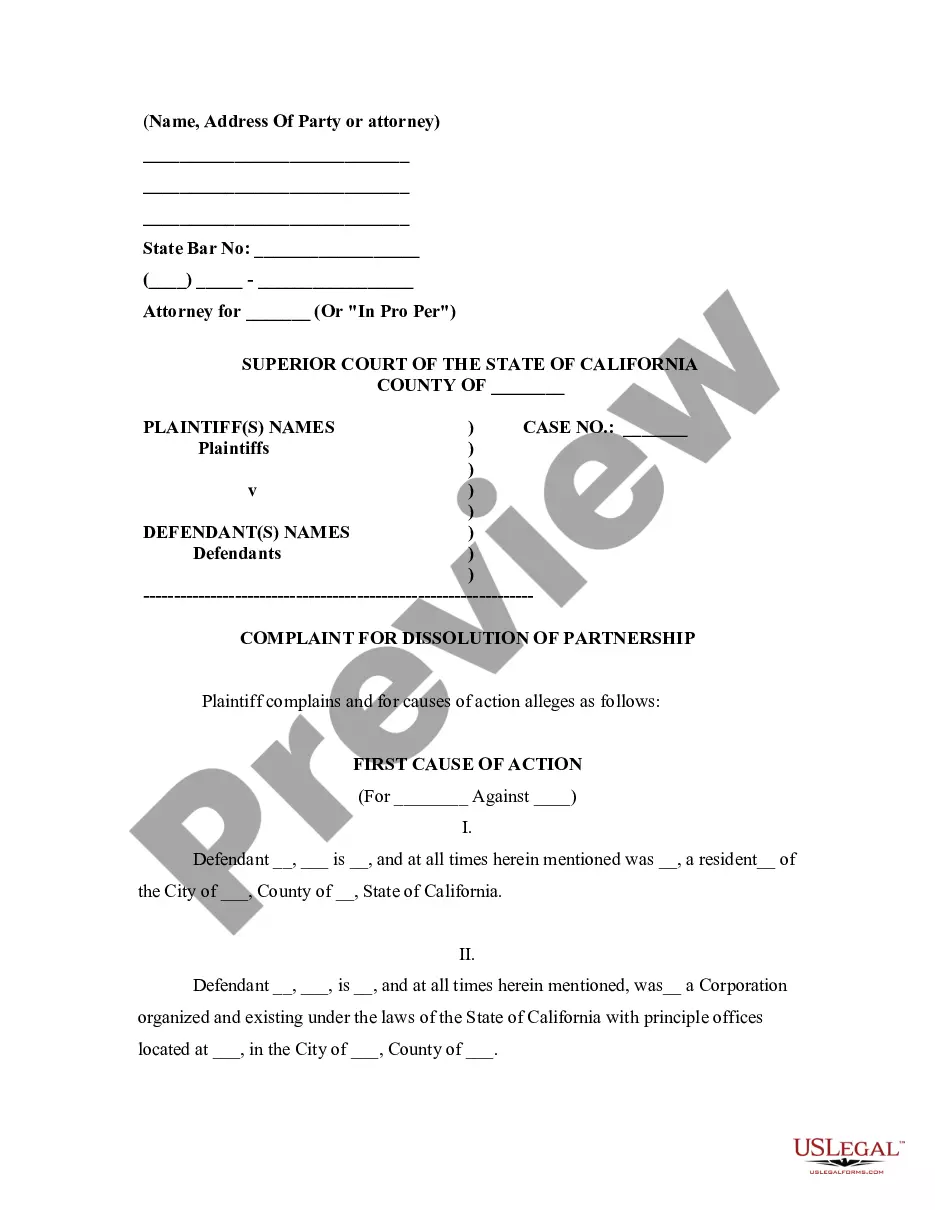

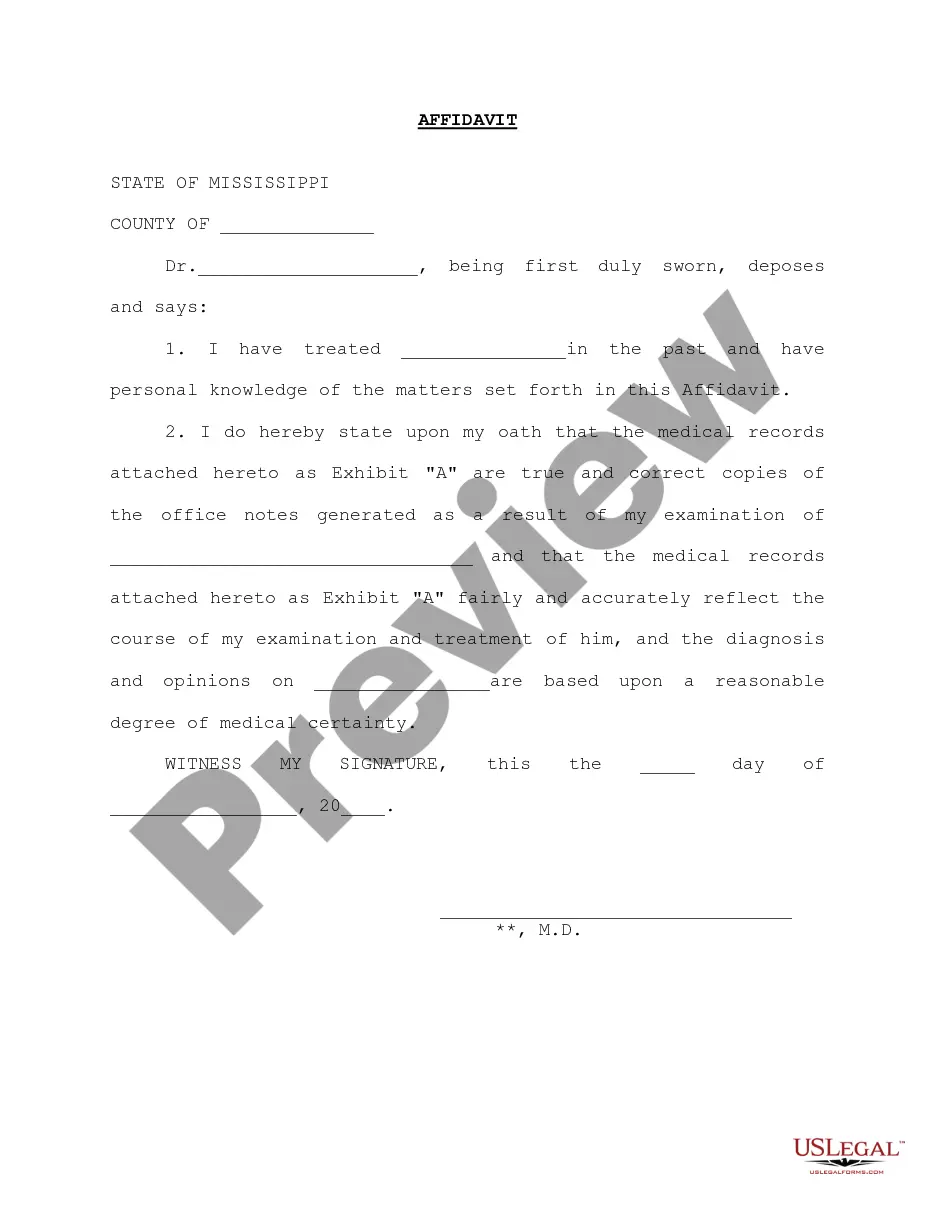


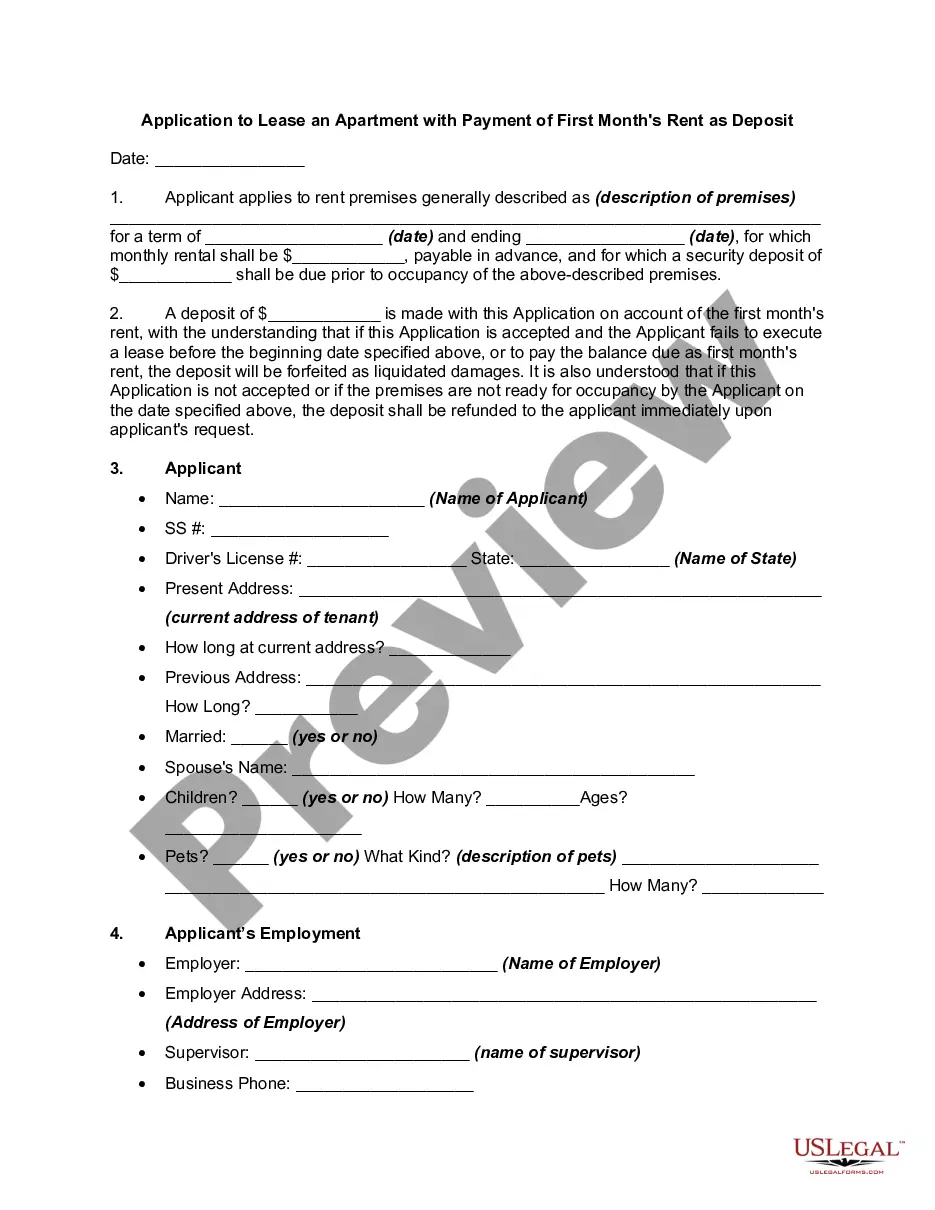


Form popularity
FAQ
Personal property owners are responsible for annually completing and submitting a personal property listing form to the Tax Office. Individual Personal Property includes, but is not limited to unlicensed motor vehicles, jet skis, campers, camper trailers, aircraft, manufactured homes, boat motors and gliders.
Personal property includes: Machinery and equipment. Furniture. Stocks and Bonds: If personal property is sold by a bona fide resident of a relevant possession such as Puerto Rico, the gain (or loss) from the sale is treated as sourced with that possession.
Real property consists of land and buildings. Personal property consists of, for this guide, tangible personal property or all personal property that is not intangible and is not permanently affixed to real property.
North Carolina's property tax rates are relatively low in comparison to those of other states. The average effective property tax rate in North Carolina is 0.70%, well under the national average of 0.99%.
A personal property tax is imposed by state or local governments on certain assets that can be touched and moved such as cars, livestock, or equipment. Personal property includes assets other than land or permanent structures such as buildings.
Personal-use property is not purchased with the primary intent of making a profit, nor do you use it for business or rental purposes.
For information regarding your property tax bill (real property and motor vehicles), contact your local property tax office (county telephone numbers).
How does North Carolina's tax code compare? North Carolina has a flat 4.50 percent individual income tax rate. North Carolina has a 2.5 percent corporate income tax rate. North Carolina also has a 4.75 percent state sales tax rate and an average combined state and local sales tax rate of 7.00 percent.
Personal property owners are responsible for annually completing and submitting a personal property listing form to the Tax Office. Individual Personal Property includes, but is not limited to unlicensed motor vehicles, jet skis, campers, camper trailers, aircraft, manufactured homes, boat motors and gliders.