Assignment Clause Real Estate For Sale In Franklin
Description

Get your form ready online
Our built-in tools help you complete, sign, share, and store your documents in one place.
Make edits, fill in missing information, and update formatting in US Legal Forms—just like you would in MS Word.
Download a copy, print it, send it by email, or mail it via USPS—whatever works best for your next step.
Sign and collect signatures with our SignNow integration. Send to multiple recipients, set reminders, and more. Go Premium to unlock E-Sign.
If this form requires notarization, complete it online through a secure video call—no need to meet a notary in person or wait for an appointment.
We protect your documents and personal data by following strict security and privacy standards.

Make edits, fill in missing information, and update formatting in US Legal Forms—just like you would in MS Word.

Download a copy, print it, send it by email, or mail it via USPS—whatever works best for your next step.

Sign and collect signatures with our SignNow integration. Send to multiple recipients, set reminders, and more. Go Premium to unlock E-Sign.

If this form requires notarization, complete it online through a secure video call—no need to meet a notary in person or wait for an appointment.

We protect your documents and personal data by following strict security and privacy standards.
Looking for another form?

Form popularity
FAQ
In the mergers and acquisitions context, an assignment of a contract from a target company entity to the relevant acquirer entity is needed whenever a contract has to be placed in the name of an entity other than the existing target company entity after consummation of a transaction.
Assignment clauses are legally binding provisions in contracts that give a party the chance to engage in a transfer of ownership or assign their contractual obligations and rights to a different contracting party. In other words, an assignment clause can reassign contracts to another party.
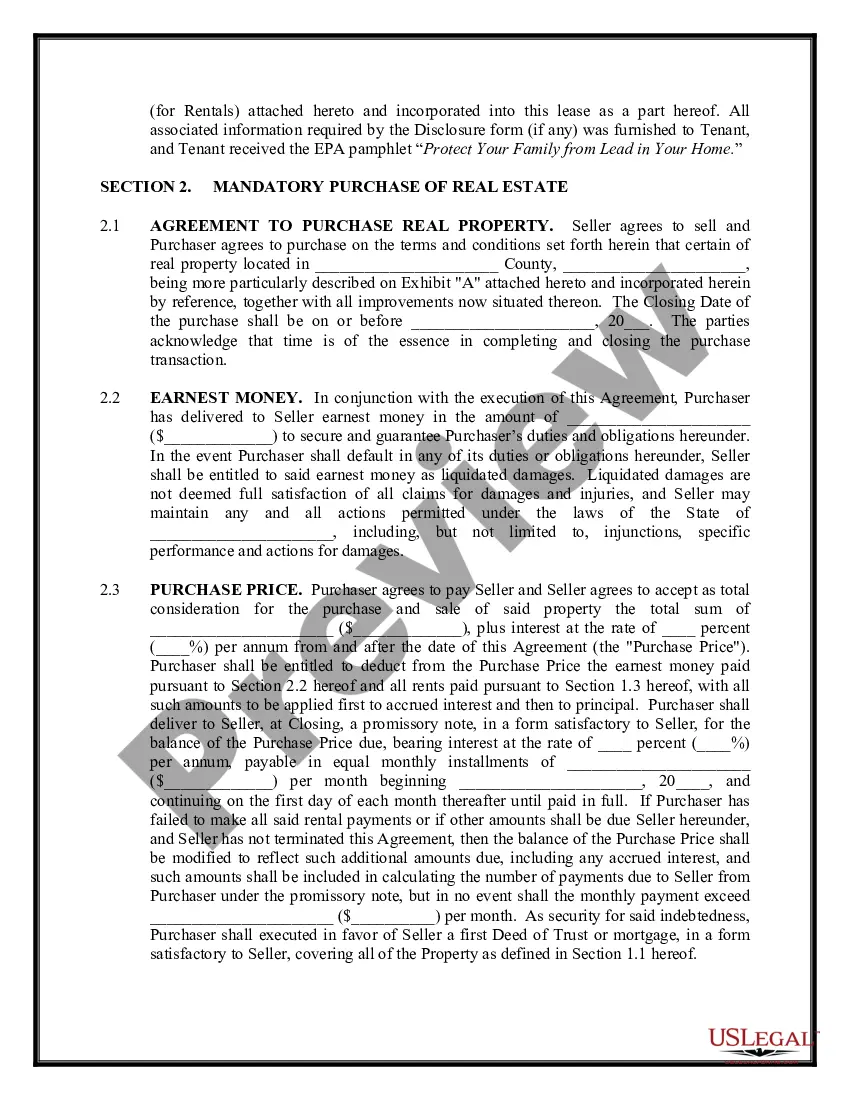
No Party shall assign this Agreement or any part hereof without the prior written consent of the other Parties. Subject to the foregoing, this Agreement shall be binding upon and inure to the benefit of the Parties Parties, and their respective permitted successors and assigns.
A "Consent to Assignment" clause stipulates that a party must obtain permission from the other party before transferring their rights or obligations under the contract to a third party. This ensures that the original party remains involved in decisions affecting the performance and continuity of the contract.
To effect an assignment, the assignor must make known his intention to transfer the rights to the third person. The assignor's intention must be that the assignment is effective without need of any further action or any further manifestation of intention to make the assignment.
The difference between assignment and transfer is that assign means it's legal to transfer property or a legal right from one person to another, while transfer means it's legal to arrange for something to be controlled by or officially belong to another person.
An assignment is the transfer of an interest from one party (“assignor”) to another (“assignee”). Assignment allows the assignor to transfer the benefit of a contract to the assignee.
If you are assigning a contract, your original contract with the seller will need to state that it is assignable. Most wholesalers do this by stating that the buyer is your name and/or assigns. You would then sign an assignment of contract with the buyer.
Assignment clauses are legally binding provisions in contracts that give a party the chance to engage in a transfer of ownership or assign their contractual obligations and rights to a different contracting party. In other words, an assignment clause can reassign contracts to another party.