Irs Publication 783 Forum In Wake
Description
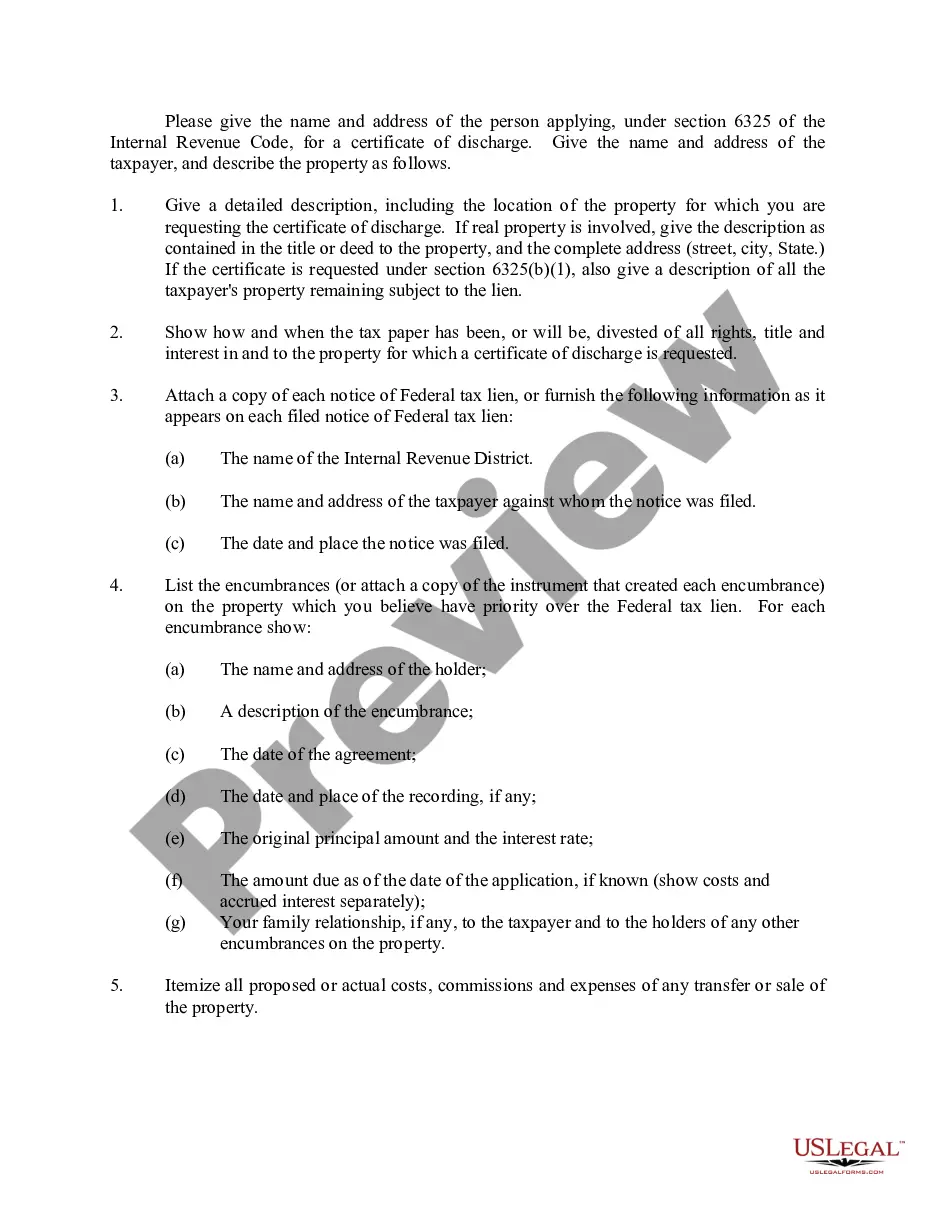
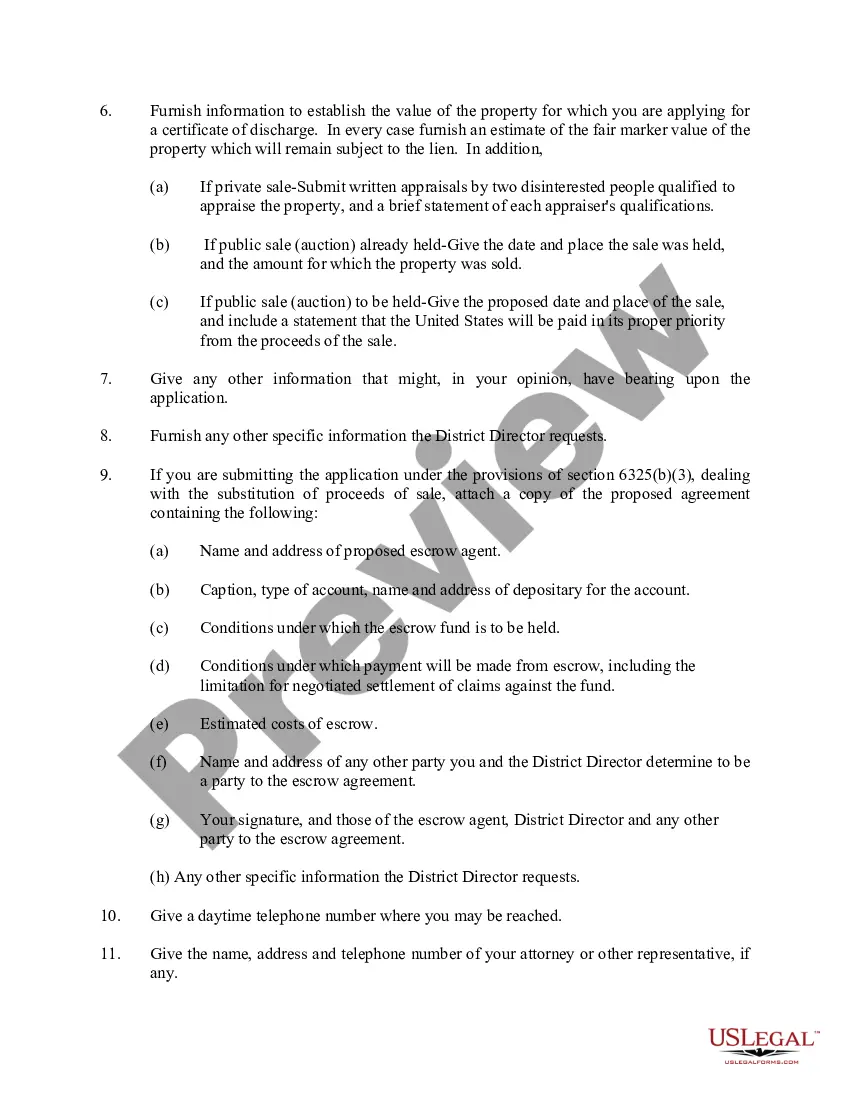
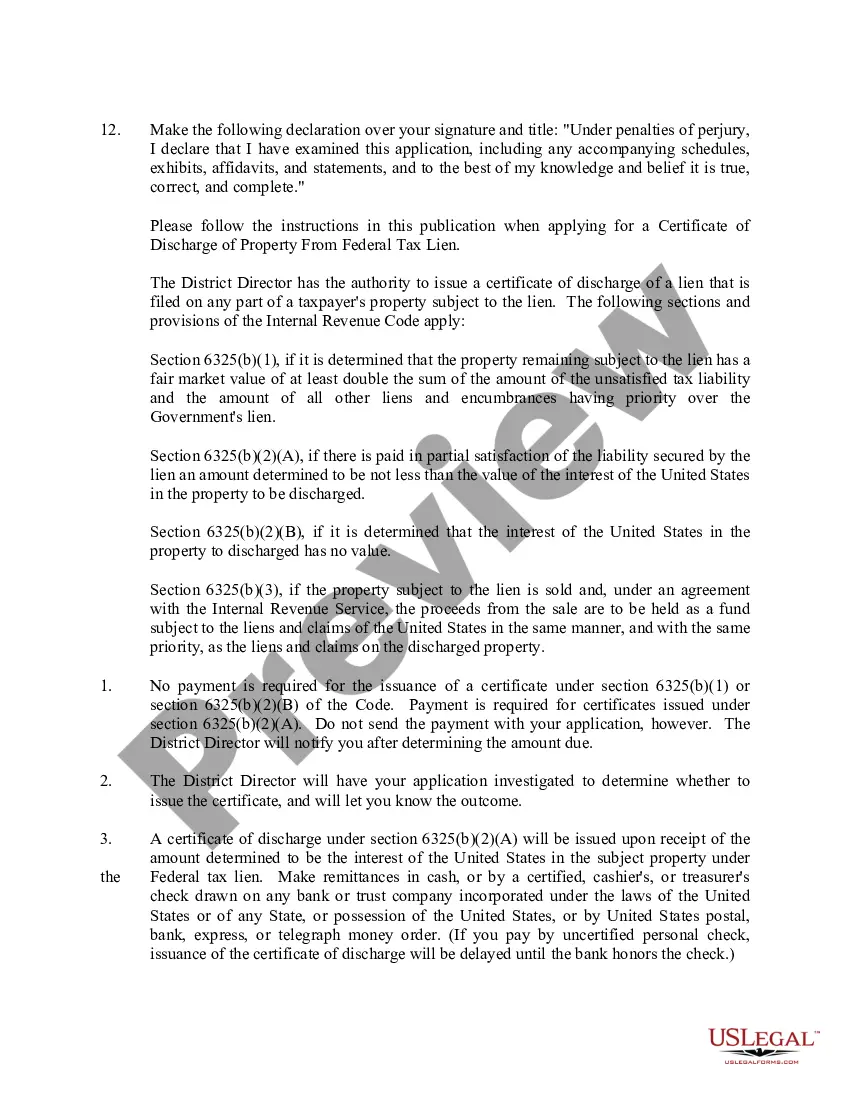
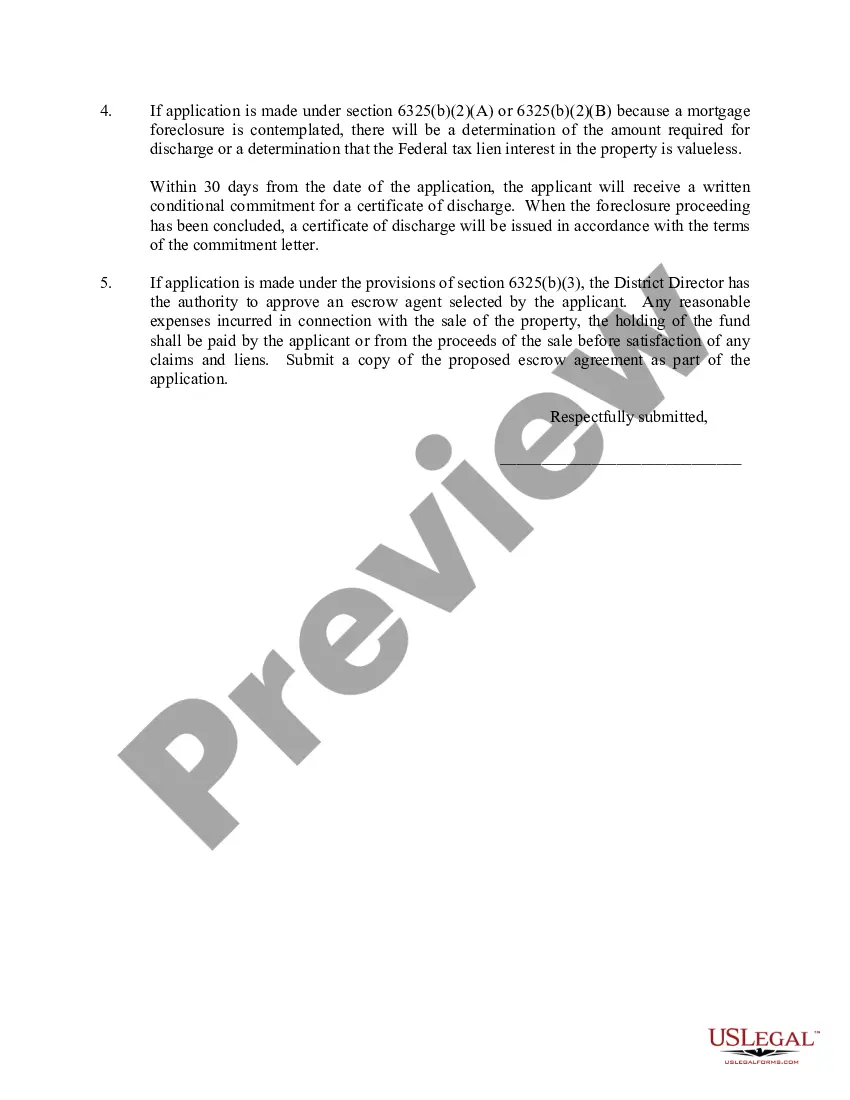

Get your form ready online
Our built-in tools help you complete, sign, share, and store your documents in one place.
Make edits, fill in missing information, and update formatting in US Legal Forms—just like you would in MS Word.
Download a copy, print it, send it by email, or mail it via USPS—whatever works best for your next step.
Sign and collect signatures with our SignNow integration. Send to multiple recipients, set reminders, and more. Go Premium to unlock E-Sign.
If this form requires notarization, complete it online through a secure video call—no need to meet a notary in person or wait for an appointment.
We protect your documents and personal data by following strict security and privacy standards.

Make edits, fill in missing information, and update formatting in US Legal Forms—just like you would in MS Word.

Download a copy, print it, send it by email, or mail it via USPS—whatever works best for your next step.

Sign and collect signatures with our SignNow integration. Send to multiple recipients, set reminders, and more. Go Premium to unlock E-Sign.

If this form requires notarization, complete it online through a secure video call—no need to meet a notary in person or wait for an appointment.

We protect your documents and personal data by following strict security and privacy standards.
Looking for another form?





Form popularity
FAQ
So when a person passes away, the executors or administrators of their estate step into their shoes. Executors can claim rights due to the deceased person and are liable to cover unpaid taxes. Generally, the IRS or relevant tax authority can only claim unpaid taxes through the deceased's estate.
We generally recommend that you keep tax records for seven years after the passing of a loved one. The Internal Revenue Service can audit your loved ones for up to three years after their death. This is called a statute of limitations. However, this time period can be longer for more serious offenses.
The IRS usually has 10 years to collect taxes you owe post-assessment. The IRS only has three years to assess additional tax or audit your return once it's filed, and you only have three years from the original tax filing deadline to claim a tax refund.
More In File The IRS generally has 10 years – from the date your tax was assessed – to collect the tax and any associated penalties and interest from you. This time period is called the Collection Statute Expiration Date (CSED). Your account can include multiple tax assessments, each with their own CSED.
You'll only be notified of a tax lien after it's already been filed. The IRS sends taxpayers an official Notice of Federal Tax Lien. These liens go into effect 10 days after the IRS issues a record of an existing obligation.
The Complainant and the Respondent should keep any potential evidence regarding the circumstances of the allegations, including all pertinent emails, letters, notes, text messages, voicemails, phone logs, personnel files, contracts, work products, and meeting minutes.
Whistleblowing means disclosing information that you reasonably believe is evidence of a violation of any law, rule, or regulation; gross mismanagement; a gross waste of funds; an abuse of authority; or a substantial and specific danger to public health or safety.
Submit a whistleblower claim Individuals must use IRS Form 211, Application for Award for Original Information PDF, and ensure that it contains the following: A description of the alleged tax noncompliance, including a written narrative explaining the issue(s).
If there is a federal tax lien on your home, you must satisfy the lien before you can sell or refinance your home. There are a number of options to satisfy the tax lien.
Tax Whistleblower claims are complicated matters and take years (five to seven years on average) for the IRS to complete. The length of time for a whistleblower's claim to be completed varies based upon the quality of the claim submission, the taxpayer, tax issue, complexity of the issue, criminal ramifications, etc.