Asamblea Acta Fortuna In Maryland
Description

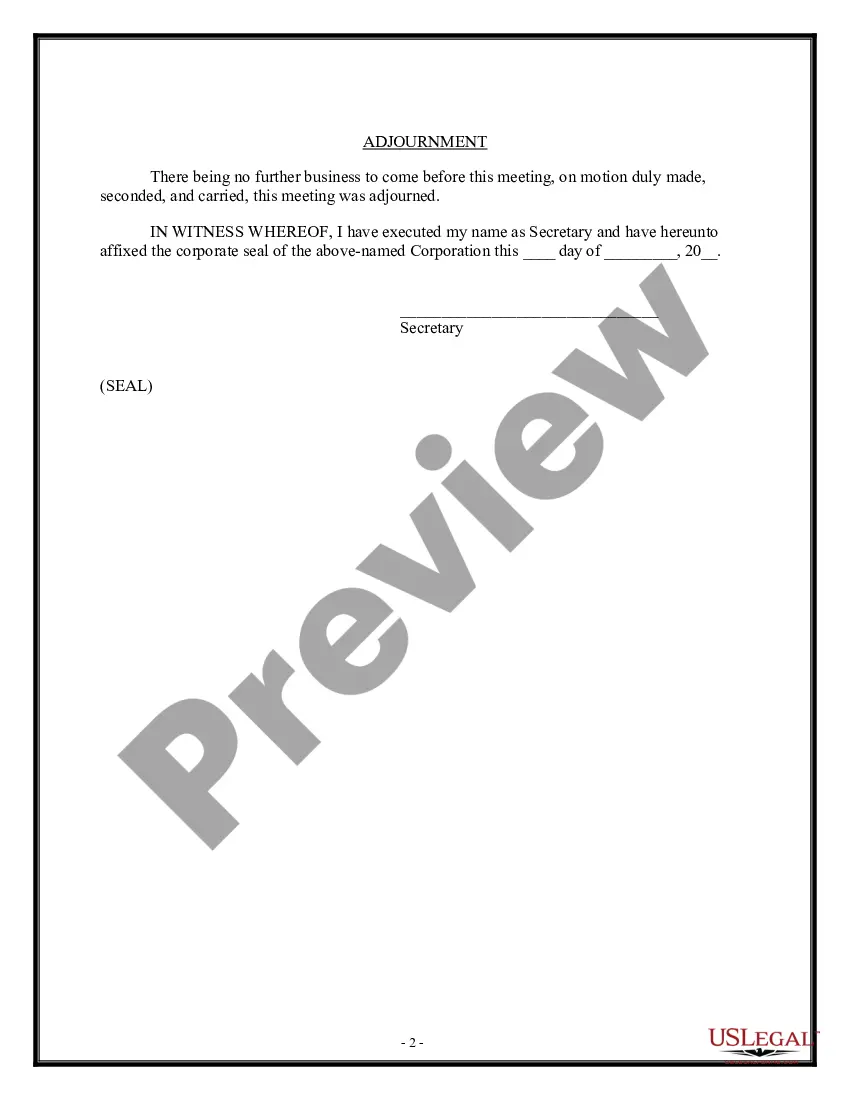
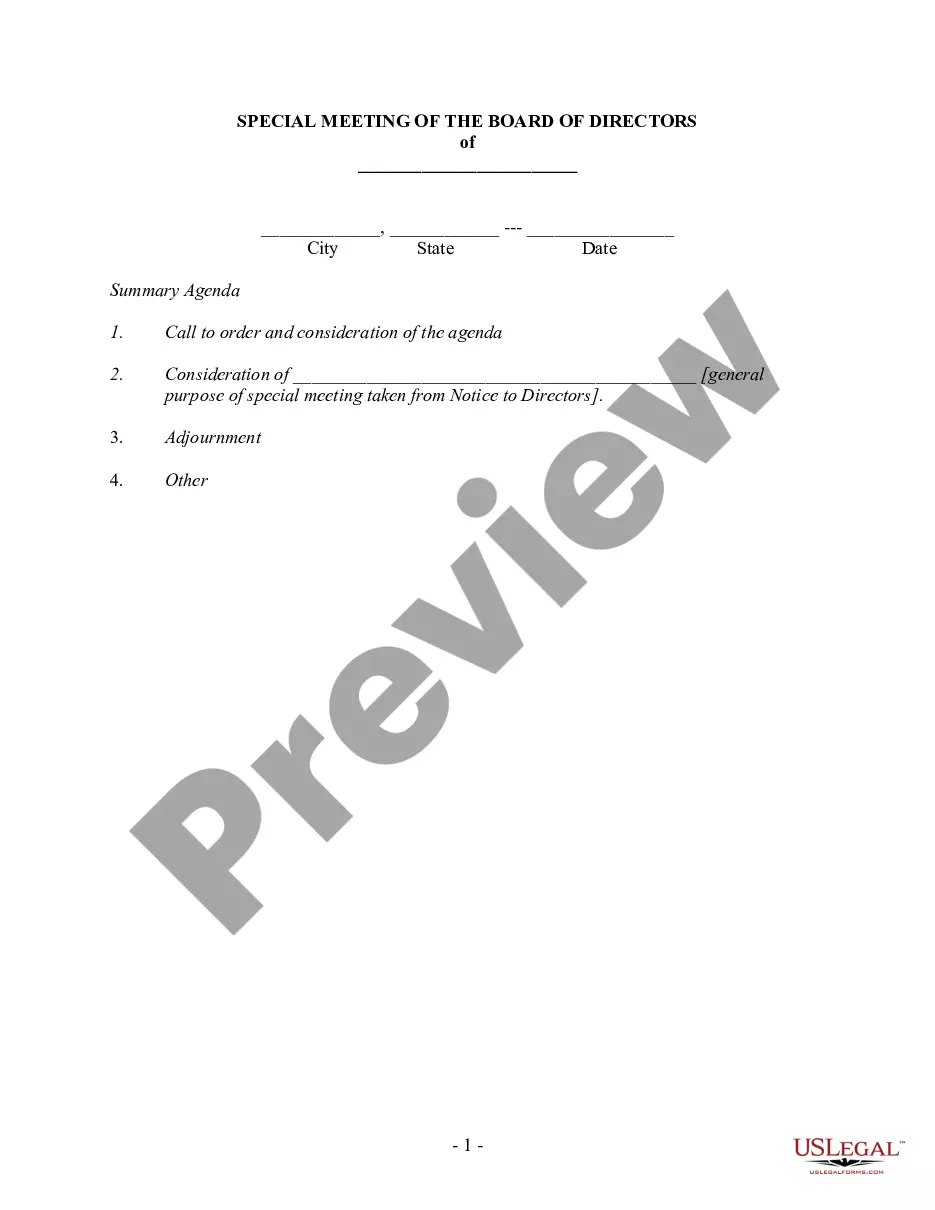

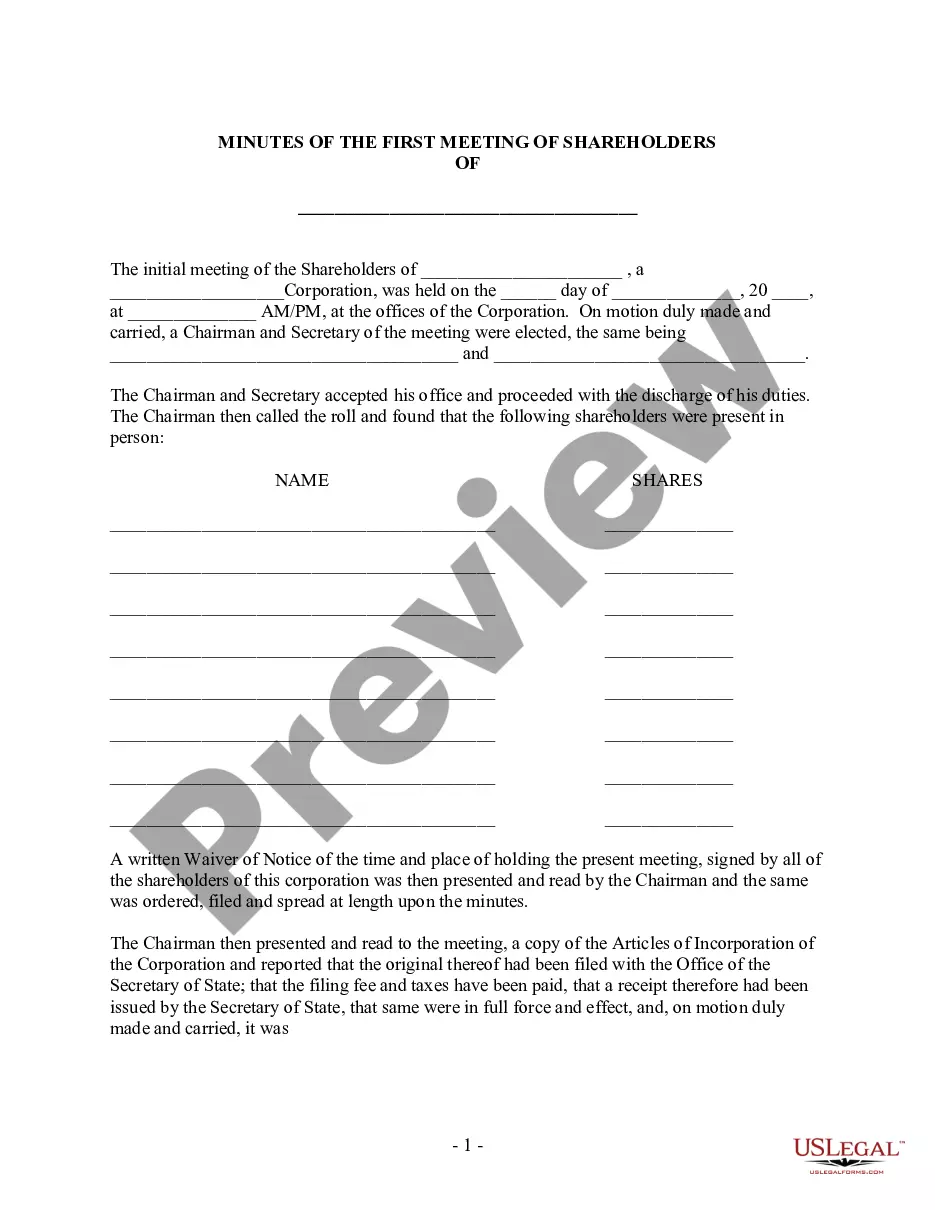
Get your form ready online
Our built-in tools help you complete, sign, share, and store your documents in one place.
Make edits, fill in missing information, and update formatting in US Legal Forms—just like you would in MS Word.
Download a copy, print it, send it by email, or mail it via USPS—whatever works best for your next step.
Sign and collect signatures with our SignNow integration. Send to multiple recipients, set reminders, and more. Go Premium to unlock E-Sign.
If this form requires notarization, complete it online through a secure video call—no need to meet a notary in person or wait for an appointment.
We protect your documents and personal data by following strict security and privacy standards.

Make edits, fill in missing information, and update formatting in US Legal Forms—just like you would in MS Word.

Download a copy, print it, send it by email, or mail it via USPS—whatever works best for your next step.

Sign and collect signatures with our SignNow integration. Send to multiple recipients, set reminders, and more. Go Premium to unlock E-Sign.

If this form requires notarization, complete it online through a secure video call—no need to meet a notary in person or wait for an appointment.

We protect your documents and personal data by following strict security and privacy standards.
Looking for another form?
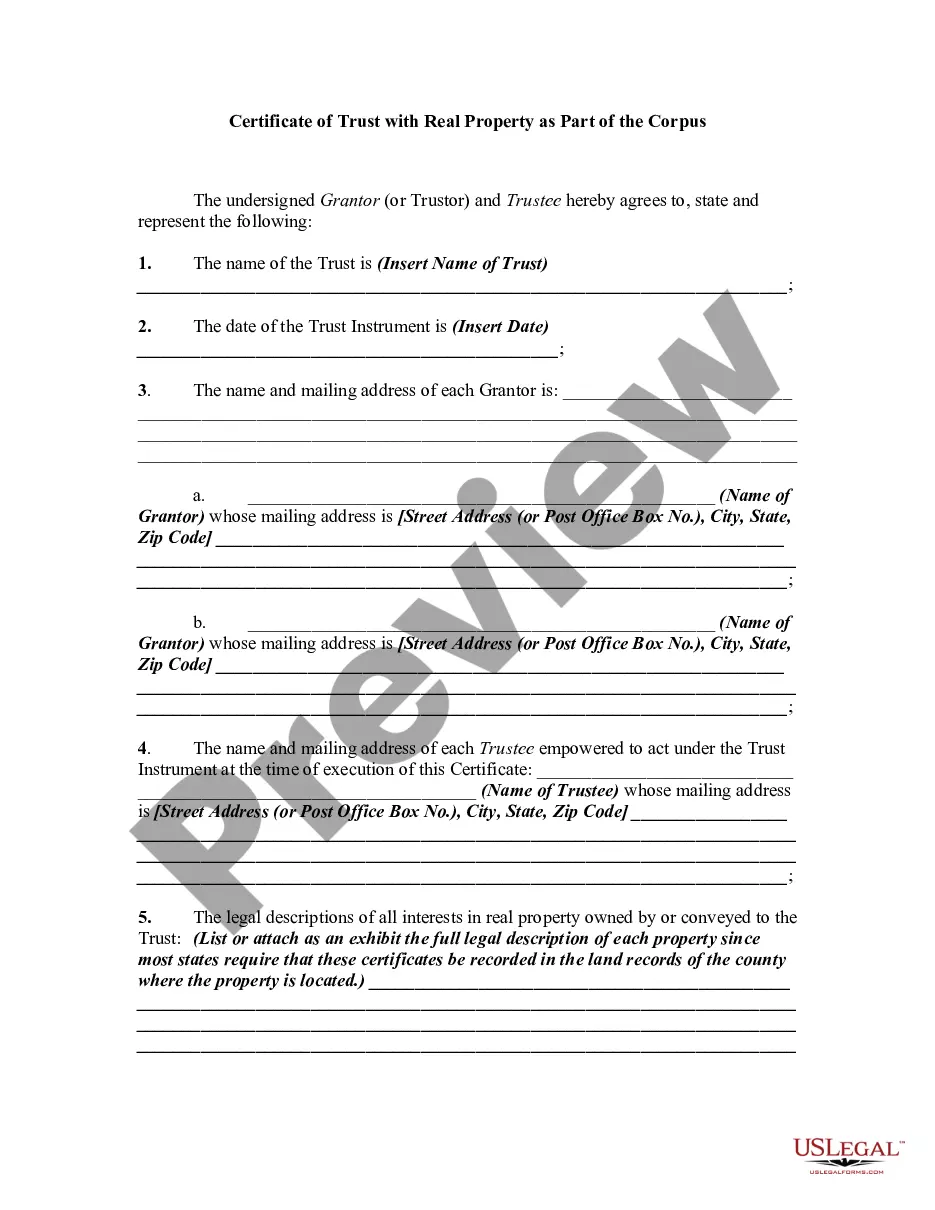
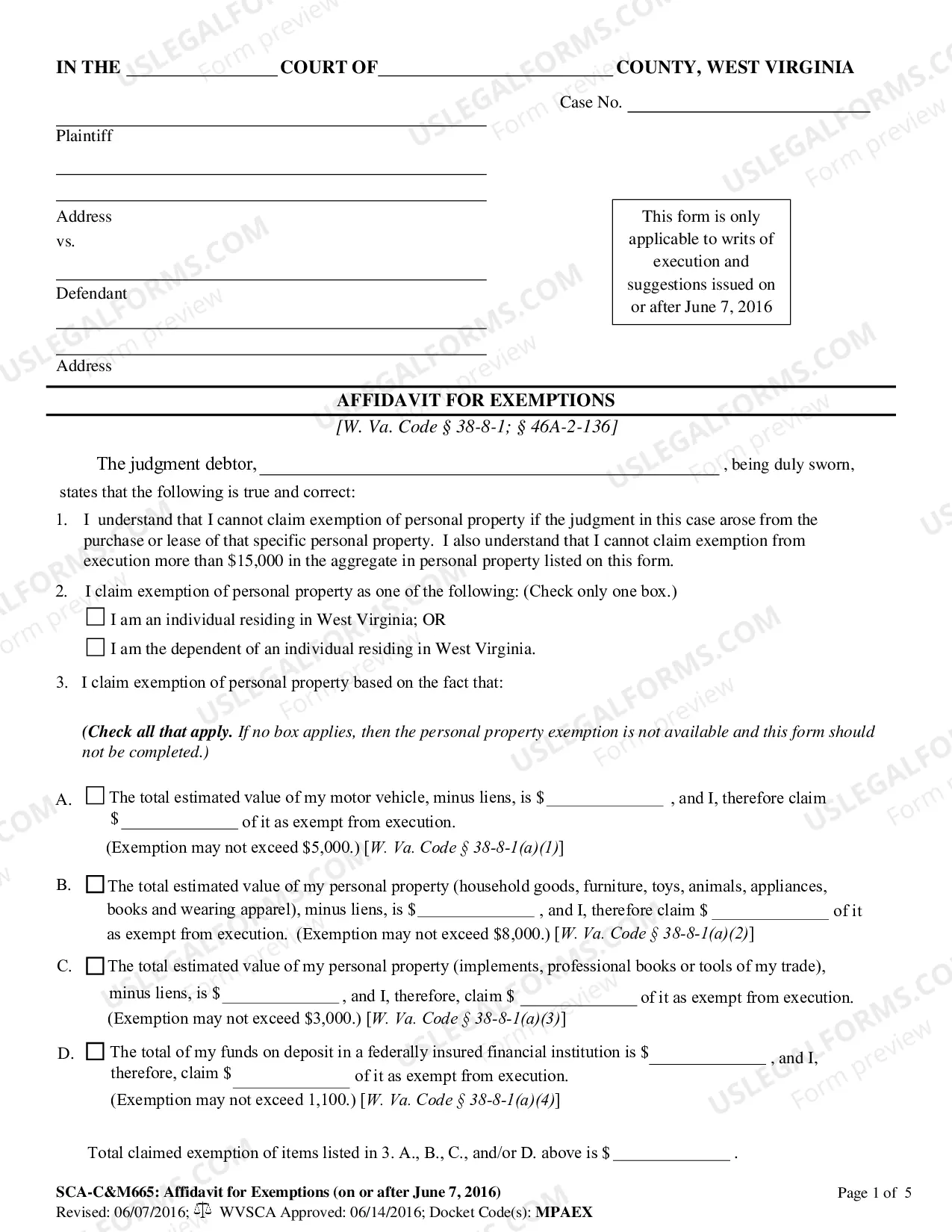
Form popularity
FAQ
A probate attorney can help you determine if the estate needs to go through the probate process. Regular Estate - property of the decedent subject to administration in Maryland is es- tablished to have a value in excess of $50,000 (in excess of $100,000 if spouse is sole heir).
One of the most effective strategies to bypass Maryland probate is establishing a Revocable Living Trust. This flexible tool allows you to retain control over your assets during your lifetime, with the ability to alter or dissolve the trust as your circumstances or wishes change.
Generally, if an individual dies with assets in his or her sole name, probate will be required. In addition, even if an individual dies with an original last will and testament and no assets in his or her sole name, the original will must be filed with the Register of Wills office.
First Account-WITHIN NINE MONTHS from the date of appointment, the First Account must be filed. The Account must include the inventoried assets and all activity of the administration.
In Maryland, a will must be (1) in writing (typed or handwritten), (2) signed by the person making the will, and (3) attested and signed by two credible witnesses in the presence of the person making the will. The person making the will and the two witnesses must be at least 18 years of age and legally competent.
In Maryland, when a person dies and they own any assets in their name, those assets would have to go through the probate process. The person who's named in the will as the personal representative would have to open an estate with the court.
Property held as “payable on death” will pass to the designated beneficiaries. Assets that are held in a revocable or irrevocable trust will pass to the beneficiaries named under the trust instrument without going through probate (unless the trust terminates and provides the assets are to be distributed to the estate).