Contract Law Force Majeure In Collin
Description





Form popularity
FAQ
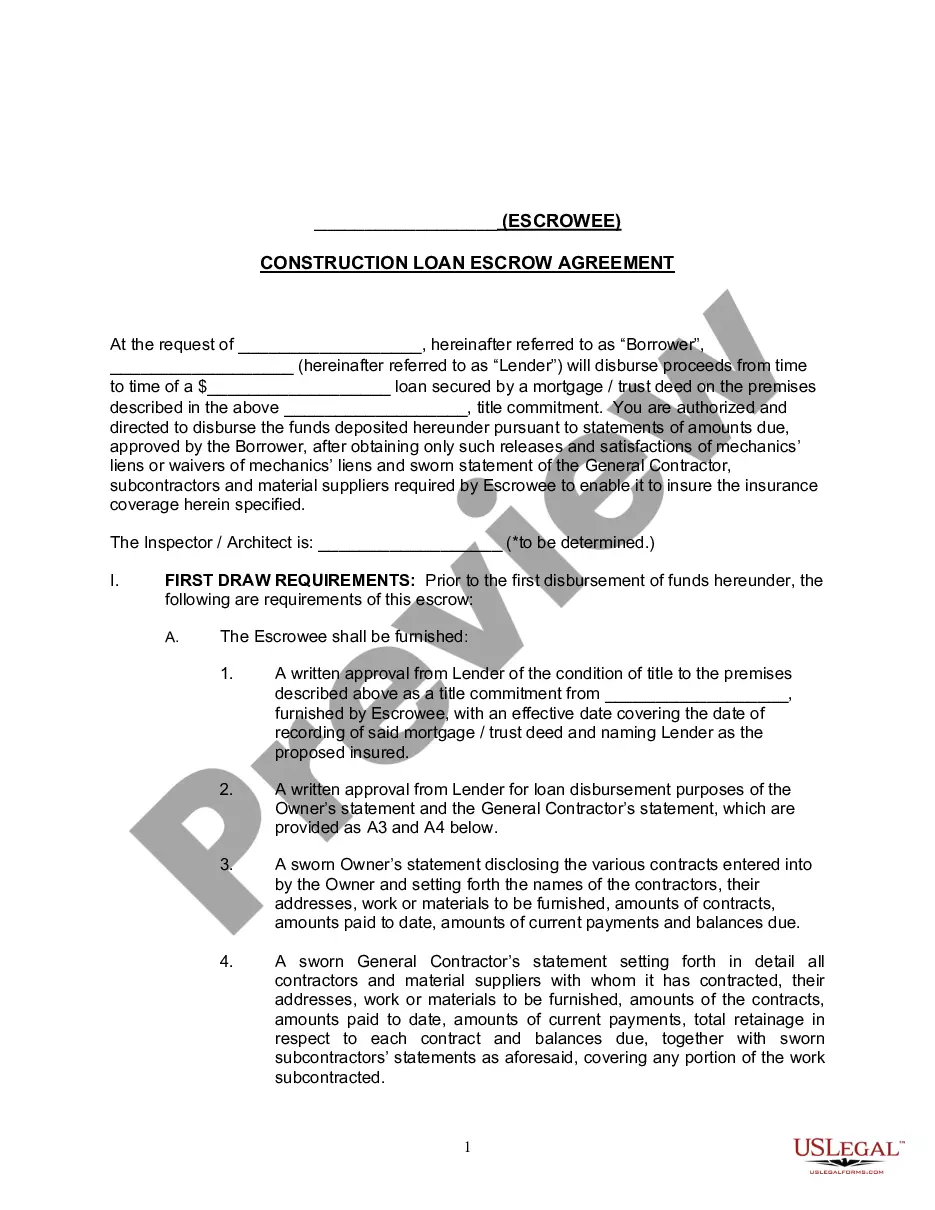
What Are Examples of Force Majeure? Events that could trigger a force majeure clause include war, terrorist attacks, a pandemic, or natural disasters that fall under the “act of God” category, such as a flood, earthquake, or hurricane.
Force majeure events are usually defined as certain acts, events or circumstances beyond the control of the parties, for example, natural disasters or the outbreak of hostilities.
The Act of God defense is a rebuttable defense available in Texas. The defense is limited by whether or not humans could have intervened. If a natural event caused the injury, the defense will work. However, if nature and the negligence of a person or entity caused the injury, the defense will not survive.
Neither party will be liable for inadequate performance to the extent caused by a condition (for example, natural disaster, act of war or terrorism, riot, labor condition, governmental action, and Internet disturbance) that was beyond the party's reasonable control.
In contract law, force majeure (/ˌfɔːrs məˈʒɜːr/ FORSS mə-ZHUR; French: fɔʁs maʒœʁ) is a common clause in contracts which essentially frees both parties from liability or obligation when an extraordinary event or circumstance beyond the control of the parties, such as a war, strike, riot, crime, epidemic, or sudden ...
There are generally three essential elements to force majeure: • tt can occur with or without human intervention • it cannot have reasonably been foreseen by the parties • It was completely beyond the parties' control and they could not have prevented its consequences.
Force Majeure Clauses “Often likened to impossibility, it historically embodied the notion that parties could be relieved of performing their contractual duties when performance was prevented by causes beyond their control, such as an act of God.”
If a contract does not include a force majeure provision, a party may nonetheless be excused from performance under the concept of commercial impracticality.
Either Party shall be excused from performance and shall not be in default in respect of any obligation hereunder to the extent that the failure to perform such obligation is due to a Natural Force Majeure Event.
The definition of "force majeure" generally includes "risks beyond the reasonable control of a party, incurred not as a product or result of the negligence of the afflicted party, which have a materially adverse effect on the ability of such party to perform its obligations".
