Companies Board Meeting Rules In Ohio
Description

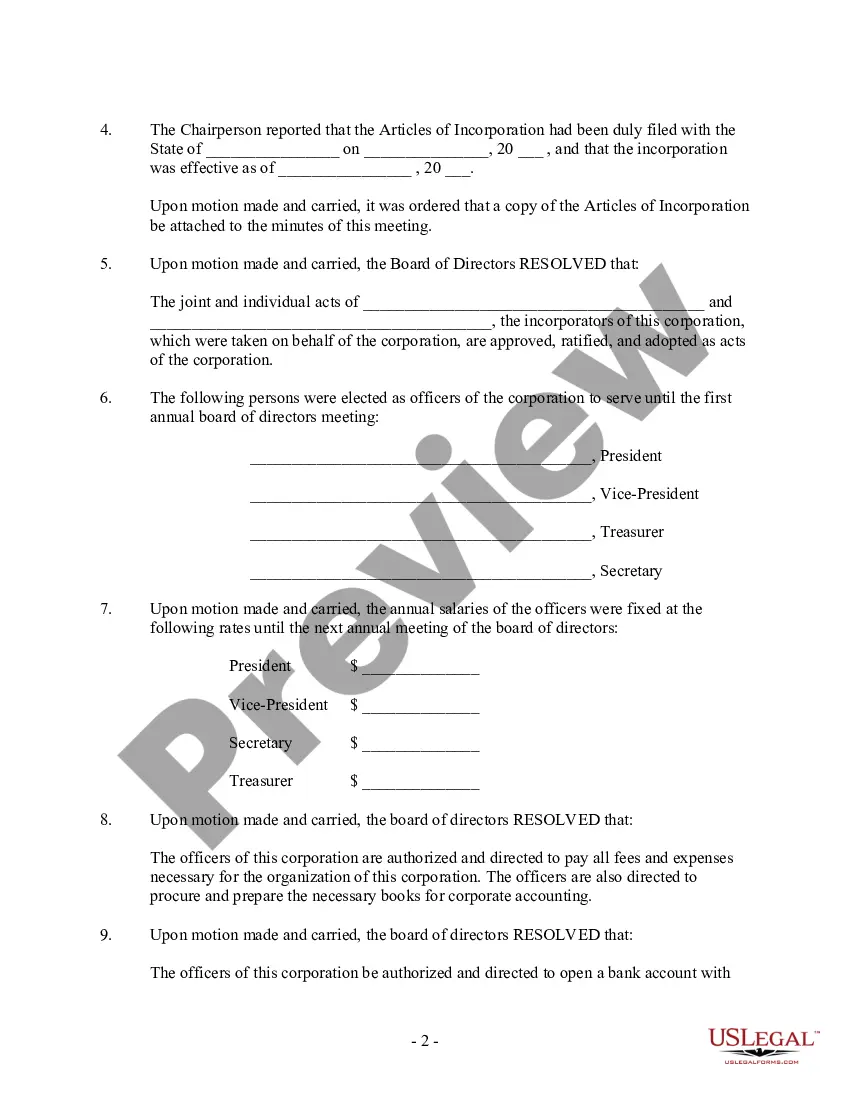
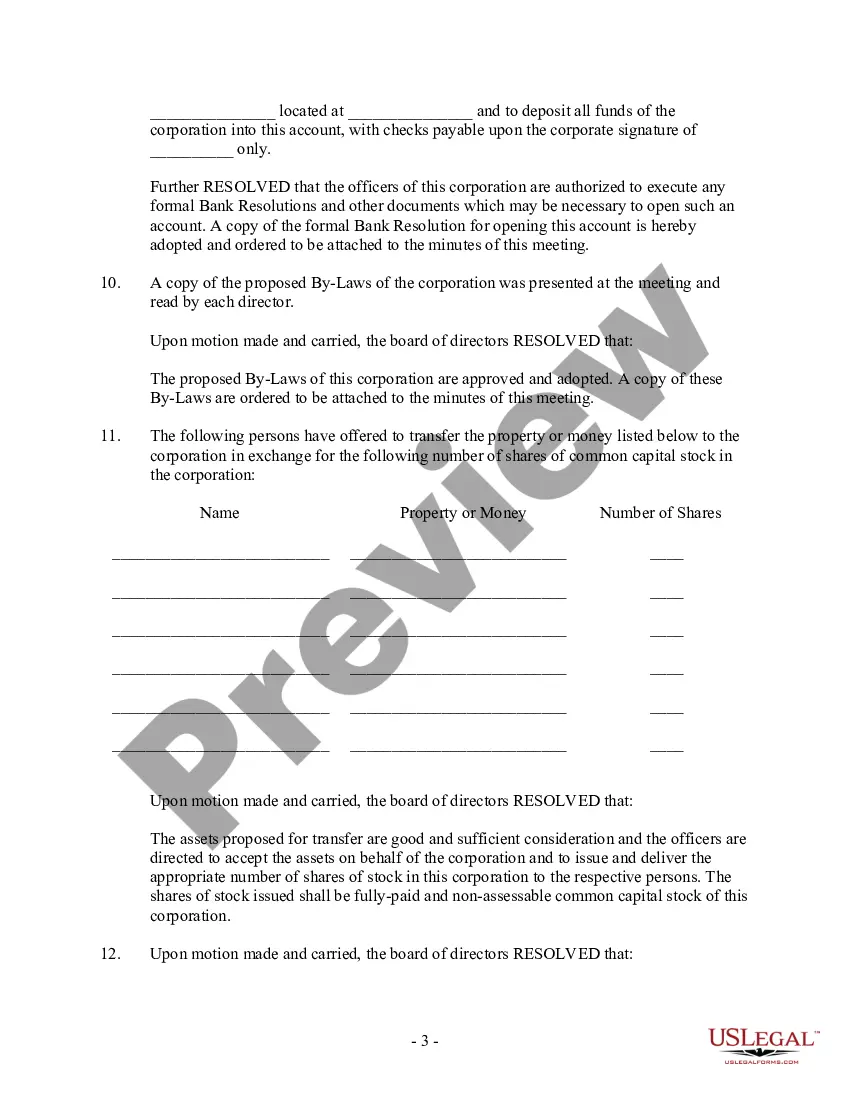
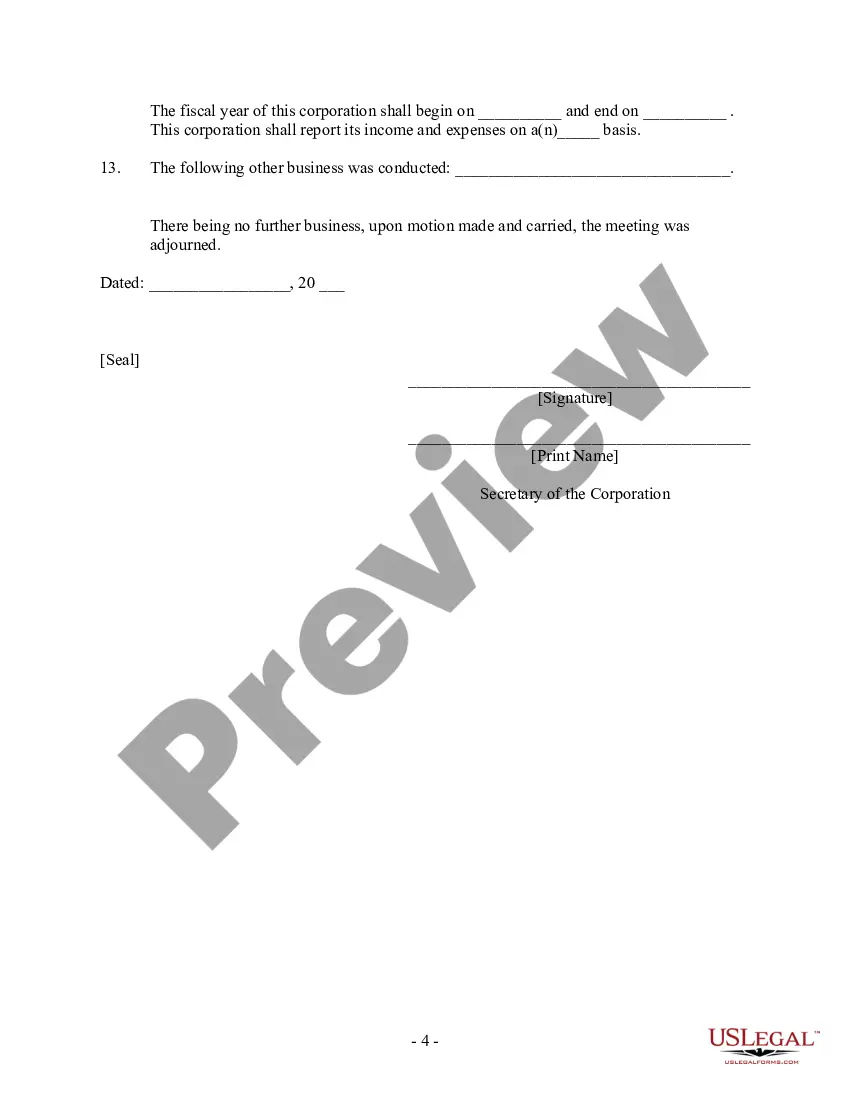

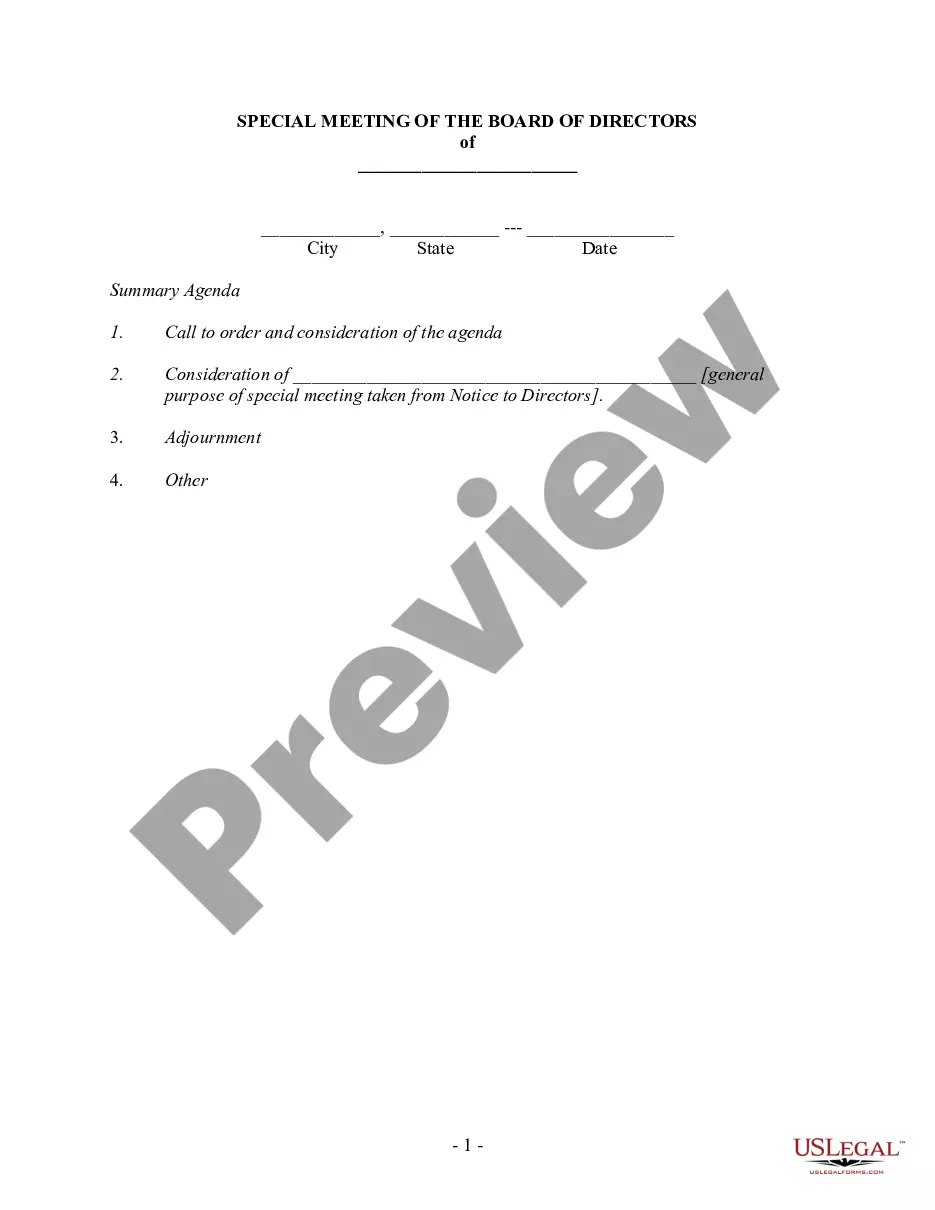
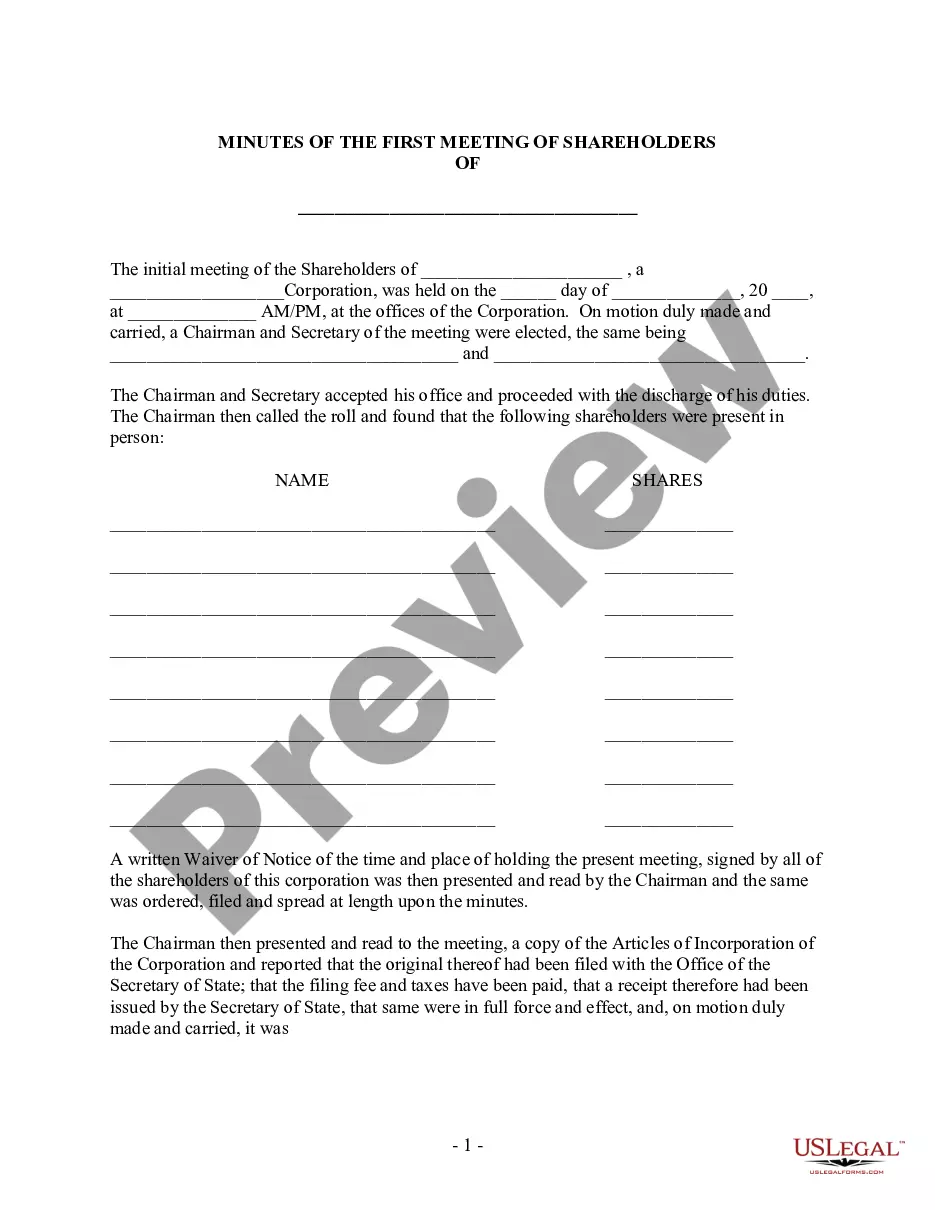
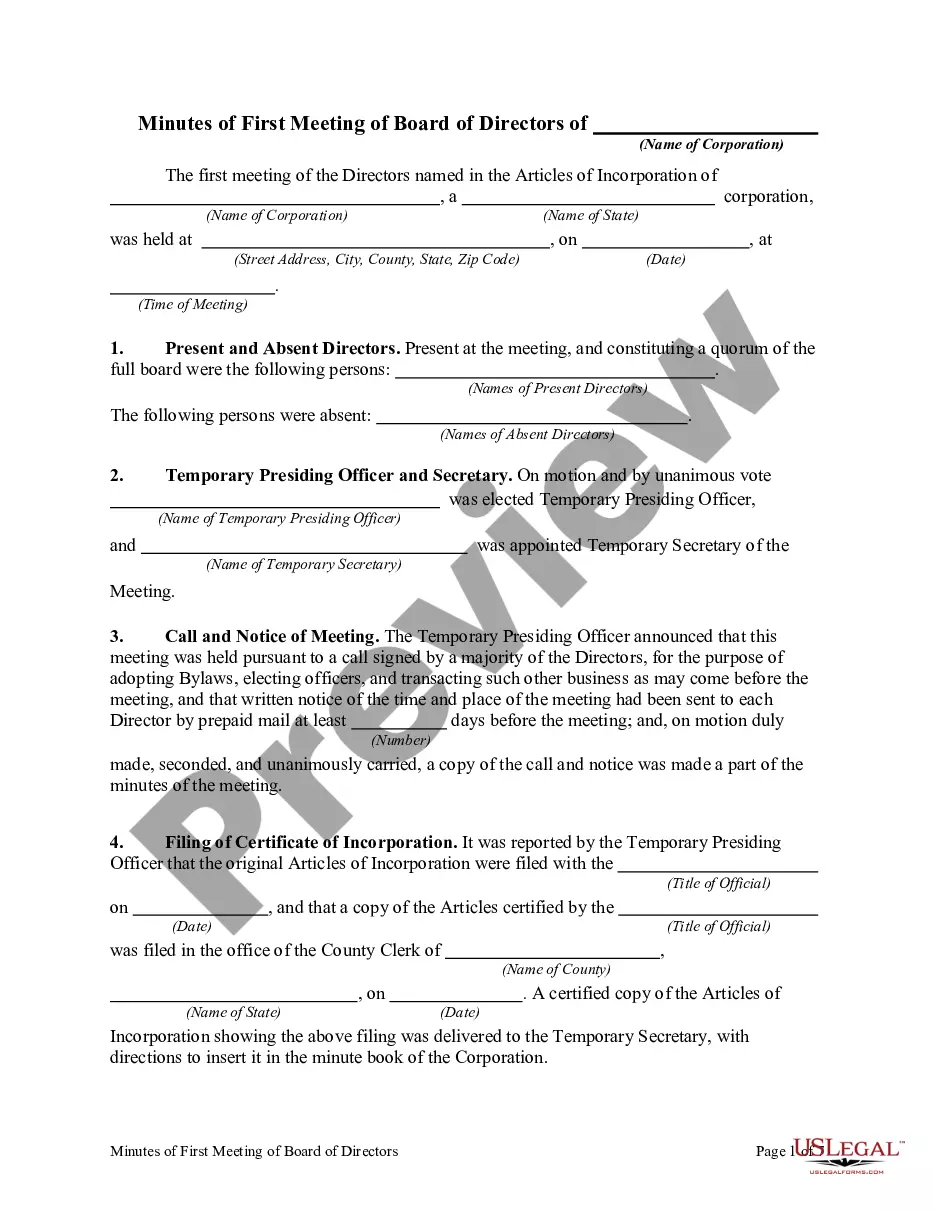
Get your form ready online
Our built-in tools help you complete, sign, share, and store your documents in one place.
Make edits, fill in missing information, and update formatting in US Legal Forms—just like you would in MS Word.
Download a copy, print it, send it by email, or mail it via USPS—whatever works best for your next step.
Sign and collect signatures with our SignNow integration. Send to multiple recipients, set reminders, and more. Go Premium to unlock E-Sign.
If this form requires notarization, complete it online through a secure video call—no need to meet a notary in person or wait for an appointment.
We protect your documents and personal data by following strict security and privacy standards.

Make edits, fill in missing information, and update formatting in US Legal Forms—just like you would in MS Word.

Download a copy, print it, send it by email, or mail it via USPS—whatever works best for your next step.

Sign and collect signatures with our SignNow integration. Send to multiple recipients, set reminders, and more. Go Premium to unlock E-Sign.

If this form requires notarization, complete it online through a secure video call—no need to meet a notary in person or wait for an appointment.

We protect your documents and personal data by following strict security and privacy standards.
Looking for another form?
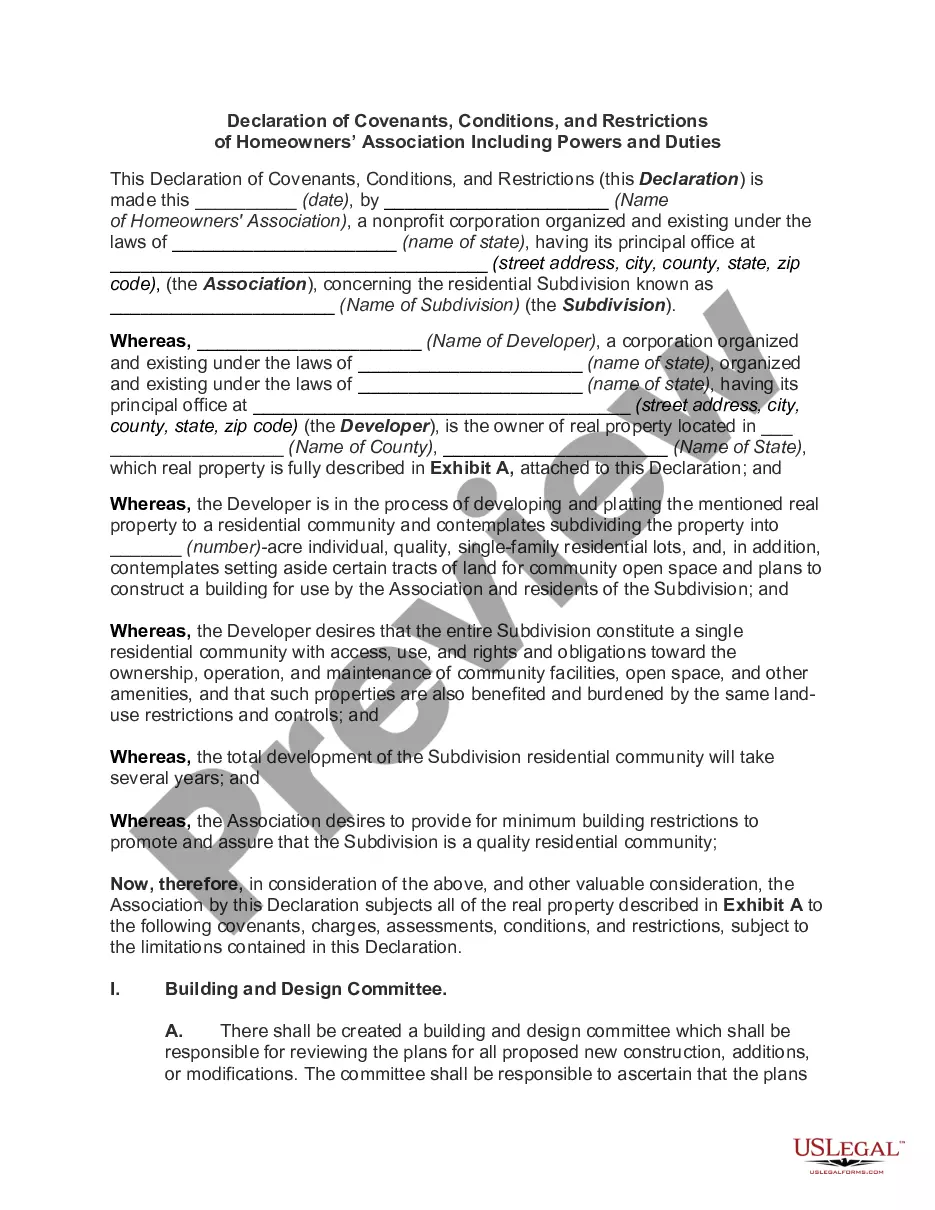

Form popularity
FAQ
Rule 4 – Matters NOT to be dealt with in a meeting through video conferencing or other audio visual means. the approval of the matter relating to amalgamation, merger, demerger, acquisition and takeover.
Essentially, the meeting protocol is a template workflow from calling the meeting to signing off the minutes from the previous meeting. The technical details that must be met to ensure the board can make its decisions. This could be the minimum number of members required for a quorum or the type of majority needed.
Rule 4 – Matters NOT to be dealt with in a meeting through video conferencing or other audio visual means. the approval of the matter relating to amalgamation, merger, demerger, acquisition and takeover.
Does Ohio Require Corporate Regulations? Ohio Rev Code § 1701.11 states that a corporation's directors MAY adopt regulations. But Ohio statutes don't explicitly state that bylaws or regulations are required. However, bylaws are essential for a well-functioning corporation.
Every company is required to hold 4 Board Meetings in a year. While a Small Company can hold only 2 Board meetings in a calendar year i.e., one board meeting in each half of the calendar year. However, the gap between the two board meetings should not be less than 90 days.
The Ohio Open Meetings Act. Ohio's Open Meetings Act (R.C. 121.22) requires public bodies to take official action and conduct all deliberations of official business in open meetings that the public may attend and observe.
A corporation must file Articles of Incorporation (Articles) with the Ohio Secretary of State before it transacts business in Ohio.
Your Ohio corporate bylaws are official legal documents, which means you can use them in a court of law to prove your limited liability status, or show how your corporation functions. It also means you're subject to legal ramifications if you don't follow your bylaws.
The certificate of the secretary of state, or a copy of the certificate of merger or consolidation certified by the secretary of state, may be filed for record in the office of the recorder of any county in this state and, if filed, shall be recorded in the official records of that county.