Companies Board Meeting Rules In Florida
Description

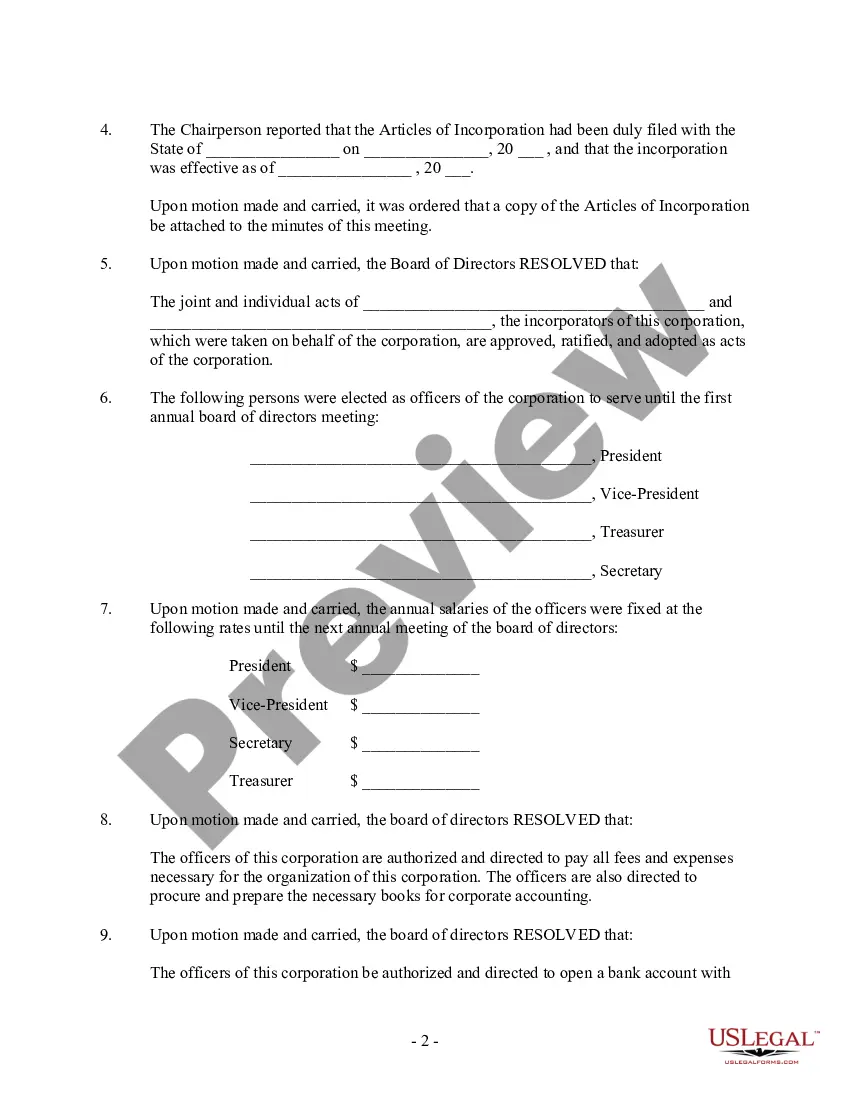
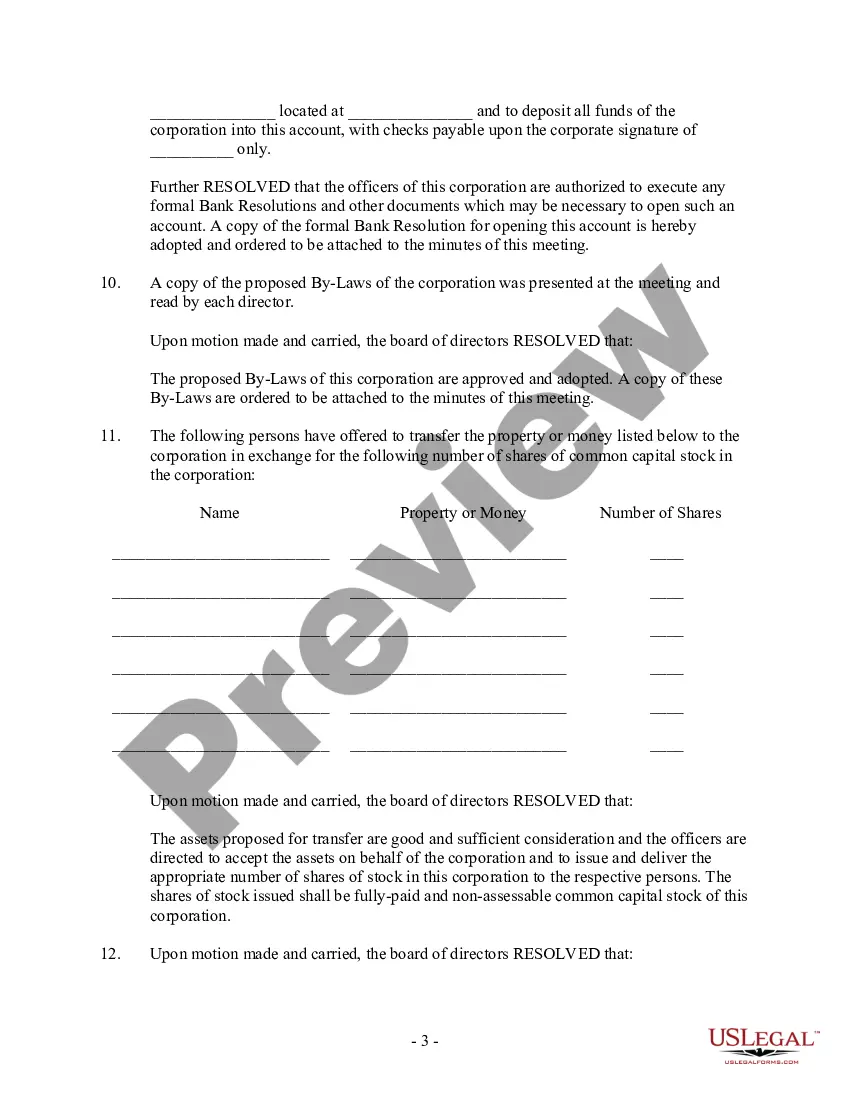
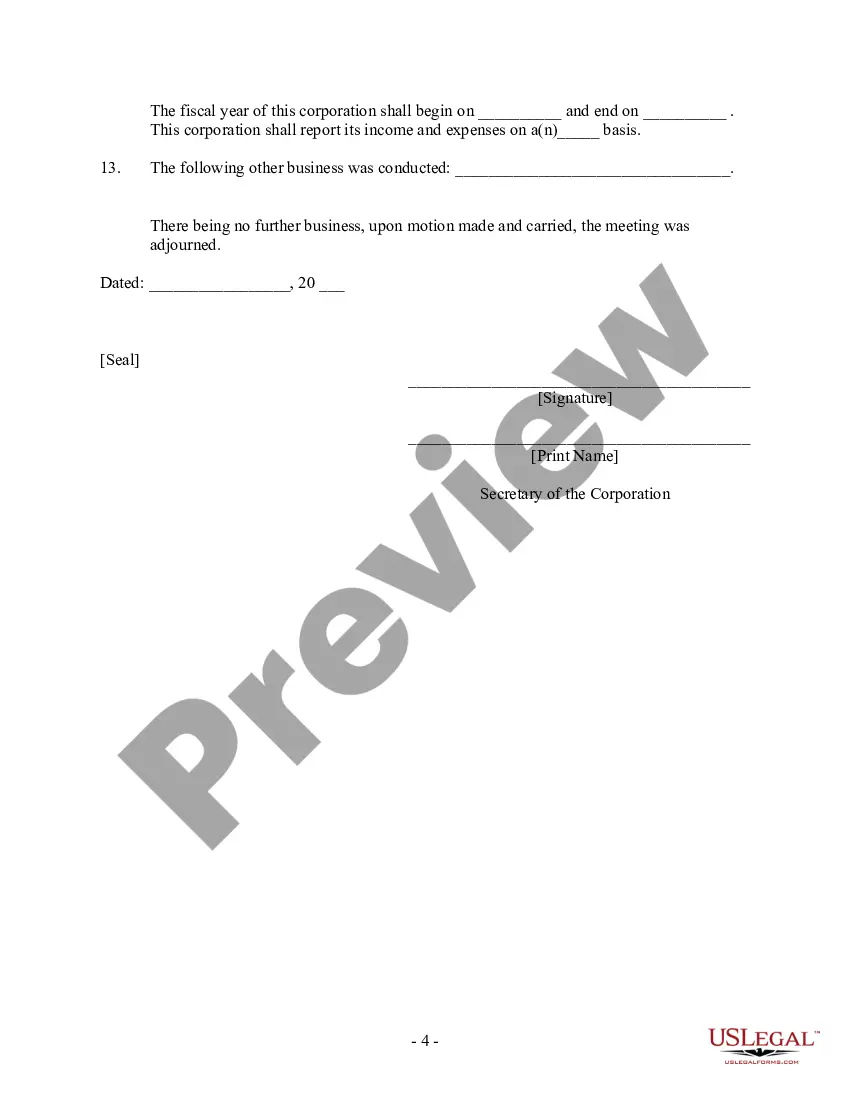

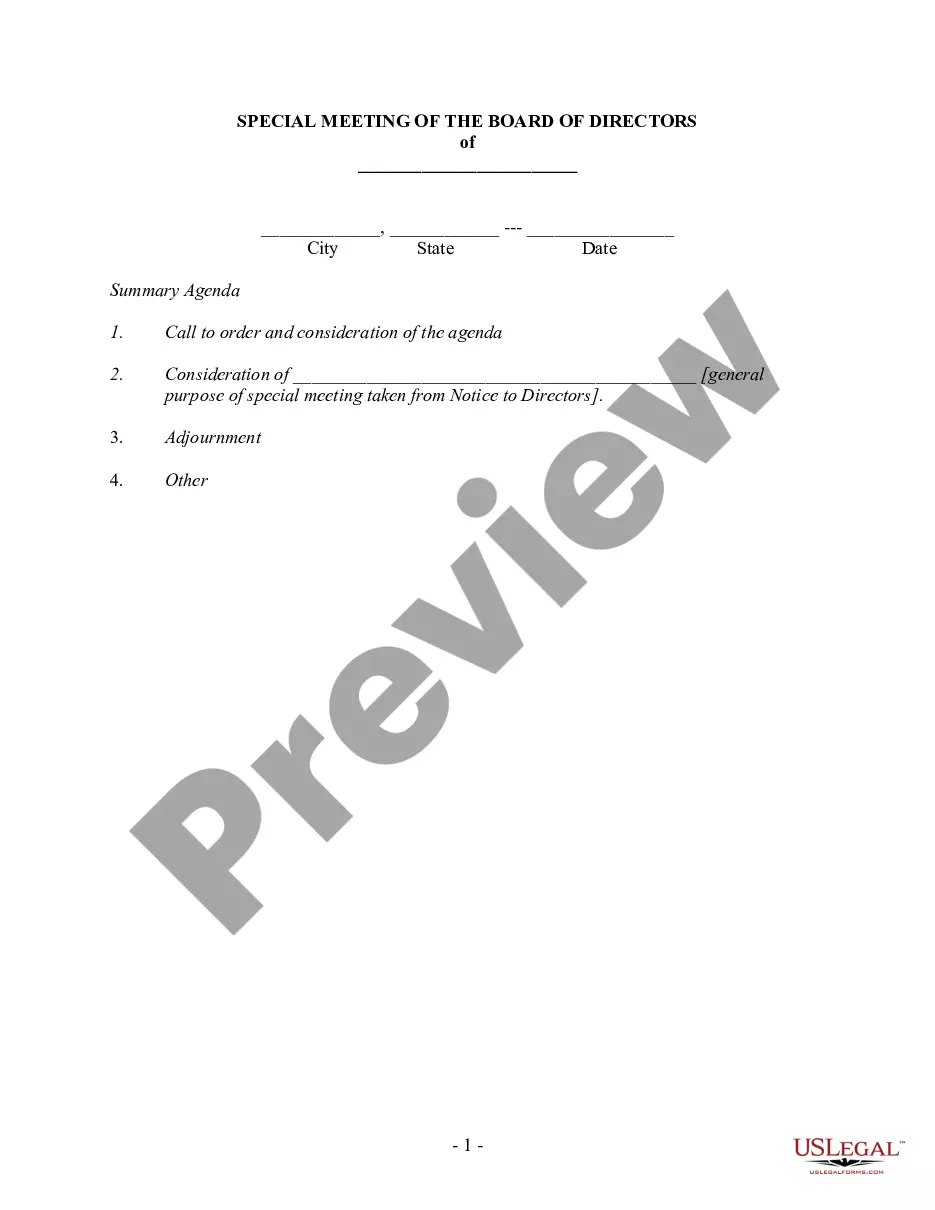
Get your form ready online
Our built-in tools help you complete, sign, share, and store your documents in one place.
Make edits, fill in missing information, and update formatting in US Legal Forms—just like you would in MS Word.
Download a copy, print it, send it by email, or mail it via USPS—whatever works best for your next step.
Sign and collect signatures with our SignNow integration. Send to multiple recipients, set reminders, and more. Go Premium to unlock E-Sign.
If this form requires notarization, complete it online through a secure video call—no need to meet a notary in person or wait for an appointment.
We protect your documents and personal data by following strict security and privacy standards.

Make edits, fill in missing information, and update formatting in US Legal Forms—just like you would in MS Word.

Download a copy, print it, send it by email, or mail it via USPS—whatever works best for your next step.

Sign and collect signatures with our SignNow integration. Send to multiple recipients, set reminders, and more. Go Premium to unlock E-Sign.

If this form requires notarization, complete it online through a secure video call—no need to meet a notary in person or wait for an appointment.

We protect your documents and personal data by following strict security and privacy standards.
Looking for another form?
Form popularity
FAQ
Summary. All parties must consent to the recording or the disclosure of the contents of any in-person, telephone or electronic communication in Florida. Disclosing communications in violation of the state's statute is prohibited.
A: Florida law is clear that owners in a HOA have the right to record meetings of the board or meetings of the members. Specifically, Florida Statutes, Section 720.306(10) provides that “Any parcel owner may tape record or videotape meetings of the board of directors and meetings of the members.
It depends on where your association is located. States like California, Florida, and Pennsylvania have two-party consent laws, which means that all parties involved must consent to the recording. If there is no consent, it is illegal.
Board meetings held for the purpose of discussing personnel matters. 1. An annual meeting of the unit owners must be held at the location provided in the association bylaws and, if the bylaws are silent as to the location, the meeting must be held within 45 miles of the condominium property.
Thus, the act of recording is legal as long as the recorder is part of the meeting. Homeowners who want to record board meetings will also cite the First Amendment, which protects one's right to record audio and video.
Notices of all board meetings must specifically identify agenda items for the meetings and must be posted in a conspicuous place in the community at least 48 hours in advance of a meeting, except in an emergency.
Chapter 720 of the Florida Statutes governs homeowners' associations (HOAs) in Florida. Unlike condominiums or cooperatives, homeowners' associations typically govern single-family homes in a specific development or community.
Florida is known as a two-party consent state. This means that, under state law, all parties involved in private conversations must consent to that conversation being recorded.
Failure to Follow Open Meeting Laws: Open meeting laws mandate that meetings be accessible to the public or community members. Violating these laws, such as by conducting business in secret or excluding members from discussions that should be open, constitutes an illegal meeting.