Corporation Corporate Officer Format In Illinois
Description

Get your form ready online
Our built-in tools help you complete, sign, share, and store your documents in one place.
Make edits, fill in missing information, and update formatting in US Legal Forms—just like you would in MS Word.
Download a copy, print it, send it by email, or mail it via USPS—whatever works best for your next step.
Sign and collect signatures with our SignNow integration. Send to multiple recipients, set reminders, and more. Go Premium to unlock E-Sign.
If this form requires notarization, complete it online through a secure video call—no need to meet a notary in person or wait for an appointment.
We protect your documents and personal data by following strict security and privacy standards.

Make edits, fill in missing information, and update formatting in US Legal Forms—just like you would in MS Word.

Download a copy, print it, send it by email, or mail it via USPS—whatever works best for your next step.

Sign and collect signatures with our SignNow integration. Send to multiple recipients, set reminders, and more. Go Premium to unlock E-Sign.

If this form requires notarization, complete it online through a secure video call—no need to meet a notary in person or wait for an appointment.

We protect your documents and personal data by following strict security and privacy standards.
Looking for another form?

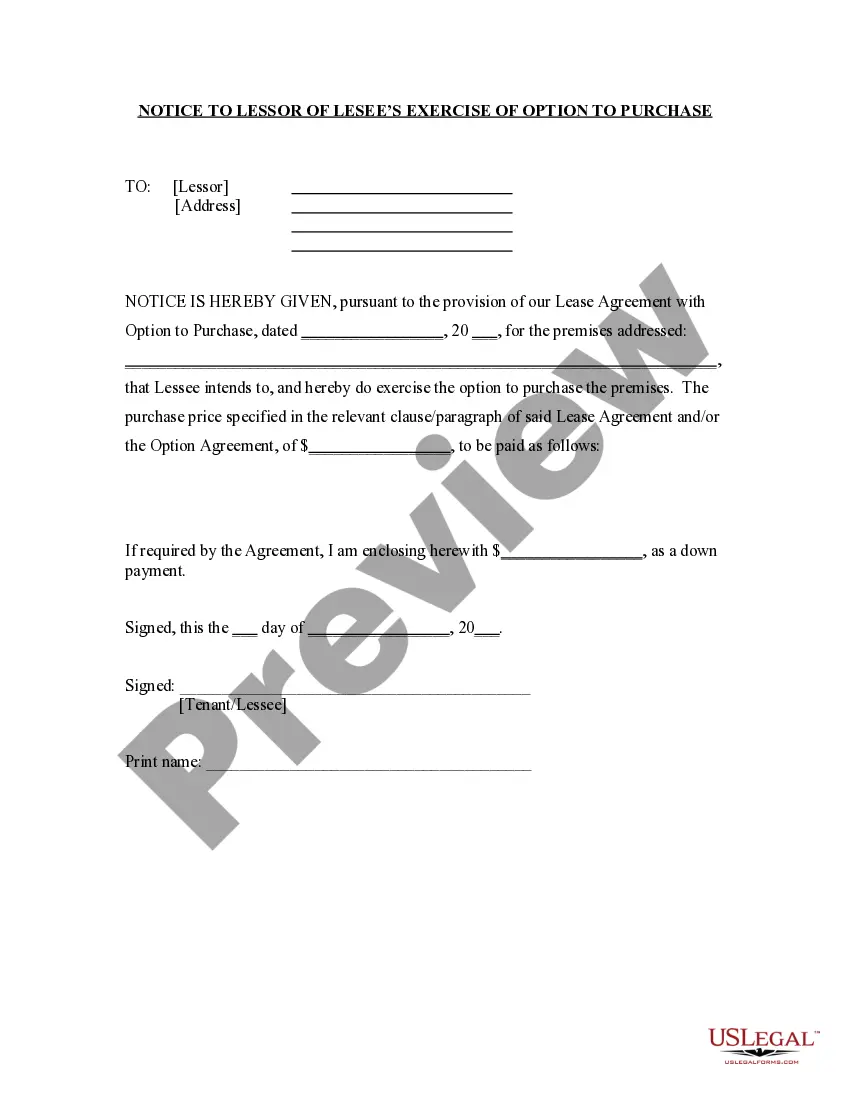
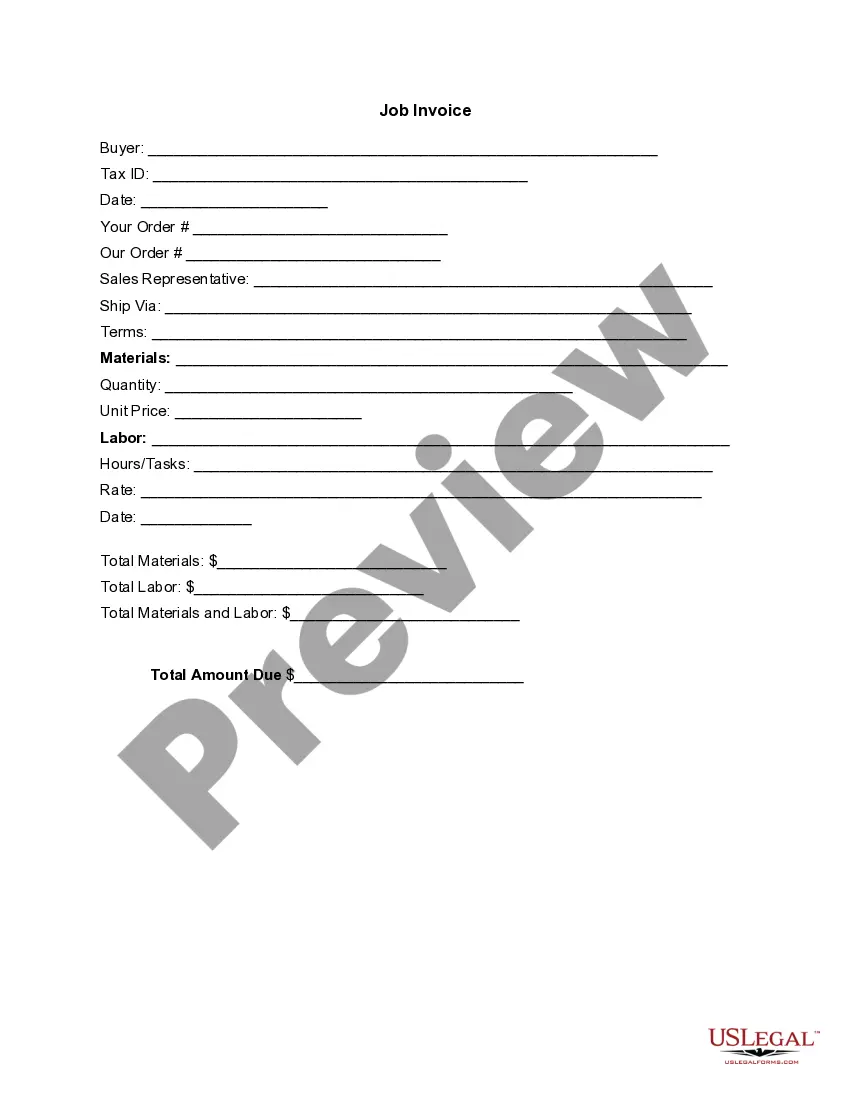
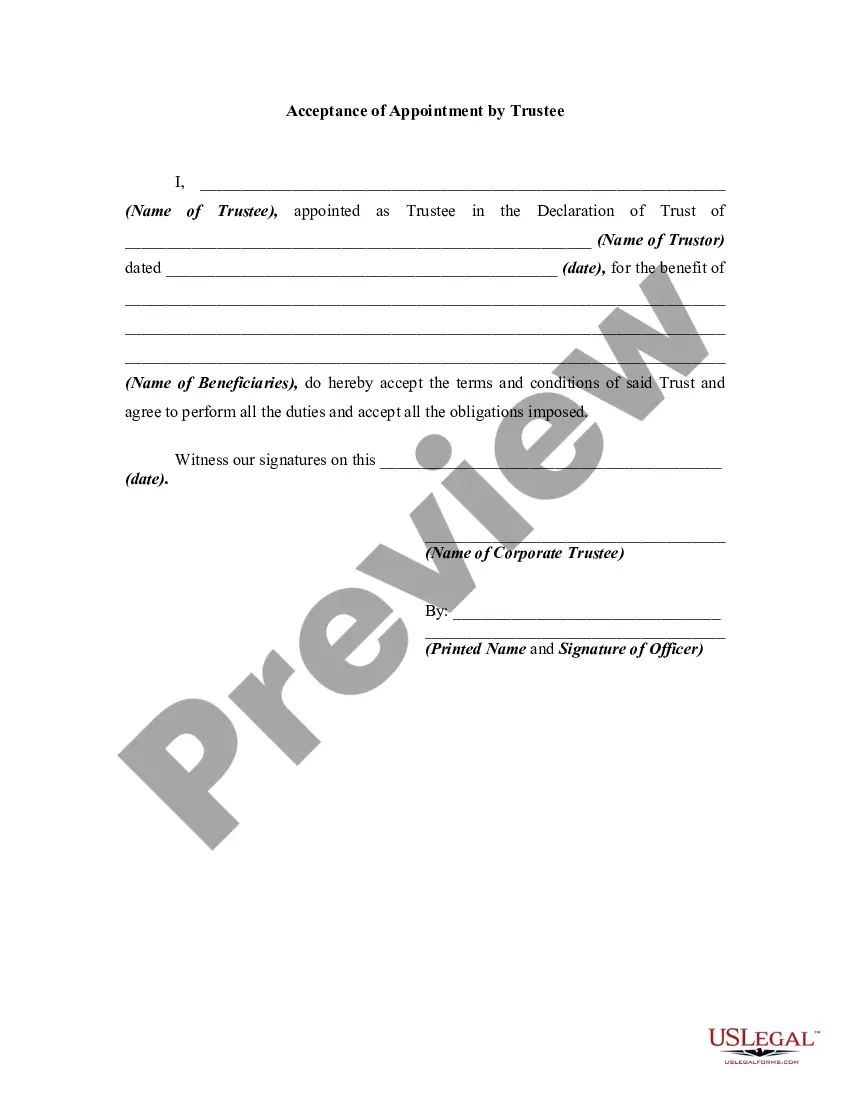


Form popularity
FAQ
While an officer of the company or an employee may also be a member, not all officers or employees are members. In order to be a member, the officer or employee must hold an ownership interest in the LLC.
In many cases, the president or CEO is also a board member. Corporate officers may also have an ownership interest by holding shares, meaning that they can vote at shareholders' meetings, but this is not mandatory. There are some differences in what an officer in a corporation and the board of directors can do by law.
Most legal entities like corporations have officers and directors who, together, run the business. Directors sit on the board of directors and collectively govern and oversee the entity. In contrast, officers generally implement the board's vision and manage the day-to-day operations of the business.
Officers are usually appointed by a corporation's board of directors ing to its internal policies. There are many corporate officer titles, such as Chief Executive Officer (CEO) and Chief Financial Officer (CFO).
Shareholders: owners of the company who have exchanged assets for shares of stock. Directors: appointed by shareholders to oversee the management of the corporation. Officers: appointed by directors to manage the day-to-day activities of the company.
Form an Illinois Corporation: Name Your Corporation. Designate a Registered Agent. Submit Articles of Incorporation. Get an EIN. File the BOI Report. Write Corporate Bylaws. Hold an Organizational Meeting. Open a Corporate Bank Account.
NRS 78.130(3) provides "All officers must be natural persons and must be chosen in such manner, hold their offices for such terms and have such powers and duties as may be prescribed by the bylaws or determined by the board of directors.
Changing officers of a corporation involves filing the articles of incorporation while adhering to Illinois state codes. Directors add officers formally at an annual directors meeting but can do so at any time within the scope of the bylaws.
A California Professional Corporation may be a C-Corporation or an S-Corporation, and is organized to provide services in professions that require a state license in order to practice.
To obtain your Illinois Certificate of Authority, you will submit an Application for Certificate of Authority, along with required certificates or certified copies from your home state. You will need to appoint a registered agent in order for your filing to be approved.

