Annual Board Directors Sample For Job Application In Washington
Description

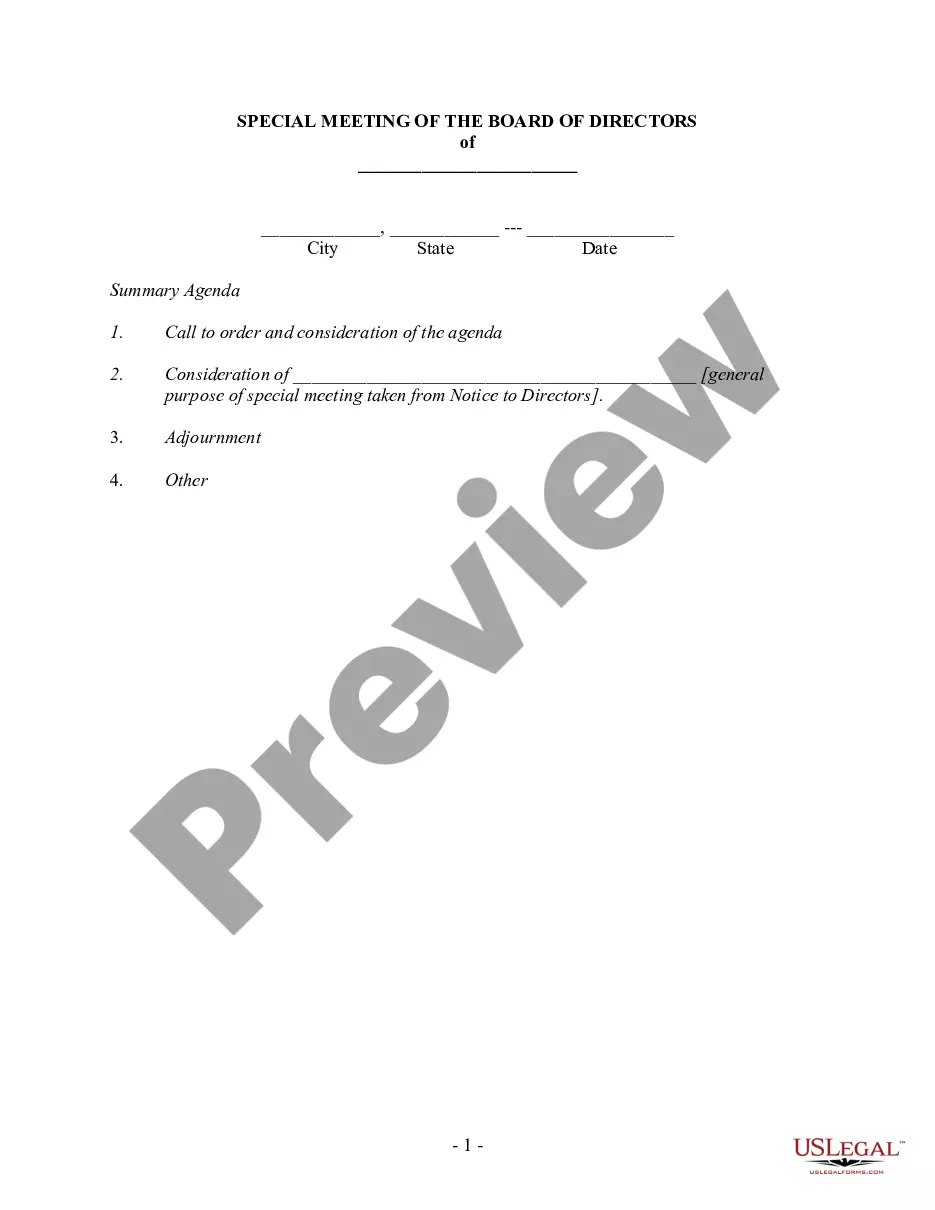


Get your form ready online
Our built-in tools help you complete, sign, share, and store your documents in one place.
Make edits, fill in missing information, and update formatting in US Legal Forms—just like you would in MS Word.
Download a copy, print it, send it by email, or mail it via USPS—whatever works best for your next step.
Sign and collect signatures with our SignNow integration. Send to multiple recipients, set reminders, and more. Go Premium to unlock E-Sign.
If this form requires notarization, complete it online through a secure video call—no need to meet a notary in person or wait for an appointment.
We protect your documents and personal data by following strict security and privacy standards.

Make edits, fill in missing information, and update formatting in US Legal Forms—just like you would in MS Word.

Download a copy, print it, send it by email, or mail it via USPS—whatever works best for your next step.

Sign and collect signatures with our SignNow integration. Send to multiple recipients, set reminders, and more. Go Premium to unlock E-Sign.

If this form requires notarization, complete it online through a secure video call—no need to meet a notary in person or wait for an appointment.

We protect your documents and personal data by following strict security and privacy standards.
Looking for another form?
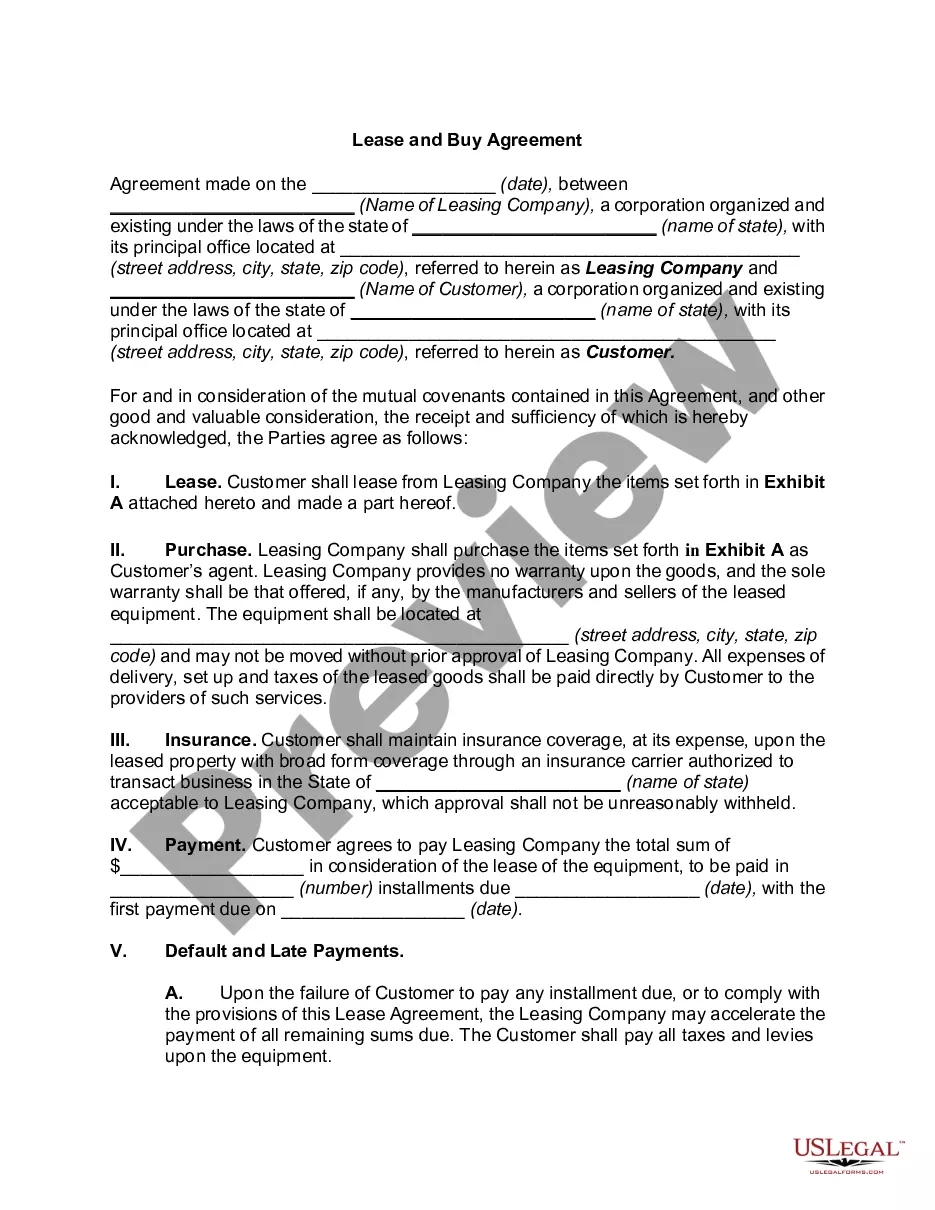
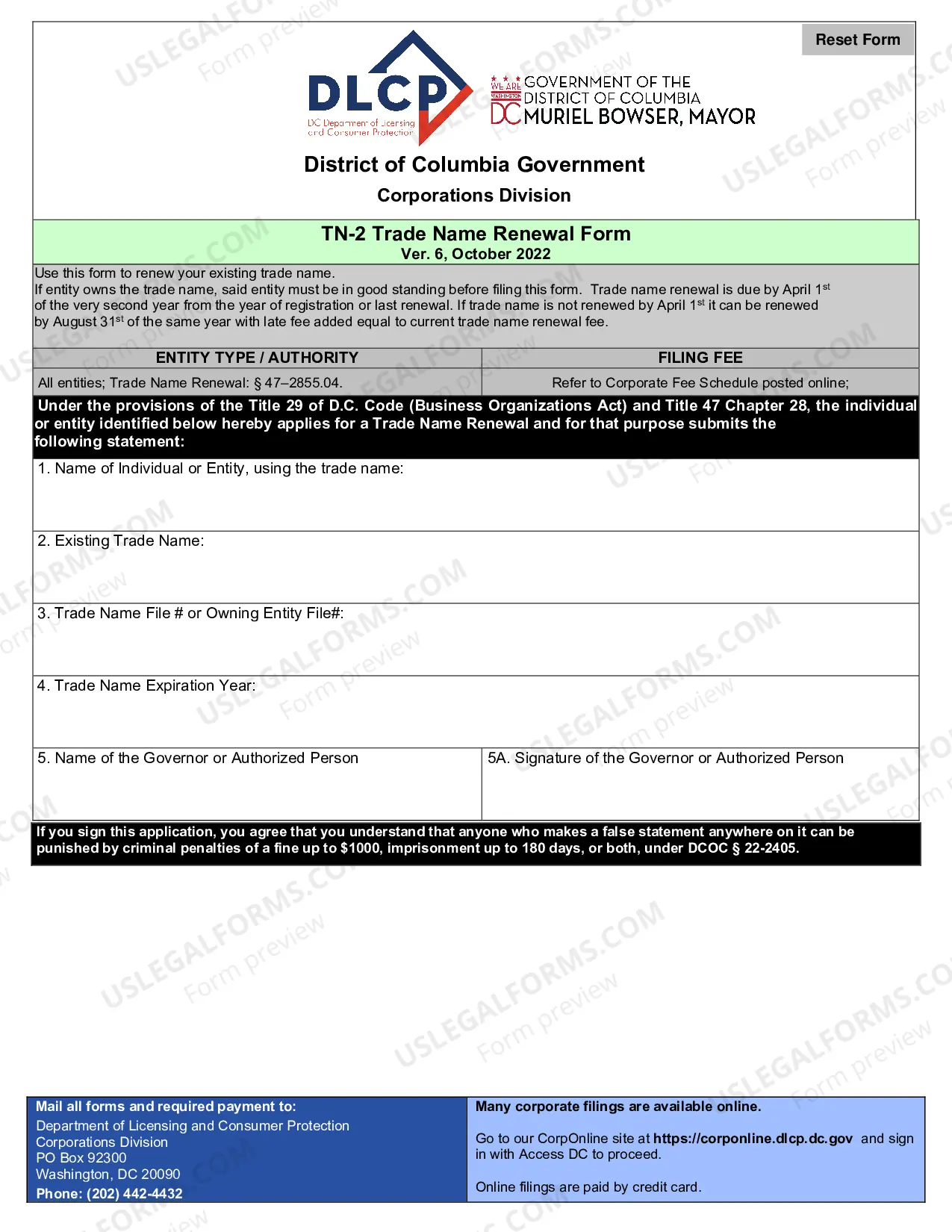
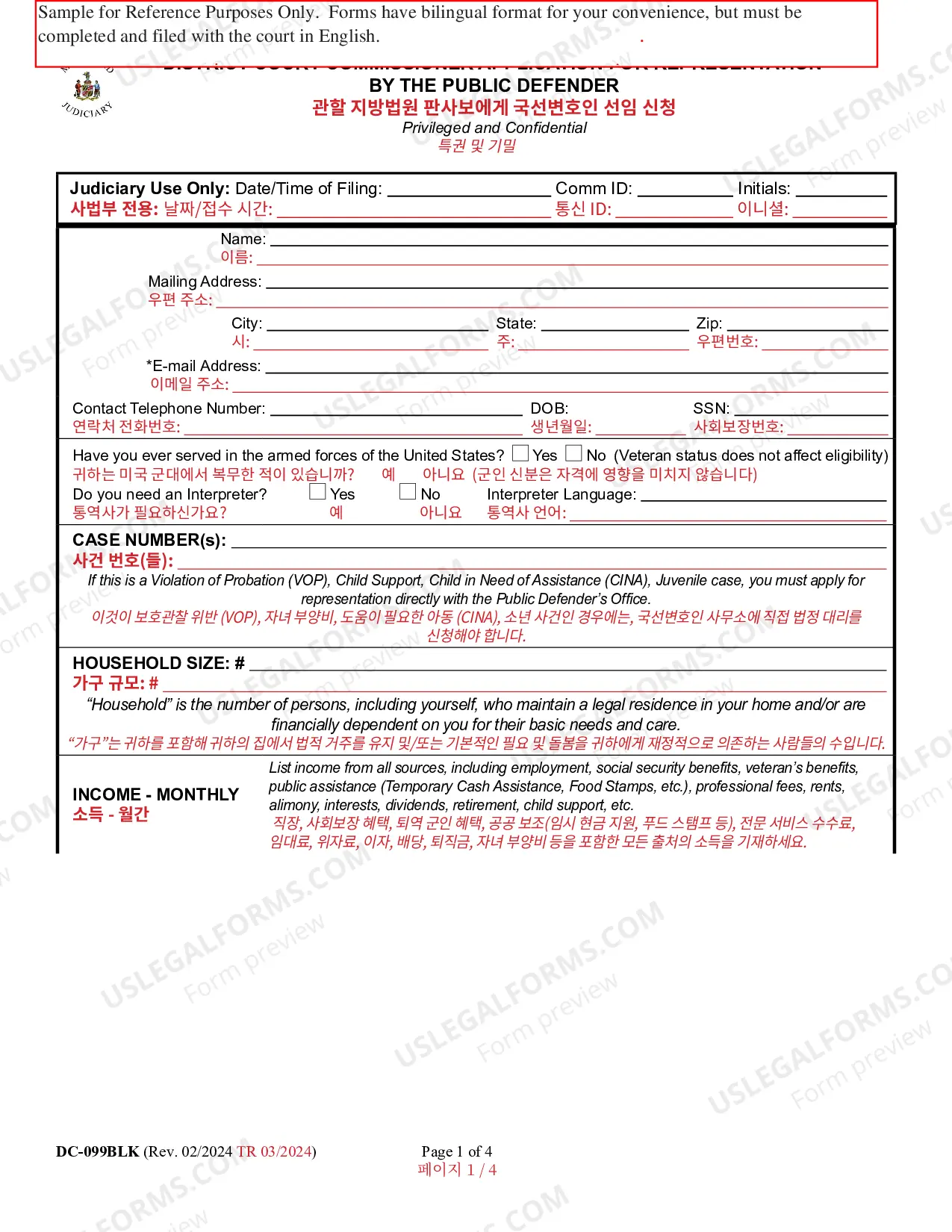

Form popularity
FAQ
The board is responsible for hiring, evaluating, and, if needed, firing the executive director (ED). Though not illegal, the board should not be involved in hiring, evaluating or firing any other employee.
Essentially, it is the role of the board of directors to hire the CEO or general manager of the business and assess the overall direction and strategy of the business. The CEO or general manager is responsible for hiring all of the other employees and overseeing the day-to-day operation of the business.
Sometimes the board of directors has the authority to fire employees, while other times they may not. It all depends on the specific situation and organization in question. Generally speaking, the board of directors is responsible for overseeing the management of the company and ensuring that it is running smoothly.
I am pleased to invite you to become a member of the Organization Name's Board of Directors. initiatives such as research. We believe that your background would be a valuable asset to our Board and would greatly help shape our organization's present and future. In particular specific reasons for invitation.
501(c)(3) public charities must have at least 3 board members.
Board members act as ambassadors for the organization, representing its mission and goals to the community, stakeholders, and potential supporters. This involves promoting the organization's work, building relationships with external partners, and helping to raise its profile.
California Corporations Code Section 5227 limits the number of board members that may be an employee or contractor of their nonprofit. It states that: “Not more than 49 percent of the persons serving on the board … may be interested persons.”
There's no law prohibiting an employee from becoming a board member, or an executive board member from becoming an employee. However, employees often experience a conflict of interest when acting as board members, notably because all employees, including the CEO, are directly affected by board decisions.
Job Description: President Serve as the Chief Volunteer Officer of the organization and partner with the CEO to achieve the Society's mission. Provide leadership to the Board of Directors, encouraging the Board's role in planning, financial accountability, evaluation of the CEO, and evaluation of program performance.
How to gain an appointment to a board of directors Select the type of board to serve. Search for openings. Select the right company. Familiarize yourself with the directors. Conduct in-depth research on the board and company. Network at special events. Request an appointment. Craft a high-quality resume or CV for an interview.

