Washington State Form 17 Withholding Tax In Hennepin
Description





Form popularity
FAQ
Ing to realtor, in most cases, if someone has passed away peacefully in a house there's no legal obligation in most states requiring that sellers disclose it. There are only three states that require a seller to disclose any death in a home or on the property – Alaska, South Dakota, and California.
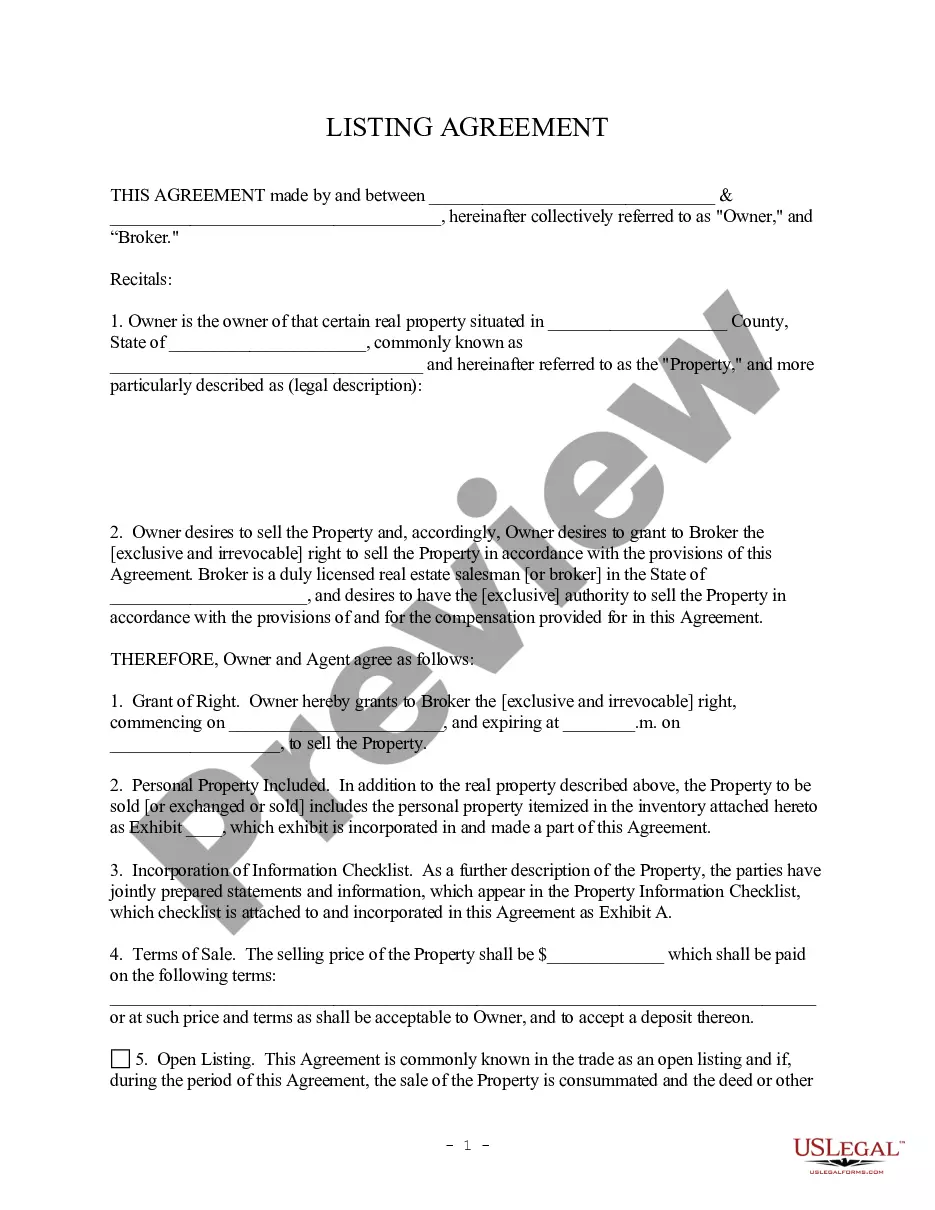
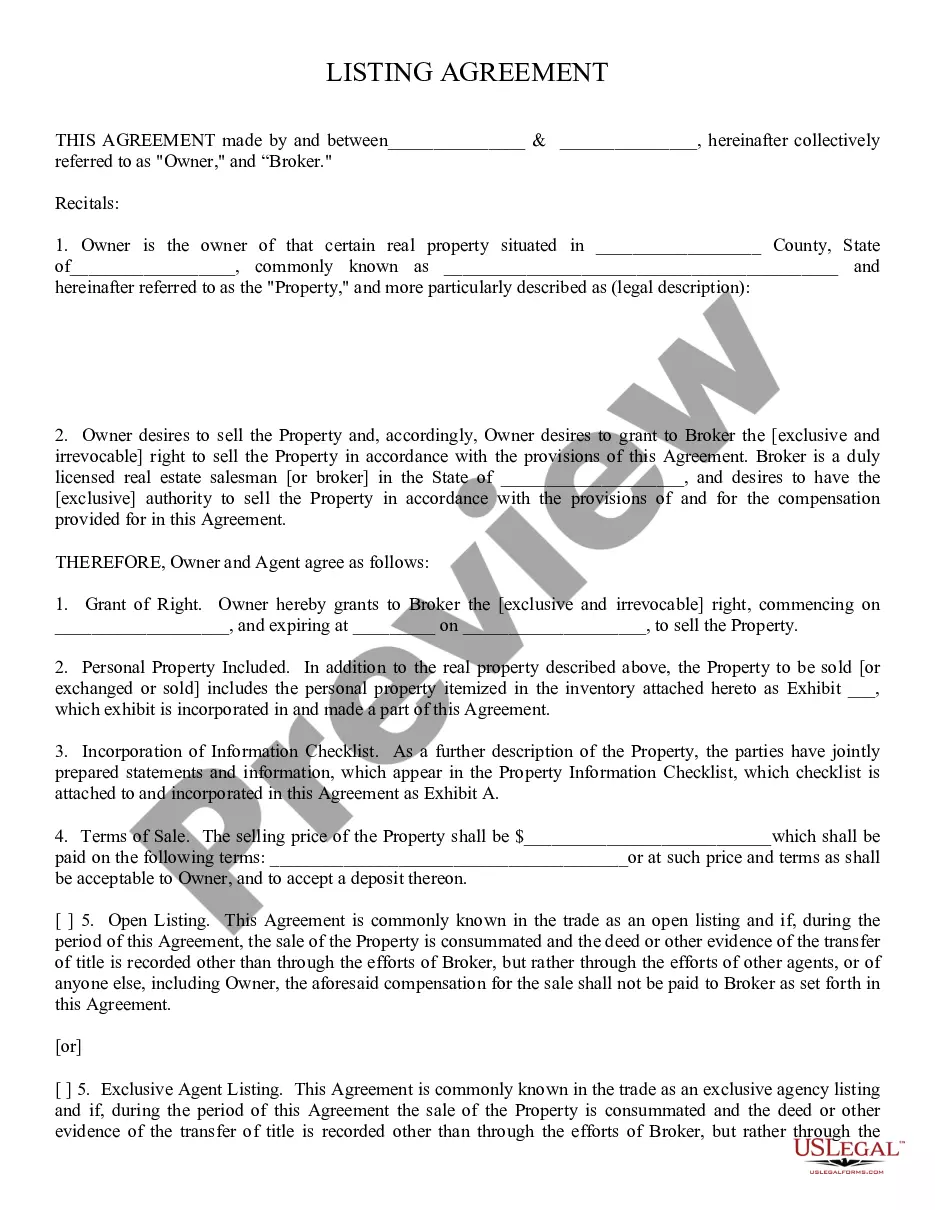
Washington State requires sellers of residential real property to thoroughly disclose material facts on a form called the Residential Real Property Disclosure Statement (often referred to as Form 17).
California State Law The California Civil Code (Cal. Civ. Code § 1710.2.) requires landlords to voluntarily disclose whether there has been a death at the rental property that occurred within the past three years.
Do you need to report a death in your house to potential buyers? Only California requires that all deaths be disclosed when selling a home, but several other states require reporting for specific circumstances like murder or suicide.
Sellers must complete a Transfer Disclosure Statement (TDS), in which they disclose known defects and other pertinent information about the property. Failure to disclose these material facts can lead to legal liability.
You can get the form from a buyer's or seller's agent or real estate attorney. While the disclosure form will vary in format, it may contain the following: List of specific issues the homeowner must check off if the home has them. Questions about the property the seller must answer with “Yes,” “No” or “Unknown”
Washington State requires sellers of residential real property to thoroughly disclose material facts on a form called the Residential Real Property Disclosure Statement (often referred to as Form 17).
This form, called the Risk Assessment Report for Broker-Dealers, consists of six pages relating to the broker's business activities and their risk profile. This SEC form requires broker-dealers to file the form as per Rules 17h-1T and Rule 17h-2T of the Securities and Exchange Act of 1934.
Transfers Between Related Parties Family transactions are frequently exempt, including: Transfers between co-owners. Sales or gifts to spouses or direct family members (e.g., parent to child). Transfers resulting from divorce settlements or property divisions.
How to Fill Out the W-4 Form Step 1: Basic Information. This is where you fill out the basic information on the form all about you and your personal data. Step 2: Multiple Jobs or Spouse Works. Step 3: Claim Dependents. Step 4a: Other Income (Not from Jobs) ... Step 4b: Deductions. Step 4c: Extra Withholding. Step 5: Signature.

