Listing Agreement With Realtor In Riverside
Description


Form popularity
FAQ
The short answer is that it doesn't matter who signs an agreement first. In order for a contract to be legally binding, both parties must agree to a set of pre-defined terms (this is called “mutual assent”).
A "listing agreement" is a contract between a real estate agent or broker (the industry professional who will be listing the property for sale) and a home seller. It primarily says that the agent has the right to list (advertise and handle the sale of) the house.
Although a document must be signed by each party to be considered legally binding, the mere presence of signatures does not guarantee that an agreement is enforceable in court. To be considered a legally binding contract or document, three critical elements must also be present: Subject, Consideration, and Capacity.
A listing agreement needs to be signed both by the listing agent, on the listing firm's behalf, and by the seller. An attorney in fact, someone the seller has appointed in a power of attorney and granted the authority to convey the property, may sign the listing agreement on the seller's behalf.
A listing agreement is between the parties that own a property and the agents or brokers who will find a buyer for it. Typically, a real estate listing agreement involves the property owner and a real estate agent. The property owner, or seller, grants the agent the right to market and sell the property.
Simply send them a letter or email stating that you are no longer working with them effective immediately. You are not obligated to work with any realtor you don't like. Cut contact after sending the message and contact the new realtor.
The three types of real estate listing agreements are open listing, exclusive agency listing, and exclusive right-to-sell listing.
To avoid such predatory practices, California enacted Civil Code 1670.12 and Government Code 27280.6, which took effect January 1, 2024, prohibiting an exclusive listing agreement to last longer than 24 months or to renew such a listing for longer than 12 months.
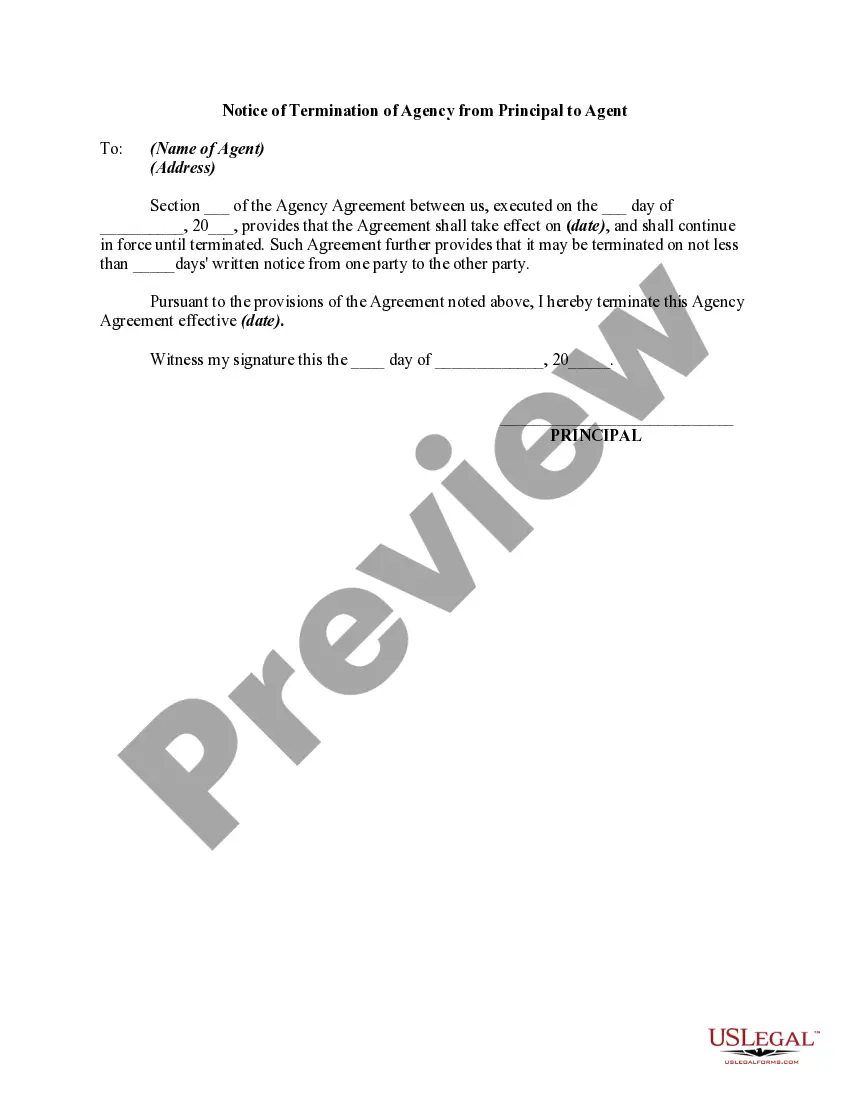
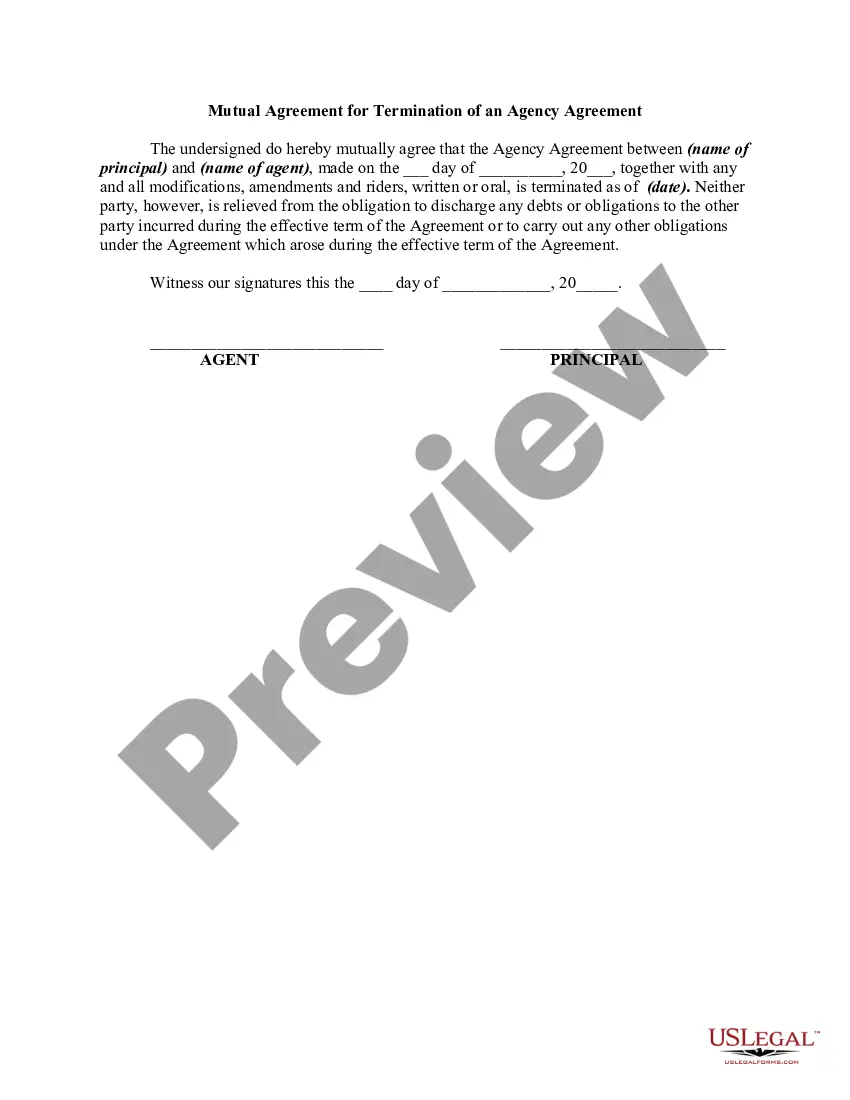
In some cases, you may be able to unilaterally cancel the listing agreement, but this is typically more challenging and may involve legal consequences. To do so, you must demonstrate that there was a legitimate reason for the cancellation, such as the agent's misconduct or a significant change in your circumstances.
A listing agreement is a binding contract, but there are a number of ways to get out of one. Whether you change your mind about selling, have ethical or performance concerns about the agent, or you just don't find a buyer, you can get out of a listing agreement.

