Termination Of Contract For Cause In Oakland
Description
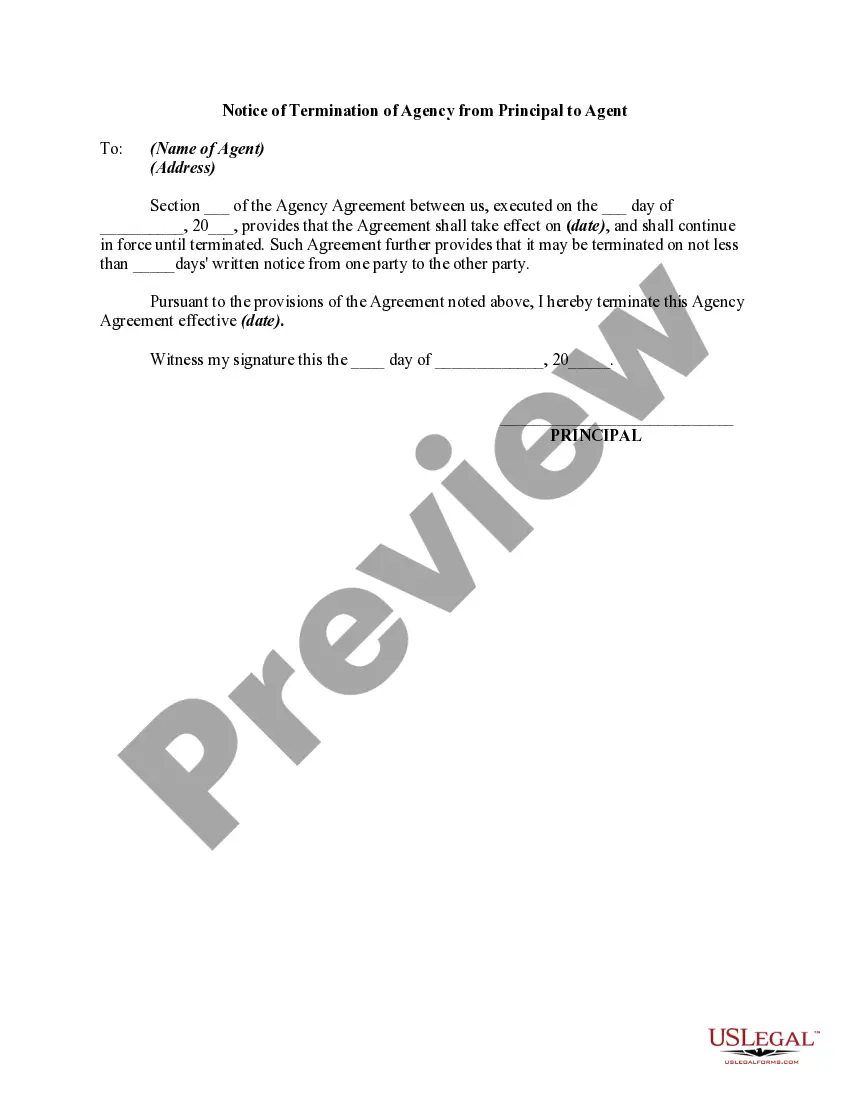
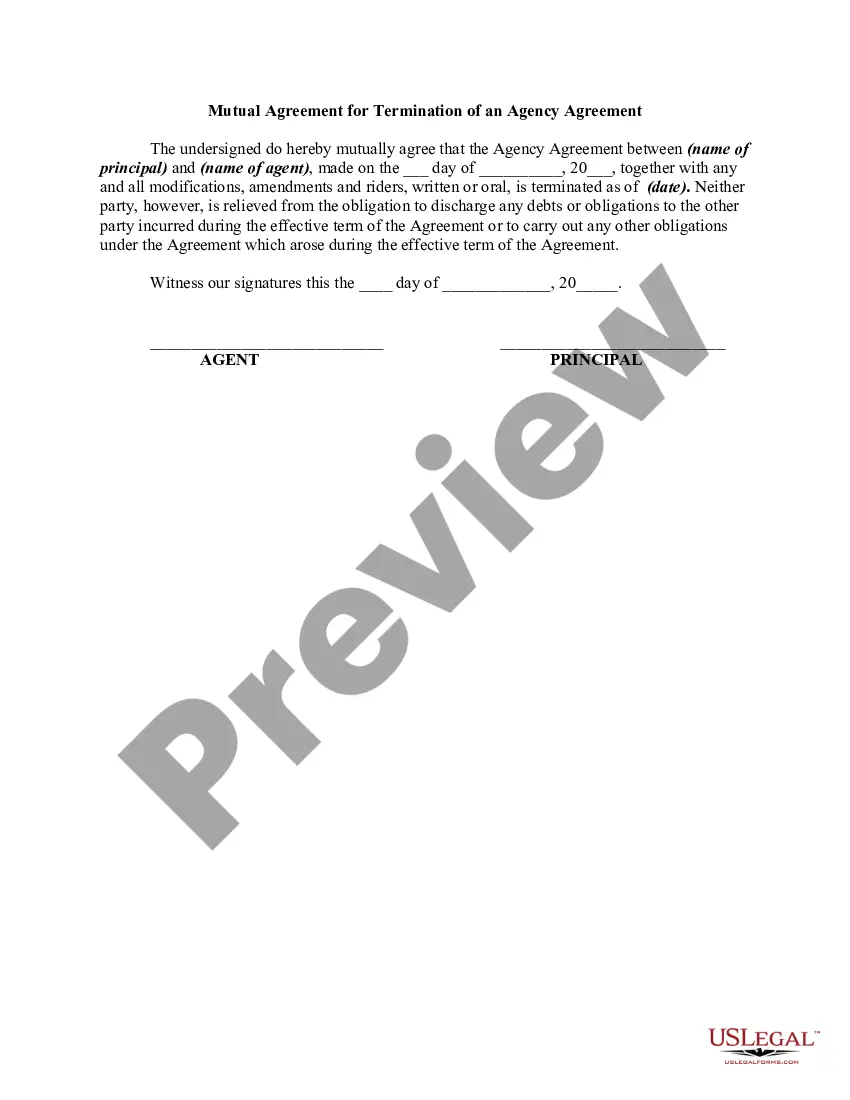
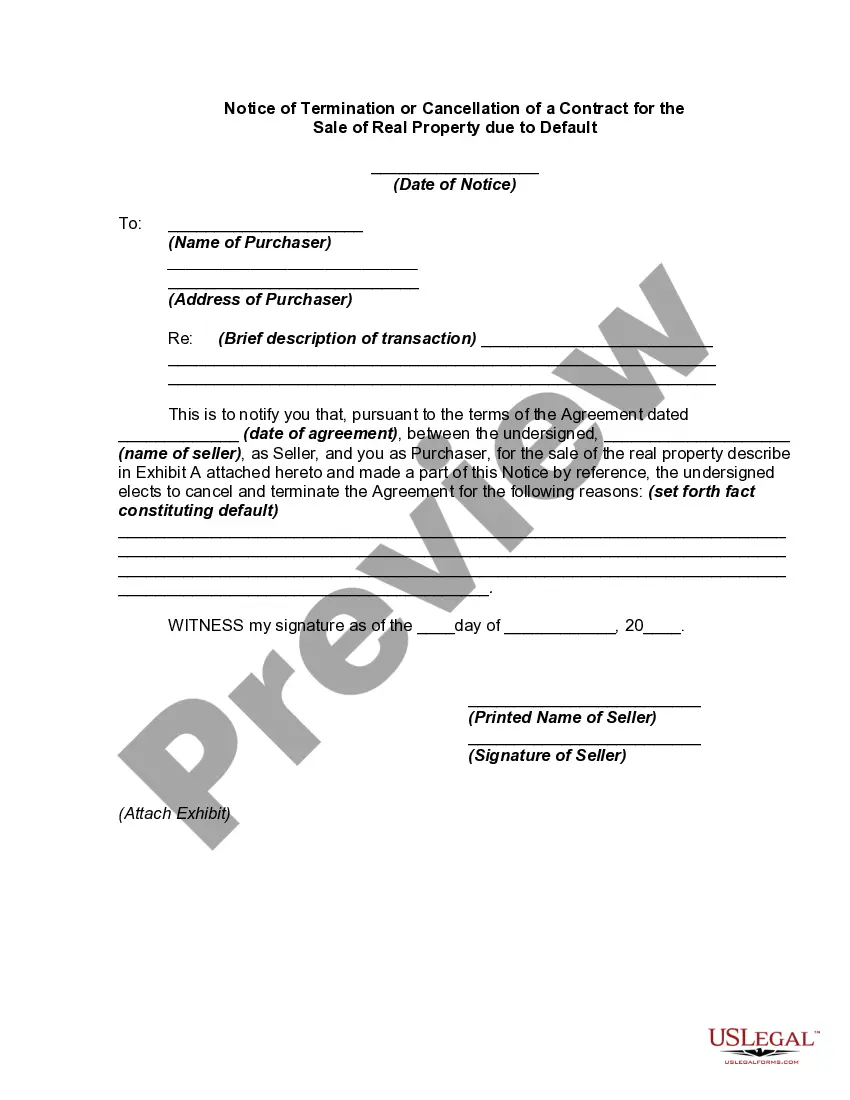
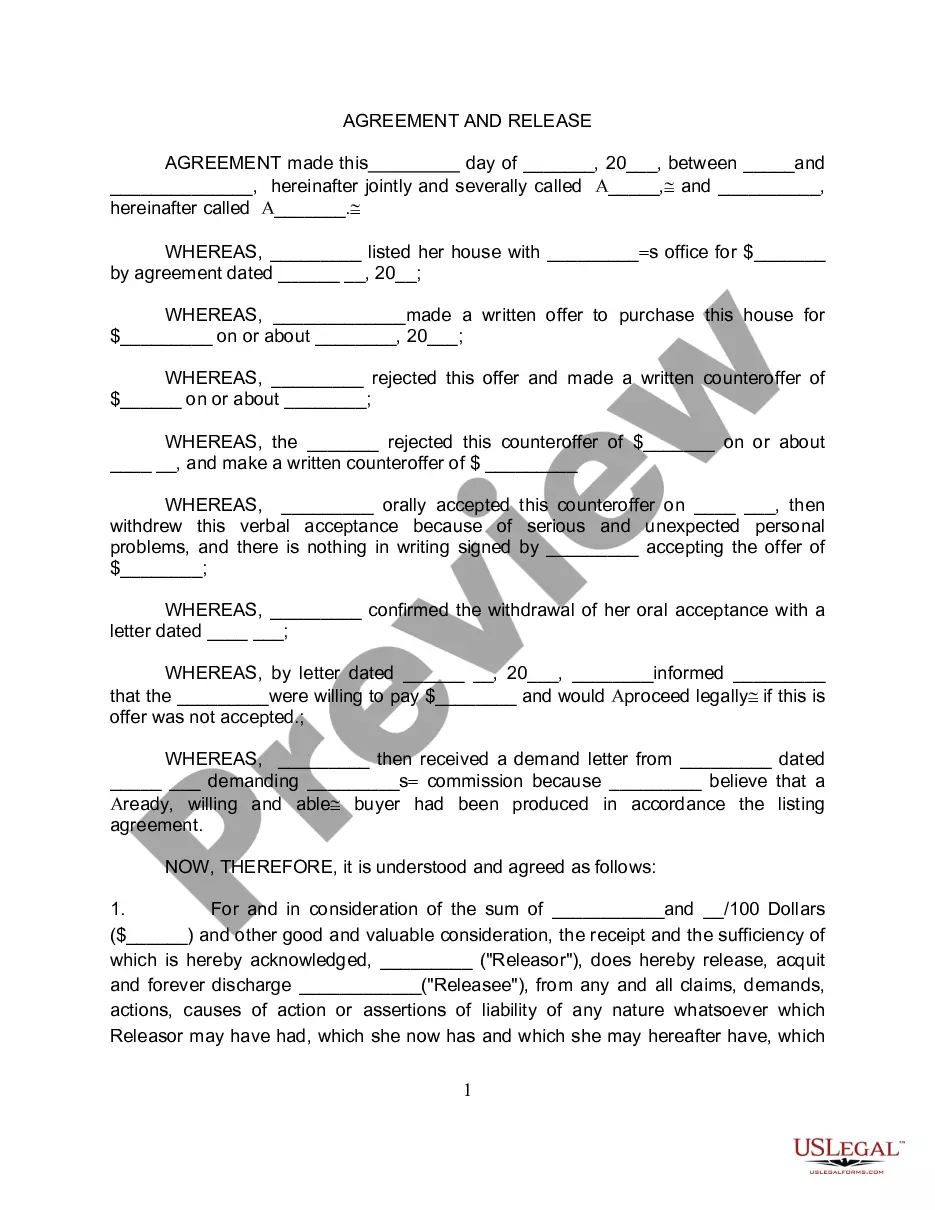
Get your form ready online
Our built-in tools help you complete, sign, share, and store your documents in one place.
Make edits, fill in missing information, and update formatting in US Legal Forms—just like you would in MS Word.
Download a copy, print it, send it by email, or mail it via USPS—whatever works best for your next step.
Sign and collect signatures with our SignNow integration. Send to multiple recipients, set reminders, and more. Go Premium to unlock E-Sign.
If this form requires notarization, complete it online through a secure video call—no need to meet a notary in person or wait for an appointment.
We protect your documents and personal data by following strict security and privacy standards.

Make edits, fill in missing information, and update formatting in US Legal Forms—just like you would in MS Word.

Download a copy, print it, send it by email, or mail it via USPS—whatever works best for your next step.

Sign and collect signatures with our SignNow integration. Send to multiple recipients, set reminders, and more. Go Premium to unlock E-Sign.

If this form requires notarization, complete it online through a secure video call—no need to meet a notary in person or wait for an appointment.

We protect your documents and personal data by following strict security and privacy standards.
Looking for another form?



Form popularity
FAQ
These are some examples of just cause termination: Infringement on the company's code of conduct or ethics policy. Failure to adhere to company policy. Contract infringement.
What is Termination for Cause? Termination for cause refers to the firing of an employee for valid, legally classified reasons. In order for termination for cause to be justifiable, the reason for the termination must be serious and legitimate.
Under California and federal employment law, proving a wrongful termination case is not easy. It requires thorough investigation and evidence to support the employee's claim. Note: The burden of proof is on the employee to prove that the termination was wrongful and that he or she suffered damages as a result.
A "just cause" dismissal (also referred to as "dismissal for cause" or "summary dismissal") is the termination of employment initiated by the employer in response to employee misconduct that is so serious that it either: Violates an essential condition of the employment contract.
They are called just causes because the termination of employment is justified due to an employee's actions, behavior, or omission, either of which resulted in a serious or grave violation of the law, employment contract, company policies, collective bargaining agreement, and any other employment agreement.
Employers have the right to terminate employees but must give notice that the employment is ending. An exception to the notice requirement applies where the employer can prove just cause. Just cause refers to conduct that is of such a serious nature or extent that it essentially breaks the employment relationship.
Termination for cause is the dismissal of an employee for a satisfactory reason. An employee may be fired for various reasons that may include misconduct, fraud and disclosure of confidential information.
Write a termination of contract notice Regardless of what your grounds are, notice is required to terminate any contract. Typically, this notice will come in the form of a written document that clearly explains your decision to terminate the contract, why you wish to do so, and on what grounds.
Just causes for eviction include nonpayment of rent, noncompliance with lease terms, chronically late rent payments, and the intention of the landlord to occupy the unit themselves or rent the unit to an immediate family member. The notice required for each just cause reason varies.
Material violation of rental agreement after written notice to stop. Causing substantial damage to the unit. Tenant continues to disturb the peace and quiet enjoyment of other tenants after written notice to stop. Engaging in unlawful activity on the premises.

