Terminate Contract With Attorney In Nassau
Description
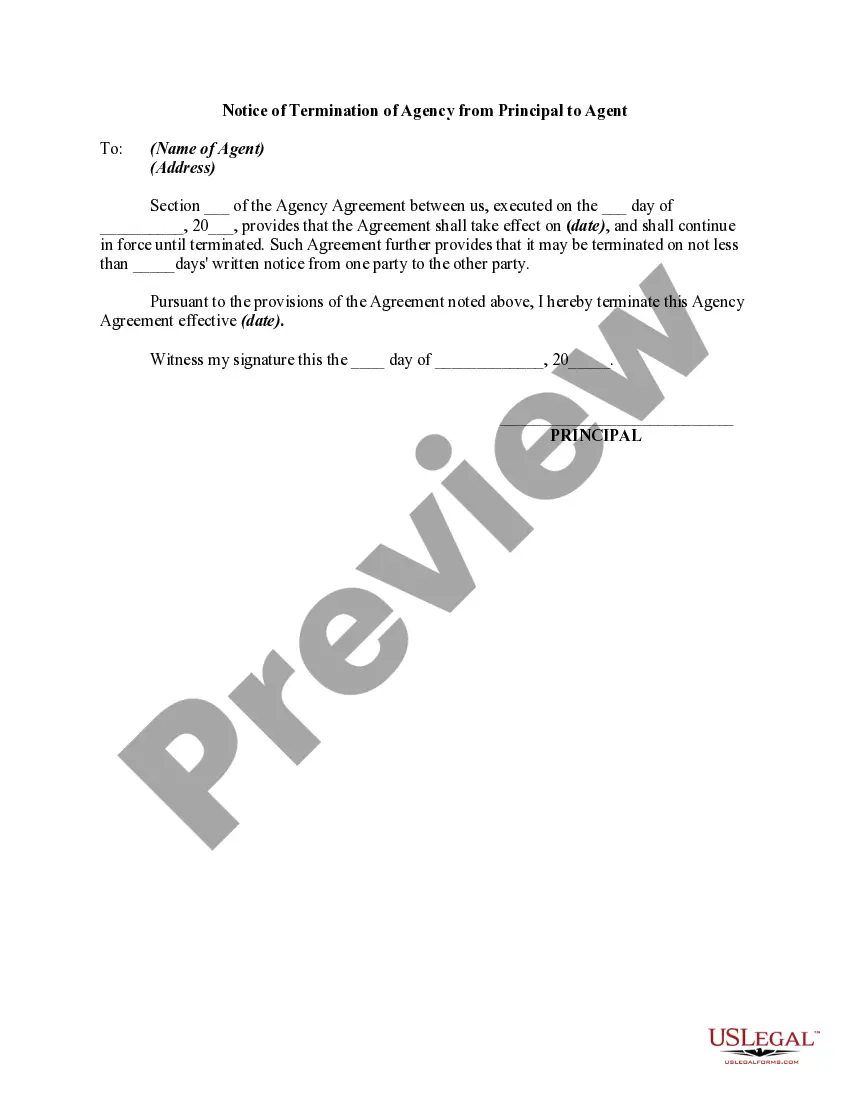
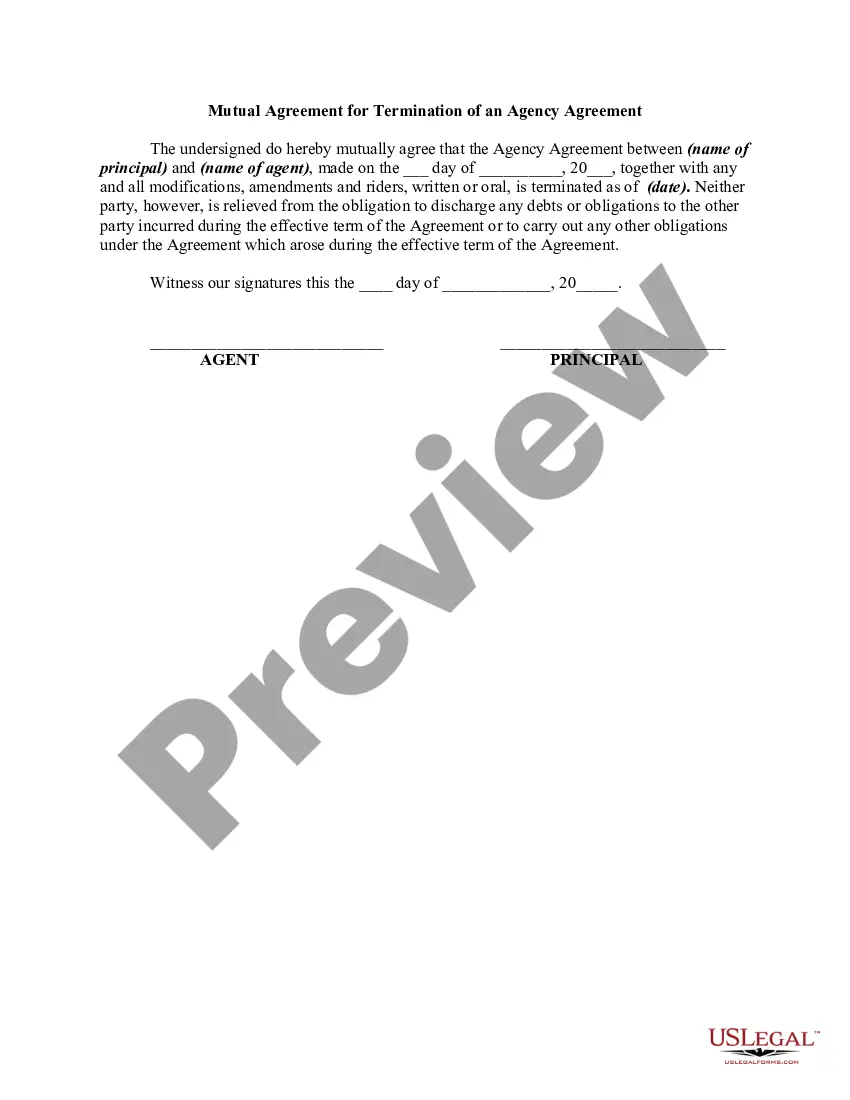
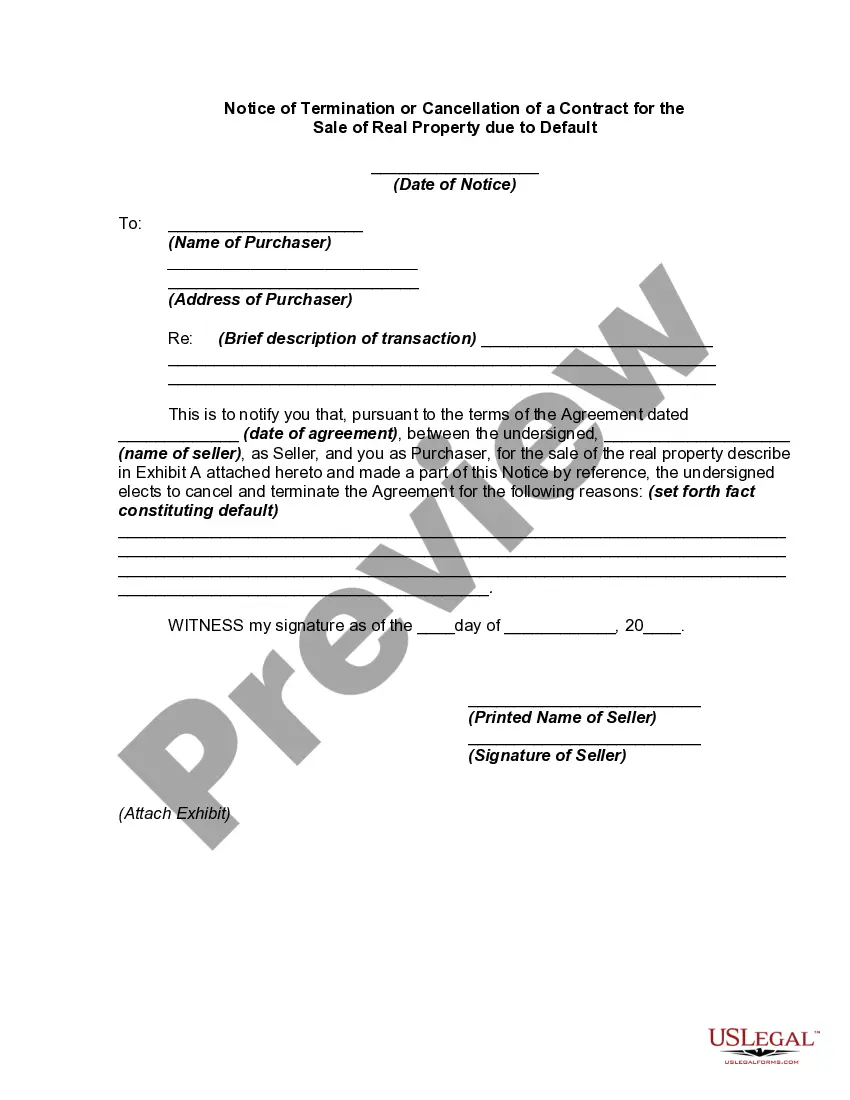
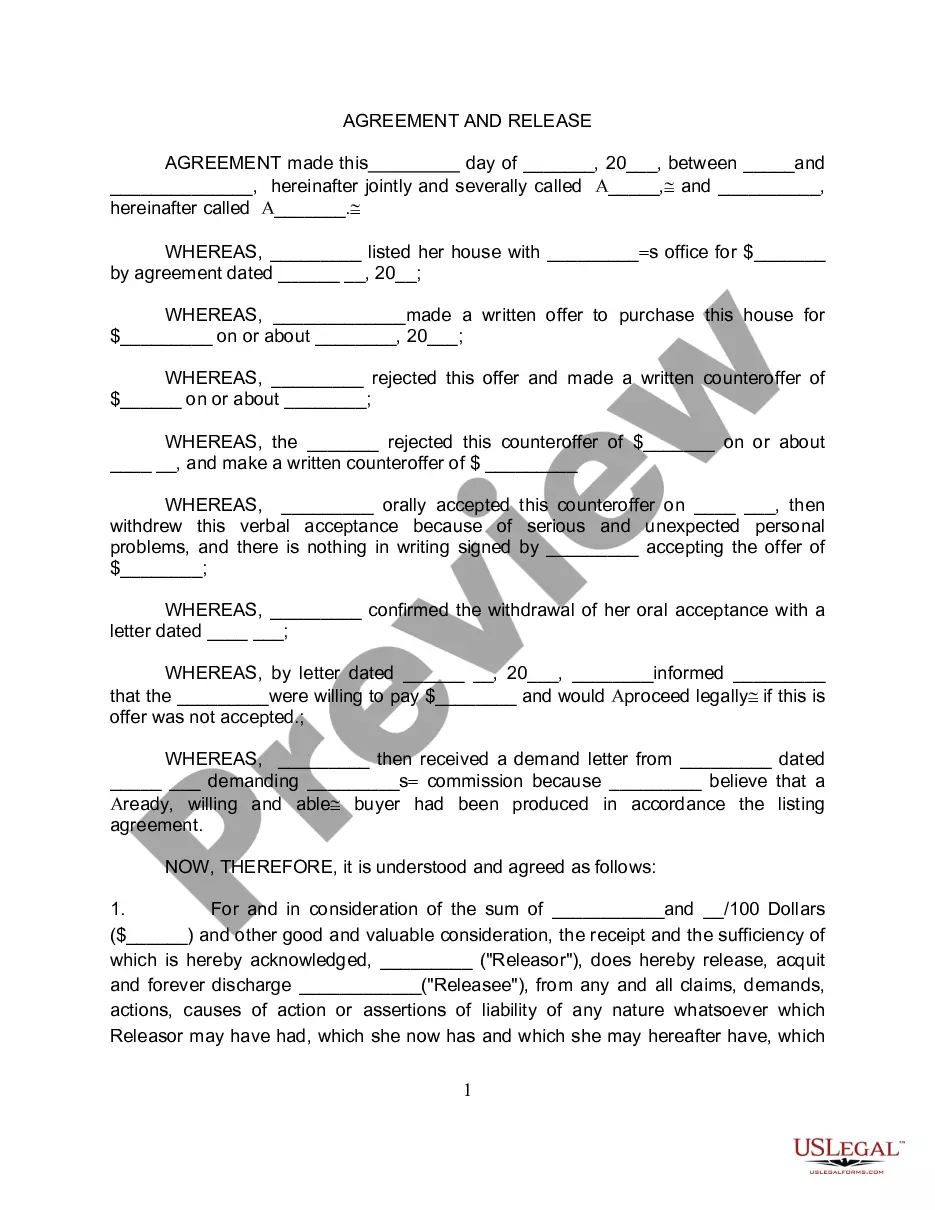
Get your form ready online
Our built-in tools help you complete, sign, share, and store your documents in one place.
Make edits, fill in missing information, and update formatting in US Legal Forms—just like you would in MS Word.
Download a copy, print it, send it by email, or mail it via USPS—whatever works best for your next step.
Sign and collect signatures with our SignNow integration. Send to multiple recipients, set reminders, and more. Go Premium to unlock E-Sign.
If this form requires notarization, complete it online through a secure video call—no need to meet a notary in person or wait for an appointment.
We protect your documents and personal data by following strict security and privacy standards.

Make edits, fill in missing information, and update formatting in US Legal Forms—just like you would in MS Word.

Download a copy, print it, send it by email, or mail it via USPS—whatever works best for your next step.

Sign and collect signatures with our SignNow integration. Send to multiple recipients, set reminders, and more. Go Premium to unlock E-Sign.

If this form requires notarization, complete it online through a secure video call—no need to meet a notary in person or wait for an appointment.

We protect your documents and personal data by following strict security and privacy standards.
Looking for another form?
Form popularity
FAQ
1. Terminating Your Current Attorney: You can terminate your attorney-client relationship at any time. However, it is crucial to do so in writing. A formal letter stating your intention to end the relationship should be sent to your attorney. This letter serves as a record of your decision and its date. 2.
Contracts can be terminated voluntarily (for convenience) or involuntarily (for cause), often requiring proper notice. Common grounds for involuntary termination include breach of contract, misrepresentation, and impossibility of performance.
Fortunately, California law permits you to terminate your contract for legal representation. Also, you are not prohibited from changing lawyers. California law allows you to terminate the services of one lawyer and immediately upon doing so retain the services of another.
This means you may be able to end a contract if one of these factors are present, including: Lack of capacity to enter into a contract. Lack of capacity could be based on age, mental capacity, etc. Duress. Undue influence. Misrepresentation. Illegality. Unconscionability.
Contracts can include termination clauses specifying valid reasons for ending the agreement. Seeking legal advice is crucial when attempting to exit a contract to avoid unintended legal repercussions.
Your attorney can help you assess the situation and come up with a strategy and documentation to terminate the agreement if the law allows you to do so.
Another straightforward method that may be used to withdraw from a contract is through mutual agreement with the other party. If both parties consent to terminate the contract, you can negotiate an exit without penalties: Negotiation: Communicate openly with the other party about your desire to terminate the contract.
Use these steps to write a contract-ending letter: Review termination clauses. Address the appropriate individual. State your purpose for writing. Discuss outstanding concerns. Close your letter respectfully. Ensure receipt of the letter.
Legal Grounds for Early Termination Mutual Agreement: Both parties may agree to terminate the contract early. Termination Clauses: Many contracts include specific clauses that outline the conditions under which the contract may be terminated before its natural conclusion.
How can I get out of a contract? Negotiate a Change or Cancellation. Express Right to Terminate. Cooling-off or Cancellation Periods. Inability to Perform. Mutual Mistake. Breaching a Contract. Voiding Factors. Contact Cornerstone Law Firm for help.

