Terminated Contract With In Middlesex
Description
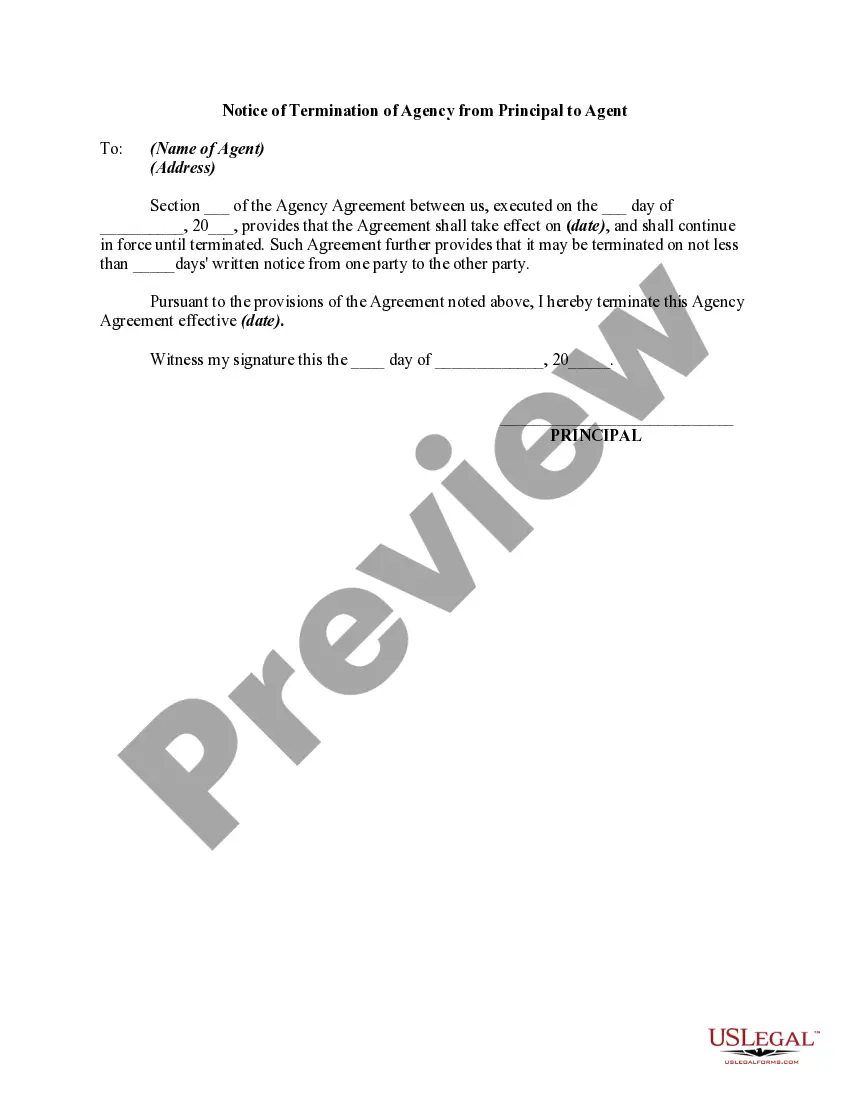
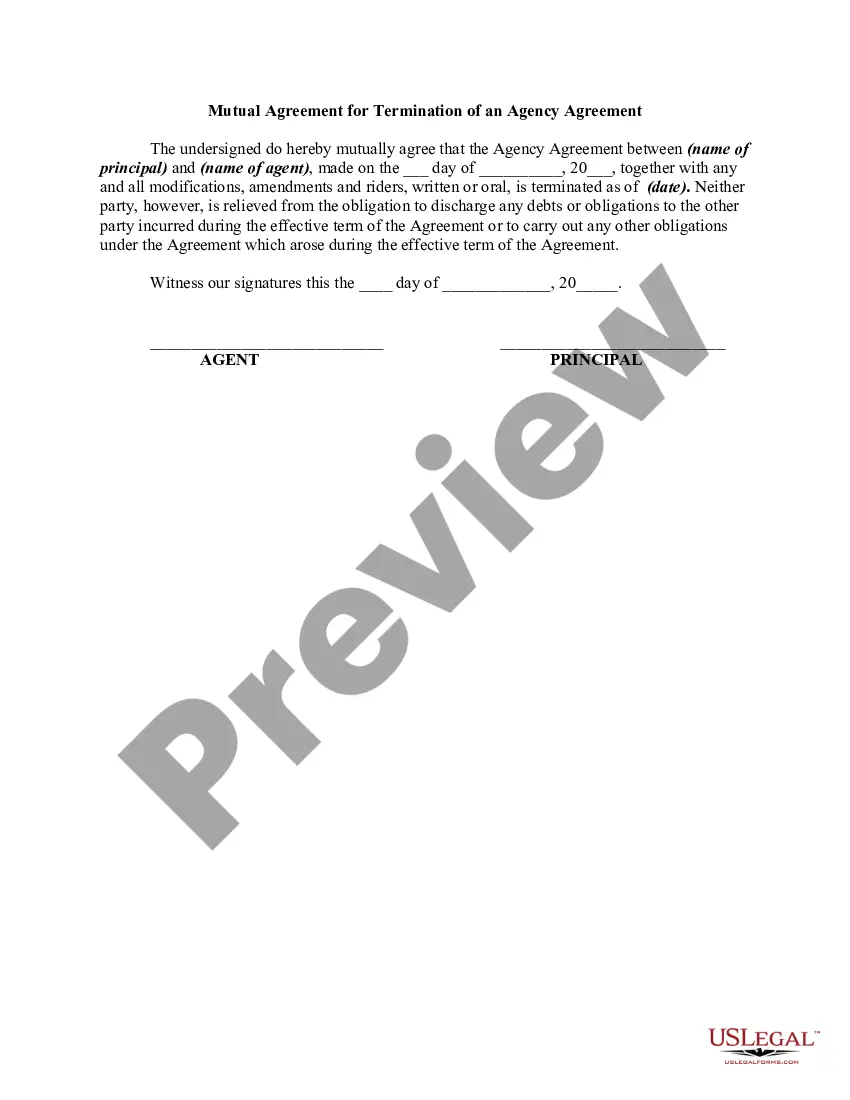
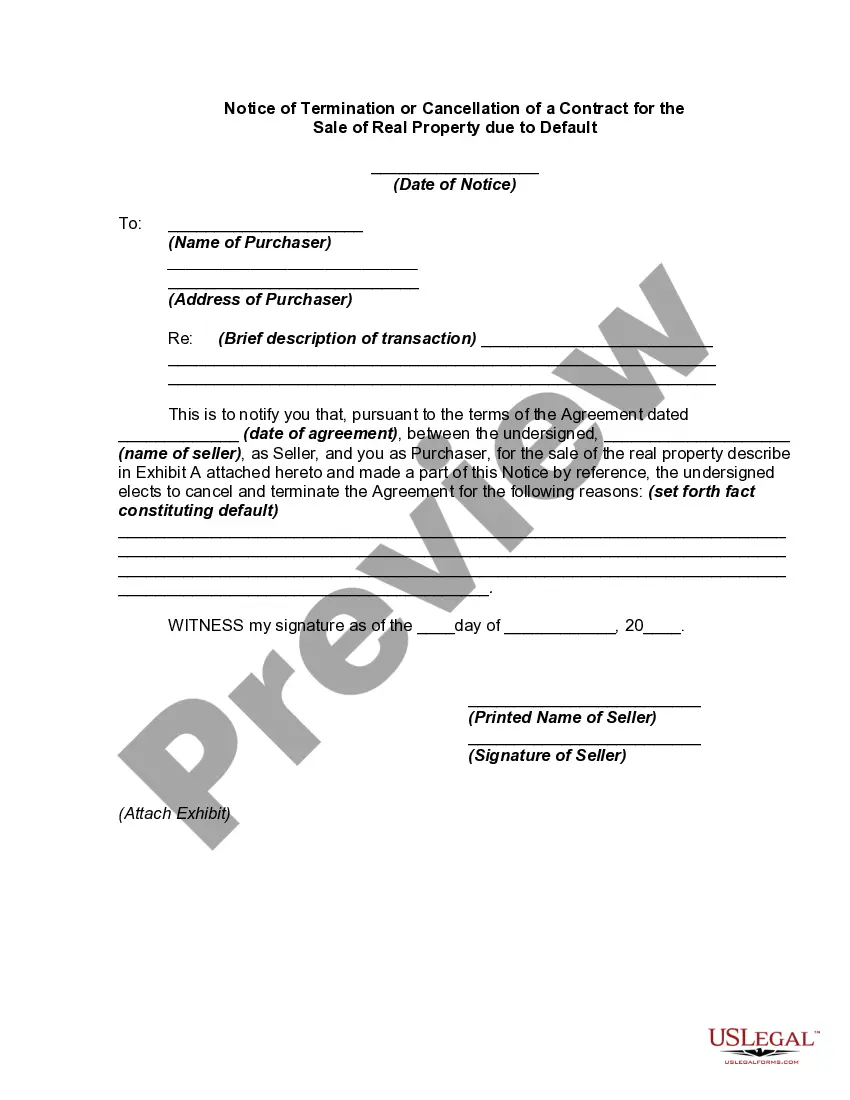

Get your form ready online
Our built-in tools help you complete, sign, share, and store your documents in one place.
Make edits, fill in missing information, and update formatting in US Legal Forms—just like you would in MS Word.
Download a copy, print it, send it by email, or mail it via USPS—whatever works best for your next step.
Sign and collect signatures with our SignNow integration. Send to multiple recipients, set reminders, and more. Go Premium to unlock E-Sign.
If this form requires notarization, complete it online through a secure video call—no need to meet a notary in person or wait for an appointment.
We protect your documents and personal data by following strict security and privacy standards.

Make edits, fill in missing information, and update formatting in US Legal Forms—just like you would in MS Word.

Download a copy, print it, send it by email, or mail it via USPS—whatever works best for your next step.

Sign and collect signatures with our SignNow integration. Send to multiple recipients, set reminders, and more. Go Premium to unlock E-Sign.

If this form requires notarization, complete it online through a secure video call—no need to meet a notary in person or wait for an appointment.

We protect your documents and personal data by following strict security and privacy standards.
Looking for another form?

Form popularity
FAQ
It is always open to parties to agree to variations to their contractual arrangements. That includes terminating it by agreement. Both parties are able to consent to termination of a contract. When they do, the mutual obligations to perform contractual obligations come to an end.
A party may no longer be able to deliver on the contract - which in turn can give rise to rights to terminate the contract altogether. Termination by performance. Termination by Agreement. Termination for Breach of Contract. Termination by frustration.
Discharge of contract by agreement Parties can also discharge a contract by each agreeing to release each other from the contractual obligations within it. This agreement must be mutual and all parties must have the freedom to decide whether to discharge the contract or not.
Employment termination agreements are agreements between employee and employer. They end an existing employment contract, so long as the termination agreement is mutually agreed upon.
ANSWER: While a terminated contract is generally and properly regarded as null and void, the parties to such a contract can legally reinstate it. How? In our view, only through a writing, signed and dated by all parties, clearly confirming their agreement to reinstate the terminated contract.
This means that one or more parties have made the decision to conclude the contract earlier than they had originally agreed when drafting and signing it. If a contract is terminated, all parties will be freed from their responsibilities and obligations. This is also known as discharging a contract.
You can sue for wrongful termination in California if your employer fired you for an illegal reason, such as discrimination, retaliation, or violating your employment contract.
Mutual Agreement: If both parties agree to terminate the contract, a mutual termination agreement can be reached. This approach is often the most straightforward and amicable way to terminate a contract.
Legal reasons to terminate contracted employees include the employee willfully breaching a contract, habitually neglecting his/her employment duties, or being unable to perform duties. Verbal and written contracts qualify under state laws.
While employees who have been terminated vs laid off from a job might say they've been fired by their company, HR professionals know this isn't always an accurate description. Termination is a broad term that simply means the employee-employer relationship has ended. A termination can be voluntary or involuntary.

