Breeding Contract For Cats In Oakland
Description
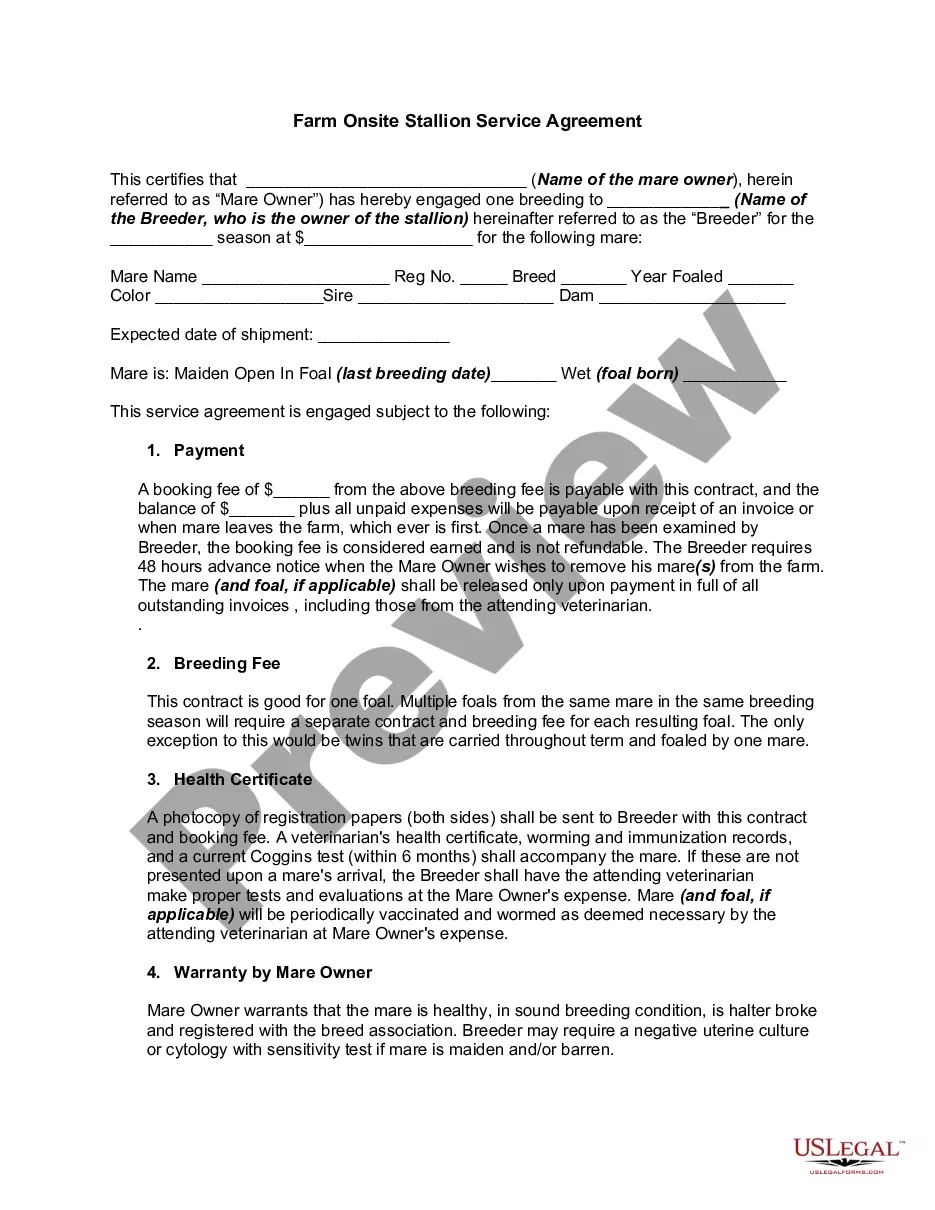
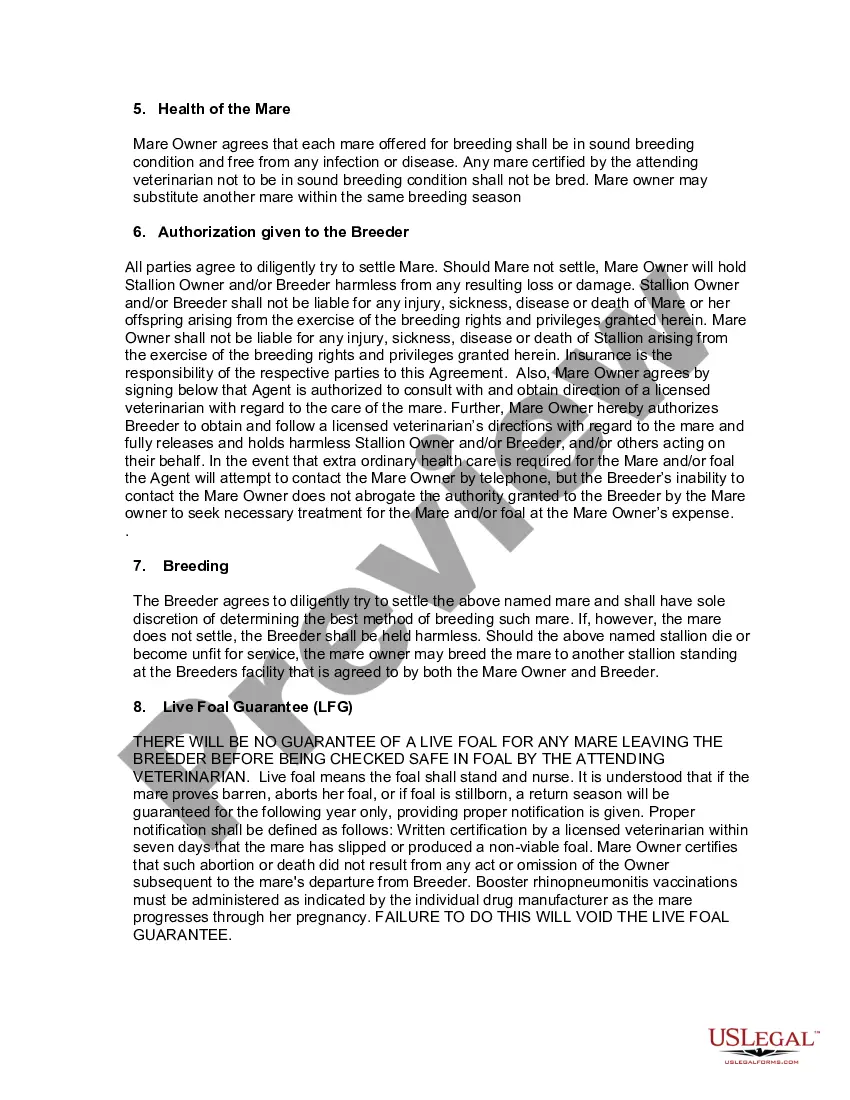
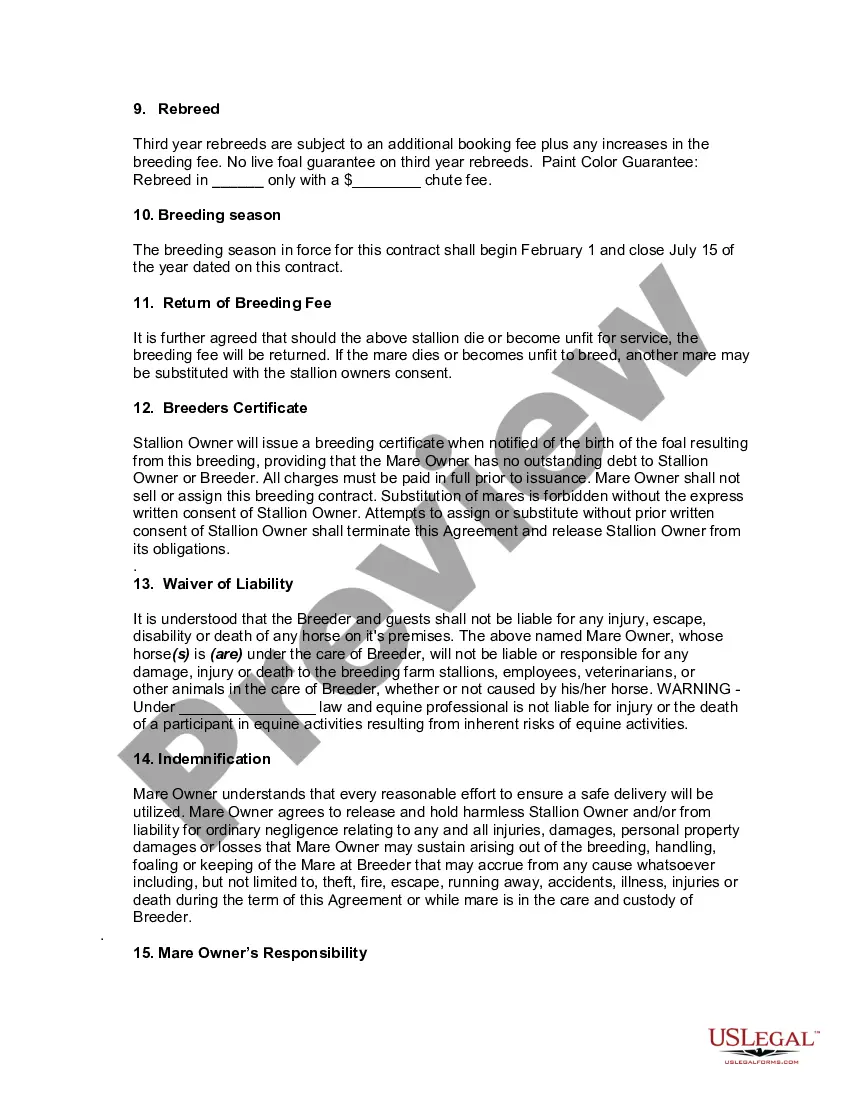
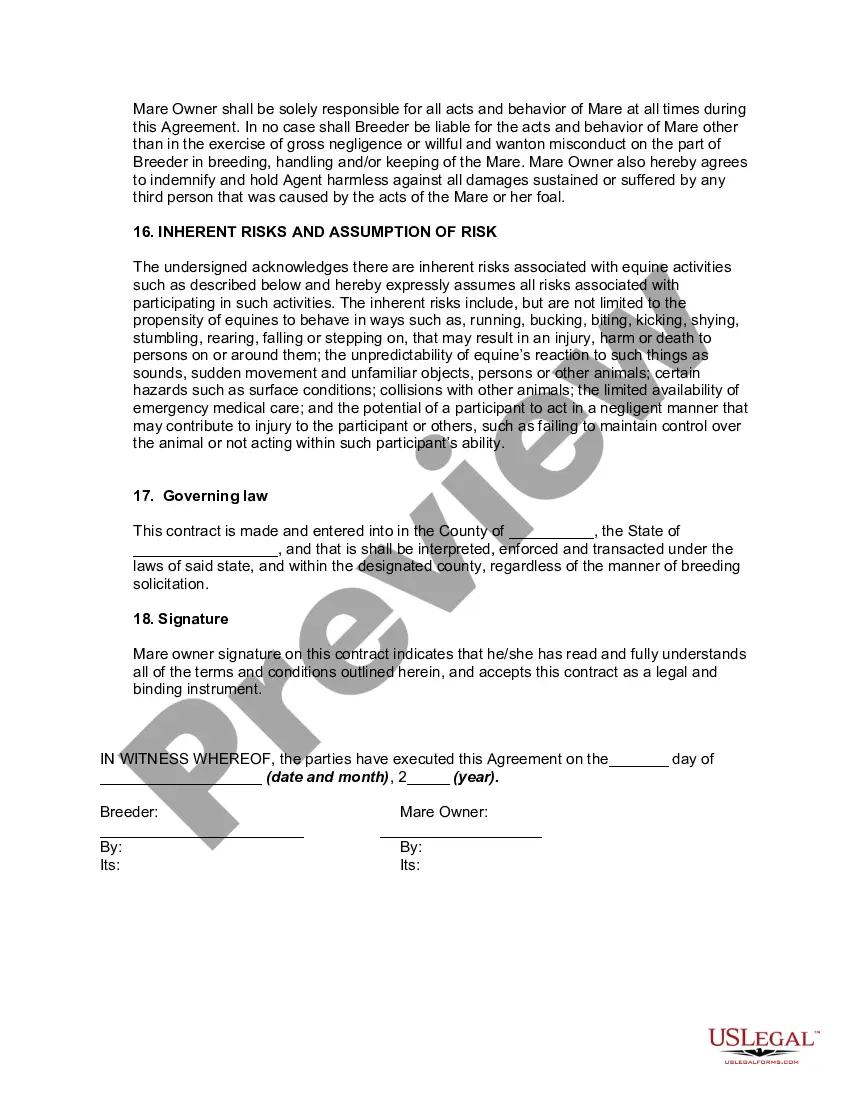
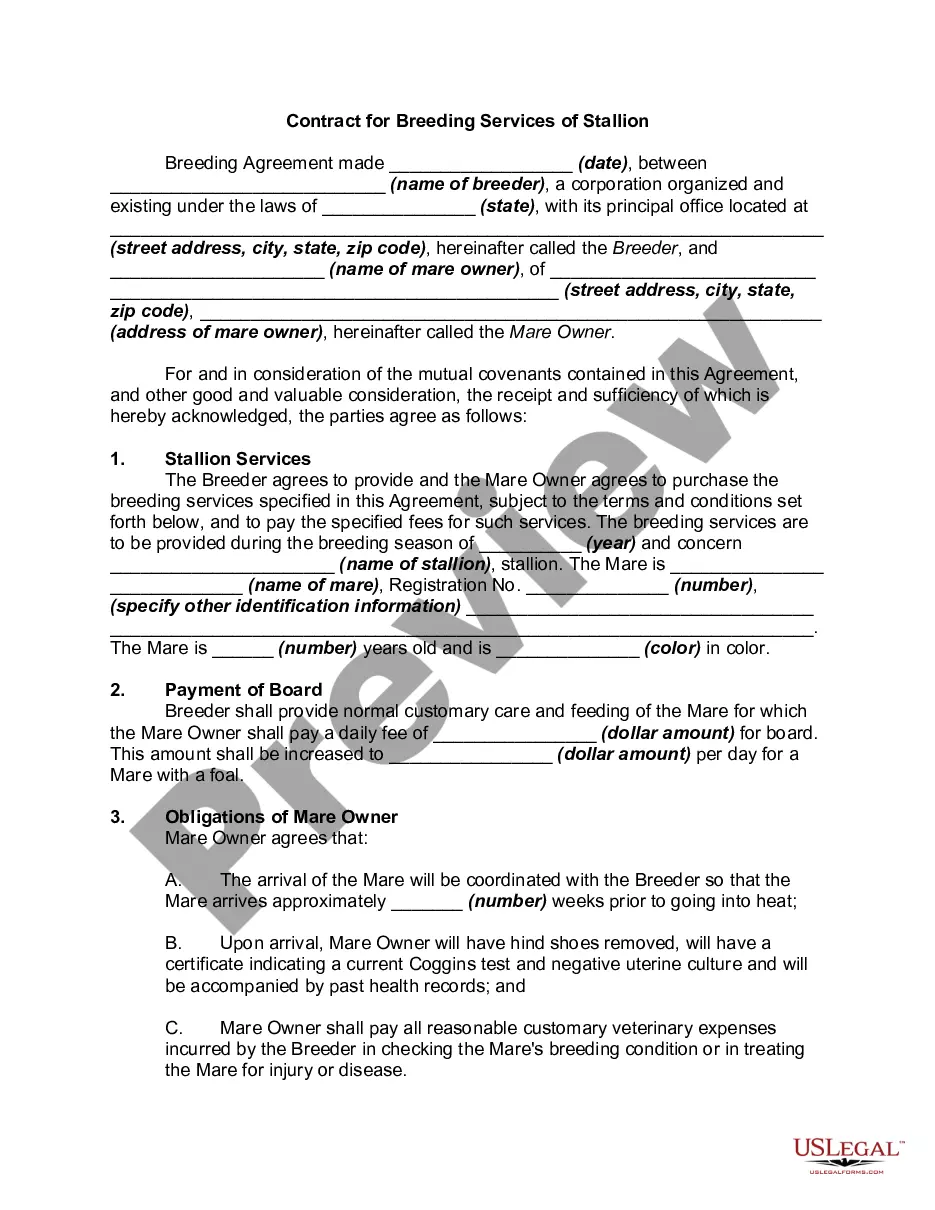
Get your form ready online
Our built-in tools help you complete, sign, share, and store your documents in one place.
Make edits, fill in missing information, and update formatting in US Legal Forms—just like you would in MS Word.
Download a copy, print it, send it by email, or mail it via USPS—whatever works best for your next step.
Sign and collect signatures with our SignNow integration. Send to multiple recipients, set reminders, and more. Go Premium to unlock E-Sign.
If this form requires notarization, complete it online through a secure video call—no need to meet a notary in person or wait for an appointment.
We protect your documents and personal data by following strict security and privacy standards.
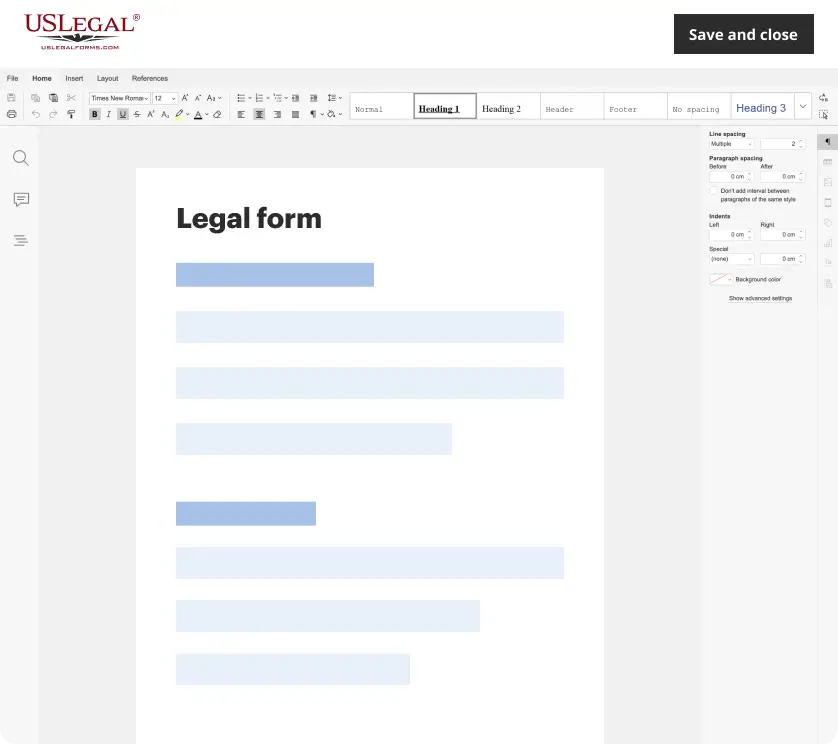
Make edits, fill in missing information, and update formatting in US Legal Forms—just like you would in MS Word.
Download a copy, print it, send it by email, or mail it via USPS—whatever works best for your next step.
Sign and collect signatures with our SignNow integration. Send to multiple recipients, set reminders, and more. Go Premium to unlock E-Sign.
If this form requires notarization, complete it online through a secure video call—no need to meet a notary in person or wait for an appointment.
We protect your documents and personal data by following strict security and privacy standards.
Looking for another form?
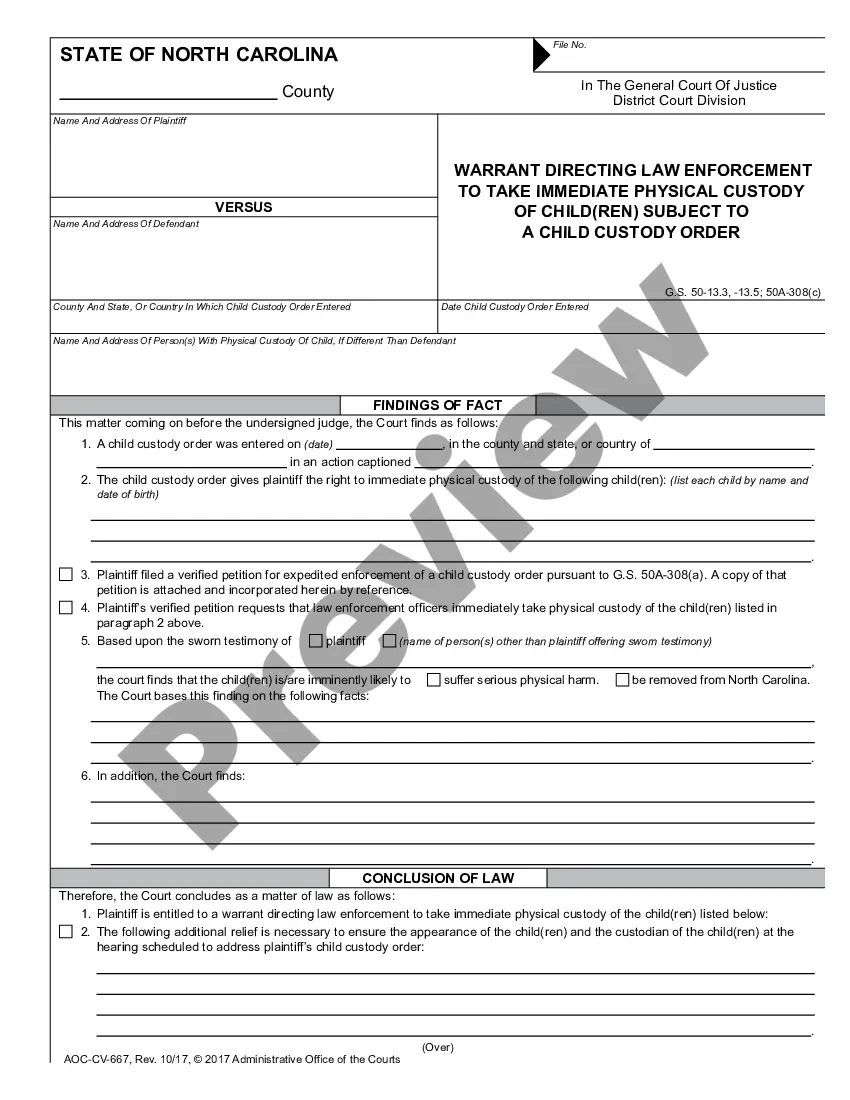
Form popularity
FAQ
Take a course on becoming a breeder (it's offered by the local umbrella organization for pedigree cat breed associations) and after successful completion, register yourself as a breeder with both the umbrella organization and the breed organization.
New Cat? Set Realistic Expectations! You can expect that it will take your cat some time to get used to the new routines and environment. The 'Rule of Three' means that you can gauge the time it might take for your cat to fully acclimate to his home in threes: three days, three weeks, and three months.
Great question! Cats on average can have three litters a year, but typically it's recommended they should only have one or two at most per year. This is to give their body a chance to recover after having kittens, and to help keep the kitten population down.
It's only when something is unclear in the contract that things can go sideways real fast. This is when you find yourself in court. Ultimately, the cat breeder contract is enforceable for anyone who is willing to pursue it in a court of law.
Take a course on becoming a breeder (it's offered by the local umbrella organization for pedigree cat breed associations) and after successful completion, register yourself as a breeder with both the umbrella organization and the breed organization.
Most male cats breed better when they are in familiar surroundings. It is not critical when during a queen's heat she is bred. Unlike females of most other species, cats are induced ovulators. The act of mating stimulates or induces ovulation; release of the eggs (ova) from the ovaries.
Under the California Penal Code, anyone who willfully abandons an animal is committing a misdemeanor. This includes the abandonment of owned and feral cats. If you are no longer able to care for your pet cat, take them to a nearby animal shelter or animal rescue organization.
The queen can enter her first heat as young as 4 months of age, and she generally has 2 or 3 heat cycles during the breeding season (typically February to October in the northern hemisphere). During heat, the queen is receptive to males and shows characteristic mating behavior.
(b) (1) Except as provided in Sections 17006 and 31752.5 and paragraph (2), stray cats shall be held for owner redemption during the first three days of the holding period, not including the day of impoundment, and shall be available for owner redemption or adoption for the remainder of the holding period.
The simple answer it's not illegal. There is no California law – or Fresno County law – that prohibits people from feeding unowned cats.
