Form Assignment Accounts Receivable With Credit Card In Phoenix
Description









Form popularity
FAQ
Credit Cards as Liabilities The balance owed on a credit card can be treated either as a negative asset, known as a “contra” asset, or as a liability. In this article we'll explore the optional method of using liability accounts, however, there are several advantages to using the Contra Asset Approach.
It's simple: A credit card authorization form typically includes the following general information to ensure a smooth transaction process: Cardholder's name. Card number. Card network. Credit card expiration date. Billing address. Contact information. Authorized amount. Cardholder's signature.
It's simple: A credit card authorization form typically includes the following general information to ensure a smooth transaction process: Cardholder's name. Card number. Card network. Credit card expiration date. Billing address. Contact information. Authorized amount. Cardholder's signature.
Physical credit authorization forms have many security issues: They may get lost, stolen, or mishandled by employees. Having to type data manually may lead to errors and financial discrepancies. Physical forms are not encrypted, meaning anyone can read and understand the information.
The process begins when the purchaser presents their payment card or card number to the merchant. Today, that generally means swiping or inserting (also known as dipping) their physical card in a merchant's card reader or entering their card details in an online merchant's checkout system.
Therefore, when a journal entry is made for an accounts receivable transaction, the value of the sale will be recorded as a credit to sales. The amount that is receivable will be recorded as a debit to the assets. These entries balance each other out.
Follow these steps to calculate accounts receivable: Add up all charges. You'll want to add up all the amounts that customers owe the company for products and services that the company has already delivered to the customer. Find the average. Calculate net credit sales. Divide net credit sales by average accounts receivable.
Credit Cards as Liabilities The balance owed on a credit card can be treated either as a negative asset, known as a “contra” asset, or as a liability. In this article we'll explore the optional method of using liability accounts, however, there are several advantages to using the Contra Asset Approach.
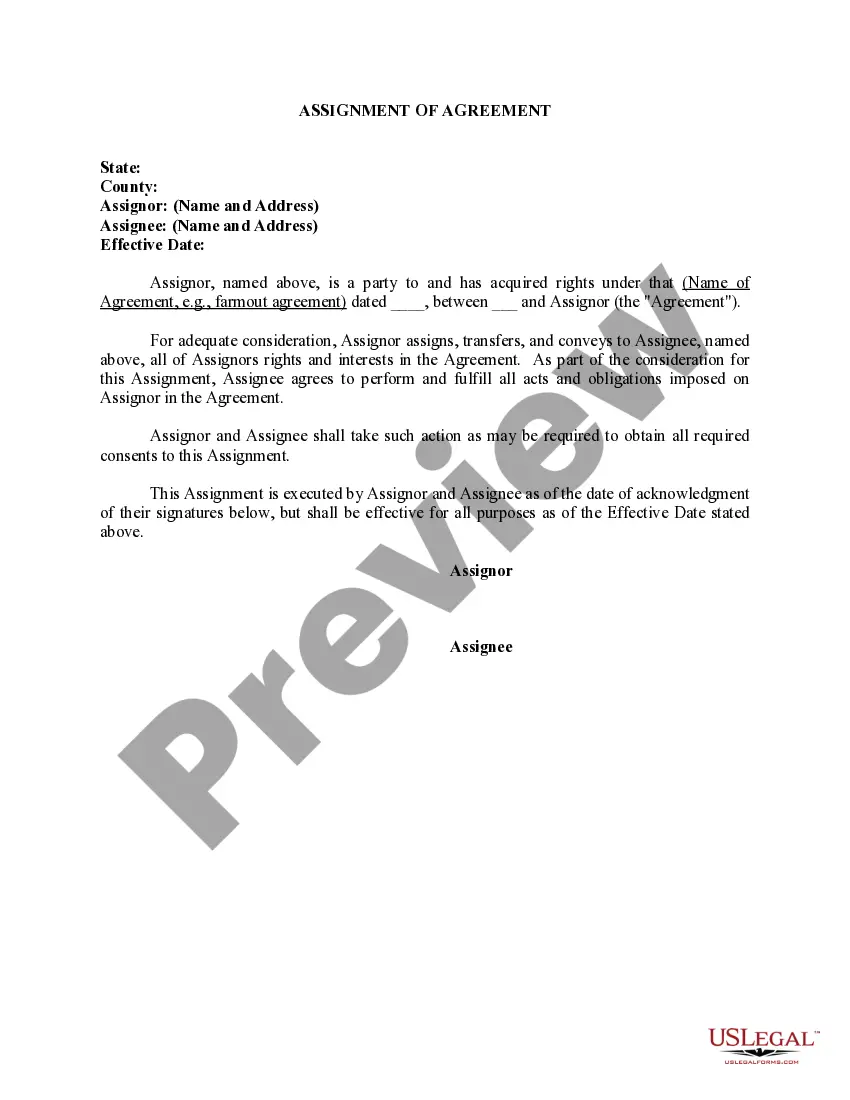
If the assignment of the contract is done with the consent of the counterparty, that amounts to a novation – that is, partial re-writing of the terms of the original contract. benefit under a contract, then such receivables/benefit are not assignable, or not assignable without the consent of the counterparty.
