Agreement Accounts Receivable With Credit Card Processing In New York

State:
Multi-State
Control #:
US-00037DR
Format:
Word; 
Rich Text
Instant download

Description

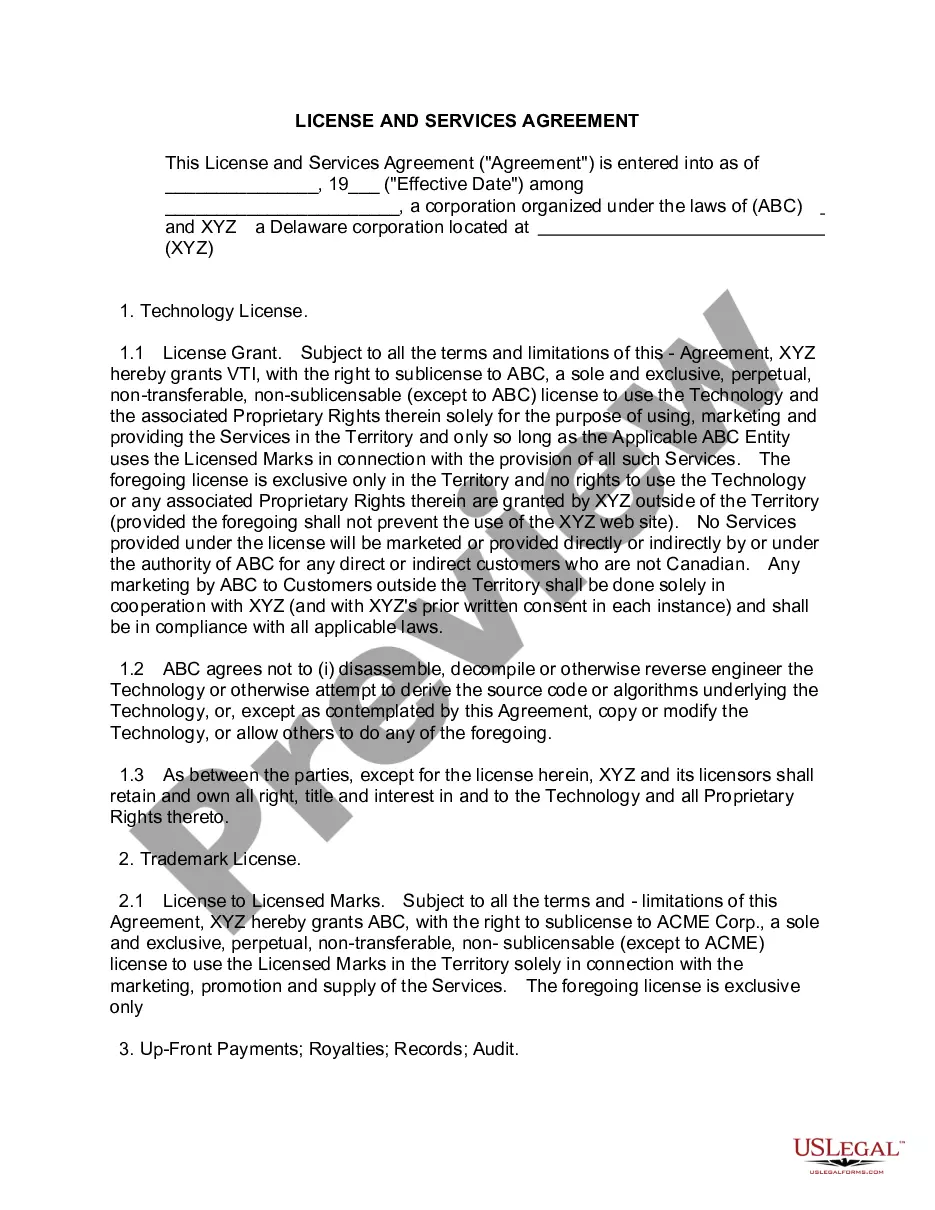
The Agreement accounts receivable with credit card processing in New York is a legal document that facilitates the assignment and purchase of accounts receivable between a seller and a factor. This agreement outlines the terms under which the seller (Client) assigns their receivables from credit sales to the factor, enabling the Client to obtain immediate funds while transferring the credit risk to the Factor. Key features include the obligation for the Client to notify customers of the assignment, the rights of the Factor to collect payments, and the Client's requirements for financial disclosures. It specifies the commission rates, credit approval processes, and the conditions under which the Factor assumes the credit risk. Notably, it includes provisions for breach of warranty, termination, and the process for mandatory arbitration of disputes. This form is particularly useful for attorneys, partners, owners, associates, paralegals, and legal assistants involved in business finance, providing a clear framework for managing accounts receivable and ensuring compliance with credit requirements. Its clear instructions for filling and potential areas for negotiation make it versatile for professionals dealing with commercial transactions.
Free preview
  • Preview Factoring Agreement
  • Preview Factoring Agreement
  • Preview Factoring Agreement
  • Preview Factoring Agreement
  • Preview Factoring Agreement
  • Preview Factoring Agreement
  • Preview Factoring Agreement

Form popularity

FAQ

A cardholder agreement is a legal document outlining the terms under which a credit card is offered to a customer. Among other provisions, the cardholder agreement states the annual percentage rate (APR) of the card, as well as how the card's minimum payments are calculated.

PCI compliance standards require merchants and other businesses to handle credit card information in a secure manner that helps reduce the likelihood that cardholders would have sensitive financial account information stolen.

Therefore, when a journal entry is made for an accounts receivable transaction, the value of the sale will be recorded as a credit to sales. The amount that is receivable will be recorded as a debit to the assets. These entries balance each other out.

To report accounts receivable, gather information about outstanding amounts owed by customers, create an accounts receivable ledger, categorize the accounts by age, prepare a report that summarizes the outstanding amounts, analyze the report, and take action to collect payments and manage the balance.

Trusted and secure by over 3 million people of the world’s leading companies

Agreement Accounts Receivable With Credit Card Processing In New York