This is a multi-state form covering the subject matter of the title.
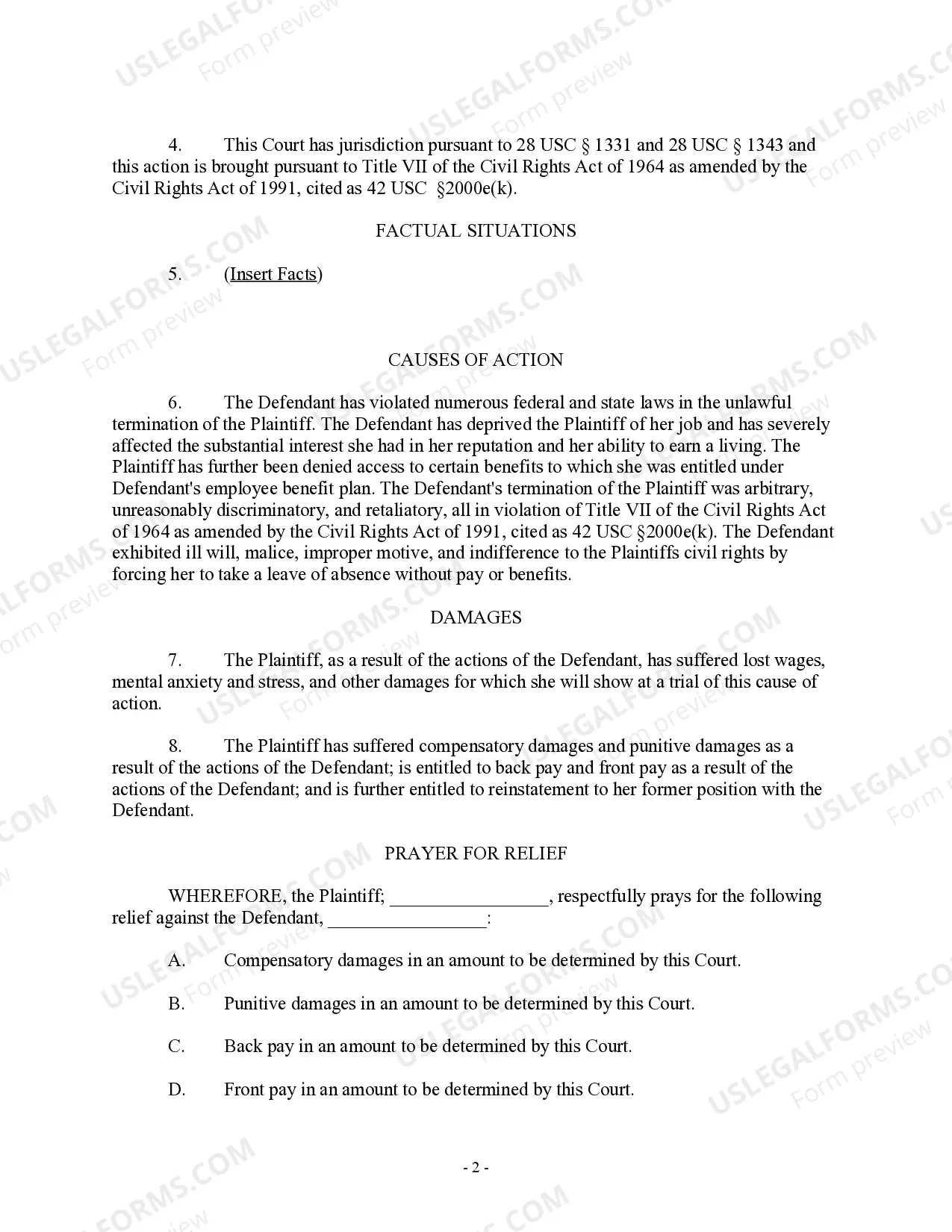
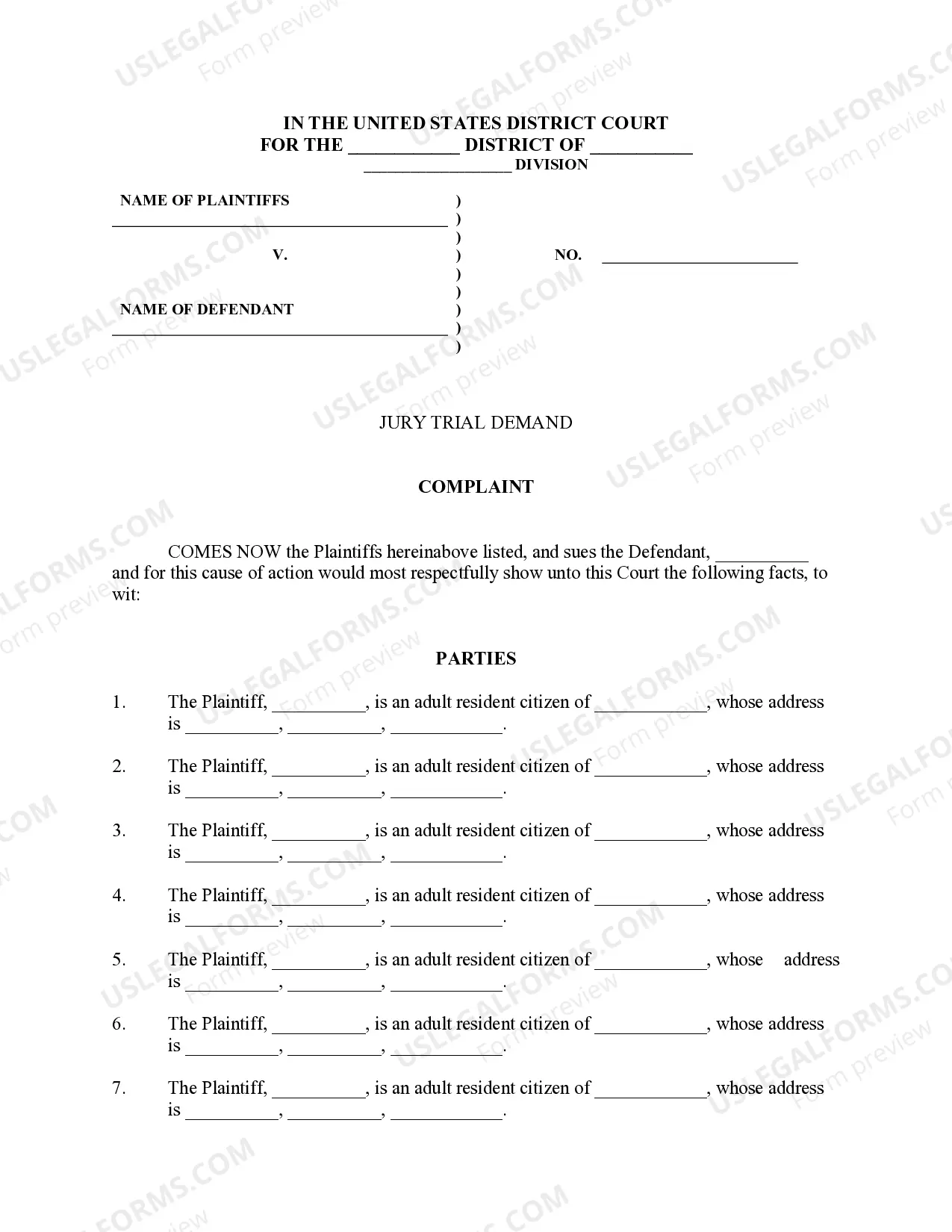
Trial On Demand In New York
Category:
State:
Multi-State
Control #:
US-000291
Format:
Word;
Rich Text
Instant download
Description
Free preview





Get your form ready online
Our built-in tools help you complete, sign, share, and store your documents in one place.
Built-in online Word editor
Make edits, fill in missing information, and update formatting in US Legal Forms—just like you would in MS Word.
Export easily
Download a copy, print it, send it by email, or mail it via USPS—whatever works best for your next step.
E-sign your document
Sign and collect signatures with our SignNow integration. Send to multiple recipients, set reminders, and more. Go Premium to unlock E-Sign.
Notarize online 24/7
If this form requires notarization, complete it online through a secure video call—no need to meet a notary in person or wait for an appointment.
Store your document securely
We protect your documents and personal data by following strict security and privacy standards.

Make edits, fill in missing information, and update formatting in US Legal Forms—just like you would in MS Word.

Download a copy, print it, send it by email, or mail it via USPS—whatever works best for your next step.

Sign and collect signatures with our SignNow integration. Send to multiple recipients, set reminders, and more. Go Premium to unlock E-Sign.

If this form requires notarization, complete it online through a secure video call—no need to meet a notary in person or wait for an appointment.

We protect your documents and personal data by following strict security and privacy standards.
Looking for another form?
Form popularity
FAQ
The Criminal Court of the City of New York has jurisdiction over misdemeanors and violations. Judges of the Criminal Court also act as arraigning magistrates and conduct preliminary hearings in felony cases.
In New York, the defendant's right to a public trial is also protected by statute.
The Supreme Court, Civil and Criminal: The New York State Supreme Court is a trial court that hears civil and criminal cases. The Supreme Court has two branches: Criminal Term and Civil Term in each of the five boroughs.
People v. Trump Court New York Supreme Court Full case name The People of the State of New York v. Donald J. Trump Submitted March 30, 2023 Started April 15, 202410 more rows
The Supreme Court is the state-wide trial court with the broadest jurisdiction, both in criminal and civil matters. It can hear virtually any type of case brought before it, with the exception of claims brought against the state which must be heard by the Court of Claims.
(a) Demand. Any party served with a note of issue not containing such a demand may demand a trial by jury by serving upon each party a demand for a trial by jury and filing such demand in the office where the note of issue was filed within fifteen days after service of the note of issue.
What is another word for trial court? court of first instancefirst-tier court lower court primary court
(c) Audiovisual coverage of party or witness testimony in any court proceeding (other than a plea at an arraignment) is prohibited. (d) Nothing in these rules is intended to restrict any preexisting right of the news media to appear at and to report on judicial proceedings in ance with law.
Seating for Court sessions is provided to the public. The Supreme Court Building will otherwise be closed to the public when the Court is in session.
Except as provided in subdivision two or three, a defendant must be personally present during the trial. On motion of a defendant represented by counsel, the court may, in the absence of an objection by the people, issue an order dispensing with the requirement that the defendant be personally present at trial.