Amendment Of Us Constitution Process In Orange
Description






Get your form ready online
Our built-in tools help you complete, sign, share, and store your documents in one place.
Make edits, fill in missing information, and update formatting in US Legal Forms—just like you would in MS Word.
Download a copy, print it, send it by email, or mail it via USPS—whatever works best for your next step.
Sign and collect signatures with our SignNow integration. Send to multiple recipients, set reminders, and more. Go Premium to unlock E-Sign.
If this form requires notarization, complete it online through a secure video call—no need to meet a notary in person or wait for an appointment.
We protect your documents and personal data by following strict security and privacy standards.

Make edits, fill in missing information, and update formatting in US Legal Forms—just like you would in MS Word.

Download a copy, print it, send it by email, or mail it via USPS—whatever works best for your next step.

Sign and collect signatures with our SignNow integration. Send to multiple recipients, set reminders, and more. Go Premium to unlock E-Sign.

If this form requires notarization, complete it online through a secure video call—no need to meet a notary in person or wait for an appointment.

We protect your documents and personal data by following strict security and privacy standards.
Looking for another form?
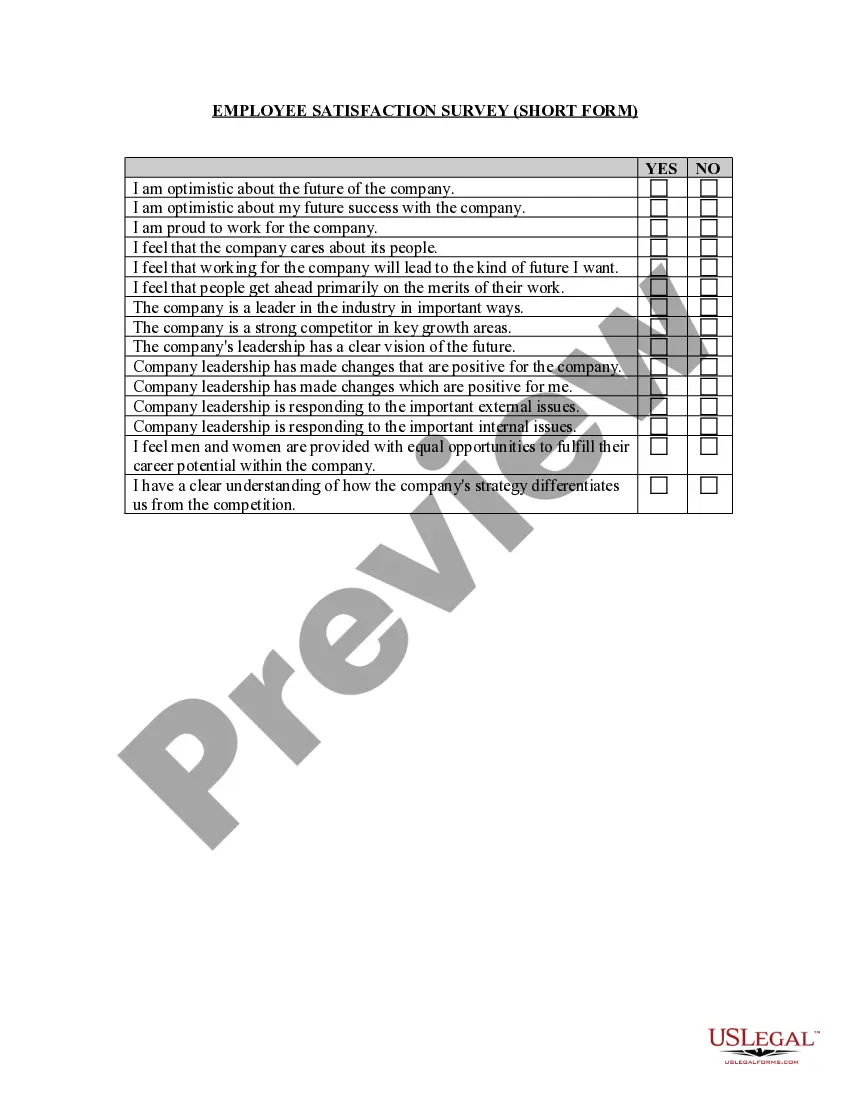
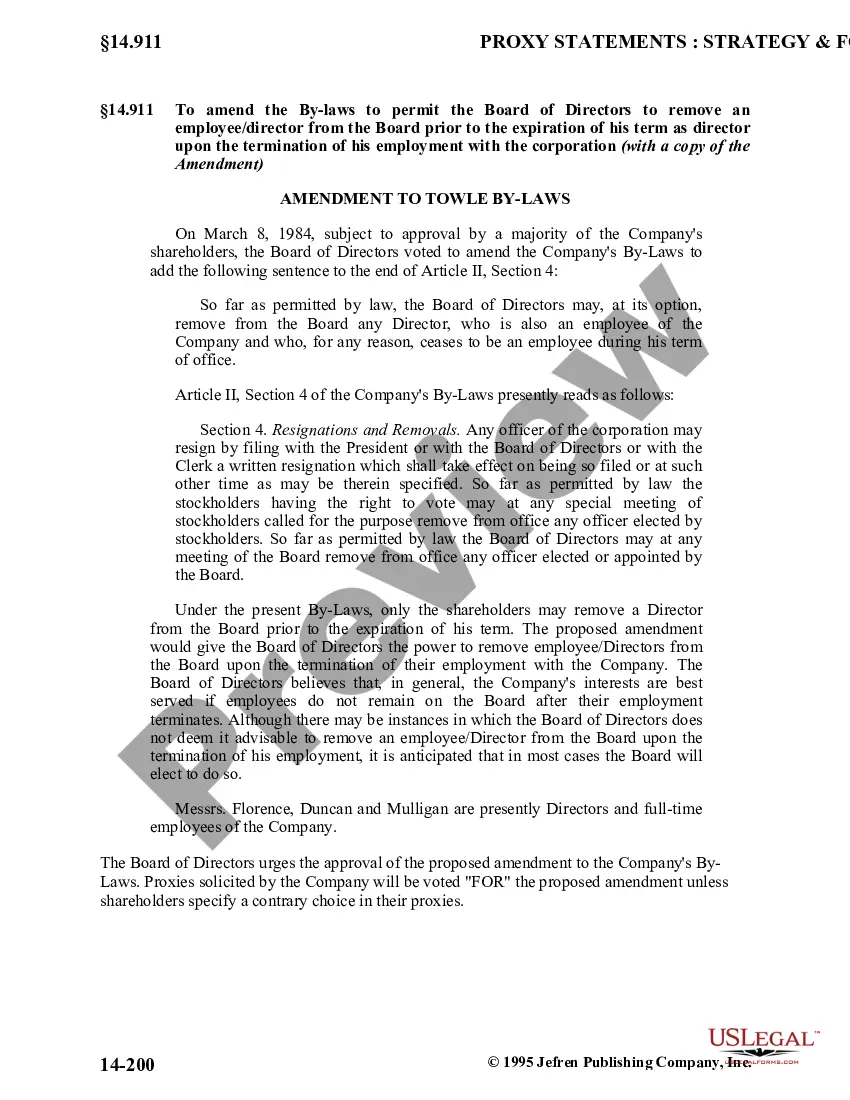
Form popularity
FAQ
As the charter for a government with plenary powers, state constitutions tend to be longer and more frequently changed than the difficult-to-amend federal Constitution, the charter for a government with only enumerated powers.
The amendment process is very difficult and time consuming: A proposed amendment must be passed by two-thirds of both houses of Congress, then ratified by the legislatures of three-fourths of the states. The ERA Amendment did not pass the necessary majority of state legislatures in the 1980s.
The U.S. Constitution is difficult to change and has only been amended 27 times. State constitutions, on the other hand, are much easier to modify, and state constitutional amendments are adopted on a regular basis. The current constitutions of the 50 states have been amended around 7,000 times.
Congress must call a convention for proposing amendments upon application of the legislatures of two-thirds of the states (i.e., 34 of 50 states). Amendments proposed by Congress or convention become valid only when ratified by the legislatures of, or conventions in, three-fourths of the states (i.e., 38 of 50 states).
It is deliberately difficult to amend in order to prevent corrupt politicians from depriving citizens of their rights and establishing a tyrannical government. That is why it requires 75% of the states to ratify any amendment. It's difficult to get two thirds of states to agree to anything.
The most common method of amending state constitutions is through popular initiatives. Popular initiatives have been most successful when the measure seeks to limit the power of legislators. State constitutional conventions have lost favor with both legislators and voters in recent years.
Therefore, the Constitution can be amended in three ways: Amendment by a simple majority of the Parliament, Amendment by a special majority of the Parliament, and. Amendment by a special majority of the Parliament and the ratification of half of the State Legislatures.
An amendment may be proposed by a two-thirds vote of both Houses of Congress, or, if two-thirds of the States request one, by a convention called for that purpose. The amendment must then be ratified by three-fourths of the State legislatures, or three-fourths of conventions called in each State for ratification.
How to create a contract amendment Pinpoint what you want to change or add. Look at your contract and write down the parts you need to change. Date and title the new amendment. Next, add the current date and the title and date of the original agreement to the document. Draft and describe the changes. Finalize the changes.
