4th Amendment Us Constitution With Case Laws In Chicago
Description






Get your form ready online
Our built-in tools help you complete, sign, share, and store your documents in one place.
Make edits, fill in missing information, and update formatting in US Legal Forms—just like you would in MS Word.
Download a copy, print it, send it by email, or mail it via USPS—whatever works best for your next step.
Sign and collect signatures with our SignNow integration. Send to multiple recipients, set reminders, and more. Go Premium to unlock E-Sign.
If this form requires notarization, complete it online through a secure video call—no need to meet a notary in person or wait for an appointment.
We protect your documents and personal data by following strict security and privacy standards.
Make edits, fill in missing information, and update formatting in US Legal Forms—just like you would in MS Word.
Download a copy, print it, send it by email, or mail it via USPS—whatever works best for your next step.
Sign and collect signatures with our SignNow integration. Send to multiple recipients, set reminders, and more. Go Premium to unlock E-Sign.
If this form requires notarization, complete it online through a secure video call—no need to meet a notary in person or wait for an appointment.
We protect your documents and personal data by following strict security and privacy standards.
Looking for another form?

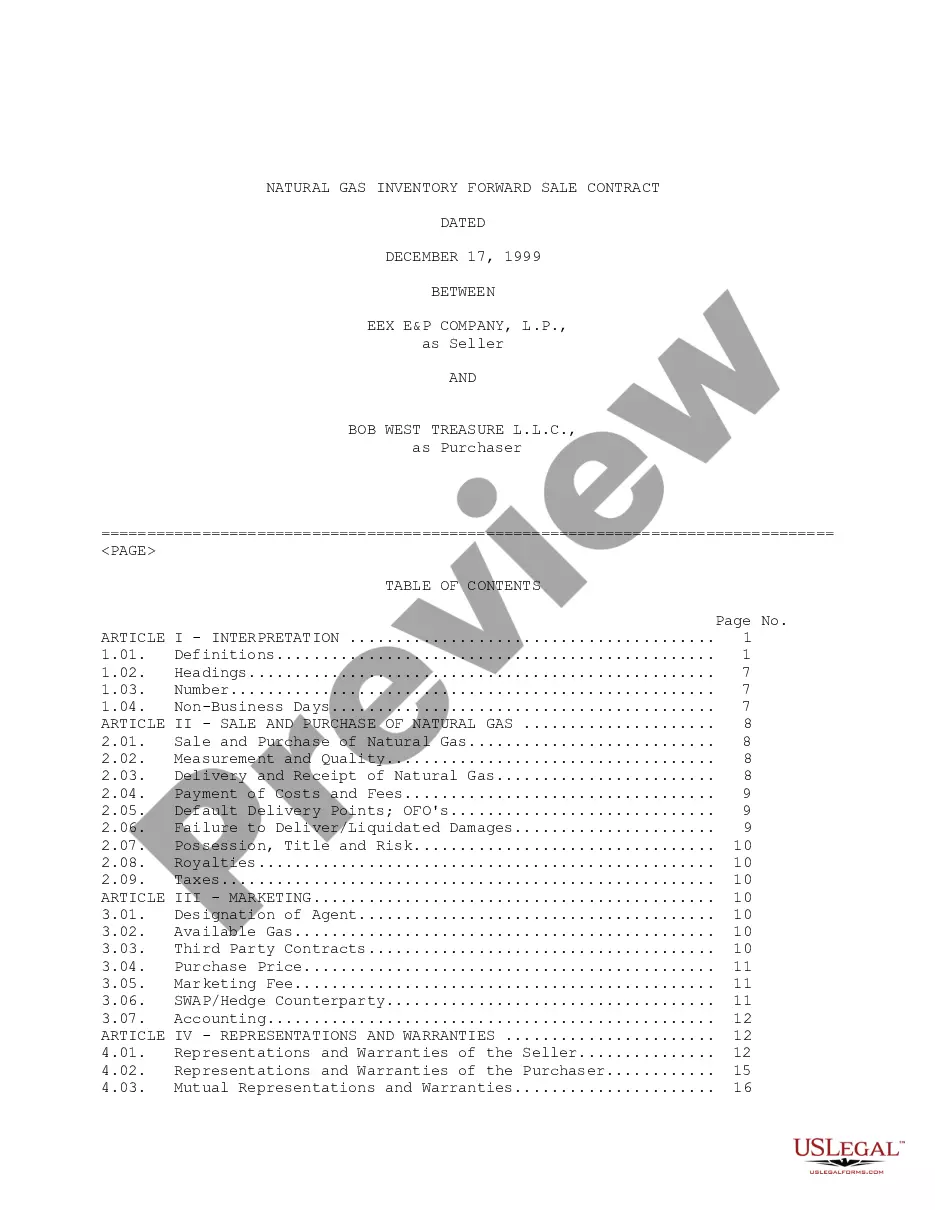


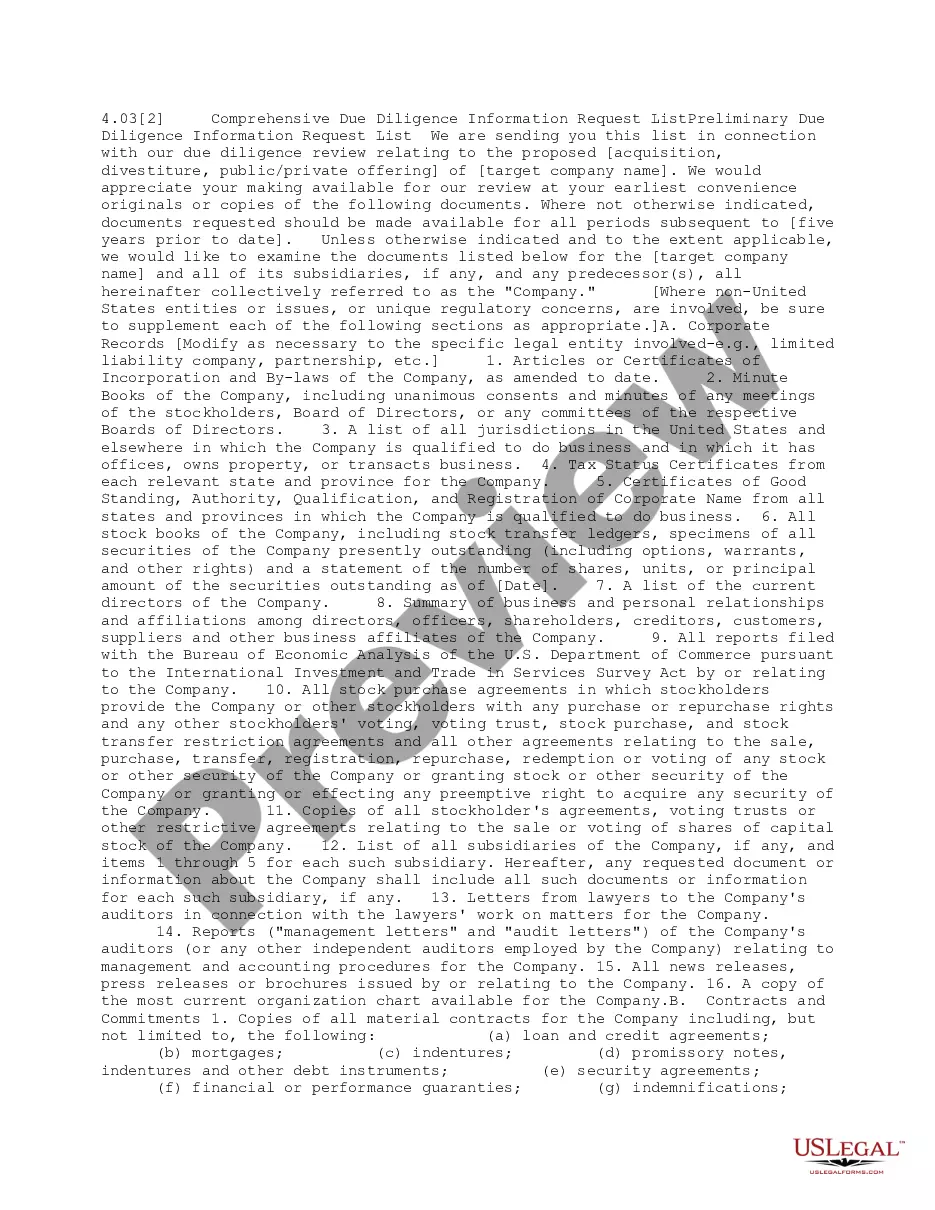

Form popularity
FAQ
Both the fourth amendment of the United States Constitution and article I, section 6, of the Illinois Constitution of 1970 protect individuals from unreasonable searches and seizures. U.S. Const., amend. IV; Ill.
Brendlin v. California. This Fourth Amendment activity is based on the landmark Supreme Court case Brendlin v. California, dealing with search and seizure during a traffic stop.
Brendlin v. California | United States Courts.
The 4th Amendment to the U.S. Constitution guarantees freedom from unreasonable search and seizure. This means that law enforcement agents need probable cause, and a warrant in most cases, to search your person or belongings.
The Fourth Amendment to the U.S. Constitution protects individuals from unreasonable searches and seizures. Generally, evidence found through an unlawful search cannot be used in a criminal proceeding.
In a so-called Terry stop, officers may engage with members of the public and physically search their person while in a public location without yet having any reason to arrest them.
7–1 decision for Katz The Court ruled that Katz was entitled to Fourth Amendment protection for his conversations and that a physical intrusion into the area he occupied was unnecessary to bring the Amendment into play. "The Fourth Amendment protects people, not places," wrote Justice Potter Stewart for the Court.
Cite the United States Constitution, 14th Amendment, Section 2. CORRECT CITATION: U.S. Const. amend. XIV, § 2.
All citations of the U.S. Constitution begin with U.S. Const., followed by the article, amendment, section, and/or clause numbers as relevant. The terms article, amendment, section, and clause are always abbreviated art., amend., §, and cl., respectively.
To cite the Constitution of the United States in MLA style, include information about where you accessed it in the Works Cited entry. In the in-text citation, use article/amendment and section numbers instead of page numbers. The example below shows how to cite an online version of the constitution. Page Title.