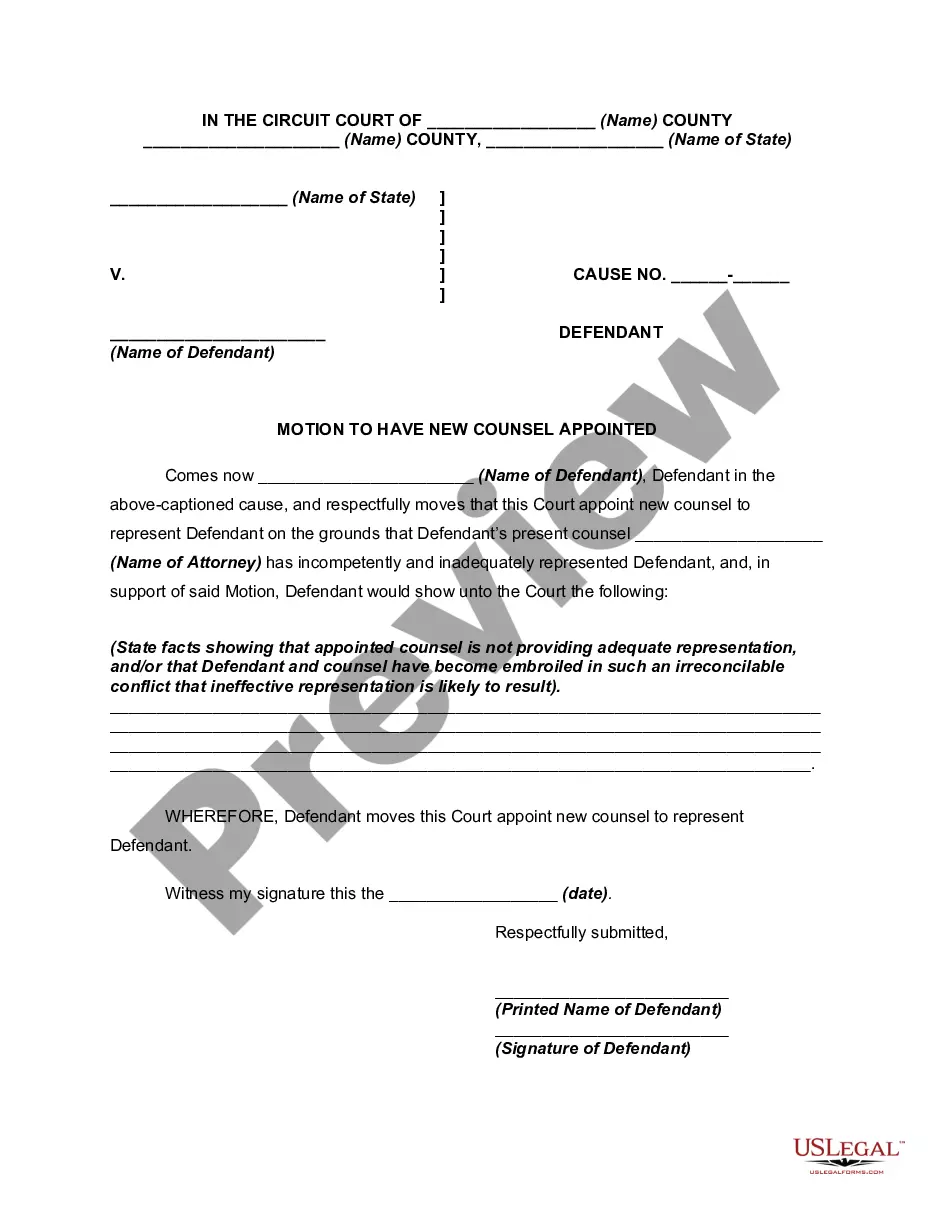
Verified Complaint Nj Form With Motion To Dismiss In Massachusetts
Description








Get your form ready online
Our built-in tools help you complete, sign, share, and store your documents in one place.
Make edits, fill in missing information, and update formatting in US Legal Forms—just like you would in MS Word.
Download a copy, print it, send it by email, or mail it via USPS—whatever works best for your next step.
Sign and collect signatures with our SignNow integration. Send to multiple recipients, set reminders, and more. Go Premium to unlock E-Sign.
If this form requires notarization, complete it online through a secure video call—no need to meet a notary in person or wait for an appointment.
We protect your documents and personal data by following strict security and privacy standards.

Make edits, fill in missing information, and update formatting in US Legal Forms—just like you would in MS Word.

Download a copy, print it, send it by email, or mail it via USPS—whatever works best for your next step.

Sign and collect signatures with our SignNow integration. Send to multiple recipients, set reminders, and more. Go Premium to unlock E-Sign.

If this form requires notarization, complete it online through a secure video call—no need to meet a notary in person or wait for an appointment.

We protect your documents and personal data by following strict security and privacy standards.
Looking for another form?


Form popularity
FAQ
A complaint where the plaintiff (or, in limited cases, the plaintiff's counsel) swears to the allegations, demonstrating to a court that the plaintiff has investigated the charges against the defendant and found them to be of substance.
This Note explains who may file a motion to dismiss, when they may file the motion, and the available defenses (grounds) to assert, including lack of subject matter or personal jurisdiction, insufficient process or service of process, failure to state a claim on which relief may be granted, and failure to join a ...
Alternatively, the motion could seek dismissal of one or more causes of action alleged in the complaint. In some U.S. jurisdictions, such as California, these filings are known as “demurrers.” However, “motion to dismiss” is the prevailing terminology in most states and U.S. federal court.
Every motion shall state the time and place when it is to be presented to the court, the grounds upon which it is made and the nature of the relief sought, and, as to motions filed in the Law Division-Civil Part only, the discovery end date or a statement that no such date has been assigned.
Motions to dismiss are usually filed early in the case as the defendant's initial response to the complaint. That means the parties have yet to engage in discovery or develop evidence to either support or refute the plaintiff's allegations.
-1. Time for Making, Filing, and Serving Motion A party seeking any affirmative relief may, at any time after the expiration of 35 days from the service of the pleading claiming such relief, move for a summary judgment or order on all or any part thereof or as to any defense.
A summary judgment or order, interlocutory in character, may be rendered on any issue in the action (including the issue of liability) although there is a genuine factual dispute as to any other issue (including any issue as to the amount of damages).
Definition. A verified complaint is a sworn document in which the plaintiff tells the court the facts of the case and states what relief is sought.
A Motion to Dismiss filing can be referred to as one of the ways to "respond to" the Complaint. Why did I receive a Motion to Dismiss? Most often, a Plaintiff receives a Motion to Dismiss based on their “failure to state a claim upon which relief can be granted.” (Fed.
A motion to dismiss will be final only if the plaintiff chooses not to amend and proceed, or if the pleading defect is one that cannot be overcome. A motion for summary judgment is another way to ask for a pretrial resolution of a case.
