State Bar For Arizona In Sacramento
Category:
State:
Multi-State
County:
Sacramento
Control #:
US-0001LTR
Format:
Word;
Rich Text
Instant download
Description
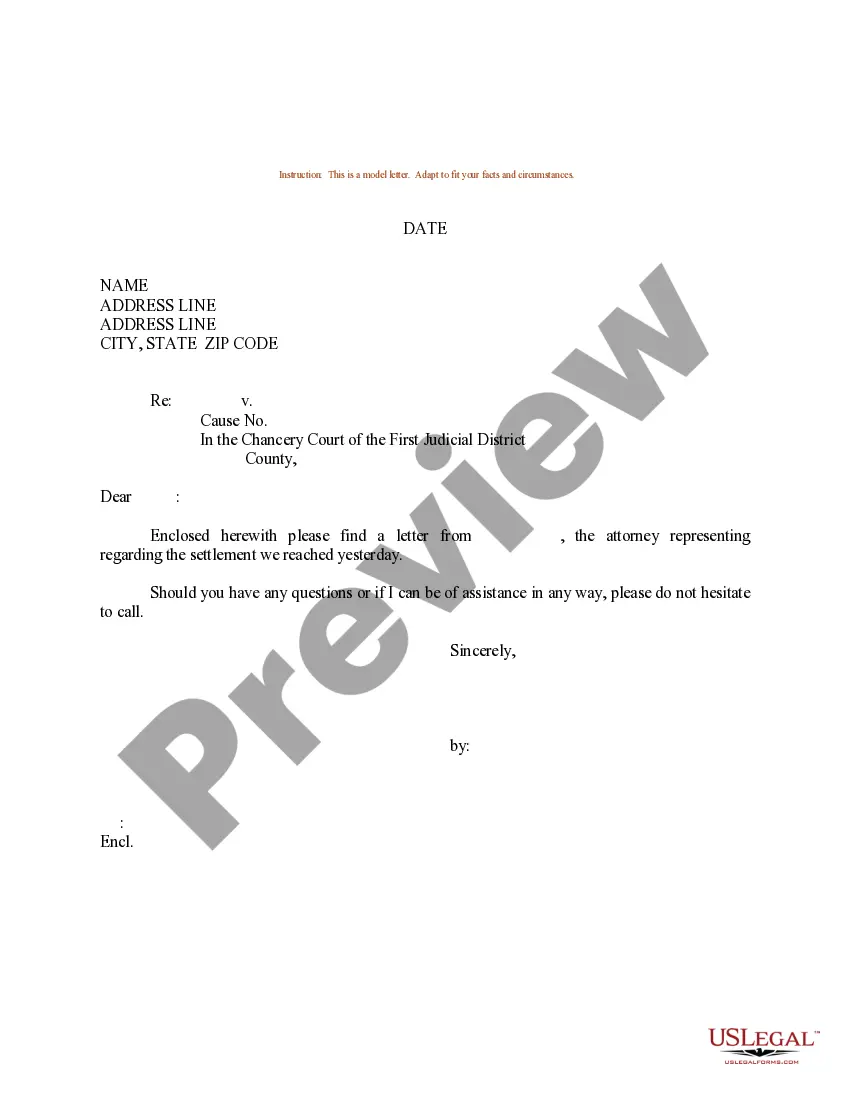
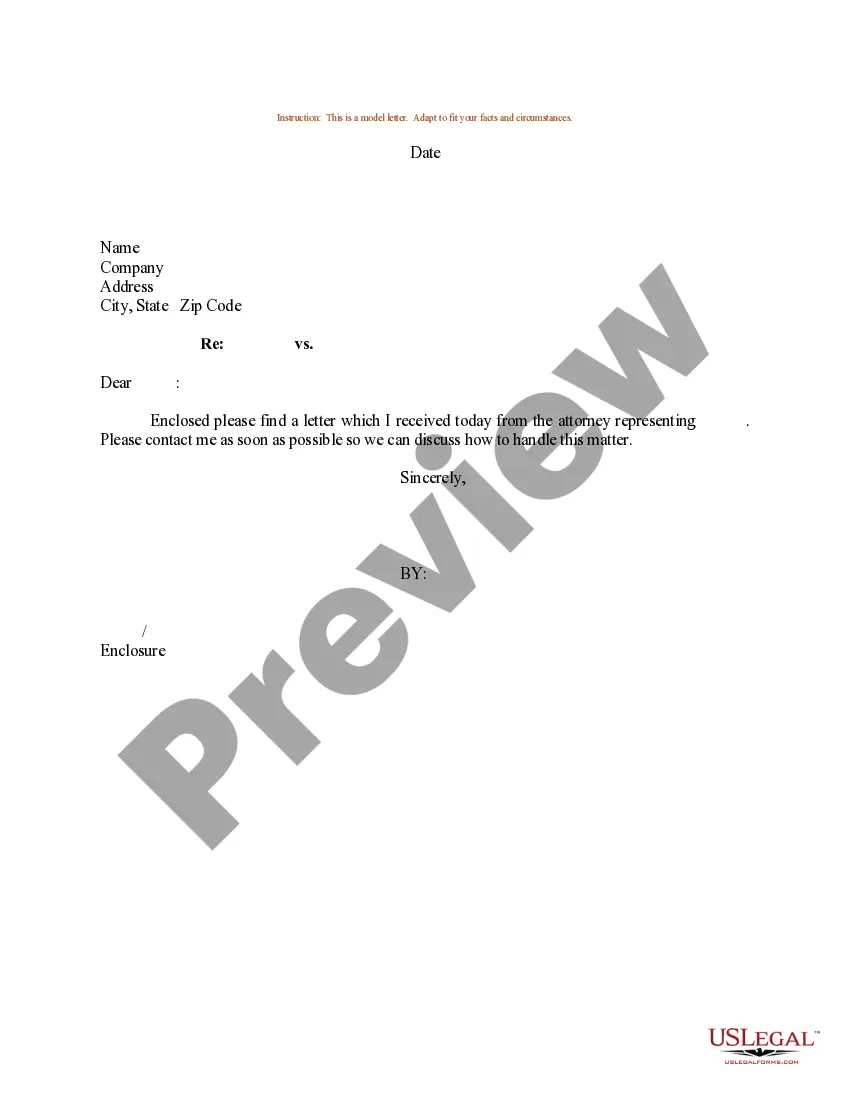
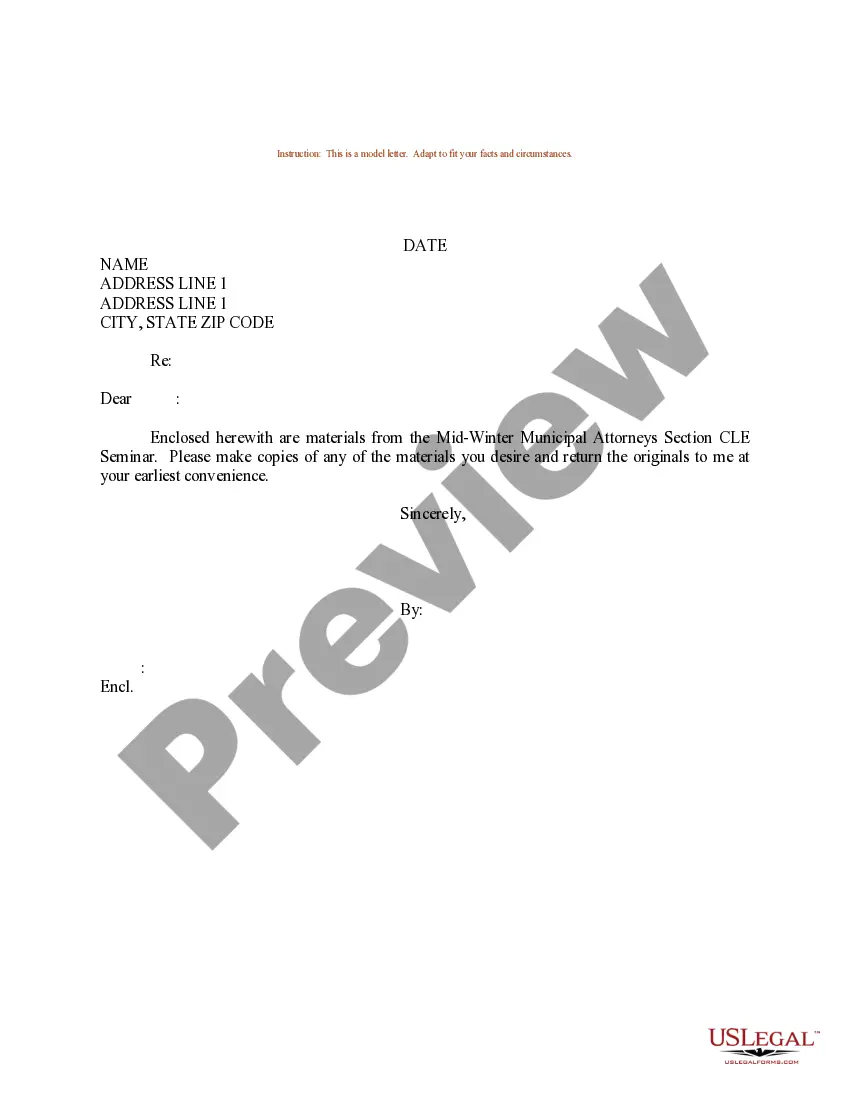
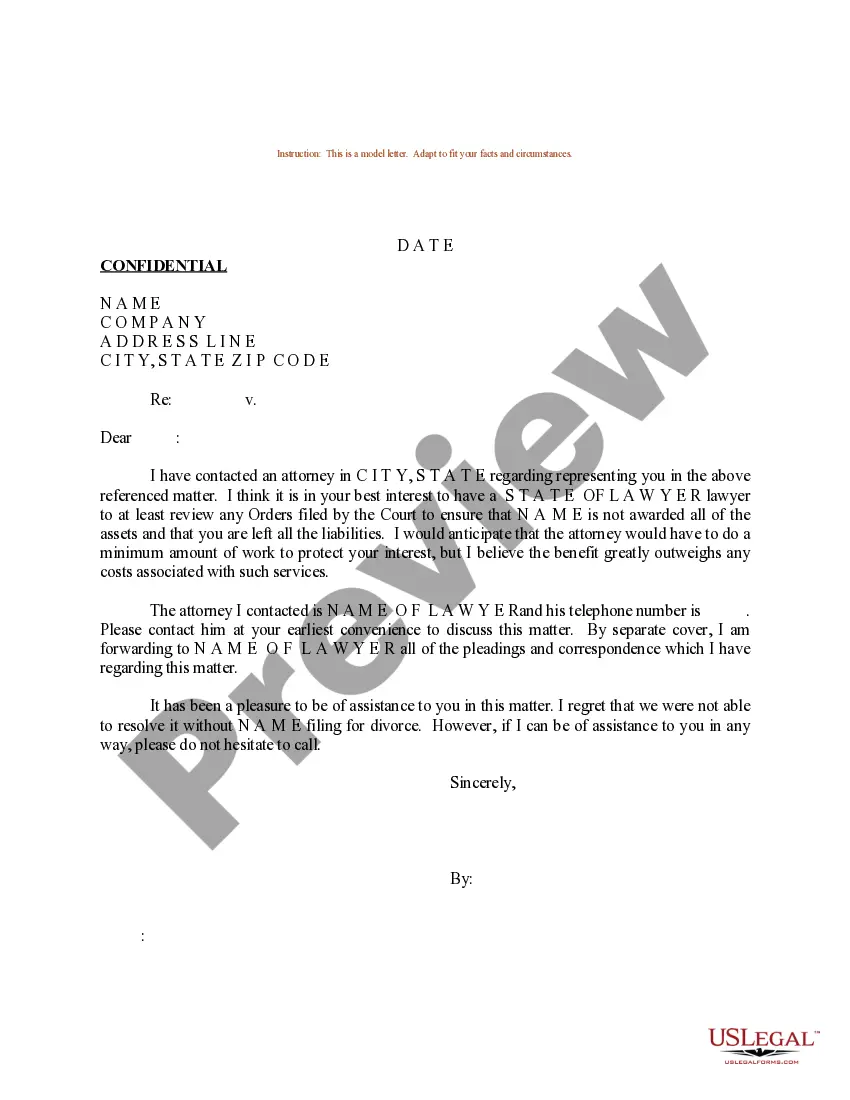
The document is a model letter designed for individuals seeking to address an issue with their State Bar membership in Arizona, specifically in Sacramento. It is intended for use by attorneys, partners, owners, associates, paralegals, and legal assistants who may encounter difficulties during the renewal of their membership. Key features of the letter include sections for personal details, a clear explanation of the payment error, and instructions for corrective action by enclosing relevant documentation. Users are guided to adapt the content to their specific circumstances, ensuring that it remains relevant to their unique situations. To fill out the letter, users should replace placeholders such as and with their personal information and details about the incorrect payment amount. The letter promotes a professional tone while requesting the issuance of the correct occupational license and the refund of the previous payment. By following this format, users can effectively communicate their issue to the State Bar, making it a useful tool for maintaining compliance and addressing membership concerns.
Get your form ready online
Our built-in tools help you complete, sign, share, and store your documents in one place.
Built-in online Word editor
Make edits, fill in missing information, and update formatting in US Legal Forms—just like you would in MS Word.
Export easily
Download a copy, print it, send it by email, or mail it via USPS—whatever works best for your next step.
E-sign your document
Sign and collect signatures with our SignNow integration. Send to multiple recipients, set reminders, and more. Go Premium to unlock E-Sign.
Notarize online 24/7
If this form requires notarization, complete it online through a secure video call—no need to meet a notary in person or wait for an appointment.
Store your document securely
We protect your documents and personal data by following strict security and privacy standards.

Make edits, fill in missing information, and update formatting in US Legal Forms—just like you would in MS Word.

Download a copy, print it, send it by email, or mail it via USPS—whatever works best for your next step.

Sign and collect signatures with our SignNow integration. Send to multiple recipients, set reminders, and more. Go Premium to unlock E-Sign.

If this form requires notarization, complete it online through a secure video call—no need to meet a notary in person or wait for an appointment.

We protect your documents and personal data by following strict security and privacy standards.
Looking for another form?



Form popularity
FAQ
Applicants who are already licensed to practice law in another state or jurisdiction must register as an attorney applicant, complete a positive moral character determination and pass the Multistate Professional Responsibility Examination as well as the California Bar Examination.
In most cases, your attorney must be admitted to the bar in the state with jurisdiction. Most states have a process for an out of state attorney to be admitted to represent a client for one case only. The Latin phrase “pro hac vice” or “for this occasion only” describes this process.
In some instances, attorneys who are properly licensed and in good standing in another state are allowed to practice in California. For example, attorneys who practice only federal law, such as immigration, may practice in California but be licensed in another state.
California Reciprocity California doesn't offer reciprocity but offers a shorter bar exam for attorneys who are admitted in other states and who have been in good standing as an attorney in those states for at least four years prior to their application.
Arizona Reciprocity Arizona offers reciprocity on motion to attorneys from the following states: AK, CO, DC, GA, ID, IL, IN, IA, KS, KY, ME, MA, MI, MN, MS, MO, MT, NE, NH, NJ, NM, NY, NC, ND, OH, OK, OR, PA, SD, TN, TX, UT, VT, VA, WA, WI, and WY.
There is no bar reciprocity in California, though the state does offer a modified bar exam to those who have actively practiced law for at least four years immediately preceding their bar application.
California Bar Examination Please note that the State Bar does not offer reciprocity or accept bar exam scores from another jurisdiction.
Lawyers may remotely practice the law of the jurisdictions in which they are licensed while physically present in a jurisdiction in which they are not admitted if the local jurisdiction has not determined that the conduct is the unlicensed or unauthorized practice of law and if they do not hold themselves out as being ...
Can you practice law in multiple states? It is possible to become a multi-state lawyer, and best of all, you may not even have to take more than one bar exam. Read on to learn more about how to practice law in multiple states and the benefits it can offer you.
Currently, Arizona allows a licensed attorney from another state to be admitted to practice law in Arizona by pursuing an Admission by Motion.

